
Chef Takumi
Abura Soba (油そば, brothless ramen)
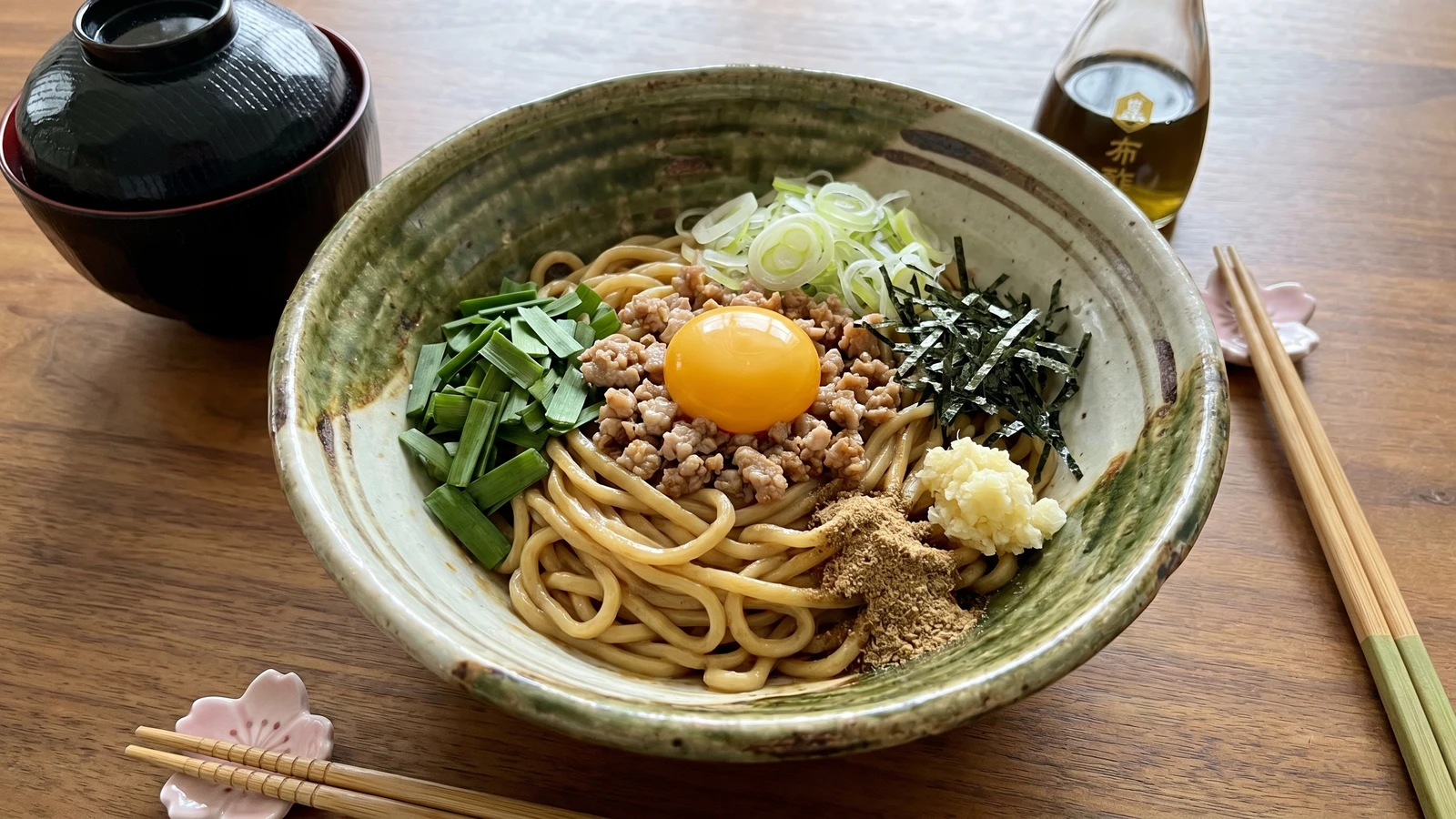
Abura soba is ramen without the hiding place of soup: hot noodles, strong shōyu tare, fragrant oil, and the discipline to mix while every strand is still hot.
A cooking platform built around craft, culture, and the stories behind what we eat.
Created by
Nagoya's brothless noodle bowl is not a puzzle: thick ramen, spicy pork miso, nira, fish powder, garlic, and a yolk, mixed hard until the sauce clings to every strand.
Taiwan mazesoba looks loud before it becomes simple. Thick noodles sit under chili-red pork, nira, scallion, nori, fish powder, raw garlic, and a yolk bright enough to make a serious cook look theatrical. The fear is that all those toppings mean complication. They don't. They are the sauce, waiting to be mixed.
The one detail that decides it is timing. The noodles must be hot, the mince glossy, and the bowl ready before you drain. When you mix hard, the yolk, pork fat, dashi tare, fish powder, and noodle starch bind into a rough, clingy sauce. Wait too long and they stay separate, which is tidy but wrong. This is a dish where the pretty arrangement has a very short life.
The name says Taiwan, but the dish belongs to Nagoya's modern ramen shops, born from Taiwan ramen and made brothless. We keep it honmono by respecting its grammar: thick chūkamen, spicy minced pork, nira with a clean garlic bite, gyofun for dry sea aroma, and oimeshi at the end. A spoonful of dashi in the tare is not there to make soup. It gives the seasonings a clear floor to stand on, so the spice tastes bright instead of merely hot.
Buy nira that stands up straight and smells green when cut. Spring and early summer give it its best snap, but firmness matters more than the calendar here. Common chives are too mild; scallion greens with a little raw garlic are a stand-in only when you say so plainly. Nothing hidden. The bowl is strong, yes, but it is not there to force tired ingredients into behaving.
Taiwan mazesoba was created in 2008 at Menya Hanabi in Nagoya, Aichi, as a brothless variation on the city's Taiwan ramen. Taiwan ramen itself is associated with Misen, a Nagoya Taiwanese restaurant that began serving spicy minced-pork ramen in the 1970s. The name points to that origin story, but the bowl became a Nagoya-meshi staple, especially with oimeshi, a small scoop of rice mixed into the sauce left after the noodles.
Quantity
1 cup
Quantity
1 small piece (about 5g)
Quantity
8g
Quantity
1 tablespoon plus 2 teaspoons
divided
Quantity
1 tablespoon
Quantity
1 teaspoon
Quantity
2 teaspoons
Quantity
1 tablespoon
Quantity
1 teaspoon
Quantity
200g
not too lean
Quantity
1 tablespoon
preferably Hatchō miso
Quantity
2 teaspoons
Quantity
1 teaspoon
Quantity
1 teaspoon
Quantity
2 cloves
one minced and one finely grated
Quantity
300g
Quantity
50g
finely chopped
Quantity
2
thinly sliced
Quantity
1 sheet
cut into fine strips
Quantity
2 tablespoons
or dry katsuobushi ground fine
Quantity
2
very fresh
Quantity
1 to 2 teaspoons
Quantity
1/2 cup
for oimeshi
| Ingredient | Quantity |
|---|---|
| cold water | 1 cup |
| konbu | 1 small piece (about 5g) |
| katsuobushi (bonito flakes) | 8g |
| soy saucedivided | 1 tablespoon plus 2 teaspoons |
| mirin | 1 tablespoon |
| rice vinegar | 1 teaspoon |
| toasted sesame oil | 2 teaspoons |
| sake | 1 tablespoon |
| neutral oil | 1 teaspoon |
| ground porknot too lean | 200g |
| mame miso or red misopreferably Hatchō miso | 1 tablespoon |
| tōbanjan (chili bean paste) | 2 teaspoons |
| sugar | 1 teaspoon |
| grated ginger | 1 teaspoon |
| garlicone minced and one finely grated | 2 cloves |
| fresh thick ramen noodles (chūkamen) | 300g |
| nira (garlic chives)finely chopped | 50g |
| scallionsthinly sliced | 2 |
| noricut into fine strips | 1 sheet |
| gyofun (fish powder)or dry katsuobushi ground fine | 2 tablespoons |
| pasteurized egg yolksvery fresh | 2 |
| rāyu (Japanese chili oil) (optional) | 1 to 2 teaspoons |
| cooked Japanese short-grain rice (optional)for oimeshi | 1/2 cup |
Wipe the konbu with a damp cloth, but don't wash it; the pale bloom on the surface is flavor. Put it in the cold water and warm it slowly until the water trembles and small bubbles climb the sides, then lift it out before the boil. Add the katsuobushi, take the pan off the heat, and leave it for two minutes. Strain through a fine mesh strainer lined with cloth and let it drip. Don't squeeze, because squeezing presses harsh, oily flavor into the clear stock.
Measure 1/4 cup of the dashi into a small saucepan with 1 tablespoon soy sauce and the mirin. Simmer for one minute to settle the mirin's alcohol and concentrate the seasoning. Take it off the heat, then stir in the rice vinegar and sesame oil. Taste it. It should be a little too strong to drink, because the noodles, pork, and yolk will soften it.
Stir together the miso, tōbanjan, sake, remaining 2 teaspoons soy sauce, sugar, ginger, and minced garlic. Heat the neutral oil in a skillet over medium heat, add the pork, and spread it out. Let it color underneath before you stir, then break it into small grains. When no pink remains and the fat looks clear, add the miso mixture and cook until the pork is glossy, dark, and almost dry. Cooking the paste in the pork fat wakes the miso and chili without leaving a raw, salty edge.
Cut the nira into short pieces, slice the scallions thinly, grate the second garlic clove, and cut the nori into fine strips. Set the gyofun ready. Keep these in separate small piles because each one hits the hot noodles differently: nira and garlic sharpen, nori and fish powder deepen, and scallion lifts. Cut the nira close to serving time so it stays crisp and green.
Bring a large pot of water to a strong boil and cook the ramen noodles according to the package, aiming for a firm chew. Drain hard and do not rinse. The surface starch is not dirt now; it helps the tare, pork fat, and yolk cling to the noodles.
Spoon half the tare into each warm bowl. Add the drained noodles and turn them once so the lower strands start to shine. Mound the spicy pork in the center, then arrange the nira, scallion, nori, gyofun, grated garlic, and rāyu if using around it. Set one egg yolk on top. Carry the bowls to the table and mix hard before the first bite, until the yolk disappears and every strand is speckled with pork and green. The arrangement is for the eye; the mixing is for the dish.
When the noodles are gone, add a small spoonful of hot rice to the sauce left in each bowl and mix again. This is oimeshi, the last rice that chases the noodles. It gathers the pork, fish powder, garlic, and yolk that would otherwise be left behind, and it is part of the bowl's proper ending.
1 serving (about 420g)
Culinary guides, cultural storytelling, and the editorial depth that makes cooking meaningful.
Discover Culinary ExplorerChef Takumi
Abura soba is ramen without the hiding place of soup: hot noodles, strong shōyu tare, fragrant oil, and the discipline to mix while every strand is still hot.

Chef Takumi
Akadashi asks you to trust the dark miso. Build a clear dashi, loosen the Hatchō mame-miso gently, and the soup turns coffee-dark, savory, and clean.

Chef Takumi
Toast the rice until its skin is firm, then let it meet chicken broth, burdock, maitake, and seri. The pot looks grand, but the work is rice, broth, and patience.

Chef Takumi
Shottsuru nabe is Akita winter in one pot: clean dashi, hatahata at shun, tofu and napa cabbage carrying a salt-deep broth without anything heavy enough to hide the fish.