
Chef Juliette
Various Almond Preparations
Five almond preparations, one discipline: remove the skins cleanly, dry every kernel through, then cut, toast, or cloak it in pale caramel without letting its fragrant oils escape.
A cooking platform built around craft, culture, and the stories behind what we eat.

Created by Chef Juliette
Based on No. 2708, Poires à la Carignan, from Le Guide Culinaire (1907) by Auguste Escoffier
Firm vanilla-poached pears hide a frozen chocolate-praliné bombe beneath apricot and chocolate fondant, then rise on anisette-soaked Génoise and pralined almonds, a grand construction made manageable for one careful cook.
Poires à la Carignan (pears filled with chocolate-praliné bombe) teaches construction under cold: the pear must be tender enough to eat and firm enough to carve. That is the one true thing. Poach too far and no glaze can give the wall back; stop while a knife still meets clean resistance, then let the cold finish the work.
The original formula assumed a pastry brigade with bombe, Génoise, apricot glaze, fondant, and pulled sugar waiting on separate benches. At home, a narrow melon baller replaces the root spoon, a freezer tray replaces the freezing cabinet, and the pears keep their natural stems instead of receiving pulled-sugar stalks and leaves. That sugar work was service scaffolding and can go. The firm poached pear, frozen chocolate-praliné heart, apricot seal, fondant glaze, anisette-soaked Génoise, and pralined almonds are the dish, so every one stays. One cook, one stove, one evening.
Work cold and work neatly, but don't let the architecture frighten you. Cooking well is not cooking fancy. Before you touch the knife, keep the pears firm.
Poires à la Carignan belongs to the Paris grand-kitchen repertory of named entremets, where poached fruit, frozen bombe mixtures, Génoise, fondant, and sugar work passed between specialist pastry hands. The formula contains no Carignan wine and gives no regional claim or explanation for its title; its flavor line is vanilla, chocolate-praliné, apricot, anisette, and almond. It moved naturally to the private celebration table because its architecture scales cleanly, provided the pears remain firm enough to hollow.
Quantity
4, each 6 to 7 ounces (170 to 200 g)
Quantity
4 cups (950 ml / 950 g)
Quantity
2 cups (475 ml / 400 g)
Quantity
1
split lengthwise
Quantity
1½ cups (360 ml / 300 g) Bombes (Generic Recipe) (No. 2826)
kept frozen
Quantity
1 thin 8-inch (20 cm) layer Pâte à Génoise Fine (No. 2376), about 8 ounces (225 g)
Quantity
¾ cup (180 ml / 240 g), for small-thread treatment under The Cooking of Sugar (No. 2344)
Quantity
1½ cups (360 ml / 450 g)
Quantity
3 tablespoons (45 ml / 42 g)
Quantity
4, each about 2¾ inches (7 cm), about 2½ ounces (70 g) total
Quantity
¾ cup (180 ml / 85 g)
Quantity
1 to 2 teaspoons (5 to 10 ml / 5 to 10 g)
| Ingredient | Quantity |
|---|---|
| firm, stem-on dessert pears | 4, each 6 to 7 ounces (170 to 200 g) |
| water | 4 cups (950 ml / 950 g) |
| granulated sugar | 2 cups (475 ml / 400 g) |
| vanilla beansplit lengthwise | 1 |
| Bombes (Generic Recipe), prepared as Bombe au chocolat pralinékept frozen | 1½ cups (360 ml / 300 g) Bombes (Generic Recipe) (No. 2826) |
| Pâte à Génoise Fine | 1 thin 8-inch (20 cm) layer Pâte à Génoise Fine (No. 2376), about 8 ounces (225 g) |
| smooth apricot jam | ¾ cup (180 ml / 240 g), for small-thread treatment under The Cooking of Sugar (No. 2344) |
| prepared chocolate fondant | 1½ cups (360 ml / 450 g) |
| Anisette | 3 tablespoons (45 ml / 42 g) |
| thin square butter biscuits | 4, each about 2¾ inches (7 cm), about 2½ ounces (70 g) total |
| pralined splintered almonds | ¾ cup (180 ml / 85 g) |
| water for loosening fondant (optional) | 1 to 2 teaspoons (5 to 10 ml / 5 to 10 g) |
Clear a level freezer shelf and line a small tray with parchment. Set a wire rack over a second tray for glazing. Keep the chocolate-praliné preparation from Bombes (Generic Recipe) (No. 2826) hard-frozen until the hollowed pears are ready; cold is structural here, not merely a serving temperature.
Peel each pear in long vertical strokes, retaining its natural stem, then shave away the ridges with a small knife until the fruit has a smooth, even curve. Bring the water, sugar, vanilla bean, and its seeds to a gentle simmer in a narrow saucepan. Add the pears and cover them with a parchment cartouche so they remain submerged. Poach at the barest tremble for 12 to 18 minutes, turning occasionally, until a thin knife enters the outer flesh but still meets clear resistance toward the center. If a pear begins to slump, lift it immediately into cold syrup. It cannot be made firm again, so chill it intact and serve it beside any spare bombe while the firmer pears carry the construction. Ça se rattrape.
Lift the pears onto a dish and let them cool upright. Refrigerate them uncovered for about 45 minutes, until cold and dry on the surface. Reserve ¼ cup (60 ml / 60 g) of the poaching syrup in case the fondant needs loosening, and save the rest for another dessert or a glass of sparkling water.
Stamp four round plugs, about 1¼ inches (3 cm) wide, from the Pâte à Génoise Fine (No. 2376). Trim each pear just enough at the bottom to stand level, outline an opening with the same cutter, then hollow upward from below with a narrow melon baller. Remove the core and seeds while leaving a wall at least ⅜ inch (1 cm) thick. Work slowly around the center, never prying against the side. If a wall develops a small crack, line it inside with a narrow scrap of Pâte à Génoise Fine (No. 2376), chill the pear for 10 minutes, and continue with a lighter hand.
Let the chocolate-praliné preparation from Bombes (Generic Recipe) (No. 2826) soften only until it can be pressed with a spoon. Pack it firmly into each cavity, pushing it into the narrow top so no air pocket remains. Close each opening with its Génoise roundel, trimming the plug until it sits flush with the pear. Stand the filled pears on the lined freezer tray for 20 minutes. If the bombe turns liquid or glossy at the edges, stop and return everything to the freezer for 10 minutes; a cold filling packs cleanly, while a melted one leaks into the pear.
Bring half the smooth apricot jam to the small-thread stage by following The Cooking of Sugar (No. 2344). Set the very cold pears on the glazing rack and brush them swiftly from stem to base with a thin, complete coat. The apricot seals the damp fruit so the fondant can sit smooth. If the jam beads or slides, the pear is wet: blot it gently, return it to the freezer for 10 minutes, then coat it again. Do not build a thick layer.
Warm the chocolate fondant in a bain-marie (water bath) until fluid but no hotter than 100°F (38°C). Place one pear at a time on the rack and pour the fondant from the top in one decisive pass, letting it flow naturally to the base. Work quickly and avoid repeated brushing, which leaves ridges. If the fondant drags before covering the fruit, scrape it back into the bowl, stir in 1 teaspoon (5 ml / 5 g) of the reserved syrup or water, warm it gently, and pour again. The finished coat should be thin, dark, and glossy.
Transfer the glazed pears to the lined tray without touching their sides and freeze them upright for 3 hours. This is the home equivalent of the formula's very cold cabinet. Do not place them on their bases yet, because the anisette-soaked Génoise would harden and the almond coating would gather moisture.
While the pears freeze, cut four squares from the Pâte à Génoise Fine (No. 2376), each ¼ inch (6 mm) wider than its pear. Brush the squares twice with Anisette so they are saturated but still hold their shape. Bring the remaining apricot jam to the small-thread stage under The Cooking of Sugar (No. 2344), then use a little to fasten each Génoise square to a thin butter biscuit. Brush the exposed top and sides with more jam and press the pralined splintered almonds around the edges and uncovered corners. Leave the centers clear for the pears.
Move the pears from the freezer to the refrigerator for 10 to 15 minutes, just long enough for the poached fruit to lose its icy hardness while the bombe remains set. Place each pear on a prepared base and arrange them on a platter lined with a folded napkin. Present them whole, then use a warm, dry knife to cut each vertically into two, three, or four pieces according to its size. Wipe and warm the blade between cuts so the fondant stays neat. À table!
1 serving (about 245g)
Culinary guides, cultural storytelling, and the editorial depth that makes cooking meaningful.
Discover Culinary ExplorerChef Juliette
Five almond preparations, one discipline: remove the skins cleanly, dry every kernel through, then cut, toast, or cloak it in pale caramel without letting its fragrant oils escape.

Chef Juliette
A pastry pantry lesson in one tray: filberts warmed only until their red skins release, rubbed clean, cooled, and chopped into a fragrant mise-en-place for cakes, creams, pralines, and petits fours.

Chef Juliette
The smallest pâtisserie discipline decides whether a cake leaves its mould intact: clarified butter in every corner, followed by the lightest veil of dry flour or fécule.
Chef Juliette
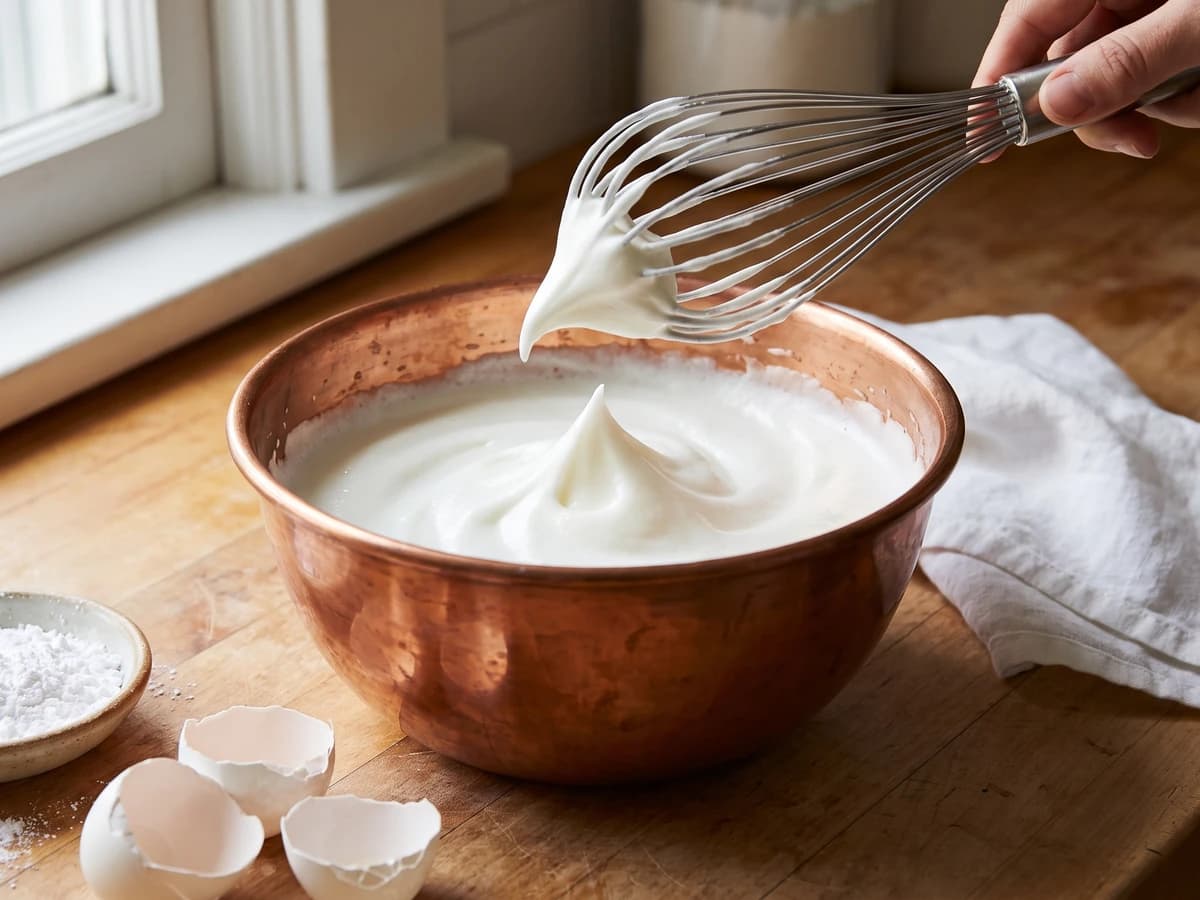
Four whites, one spotless bowl, and a patient change of speed: whisk gently until loosened, then briskly to glossy stiffness, with powdered sugar waiting if the foam begins to granulate.