
Chef Juliette
Various Almond Preparations
Five almond preparations, one discipline: remove the skins cleanly, dry every kernel through, then cut, toast, or cloak it in pale caramel without letting its fragrant oils escape.
A cooking platform built around craft, culture, and the stories behind what we eat.
Created by Chef Juliette
Based on No. 2690, Oranges au Blanc-mange, from Le Guide Culinaire (1907) by Auguste Escoffier
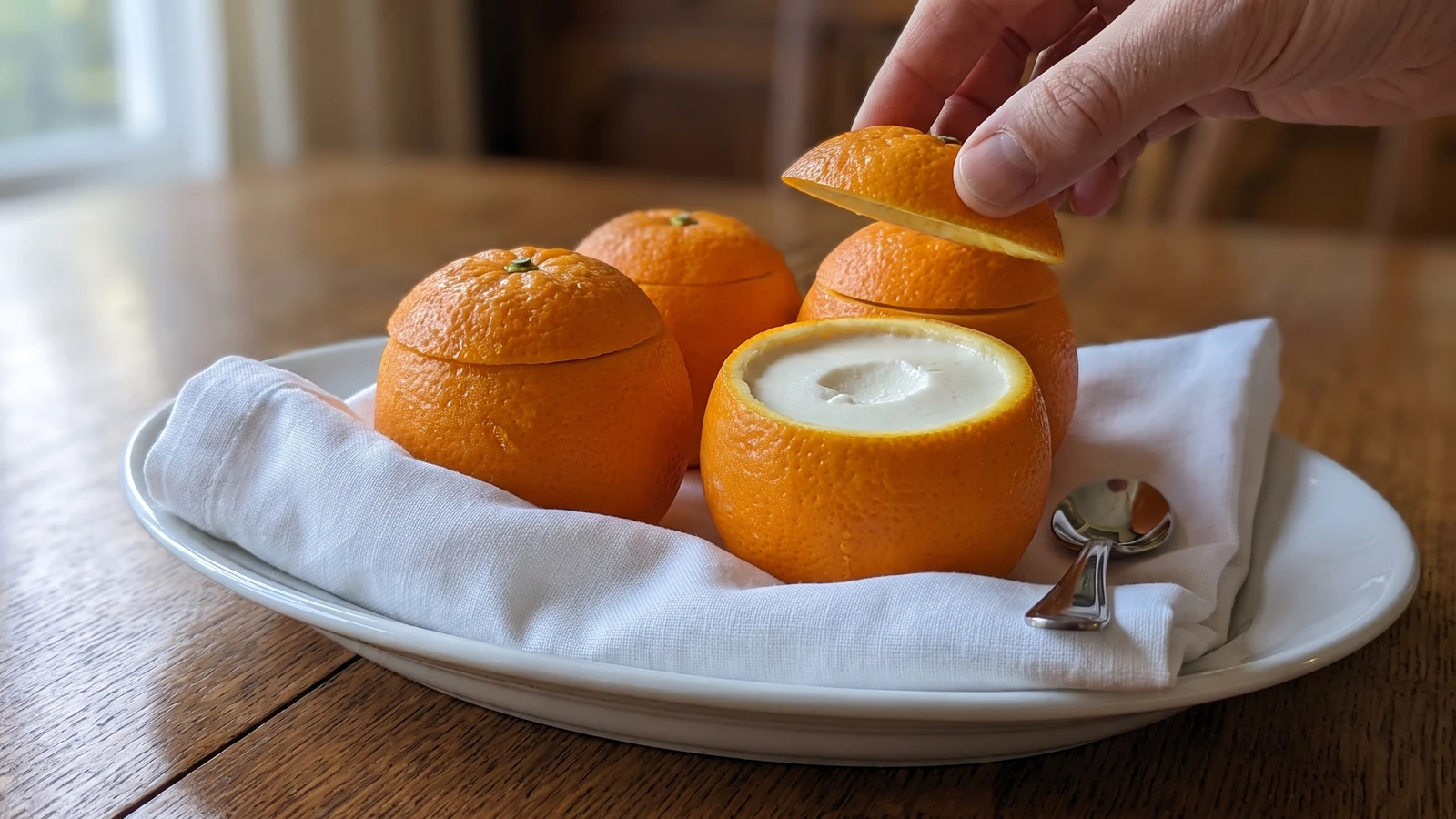
Four bright orange shells hide a snow-white almond blanc-mange, gently set, neatly capped, and served cold. The lesson is simple: preserve the whiteness, then let gelatine do no more than hold it.
Oranges au Blanc-mange teaches restraint through contrast: bright, fragrant citrus cases around a blanc-mange so white, tender, and quietly almond-scented that the first spoonful looks almost impossible. The one true thing is decided before heat: the almonds for French Blanc-mange (No. 2625) must be skinned and soaked until perfectly white before pounding, or the milk comes out grey. Gelatine can set a colour, never correct it.
The source's component recipe assumed a pastry station working from a pound of almonds, hands to skin and pound them, strong cloth and muslin for straining, and a bed of ice for setting a large batch. Tonight, 2 cups of the finished French Blanc-mange (No. 2625), measured while still fluid, fill four oranges; the refrigerator replaces the ice bed, and this entry needs no oiled centre-tube mold because the orange has always been its mold. The large batch and ice were brigade scaffolding. The white almond milk, the gentle gelatine set, and the intact citrus case are the dish.
Keep one spare orange nearby and your nerves disappear. One cook, one stove, one evening, then the dessert waits cold until your guests are ready. The step that matters most is emptying each orange without piercing its white inner lining.
Oranges au blanc-mange belongs to the formal Parisian entremets table rather than to one regional farmhouse kitchen, and it reflects the pastry kitchen's habit of using fruit skins as individual molds. Blanc-mange traveled through many European kitchens, but blanc-mange français in the classical French canon specifically means an almond milk sweet set with gelatine, not merely a vanilla milk pudding. Replacing each lid made the fruit both covered serving vessel and small surprise, a grand-kitchen presentation that passed naturally to the make-ahead bourgeois dinner table.
Quantity
4
scrubbed and dried
Quantity
1
kept as insurance against a punctured shell
Quantity
2 cups (480 ml / about 560 g) French Blanc-mange (No. 2625)
freshly prepared, cool, and still fluid
| Ingredient | Quantity |
|---|---|
| medium, firm navel orangesscrubbed and dried | 4 |
| extra medium orange (optional)kept as insurance against a punctured shell | 1 |
| French Blanc-mangefreshly prepared, cool, and still fluid | 2 cups (480 ml / about 560 g) French Blanc-mange (No. 2625) |
Choose the four oranges that stand most evenly on their flower ends. Set each in a ramekin or the cup of a muffin tin so it cannot roll while you work; don't trim the base flat, because cutting through the peel creates the very leak you are trying to avoid. Match each orange with a small space on the tray where it will remain upright during filling and chilling.
Cut a neat lid from the stem end of each orange, about 3/4 inch (2 cm) deep, and keep every lid beside its matching shell. Slip a grapefruit spoon or small teaspoon between the flesh and the white pith, loosening and lifting out the segments a little at a time. Remove the loose membranes but leave the continuous white lining intact; it supports the rind and guards against leaks. Reserve the fruit and juice for another use.
Turn the empty shells upside down on a clean towel for 10 minutes, then blot their interiors gently. Return them upright to their ramekins or muffin tin and chill for 15 minutes. A cold, dry case helps the blanc-mange begin setting promptly and prevents stray orange juice from marking its white surface.
Stir the cool, still-fluid French Blanc-mange (No. 2625) slowly to make its texture even without beating in bubbles. Pour it into the chilled orange cases, stopping about 1/8 inch (3 mm) below each cut rim. If the blanc-mange has begun setting into lumps, don't force it through the jug. Ça se rattrape: stand its container over barely warm water and stir gently only until fluid again. Never boil it, because excessive heat weakens the gelatine set.
Refrigerate the filled oranges uncovered for 45 minutes, until their surfaces are firm enough not to collect drips, then cover the tray loosely without touching the filling. Chill for at least another 3 hours and 15 minutes. The blanc-mange is ready when it holds still as you tilt the tray but yields softly to a spoon; if it still quivers like liquid, give it another hour in the cold.
Set each reserved orange lid back over its matching shell only after the blanc-mange has fully set. Line a shallow serving dish with a clean, unscented white napkin and nestle the oranges into its folds so they remain upright, exactly as the source intends. Serve well chilled with small spoons, letting each guest lift the lid at the table. À table!
1 serving (about 140g)
Culinary guides, cultural storytelling, and the editorial depth that makes cooking meaningful.
Discover Culinary ExplorerChef Juliette
Five almond preparations, one discipline: remove the skins cleanly, dry every kernel through, then cut, toast, or cloak it in pale caramel without letting its fragrant oils escape.

Chef Juliette
A pastry pantry lesson in one tray: filberts warmed only until their red skins release, rubbed clean, cooled, and chopped into a fragrant mise-en-place for cakes, creams, pralines, and petits fours.

Chef Juliette
The smallest pâtisserie discipline decides whether a cake leaves its mould intact: clarified butter in every corner, followed by the lightest veil of dry flour or fécule.
Chef Juliette
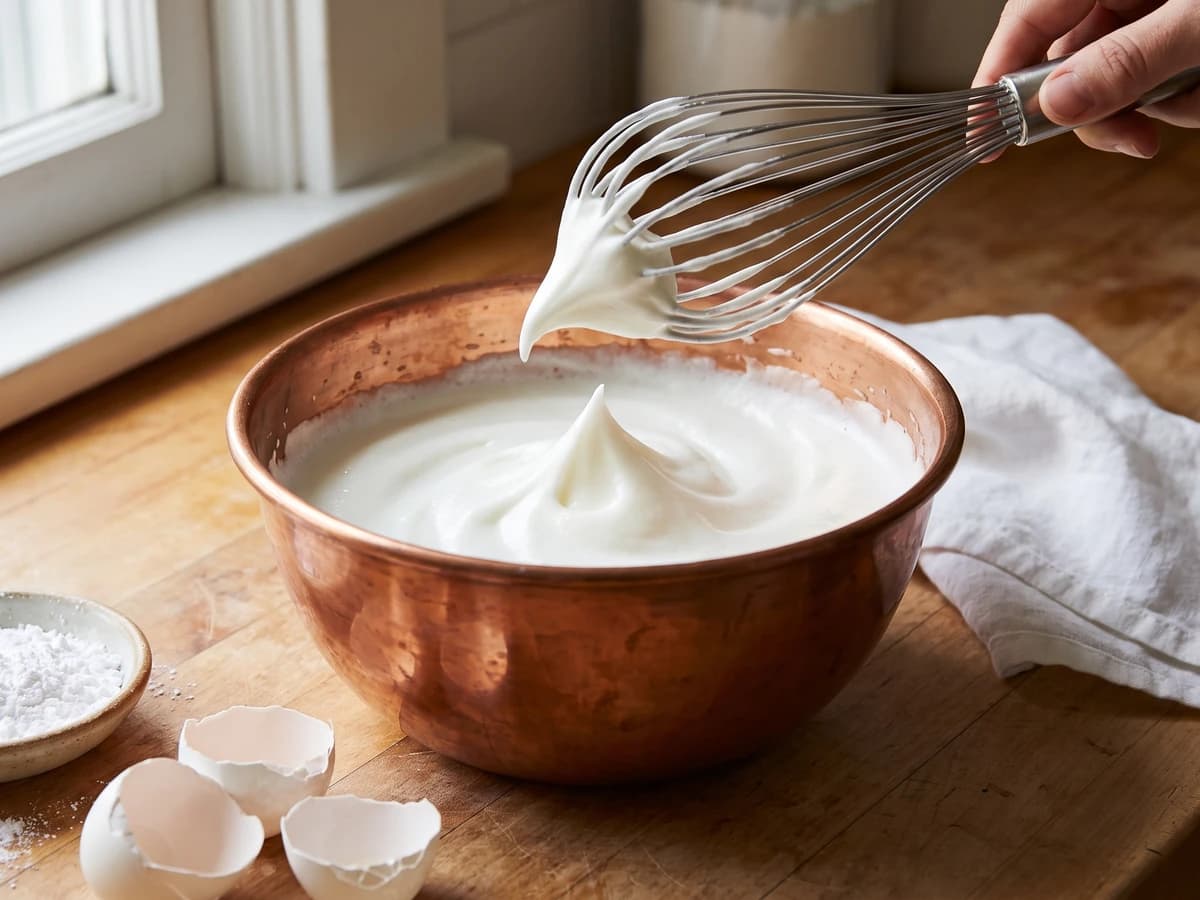
Four whites, one spotless bowl, and a patient change of speed: whisk gently until loosened, then briskly to glossy stiffness, with powdered sugar waiting if the foam begins to granulate.