
Chef Juliette
John Dory (St. Pierre)
John Dory has the delicacy of sole and the firmness of turbot. A light flouring, a quick butter sauté, and nut-brown beurre noisette show exactly why looks never mattered.
A cooking platform built around craft, culture, and the stories behind what we eat.
Created by Chef Juliette
Based on No. 1194, Neck of Veal, from Le Guide Culinaire (1907) by Auguste Escoffier
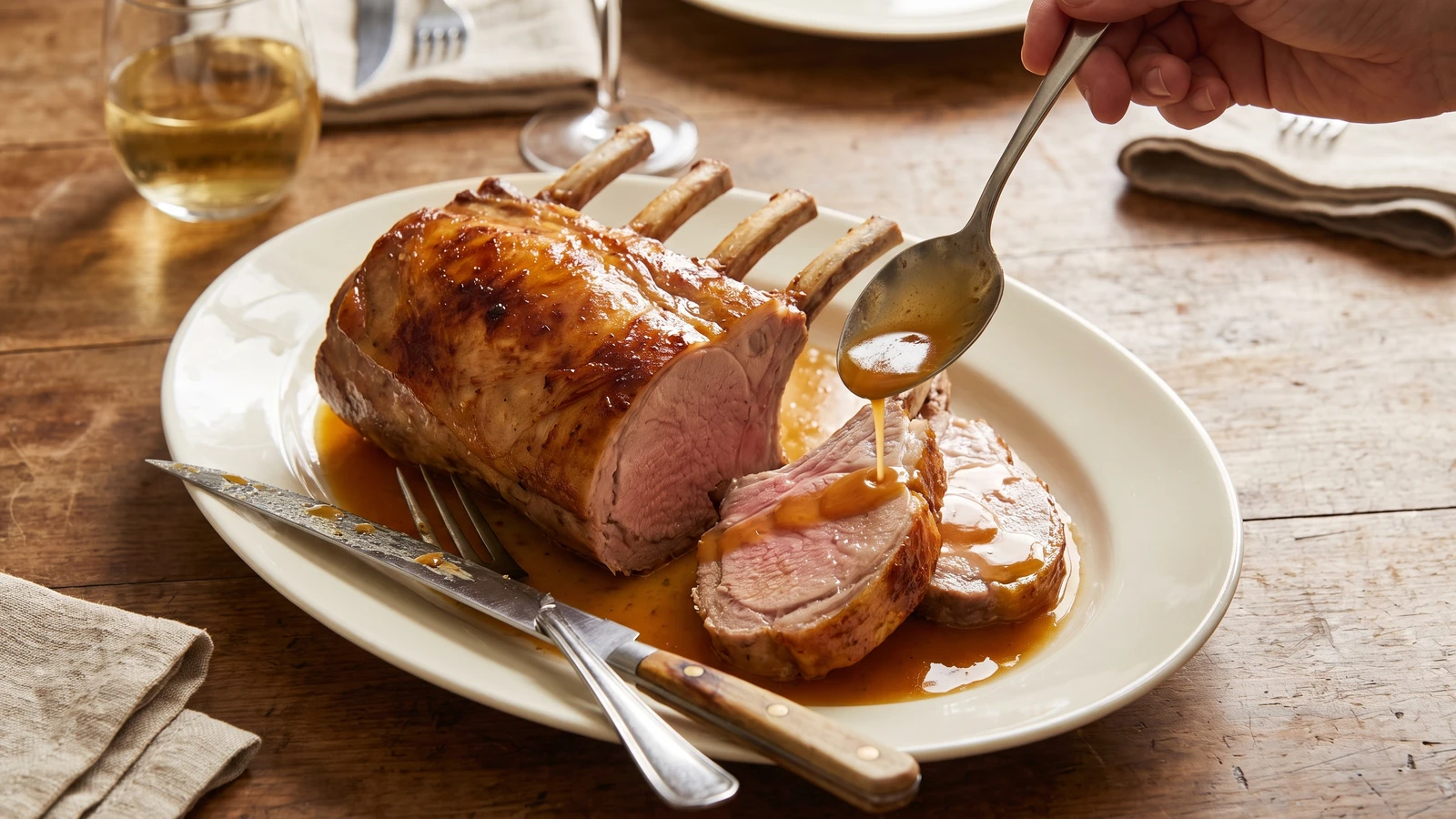
Carré de veau braisé proves that a pale braise can carry deep flavour: bacon-barded veal, gentle stock, patient basting, and a reduced gravy that clings without heaviness.
Carré de veau braisé (braised best end of veal) teaches the quiet side of braising. The one true thing is this: veal needs moisture and basting, not the dark, aggressive treatment given beef. Keep the fond blond, let the stock barely tremble, and the joint stays succulent while its cooking liquor becomes a glossy, clean gravy.
The professional entry assumes an eight or nine-rib joint, a butcher who has already removed the vertebrae and yellow ligament, a stockpot never cold, a saucier tending the gravy, and a salamander ready to color the final glaze. At home, order four ribs, strengthen unsalted chicken stock with a little gelatin when light veal stock isn't available, use a covered cocotte, and finish the joint uncovered high in the oven. The paper frills and brigade scale are scaffolding and can go. Barding, gentle heat, repeated basting, and reduction are the dish, so they stay. One cook, one stove, one evening.
Before the veal meets the pan, make certain the butcher has removed the chine and left the fat cap intact. After that, the basting rhythm decides the result: spoon the liquor over every twenty minutes while covered, then more often as the surface glazes.
At the classical French grand table, carré de veau appeared as a relevé (a substantial joint course), and the best end meant the first eight or nine ribs presented whole before carving. The historical word neck can mislead a modern shopper: this is not the boneless collier cut for stew, but the first ribs, with the vertebrae removed and the rib ends pared into handles. Roasting remained possible, but white-meat braising passed naturally into cuisine bourgeoise because gentle stock protected lean veal and furnished its own incomparable gravy.
Quantity
1 rack, about 4¼ lb (1.9 kg)
chine removed, rib tips bared, yellow ligament trimmed, and fat cap left intact
Quantity
2 teaspoons (10 ml / 12 g)
Quantity
¾ teaspoon (4 ml / 1.5 g)
Quantity
3 tablespoons (45 ml / 42 g)
Quantity
6 thin slices, about 5 oz (140 g)
for barding
Quantity
1½ cups (360 ml / 225 g)
sliced
Quantity
1 cup (240 ml / 130 g)
sliced
Quantity
1 small bouquet
2 parsley sprigs, 1 thyme sprig, and 1 bay leaf
Quantity
3 cups (720 ml / 720 g)
reserve ½ cup for adjusting the braise and gravy
Quantity
2¼ teaspoons (11 ml / 7 g)
use only with chicken stock
Quantity
2 tablespoons (30 ml / 28 g)
diced for finishing the gravy
| Ingredient | Quantity |
|---|---|
| four-rib best end or rack of vealchine removed, rib tips bared, yellow ligament trimmed, and fat cap left intact | 1 rack, about 4¼ lb (1.9 kg) |
| fine sea salt | 2 teaspoons (10 ml / 12 g) |
| freshly ground white pepper | ¾ teaspoon (4 ml / 1.5 g) |
| unsalted butter | 3 tablespoons (45 ml / 42 g) |
| unsmoked streaky baconfor barding | 6 thin slices, about 5 oz (140 g) |
| yellow onionsliced | 1½ cups (360 ml / 225 g) |
| carrotssliced | 1 cup (240 ml / 130 g) |
| bouquet garni2 parsley sprigs, 1 thyme sprig, and 1 bay leaf | 1 small bouquet |
| unsalted light veal stock, or unsalted chicken stockreserve ½ cup for adjusting the braise and gravy | 3 cups (720 ml / 720 g) |
| unflavored powdered gelatin (optional)use only with chicken stock | 2¼ teaspoons (11 ml / 7 g) |
| cold unsalted butterdiced for finishing the gravy | 2 tablespoons (30 ml / 28 g) |
Heat the oven to 325°F (165°C), with a rack in the lower middle. Inspect the veal before you begin: the four ribs should remain joined, the vertebral chine should be gone, and about ⅔ inch (1.5 cm) of each rib tip should be exposed. If the chine remains, let a butcher remove it rather than attacking it with a chef's knife. Pat the carré dry, then season it evenly with the salt and white pepper. If you are using chicken stock, take ¼ cup (60 ml) from it, sprinkle the gelatin over the cold liquid, wait 5 minutes, and warm gently until dissolved before returning it to the remaining stock.
Melt the 3 tablespoons butter in a heavy oval cocotte over medium heat. When its foam subsides, brown the meaty faces and fat cap of the veal for 8 to 10 minutes, turning carefully and keeping the clean rib tips away from direct heat. You want a blond fond and a pale hazelnut crust, not the dark sear used for beef. If the butter begins to spot dark brown, pull the pot from the heat, add a spoonful of stock to stop the coloring, and continue over gentler heat.
Lift the veal onto a board. Add the onion and carrots to the cocotte and cook for 7 to 8 minutes, scraping up the blond fond while keeping the vegetables short of dark browning. Barder (to wrap with bacon) the exposed outer lean and the cleaned bases of the ribs, then secure the slices with three loops of kitchen twine. Set the carré fat-side up on the vegetables, tuck in the bouquet garni, and pour in 2½ cups (600 ml) of stock. The liquid should reach roughly one-third of the way up the meat, not cover it. Lay a parchment circle directly over the joint and close the pot with its lid.
Braise for 75 minutes, opening the pot every 20 minutes to spoon the cooking liquor thoroughly over the veal. The liquid should barely tremble. A hard boil contracts the lean meat and turns the gravy cloudy; if you find one, lower the oven to 300°F (150°C) and add a little reserved stock. Ça se rattrape. Keep the liquid near one-quarter to one-third of the meat's height, adding more stock only when the pot threatens to dry.
When the center of the veal reaches about 140°F (60°C), remove the lid and parchment. Lift off the bacon and leave it among the vegetables, where it can continue seasoning the liquor. Raise the oven to 375°F (190°C), move the cocotte to the upper third, and cook uncovered for another 25 to 35 minutes. Baste every 6 to 8 minutes until the surface wears a glossy butter-gold glaze and the thickest meat away from the bone reaches 155°F (68°C). If the surface colors before the center is ready, cover the meat loosely with foil while leaving the surrounding liquor exposed.
Transfer the carré to a warm platter, remove the twine, and cover it loosely with foil for 20 minutes. Resting lets the juices settle through the joint instead of running onto the carving board. The temperature will rise slightly, and the meat will remain moist enough to take the gravy rather than surrender to it.
While the veal rests, strain the braising liquor into a saucepan without pressing the spent vegetables, then skim away the surface fat. Boil steadily until reduced to about 1¼ cups (300 ml) and nappant (able to coat the back of a spoon). Taste only near the end, because reduction concentrates salt. If it becomes too intense, loosen it with reserved unsalted stock. Remove the pan from the heat and monter au beurre (finish by whisking in cold butter), adding the diced butter a few pieces at a time until the gravy gleams. If the butter separates into an oily rim, begin with a teaspoon of cold stock in a clean saucepan and whisk in the broken gravy one spoonful at a time.
Carve straight down between the ribs to make four thick cutlets. Arrange them on the warm platter with their bare handles showing, spoon enough gravy around the meat to pool beneath it, and send the remainder to the table in a warm sauceboat. Paper frills improve nothing about supper. Serve at once. À table!
1 serving (about 415g)
Culinary guides, cultural storytelling, and the editorial depth that makes cooking meaningful.
Discover Culinary ExplorerChef Juliette
John Dory has the delicacy of sole and the firmness of turbot. A light flouring, a quick butter sauté, and nut-brown beurre noisette show exactly why looks never mattered.

Chef Juliette
Fresh haddock proves its delicacy in the meunière pan: a fine flour crust, moist pearly flakes, and beurre noisette sharpened with lemon and parsley, ready from one skillet in half an hour.
Chef Juliette
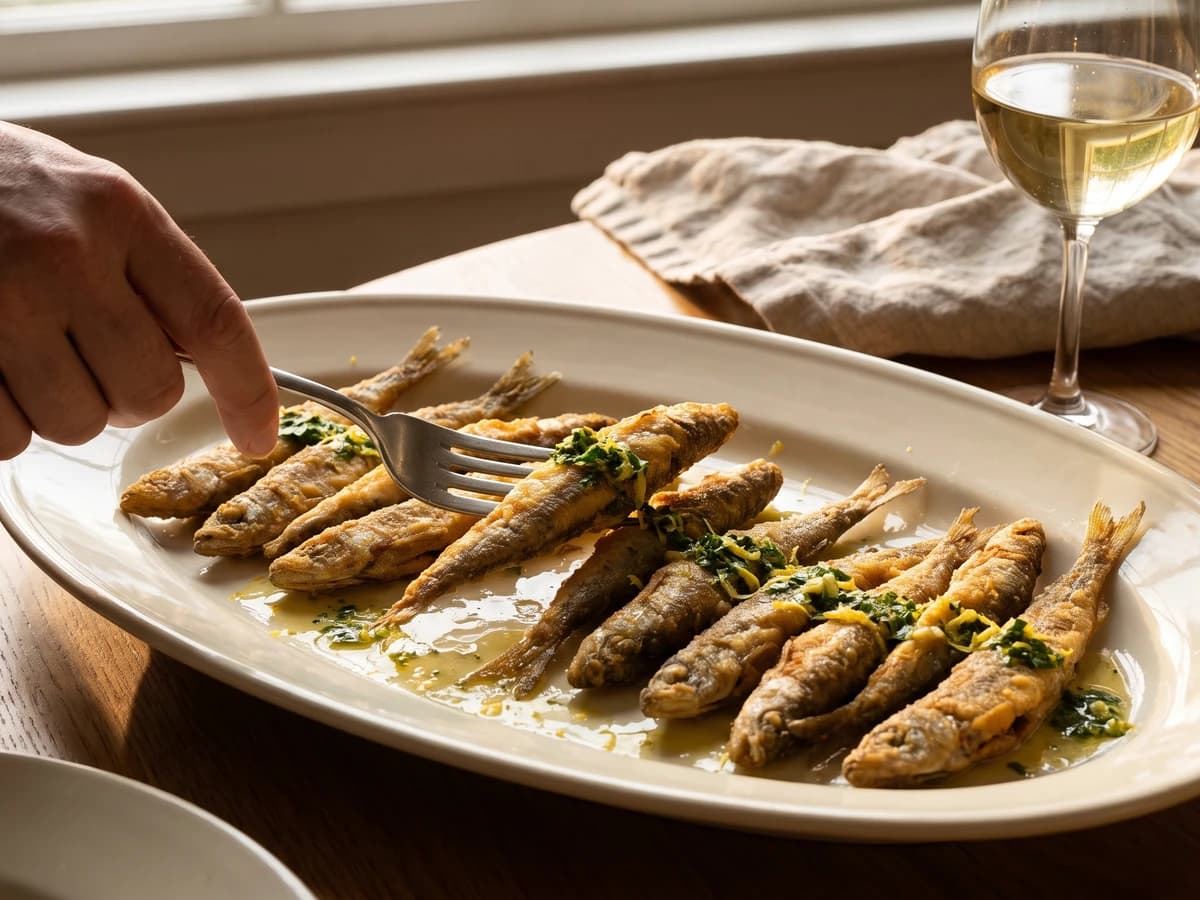
Éperlans à l’Anglaise turns small fish into a lesson in disciplined coating: boned smelts under a close, crisp crumb, pan-fried in clarified butter and finished with bright, half-melted maître d’hôtel butter.

Chef Juliette
Tiny smelts, shallot, mushrooms, white wine, gratin sauce, and fine bread raspings meet a fierce oven, where the fish must turn tender in the same breath the buttered crust bronzes.