Chef Graziella
Farinata Genovese
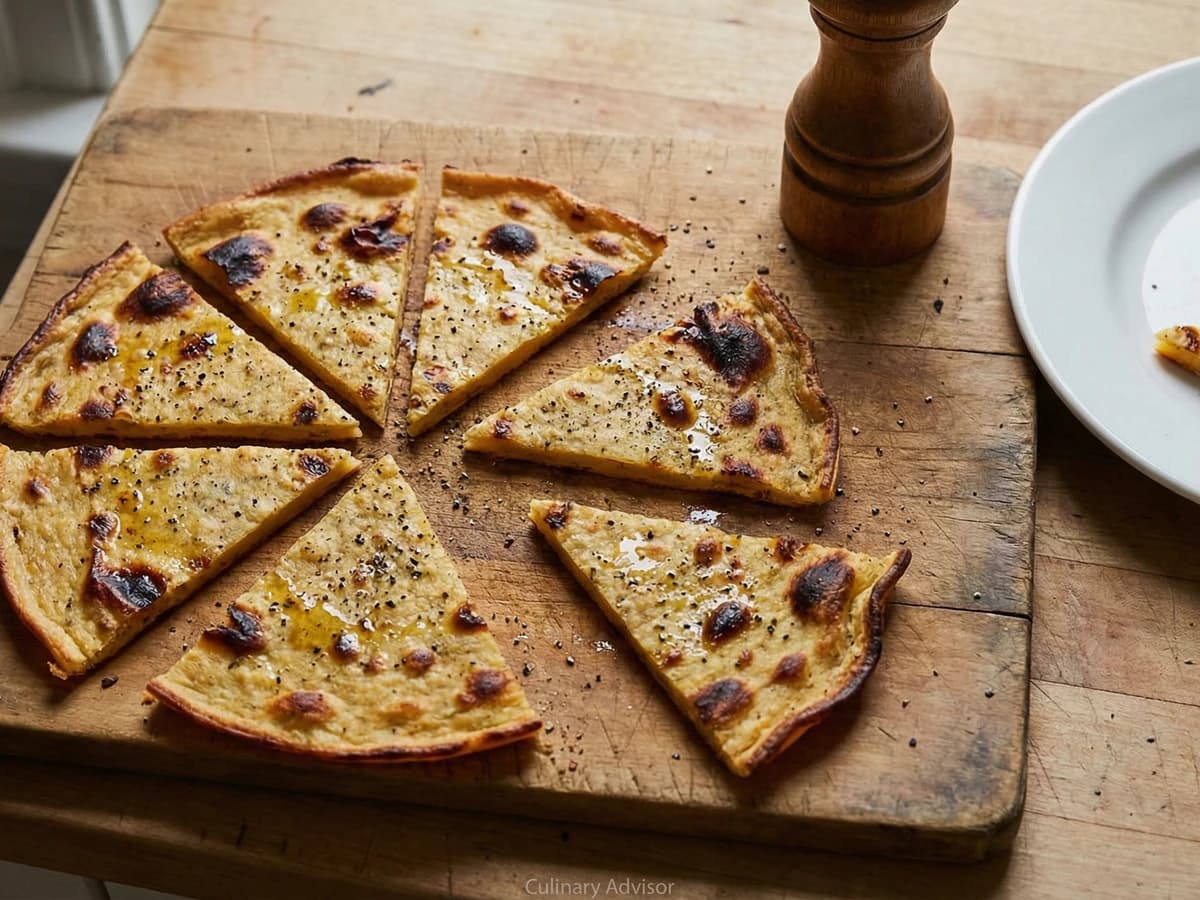
Genoa's ancient chickpea flatbread, golden and blistered from a fierce oven, crisp at the edges and creamy within. Four ingredients. No room to hide.
A cooking platform built around craft, culture, and the stories behind what we eat.
Created by
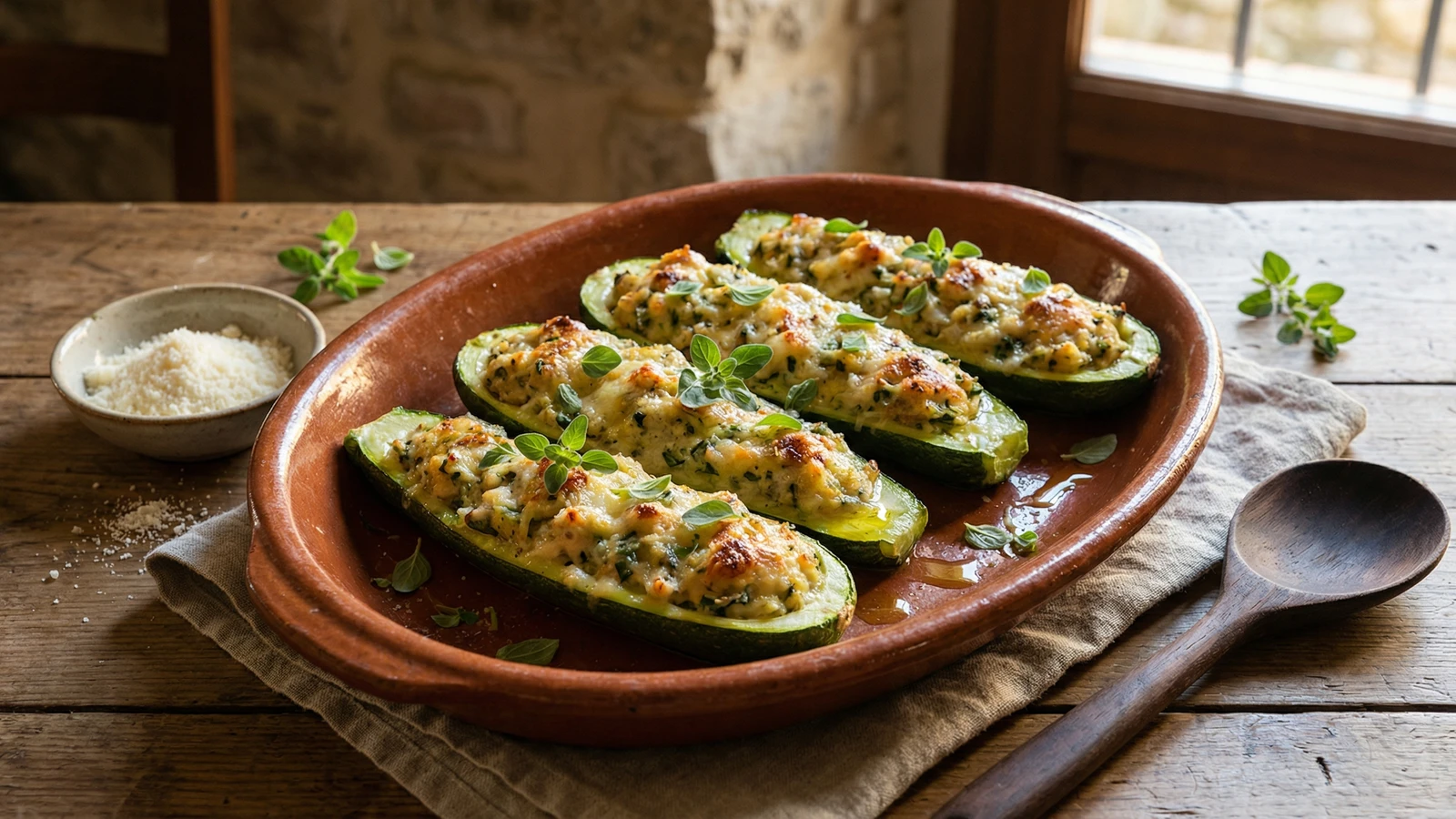
Hollowed zucchini filled with their own flesh, bound with egg and Parmigiano, perfumed with Liguria's beloved marjoram. Garden frugality transformed into something refined.
This is how Ligurian cooks think: nothing wasted, nothing excessive, every ingredient earning its place. You hollow out zucchini, then use the scooped flesh as the foundation of the filling. The vegetable provides both vessel and content. What you add is restraint itself: an egg for binding, Parmigiano for depth, marjoram for the perfume that defines Ligurian cooking.
Marjoram is not oregano. Americans confuse them constantly. Marjoram is softer, sweeter, with none of oregano's aggressive bite. It is the herb of the Ligurian coast, used where other regions might reach for basil or rosemary. In this dish, it transforms a simple stuffed vegetable into something distinctly of its place.
Seek out smaller zucchini, no longer than your hand. The giants that Americans grow are watery and bland. Young zucchini have tender skin, sweet flesh, and small seeds. They are worth finding. This dish depends on them.
Stuffed vegetables appear throughout Mediterranean cooking, but the Ligurian version distinguishes itself through marjoram and the region's famous restraint. Ligurian cuisine evolved from necessity along a narrow coastal strip where arable land was scarce. Cooks learned to stretch ingredients, using vegetable trimmings and stale bread in ways that wealthier regions never needed to consider. Zucchine ripiene embodies this philosophy: the vegetable contains its own stuffing.
Quantity
6 (about 6-7 inches long)
Quantity
3 tablespoons, plus more for drizzling
Quantity
1 small
minced fine
Quantity
1
beaten
Quantity
1/2 cup, plus more for topping
freshly grated
Quantity
3 tablespoons
chopped
Quantity
1/4 cup
Quantity
1 small
minced very fine
Quantity
to taste
Quantity
to taste
freshly ground
Quantity
1/4 cup
| Ingredient | Quantity |
|---|---|
| medium zucchini | 6 (about 6-7 inches long) |
| extra virgin olive oil | 3 tablespoons, plus more for drizzling |
| yellow onionminced fine | 1 small |
| large eggbeaten | 1 |
| Parmigiano-Reggianofreshly grated | 1/2 cup, plus more for topping |
| fresh marjoram leaveschopped | 3 tablespoons |
| fresh breadcrumbs | 1/4 cup |
| garlic cloveminced very fine | 1 small |
| kosher salt | to taste |
| black pepperfreshly ground | to taste |
| dry white wine | 1/4 cup |
Wash the zucchini and trim the ends. Cut each in half lengthwise. Using a small spoon or melon baller, scoop out the flesh, leaving a shell about one-quarter inch thick. You must work carefully here. Too thin and the boats collapse. Too thick and the ratio of filling to vegetable becomes wrong. Reserve all the scooped flesh. Chop it fine and set aside.
Sprinkle the inside of each zucchini shell lightly with salt. Arrange them cut-side down on a clean kitchen towel for 20 minutes. The salt draws out moisture, which prevents the filling from becoming soggy. This step is not optional.
Warm two tablespoons of olive oil in a skillet over medium heat. Add the minced onion and cook slowly until completely soft and pale gold, about 8 minutes. Add the garlic and cook 30 seconds more, no longer. The garlic must not brown. Add the reserved chopped zucchini flesh and a pinch of salt. Cook, stirring occasionally, until the zucchini has released its moisture and the pan is nearly dry, about 10 minutes. Transfer to a bowl and let cool for 5 minutes.
To the cooled zucchini mixture, add the beaten egg, Parmigiano-Reggiano, marjoram, and breadcrumbs. Mix thoroughly with a fork until combined. The mixture should hold together when pressed. Season with pepper and taste for salt. The cheese is salty, so proceed with restraint.
Preheat the oven to 375°F (190°C). Pat the zucchini shells dry with paper towels. Arrange them cut-side up in a baking dish where they fit snugly in a single layer. Divide the filling among the shells, mounding it slightly. Do not pack it too tightly or the filling becomes dense.
Drizzle the remaining tablespoon of olive oil over the filled zucchini. Scatter additional Parmigiano over the tops. Pour the white wine into the bottom of the baking dish. This creates steam that helps cook the zucchini evenly while keeping them moist. Bake until the filling is golden and the zucchini shells are tender when pierced with a knife, 30 to 35 minutes.
Let the zucchini rest in the dish for 5 minutes before serving. They may be served warm or at room temperature, which is how Ligurian cooks often present them in summer. The flavor deepens as they cool slightly.
1 serving (about 220g)
Culinary guides, cultural storytelling, and the editorial depth that makes cooking meaningful.
Discover Culinary ExplorerChef Graziella
Genoa's ancient chickpea flatbread, golden and blistered from a fierce oven, crisp at the edges and creamy within. Four ingredients. No room to hide.
Chef Graziella
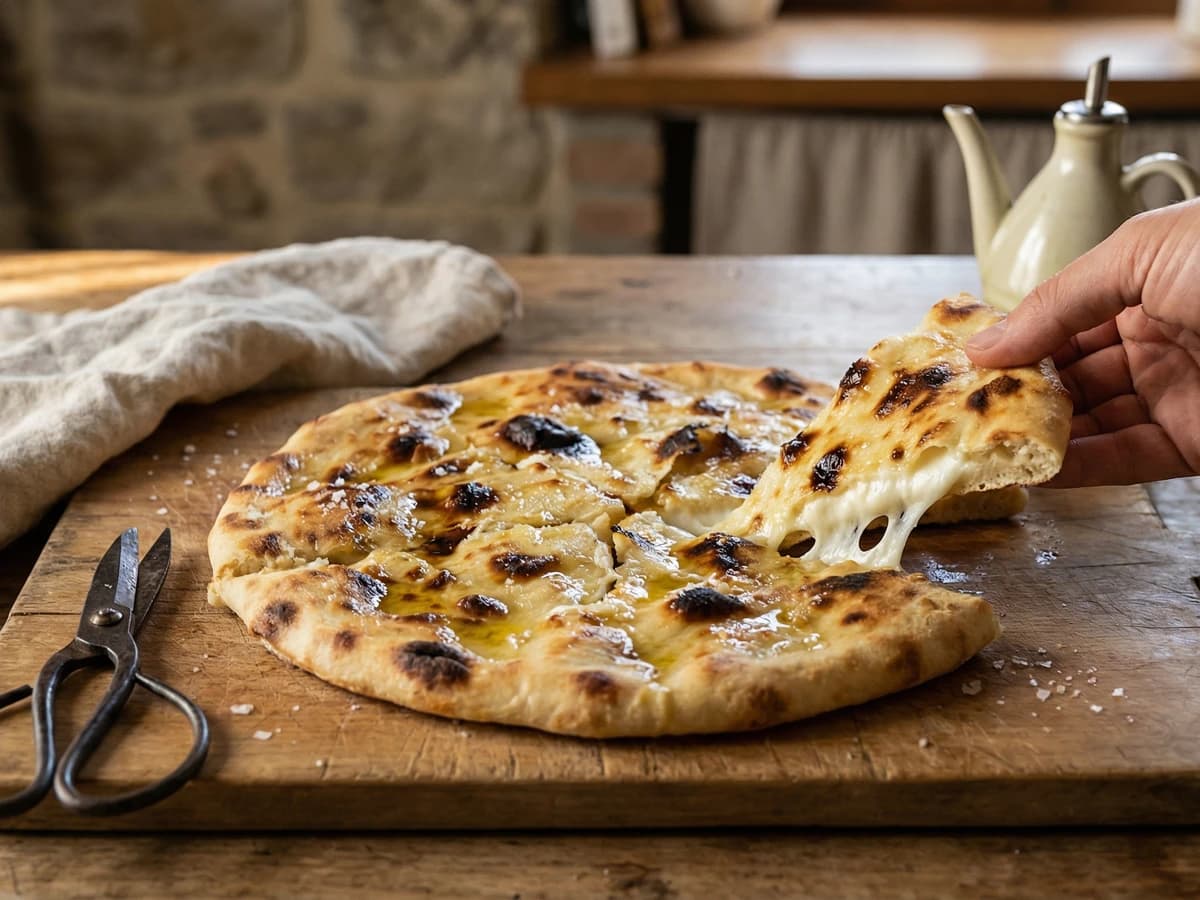
The cheese-filled flatbread of Recco, where two sheets of dough stretched thin as parchment encase rivers of molten stracchino. This is not focaccia as you know it. This is something older and more demanding.

Chef Juliette
Tiny éperlans, lightly floured and fried until their tails stand crisp, arrive in a generous heap on a napkin with fried parsley and grooved lemon, a weeknight lesson in heat and restraint.

Chef Juliette
Brandade de Morue turns salt cod, warm olive oil, and milk into a pale, silky emulsion: keep everything warm and add the oil slowly, then crown the generous dome with butter-fried bread.