
Chef Makoa
Mā Molū (Tongan Soft Bread)
Tonga's mā molū is soft trader's-wheat bread made for tearing, not slicing, warm from the loaf with butter and jam, kin to the everyday wheat breads now sitting beside talo, ʻufi, mei, and lū.
A cooking platform built around craft, culture, and the stories behind what we eat.
Created by
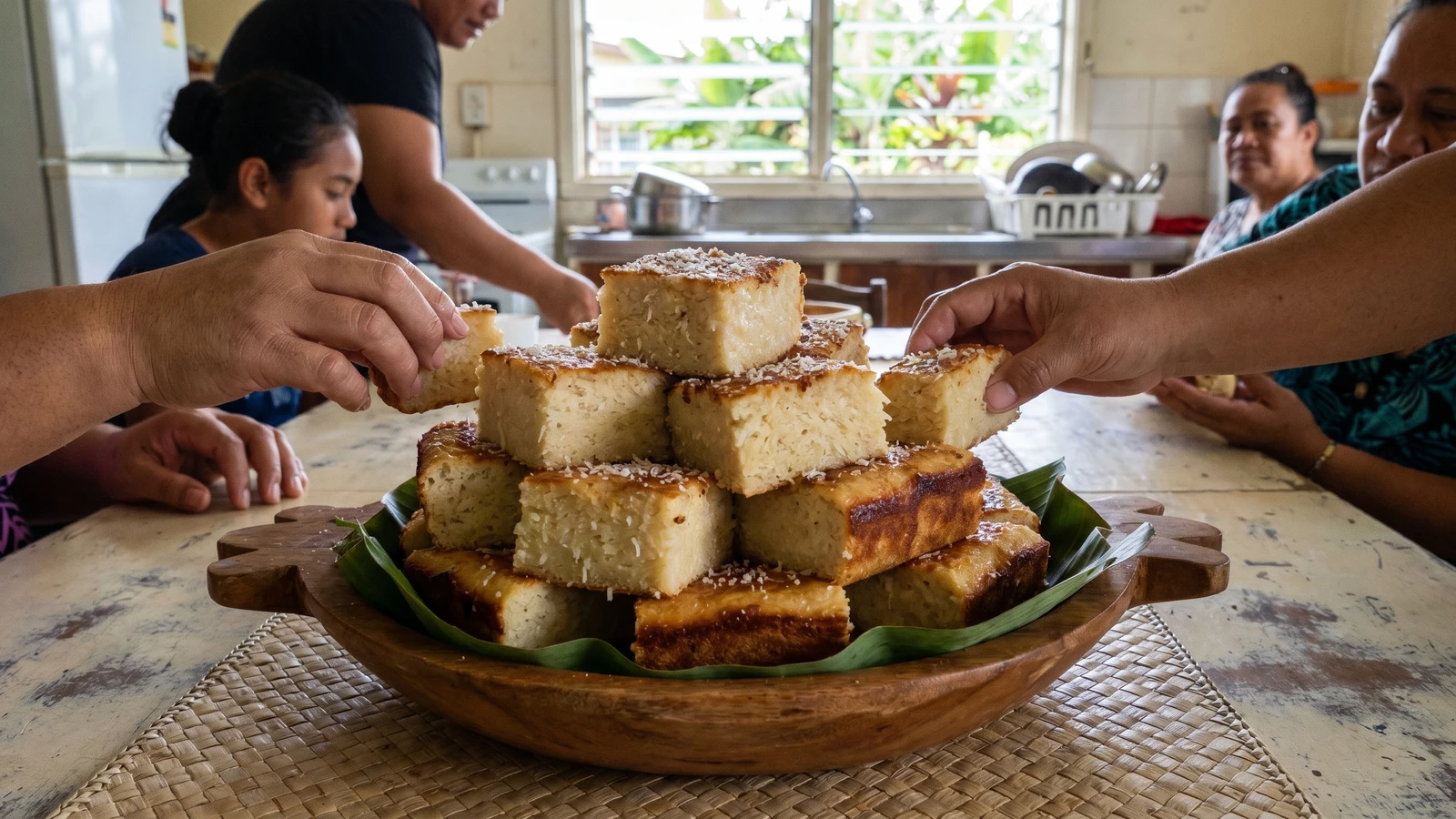
Tonga's touʻkutu takes manioke, cassava, and lolo, thick coconut cream, and bakes them into a golden, tender bread for Sunday morning, special tables, and quiet comfort.
The Tongan table taught me that kinship can be quiet as breakfast after church. A kāinga, an extended family, sits close, the fonua, the land, still under everybody's fingernails, and somebody's auntie brings out touʻkutu, coconut bread made from manioke, cassava, and lolo, thick coconut cream. This is Tonga's hand. I cook it open-handed, and the deeper family ways tied to faʻalavelave, the obligations of births, funerals, weddings, and feasts, I send you to Tongan elders for.
Manioke is not the ancient canoe root like talo, kalo, ʻulu, or mei. It came later, and Tonga still made room for it, because keeper, not gatekeeper means watching how the islands actually feed their people now. The old pattern is older than cassava: starch, coconut, patient heat, the same comfort that makes Hawaiian kūlolo with kalo, Tahitian poʻe with fruit and starch under coconut, and Cook Islands poke with banana or cassava. One ocean, one canoe, one root, and sometimes a later root adopted into the house.
For this one, grate fine, squeeze off the hard wetness, fold with fresh lolo if you can, then bake until the sides go caramel-gold and the center sets with a spring, not a raw bite. No need make it precious. If fresh coconut cream is too far away, use a good can; if fresh manioke isn't safe or easy, frozen grated cassava will feed the table. Eat what you have, but cook it all the way through. No blame the manioke if you rushed it.
Cassava, called manioke in Tonga, is a South American root that entered the Pacific after European contact and became important in Tonga during the nineteenth and twentieth centuries because it grew hardily beside older canoe crops like talo, ʻufi, and mei. Touʻkutu belongs to that post-contact household table: coconut cream from an older Oceanic food grammar, cassava from later trade, and home baking shaped by church-Sunday life. It sits near Tonga's sweet foods like faikakai, starch dumplings under lolo caramel, and mā, soft bread, showing how later foods were made to serve the older duty of feeding the kāinga.
Quantity
2 pounds
peeled, woody core removed, finely grated, or use 2 pounds thawed frozen grated cassava
Quantity
1 1/2 cups plus 2 tablespoons
preferably fresh squeezed
Quantity
2/3 cup
packed
Quantity
1/2 cup plus 2 tablespoons
2 tablespoons reserved for the top
Quantity
1/4 cup
plus more for the pan
Quantity
2 teaspoons
Quantity
1 teaspoon
| Ingredient | Quantity |
|---|---|
| fresh sweet cassava (manioke)peeled, woody core removed, finely grated, or use 2 pounds thawed frozen grated cassava | 2 pounds |
| thick coconut cream (lolo)preferably fresh squeezed | 1 1/2 cups plus 2 tablespoons |
| dark brown sugar or raw sugarpacked | 2/3 cup |
| finely grated mature coconut (optional)2 tablespoons reserved for the top | 1/2 cup plus 2 tablespoons |
| melted coconut oil or unsalted butterplus more for the pan | 1/4 cup |
| baking powder (optional) | 2 teaspoons |
| fine sea salt | 1 teaspoon |
Heat the oven to 350F. Lightly oil a 9 by 13 inch pan and line it with banana leaf if you have it, or parchment if you don't, leaving enough overhang to lift the bread. The leaf gives a clean green smell, but the bread still knows what it is without it.
Use sweet cassava only. Peel thickly through the waxy bark and the pinkish layer, split it lengthwise, lift out the woody cord, and grate it fine. If any root smells sharply bitter or shows blue-black streaks, don't argue with it; discard it. Raw cassava is not food yet. It becomes food after peeling, grating, and a full bake.
Wrap the grated manioke in a clean kitchen towel or nut-milk bag and squeeze until the heavy dripping slows. Discard the liquid. The cassava should clump in your hand like wet sand, not pour like batter and not crumble like dry coconut.
In a wide bowl, stir the lolo, sugar, melted coconut oil or butter, salt, and baking powder if you're using it. Fold in the grated manioke and the grated coconut until everything is evenly wet and thick. It should look heavy and humble, more like a wet root batter than a wheat dough.
Spread the batter into the lined pan and press it level, all the way into the corners. Brush the top with the extra lolo and scatter on the reserved grated coconut if using. Bake 60 to 75 minutes, until the edges are caramel-gold, the top has a coconut sheen, and a skewer from the center comes out with moist crumbs, not milky paste.
Let the touʻkutu rest at least 20 minutes so the starch settles and the slices cut clean. Lift it from the pan, cut into thick squares, and serve warm or at room temperature with tea, coffee, or the rest of the Sunday spread. This is not a precious little slice. Put enough out for the cousins who said they weren't hungry.
1 serving (about 150g)
Culinary guides, cultural storytelling, and the editorial depth that makes cooking meaningful.
Discover Culinary ExplorerChef Makoa
Tonga's mā molū is soft trader's-wheat bread made for tearing, not slicing, warm from the loaf with butter and jam, kin to the everyday wheat breads now sitting beside talo, ʻufi, mei, and lū.

Chef Makoa
Tonga's weekday tōpai, soft flour dumplings boiled plain and eaten warm with butter, jam, or sugar. Humble food, budget food, the breakfast cousin of faikakai tōpai.
Chef Juliette
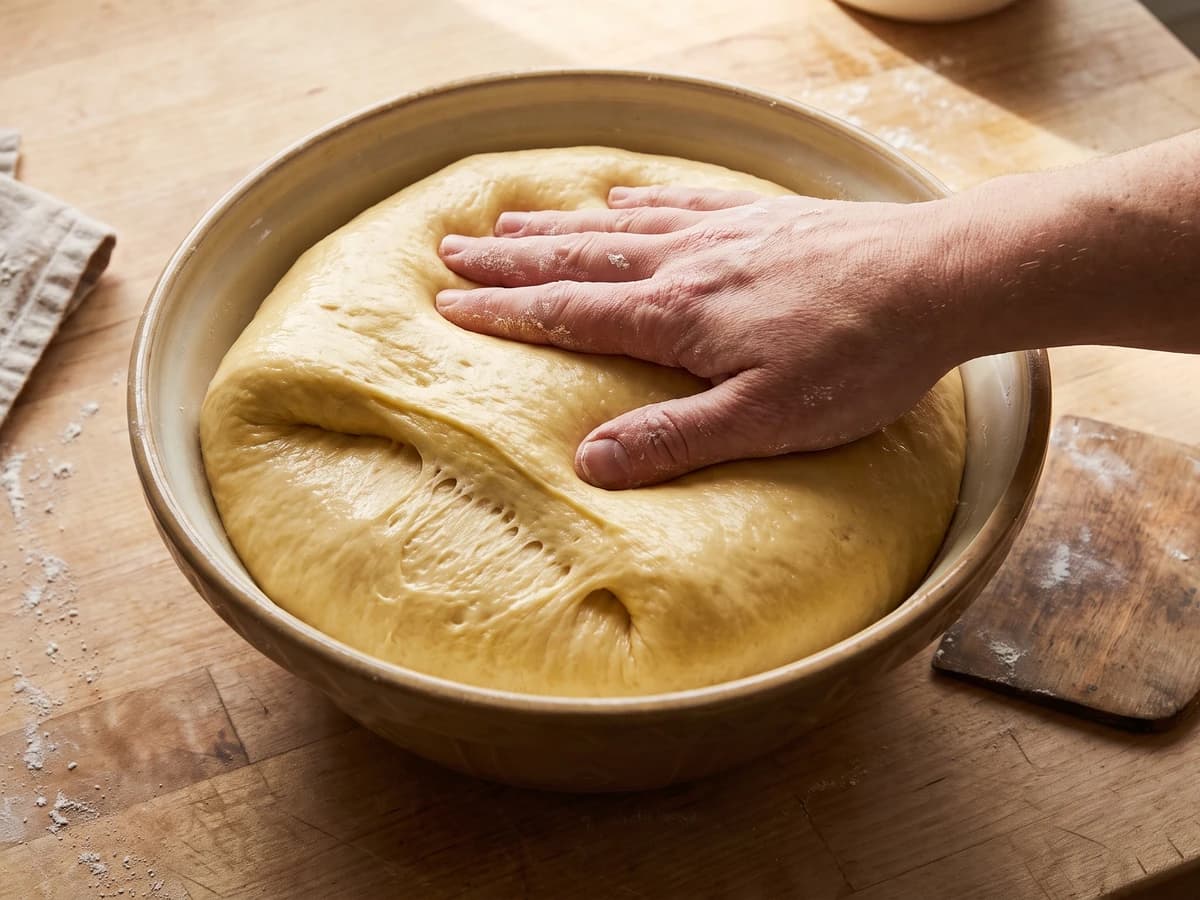
Pâte à brioche ordinaire teaches enriched dough properly: wake the leaven, build strength before the last egg, then work in pliable butter by stages and let one long fermentation do its quiet work.

Chef Juliette
Ordinary brioche takes one exact measure of butter and a patient rise in the mould, becoming so light and silken that it can cradle fruit without losing its tender crumb.