
Chef Makoa
Mā Molū (Tongan Soft Bread)
Tonga's mā molū is soft trader's-wheat bread made for tearing, not slicing, warm from the loaf with butter and jam, kin to the everyday wheat breads now sitting beside talo, ʻufi, mei, and lū.
A cooking platform built around craft, culture, and the stories behind what we eat.
Created by
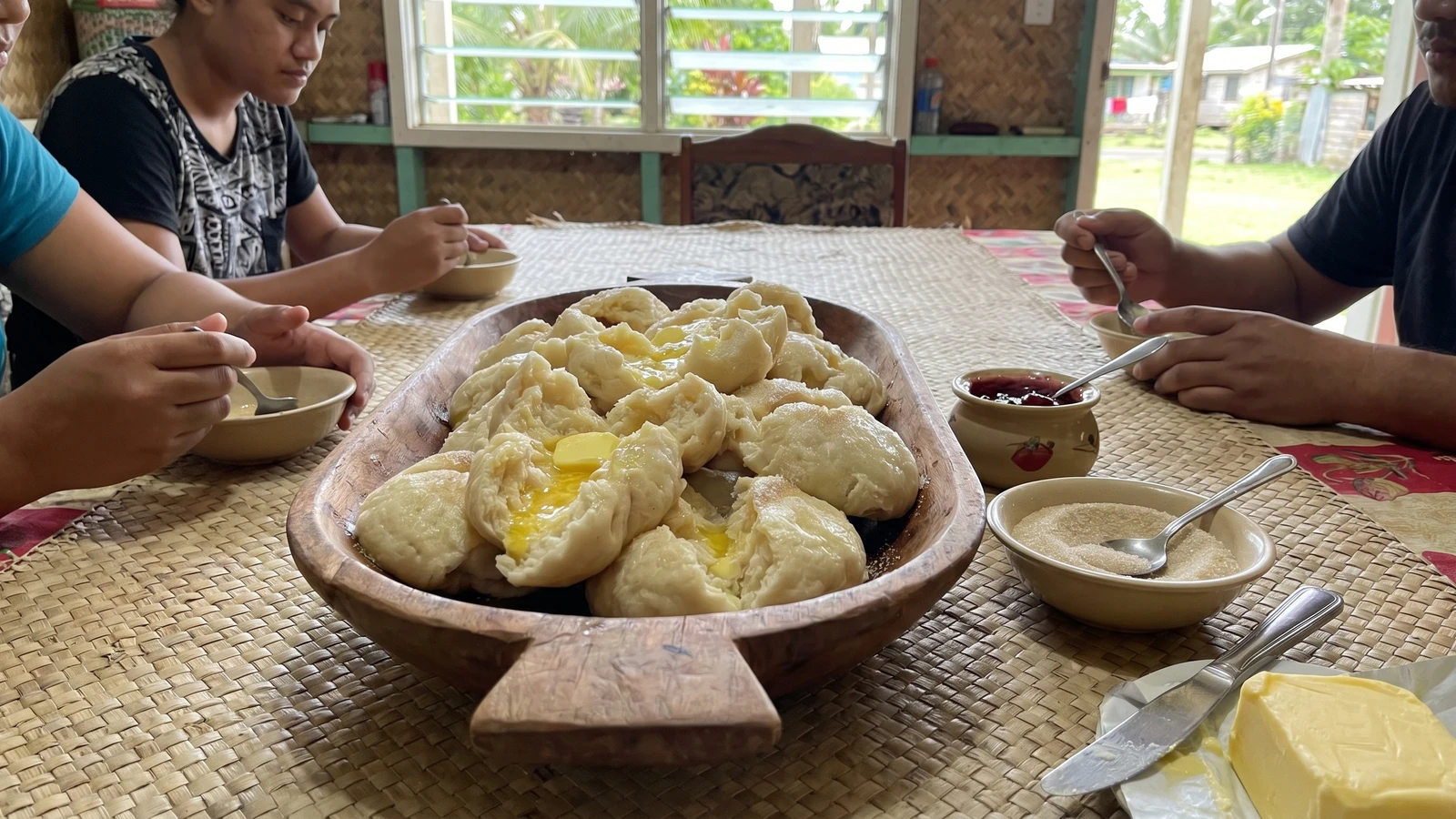
Tonga's weekday tōpai, soft flour dumplings boiled plain and eaten warm with butter, jam, or sugar. Humble food, budget food, the breakfast cousin of faikakai tōpai.
The cousins in Tonga taught me that not every food has to carry the deep ceremony to carry love. Some foods just sit on the morning table, soft and plain, with the kettle going and the kāinga, the family, reaching for butter and jam before the day starts. This is Tongan tōpai, boiled flour dumplings, and I cook it open-handed because this is not my home island. For the old half-day hand-work of faikakai tōpai, and the way a Tongan grandmother knows the dough by feel before anybody writes it down, go sit with her if she'll have you. That's her story to tell.
Tōpai belongs to Tonga's post-contact wheat table, not the older canoe-crop table of talo, ʻulu, yam, coconut, and fish. Still, no look down on it. The islands eat what history put in the pantry and what the family can afford on a weekday. Flour came by trader and mission, then got folded into church tables, school mornings, and the soft breads and sweets of the feast. Eat what you have. That's old wisdom too.
The dough should be tender but not loose, dropped into simmering water and left alone until the dumplings swell and cook through. No need make it fancy. Butter melts into the torn top, sugar catches on the warm surface, jam sits bright against the plain dough. If you want the sweet feast cousin, you move toward faikakai tōpai, dumplings under dark lolo, coconut-caramel sauce. Same family, different morning.
Tōpai is part of Tonga's post-contact wheat cooking, shaped after imported flour became common through mission, trade, and colonial-era food routes in the nineteenth and twentieth centuries. Its sweeter cousin, faikakai tōpai, sets boiled dumplings under lolo, a coconut and sugar sauce, and often belongs to the Sunday or feast table, while plain breakfast tōpai stays closer to the weekday kitchen. That line matters in Polynesian foodways: talo, ʻulu, yam, coconut, and the umu are deep food from the canoe world, while flour breads and dumplings show how island families made new pantry foods their own.
Quantity
2 cups
plus more if needed
Quantity
2 teaspoons
Quantity
1/2 teaspoon
Quantity
1 tablespoon
Quantity
3/4 cup, plus 1 to 3 tablespoons more as needed
Quantity
2 tablespoons
for serving
Quantity
for serving
Quantity
for serving
| Ingredient | Quantity |
|---|---|
| all-purpose flourplus more if needed | 2 cups |
| baking powder | 2 teaspoons |
| fine sea salt | 1/2 teaspoon |
| granulated sugar (optional) | 1 tablespoon |
| water | 3/4 cup, plus 1 to 3 tablespoons more as needed |
| unsalted butter (optional)for serving | 2 tablespoons |
| jam (optional) | for serving |
| granulated sugar (optional) | for serving |
Bring a wide pot of water to a steady simmer while you make the dough. In a bowl, stir the flour, baking powder, salt, and the spoon of sugar if you want a softer breakfast sweetness. This is plain Tongan weekday food, so keep your hand easy.
Pour in 3/4 cup water and stir until a soft, shaggy dough comes together. It should hold on a spoon without running, but it shouldn't be stiff like bread dough. If dry flour sits at the bottom, add water a tablespoon at a time. If it goes sticky and slack, dust in a little flour.
Wet two spoons, scoop rough walnut-size pieces of dough, and drop them into the simmering water. Keep the water moving gently, not boiling wild, so the dumplings cook through without breaking apart. Work in batches if the pot is crowded.
Simmer 12 to 15 minutes, turning the dumplings once or twice, until they swell, float, and feel springy when pressed with a spoon. Tear one open to check. The middle should be soft and bready, with no wet flour line. No blame the tōpai if the center is raw; give it more time.
Lift the tōpai out with a slotted spoon and let the water fall away. Serve warm, torn open with butter melting into the crumb, or with jam and sugar at the table so every person fixes their own. That's the good part of plain food. It leaves room for everybody's hand.
1 serving (about 160g)
Culinary guides, cultural storytelling, and the editorial depth that makes cooking meaningful.
Discover Culinary ExplorerChef Makoa
Tonga's mā molū is soft trader's-wheat bread made for tearing, not slicing, warm from the loaf with butter and jam, kin to the everyday wheat breads now sitting beside talo, ʻufi, mei, and lū.
Chef Makoa
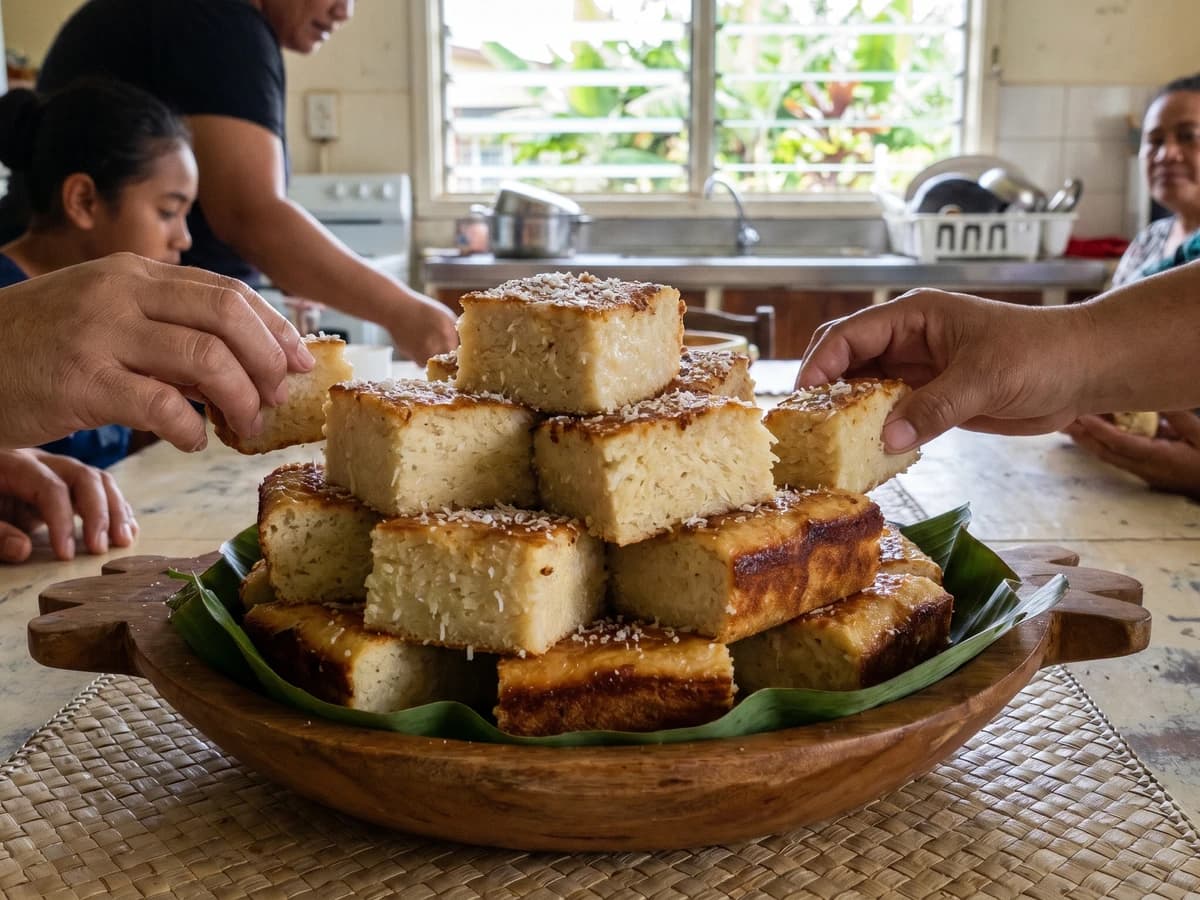
Tonga's touʻkutu takes manioke, cassava, and lolo, thick coconut cream, and bakes them into a golden, tender bread for Sunday morning, special tables, and quiet comfort.
Chef Juliette
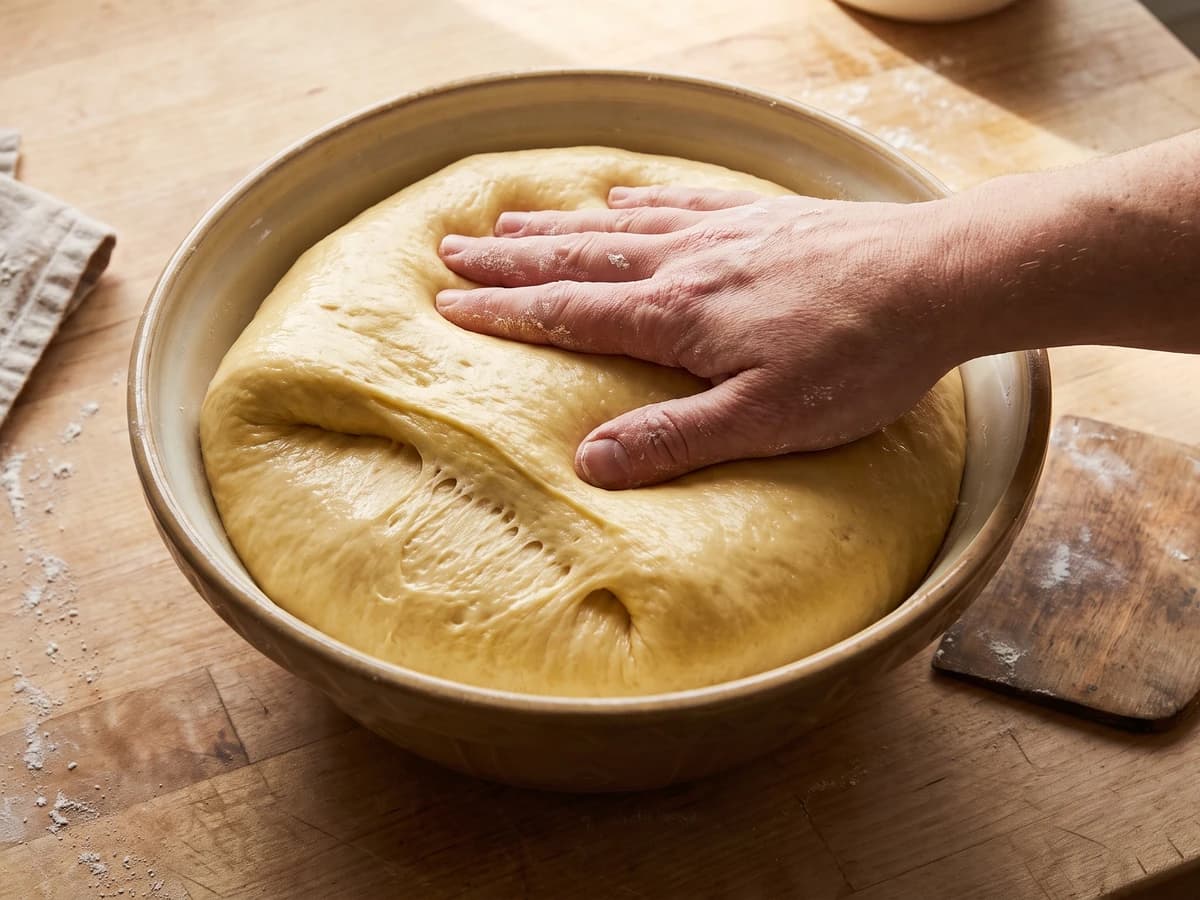
Pâte à brioche ordinaire teaches enriched dough properly: wake the leaven, build strength before the last egg, then work in pliable butter by stages and let one long fermentation do its quiet work.

Chef Juliette
Ordinary brioche takes one exact measure of butter and a patient rise in the mould, becoming so light and silken that it can cradle fruit without losing its tender crumb.