
Chef Graziella
Bonet Piemontese
The chocolate custard of Piedmont, dense with cocoa and crushed amaretti, crowned with bitter caramel. This is the dessert your Torinese grandmother made for feast days.
A cooking platform built around craft, culture, and the stories behind what we eat.
Created by
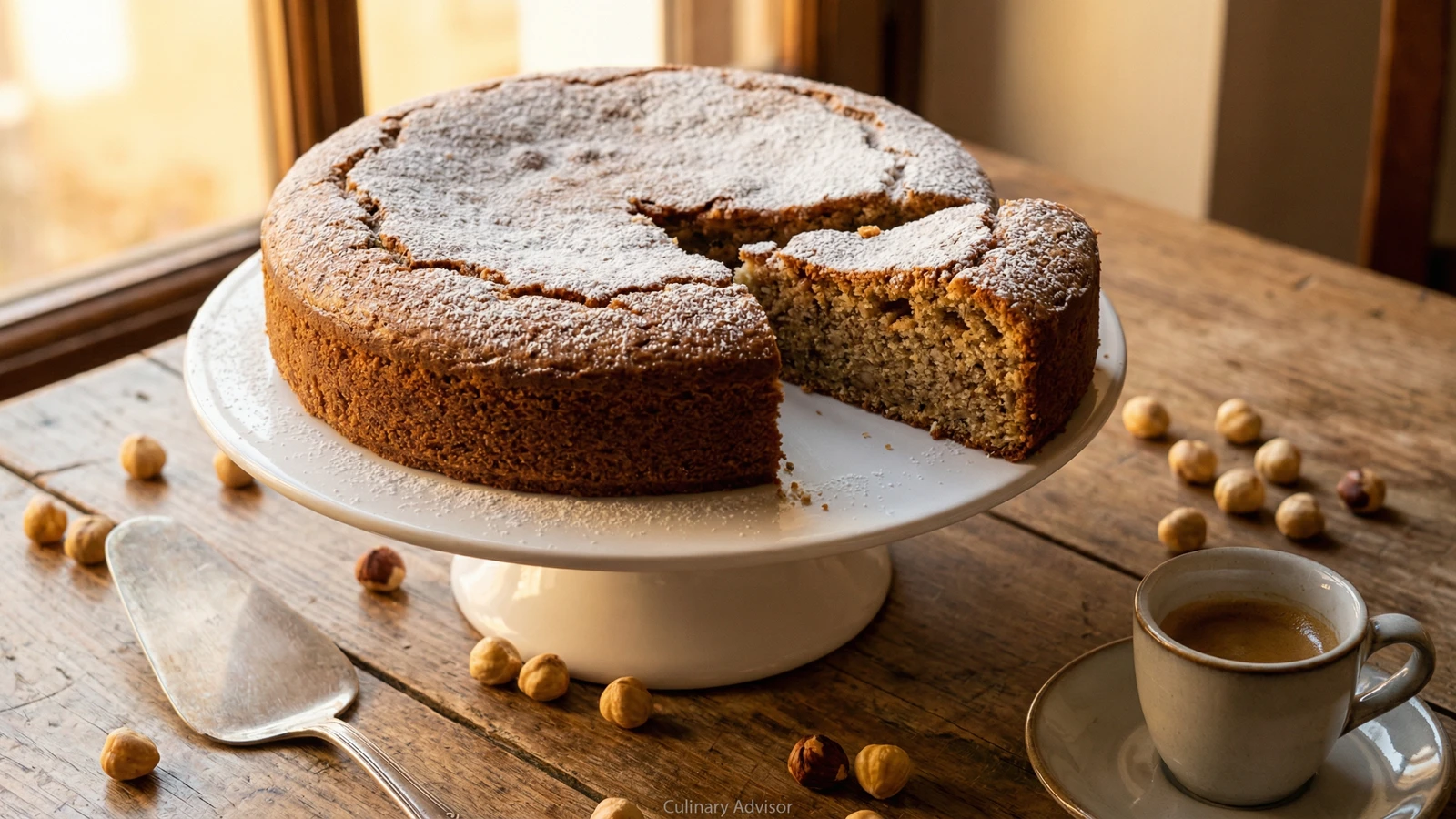
From the hazelnut groves of Piedmont, a cake with no flour and no pretense. Ground hazelnuts, eggs, sugar, and the wisdom to add nothing more.
There is no flour in this cake. None. The ground hazelnuts provide all the structure, and the whipped egg whites provide the lift. When people tell me this cannot be done, I tell them to visit the Langhe hills in autumn, when the hazelnuts are harvested and every farmhouse kitchen smells of this torta.
The Tonda Gentile delle Langhe is considered the finest hazelnut in the world. It grows in the same hills that produce Barolo and Barbaresco, in the same soil that nurtures white truffles. This is not coincidence. Great ingredients come from great terroir. The hazelnut has a delicate, aromatic quality that Turkish or Oregon nuts cannot match. If you can find them, use them. If you cannot, use the best hazelnuts available to you and toast them properly.
This cake demands that you toast and skin the hazelnuts yourself. Pre-ground hazelnut flour will not do. The oils released during toasting are what make this cake extraordinary. They begin to dissipate the moment the nuts are ground. Freshness is everything.
The Langhe region of Piedmont has cultivated hazelnuts since Roman times, but the torta di nocciole emerged as a celebration of the autumn harvest in farming communities. When chocolate manufacturer Michele Ferrero needed hazelnuts for his confections in the 1940s, he turned to these same groves, forever linking Piedmontese hazelnuts to both rustic farmhouse cakes and industrial confectionery.
Quantity
300 grams
Piedmontese Tonda Gentile if available
Quantity
200 grams
Quantity
5
separated, at room temperature
Quantity
1/4 teaspoon
Quantity
for dusting
Quantity
for the pan
| Ingredient | Quantity |
|---|---|
| whole hazelnutsPiedmontese Tonda Gentile if available | 300 grams |
| granulated sugar | 200 grams |
| large eggsseparated, at room temperature | 5 |
| fine sea salt | 1/4 teaspoon |
| confectioners' sugar | for dusting |
| butter and flour | for the pan |
Spread the hazelnuts in a single layer on a rimmed baking sheet. Toast in a 350°F oven for 12 to 15 minutes, shaking the pan once halfway through. The nuts are ready when the skins have darkened and cracked, and your kitchen smells intensely of toasted hazelnuts. The aroma will tell you before the timer does.
While the hazelnuts are still hot, bundle them in a clean kitchen towel. Rub vigorously, letting the friction loosen the papery skins. Most will come off. Some will stubbornly cling. This is fine. Perfect is the enemy of done. Pick out the cleaned nuts and let them cool completely before grinding.
Pulse the cooled hazelnuts in a food processor with two tablespoons of the measured sugar. The sugar absorbs the oils and prevents the nuts from becoming paste. Pulse in short bursts until you have a coarse meal with some texture remaining. You are not making hazelnut butter. Stop before you think you should.
Butter a 9-inch springform pan generously. Dust with flour, tapping out the excess. Line the bottom with parchment if you are cautious. The cake is fragile when warm. Heat oven to 350°F.
In a large bowl, beat the egg yolks with the remaining sugar using a whisk or electric mixer. Beat until the mixture is pale yellow, thick, and falls in ribbons when the whisk is lifted. This takes 4 to 5 minutes by machine, longer by hand. The volume should nearly triple. Fold in the ground hazelnuts until just combined.
In a clean, dry bowl, whip the egg whites with the salt until they hold soft, glossy peaks. The peaks should droop gently when you lift the whisk. Do not beat until stiff and dry. Overbeaten whites deflate when folded and produce a tough cake.
Stir one-quarter of the whites into the hazelnut mixture to lighten it. This sacrifice loosens the batter. Now fold in the remaining whites in two additions, using a large spatula and turning the bowl as you work. Cut down through the center, sweep along the bottom, fold over the top. Repeat until no white streaks remain, but stop the moment they disappear. Every extra fold costs you volume.
Pour the batter into the prepared pan and smooth the top gently. Bake until the cake is golden brown, springs back when pressed lightly in the center, and a toothpick inserted comes out with just a few moist crumbs. This takes 40 to 45 minutes. The top will crack slightly. This is correct and beautiful.
Let the cake cool in the pan for 15 minutes before releasing the springform ring. The cake is delicate when warm. Transfer to a serving plate and cool completely. Dust generously with confectioners' sugar just before serving. The sugar will absorb into the surface over time, so dust again if it sits.
1 serving (about 75g)
Culinary guides, cultural storytelling, and the editorial depth that makes cooking meaningful.
Discover Culinary ExplorerChef Graziella
The chocolate custard of Piedmont, dense with cocoa and crushed amaretti, crowned with bitter caramel. This is the dessert your Torinese grandmother made for feast days.
Chef Graziella
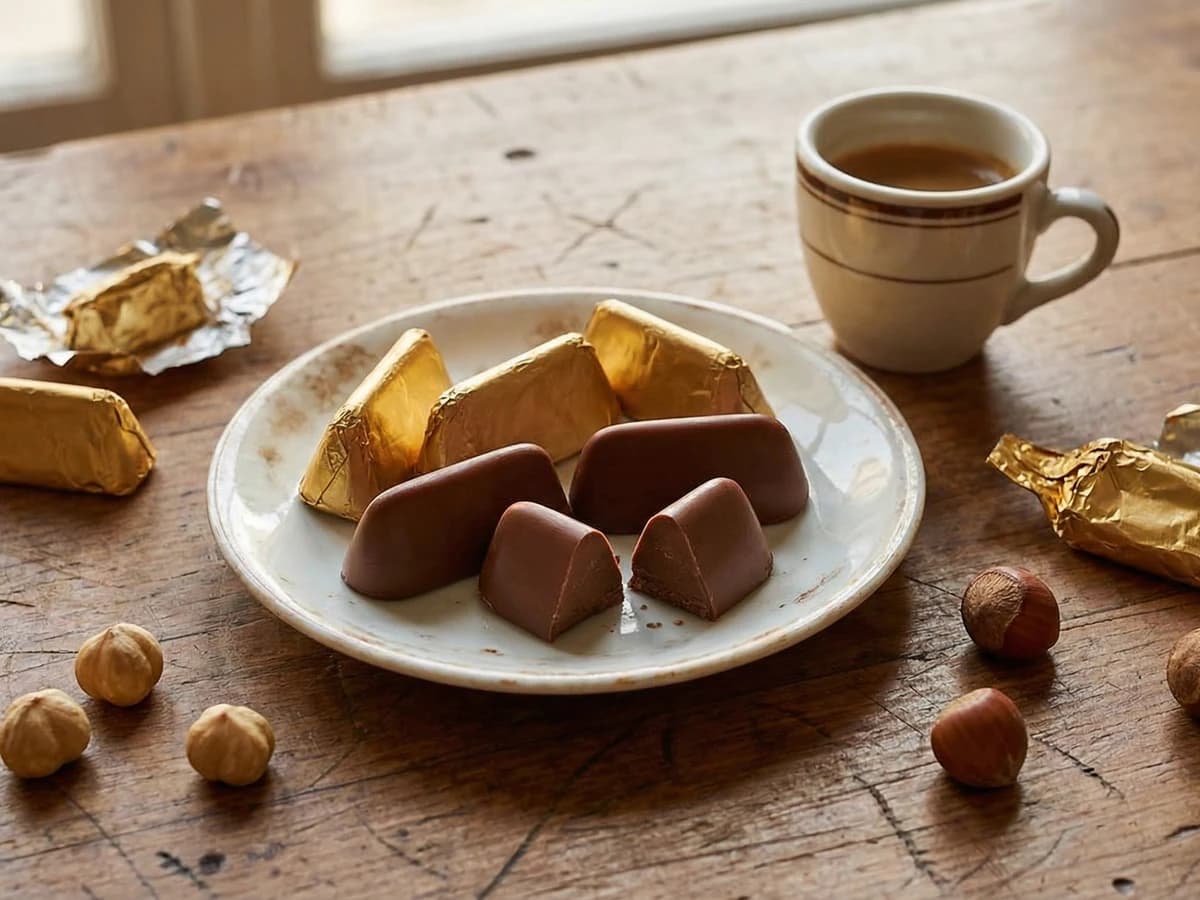
The legendary hazelnut chocolates of Turin, invented when Napoleon's blockades made cocoa precious. Piedmont's answer was to stretch it with their incomparable hazelnuts, and the result surpassed the original.
Chef Graziella
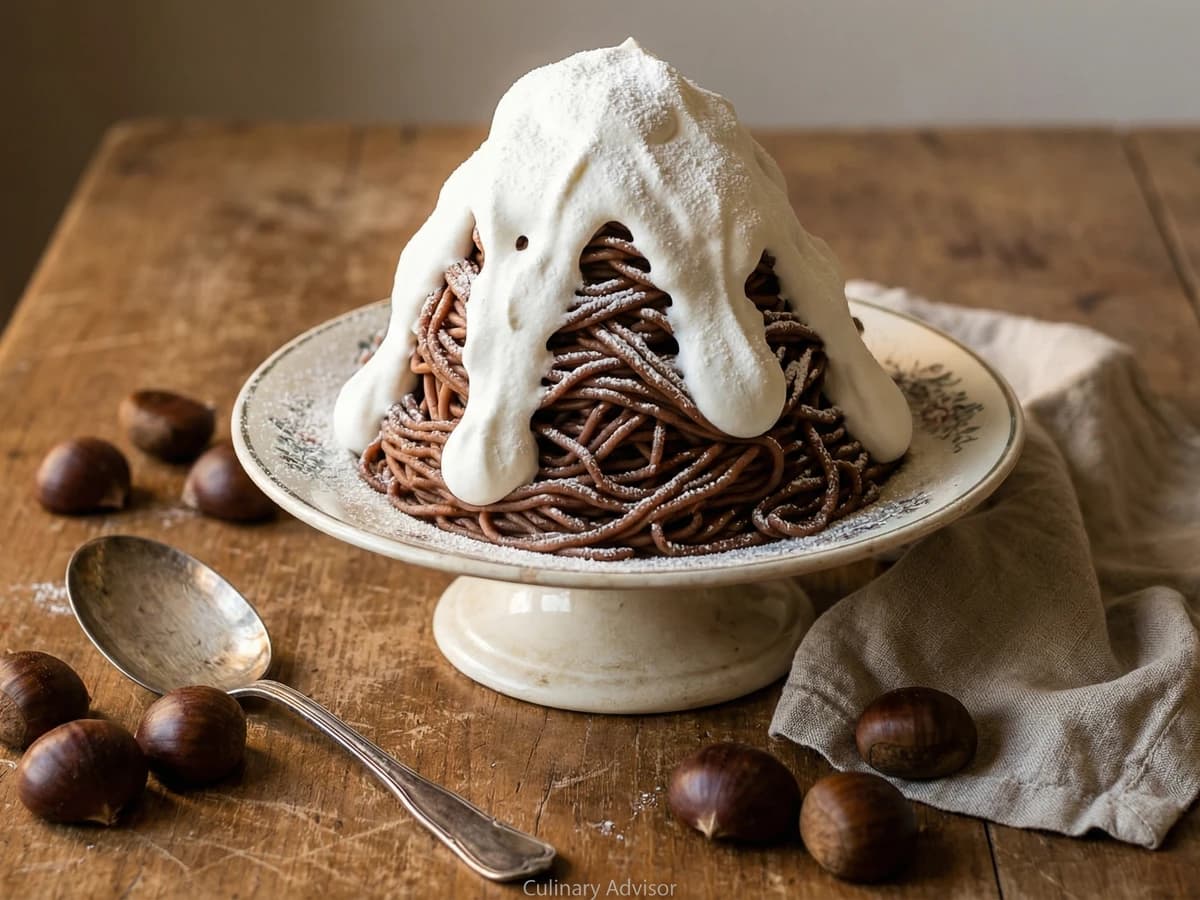
The baroque chestnut mountain of Piedmont, where sweet chestnut purée rises in delicate strands beneath drifts of whipped cream snow. A dessert that proves restraint and good ingredients require no decoration.
Chef Graziella
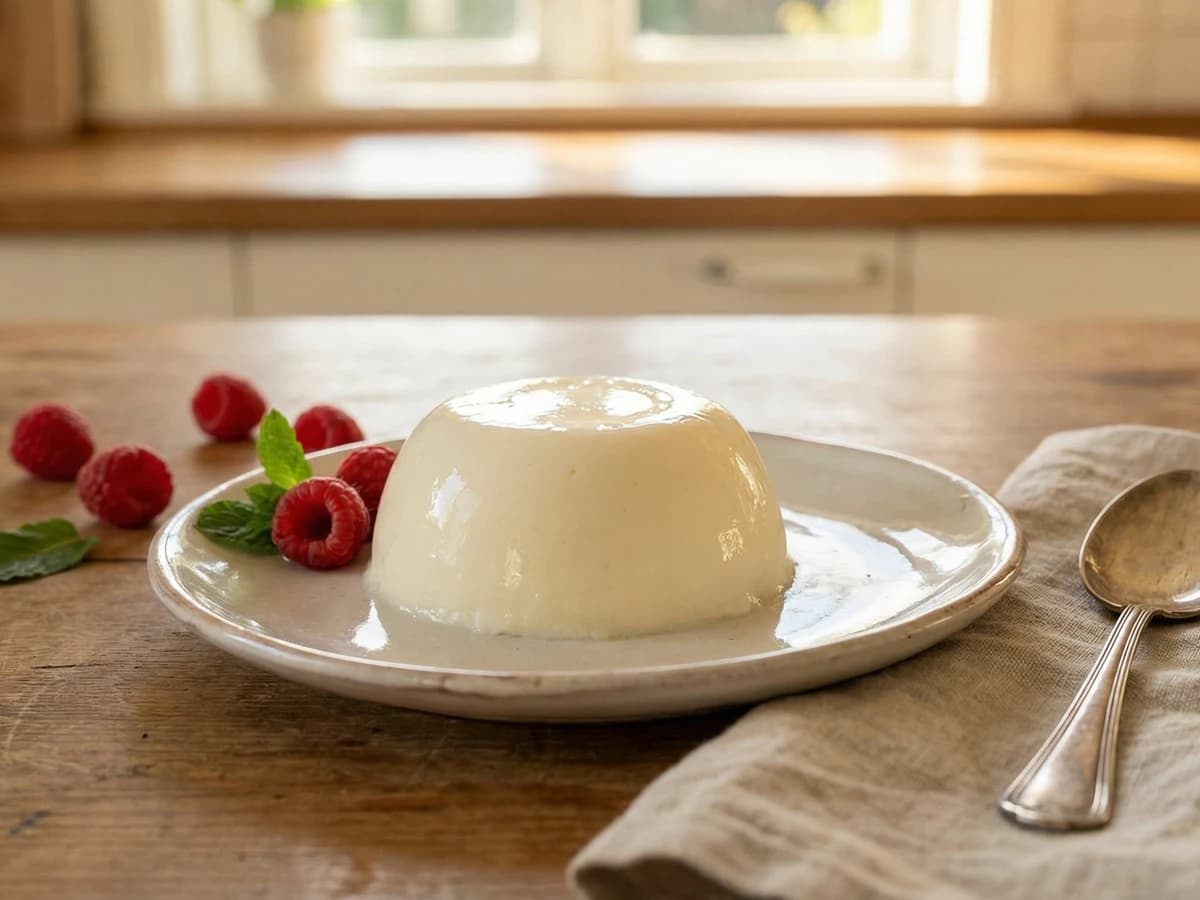
The quivering cream of Piedmont, set with just enough gelatin to hold its shape and not a grain more. Pure dairy, pure vanilla, pure restraint.