
Chef Graziella
Bonet Piemontese
The chocolate custard of Piedmont, dense with cocoa and crushed amaretti, crowned with bitter caramel. This is the dessert your Torinese grandmother made for feast days.
A cooking platform built around craft, culture, and the stories behind what we eat.
Created by
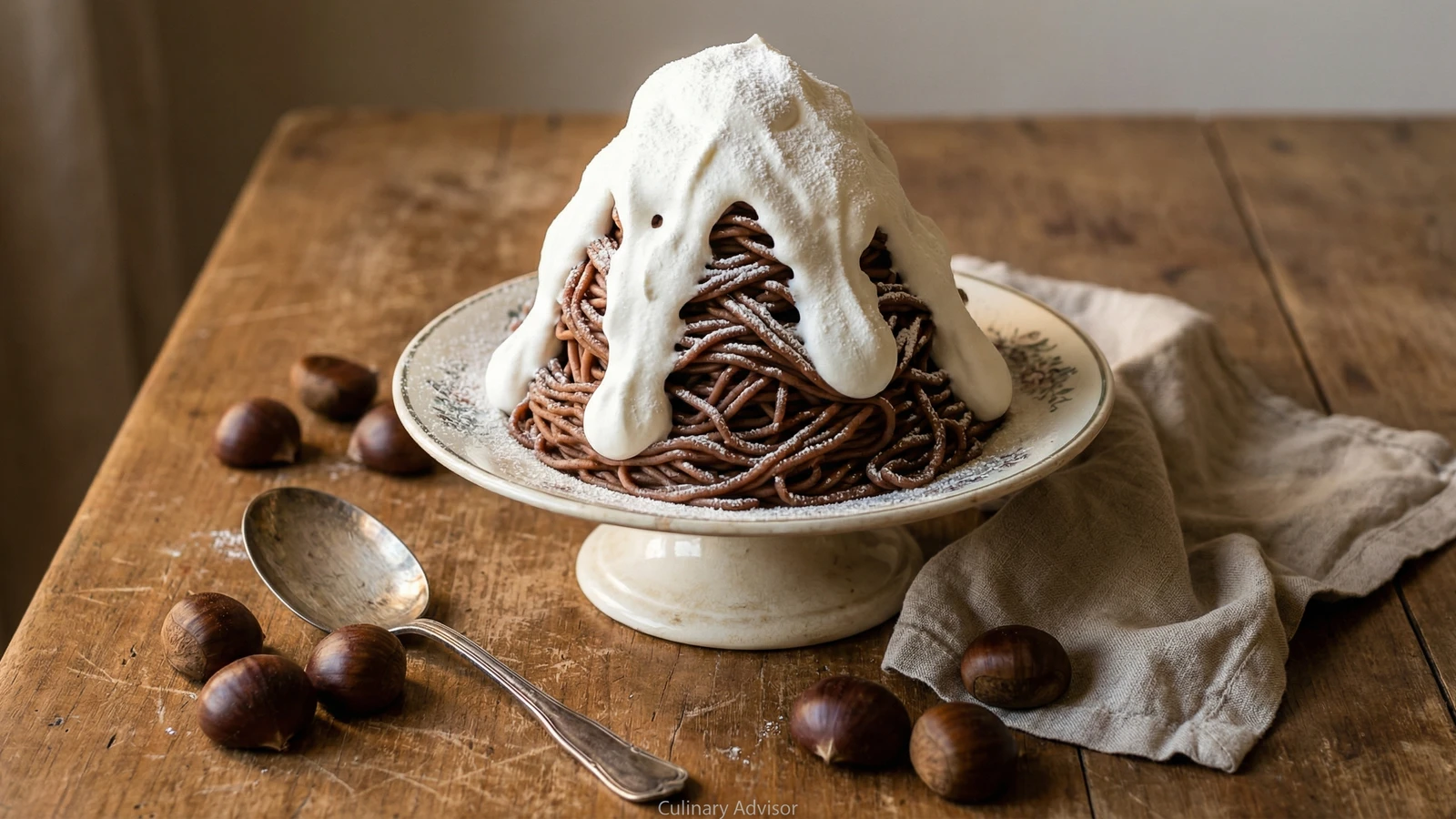
The baroque chestnut mountain of Piedmont, where sweet chestnut purée rises in delicate strands beneath drifts of whipped cream snow. A dessert that proves restraint and good ingredients require no decoration.
Monte Bianco belongs to autumn. It arrives with the first frost, when chestnuts fall from the trees in the hills above Turin and the air turns sharp enough to see your breath. To make it any other time is to miss the point entirely.
The Piemontesi have argued with the French for centuries over who invented this dessert. Let them argue. What matters is that the chestnut purée must be passed through a food mill or ricer to create the distinctive vermicelli strands that give the mountain its texture. Shortcuts with a food processor create paste. The strands must remain airy, separate, almost fragile. When you spoon through the whipped cream into the chestnut beneath, each strand should yield, then dissolve.
I have eaten Monte Bianco made with canned chestnut purée, and I will tell you plainly: do not bother. The sweetened paste in tins has none of the depth of fresh chestnuts simmered in vanilla milk. If you cannot find fresh chestnuts, or if you are unwilling to spend an hour peeling them, make a different dessert. There are no shortcuts worth taking here.
Monte Bianco takes its name from the Alpine peak on the border between Italy and France, and both nations claim the dessert as their own. The Italian version, rooted in Piedmont and Valle d'Aosta, traditionally uses rum and keeps the presentation rustic. French versions favor kirsch and often add a meringue base. The dish gained popularity in the 19th century, when chestnuts remained a staple food of mountain communities too high for wheat cultivation.
Quantity
2 pounds
in shell
Quantity
2 cups
Quantity
1
split lengthwise
Quantity
3/4 cup
Quantity
3 tablespoons
Quantity
pinch
Quantity
2 cups
cold
Quantity
3 tablespoons
Quantity
1 teaspoon
| Ingredient | Quantity |
|---|---|
| fresh chestnutsin shell | 2 pounds |
| whole milk | 2 cups |
| vanilla beansplit lengthwise | 1 |
| granulated sugar | 3/4 cup |
| dark rum | 3 tablespoons |
| fine sea salt | pinch |
| heavy creamcold | 2 cups |
| confectioners' sugar | 3 tablespoons |
| pure vanilla extract | 1 teaspoon |
Heat your oven to 425°F. Using a sharp paring knife, cut an X through the flat side of each chestnut, slicing through the tough outer shell but not deeply into the flesh. This prevents them from exploding and allows steam to escape. Spread them in a single layer on a baking sheet, X-side up. Roast for 25 to 30 minutes, until the shells curl back at the cuts and the kitchen fills with a sweet, nutty fragrance.
Remove the chestnuts from the oven and wrap them in a clean kitchen towel for five minutes. The steam loosens the inner skin. Peel them while still warm, removing both the outer shell and the papery inner skin. Work quickly. Cold chestnuts become stubborn. If they cool too much, return a few at a time to the warm oven for two minutes. Discard any chestnuts that are moldy or have dark, bitter spots.
Place the peeled chestnuts in a medium saucepan. Add the milk, vanilla bean with its scraped seeds, and a pinch of salt. The liquid should just cover the chestnuts; add water if needed. Bring to a gentle simmer over medium heat, then reduce to low. Cook uncovered for 30 to 40 minutes, until the chestnuts are completely tender and crush easily when pressed with a spoon. They should offer no resistance.
Drain the chestnuts, reserving the cooking liquid and discarding the vanilla bean pod. While still warm, pass the chestnuts through a food mill fitted with the fine disc, or through a potato ricer. Add the granulated sugar, rum, and three to four tablespoons of the reserved cooking liquid. Stir until you have a smooth, thick purée that holds its shape but is soft enough to pipe. Taste and adjust the sugar if needed. The purée should be sweet but the chestnut flavor must dominate.
Fit a pastry bag with a small round tip, no larger than one-quarter inch. Fill the bag with the chestnut purée. On a serving plate, pipe the purée in a mound, building upward from a wide base to a peak, allowing the strands to fall naturally like vermicelli. Do not press or compact them. The texture should be airy, the strands distinct. The mound should resemble a rough mountain, not a smooth dome. Refrigerate for at least 30 minutes.
In a cold bowl with cold beaters, whip the heavy cream until it begins to thicken. Add the confectioners' sugar and vanilla extract. Continue whipping until the cream holds soft peaks that droop slightly when the beater is lifted. Do not overwhip. The cream should be billowy like fresh snow, not stiff or grainy.
Spoon or pipe the whipped cream over the top of the chestnut mountain, allowing it to cascade down the sides in irregular drifts. The cream should cover the peak and upper slopes but leave some of the dark chestnut strands visible at the base, like a snowline on an Alpine peak. Serve immediately, or refrigerate for up to two hours before serving.
1 serving (about 170g)
Culinary guides, cultural storytelling, and the editorial depth that makes cooking meaningful.
Discover Culinary ExplorerChef Graziella
The chocolate custard of Piedmont, dense with cocoa and crushed amaretti, crowned with bitter caramel. This is the dessert your Torinese grandmother made for feast days.
Chef Graziella
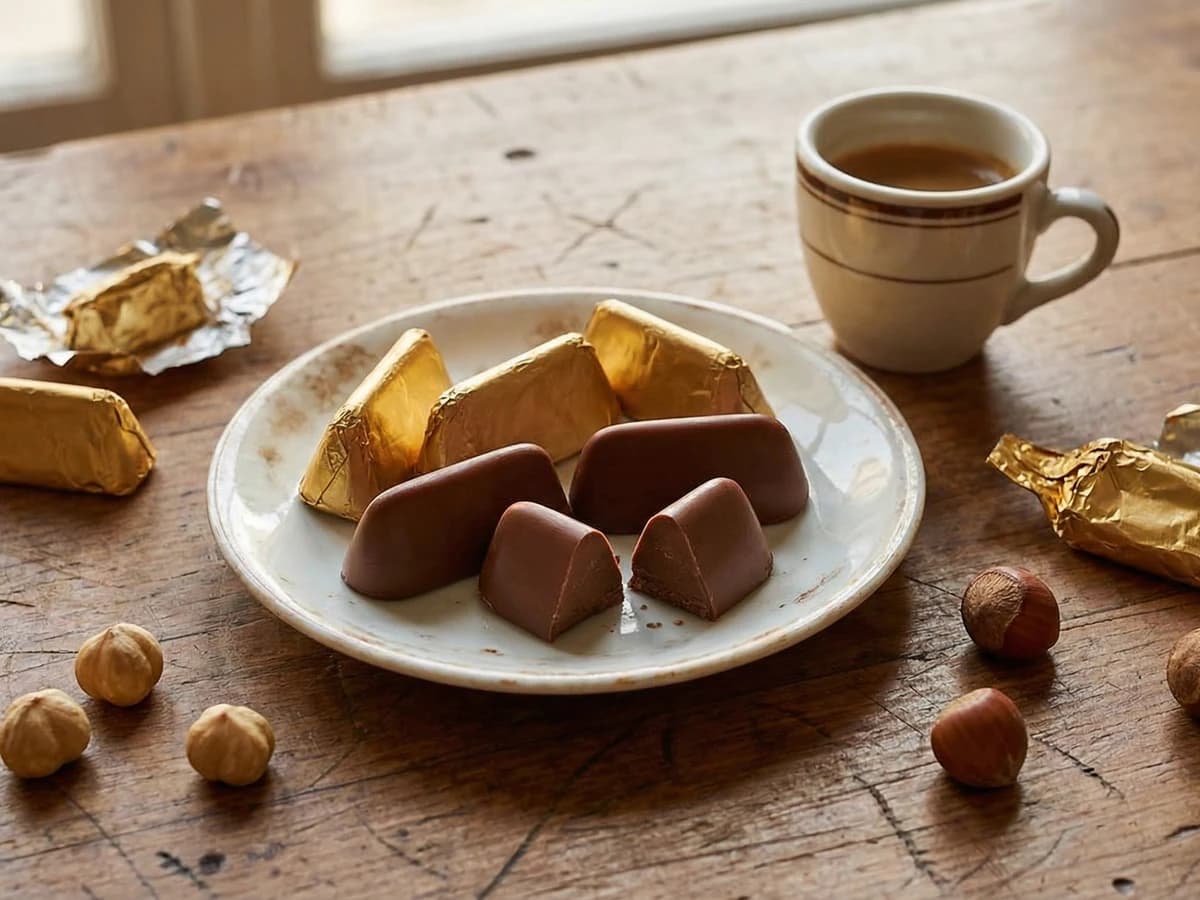
The legendary hazelnut chocolates of Turin, invented when Napoleon's blockades made cocoa precious. Piedmont's answer was to stretch it with their incomparable hazelnuts, and the result surpassed the original.
Chef Graziella
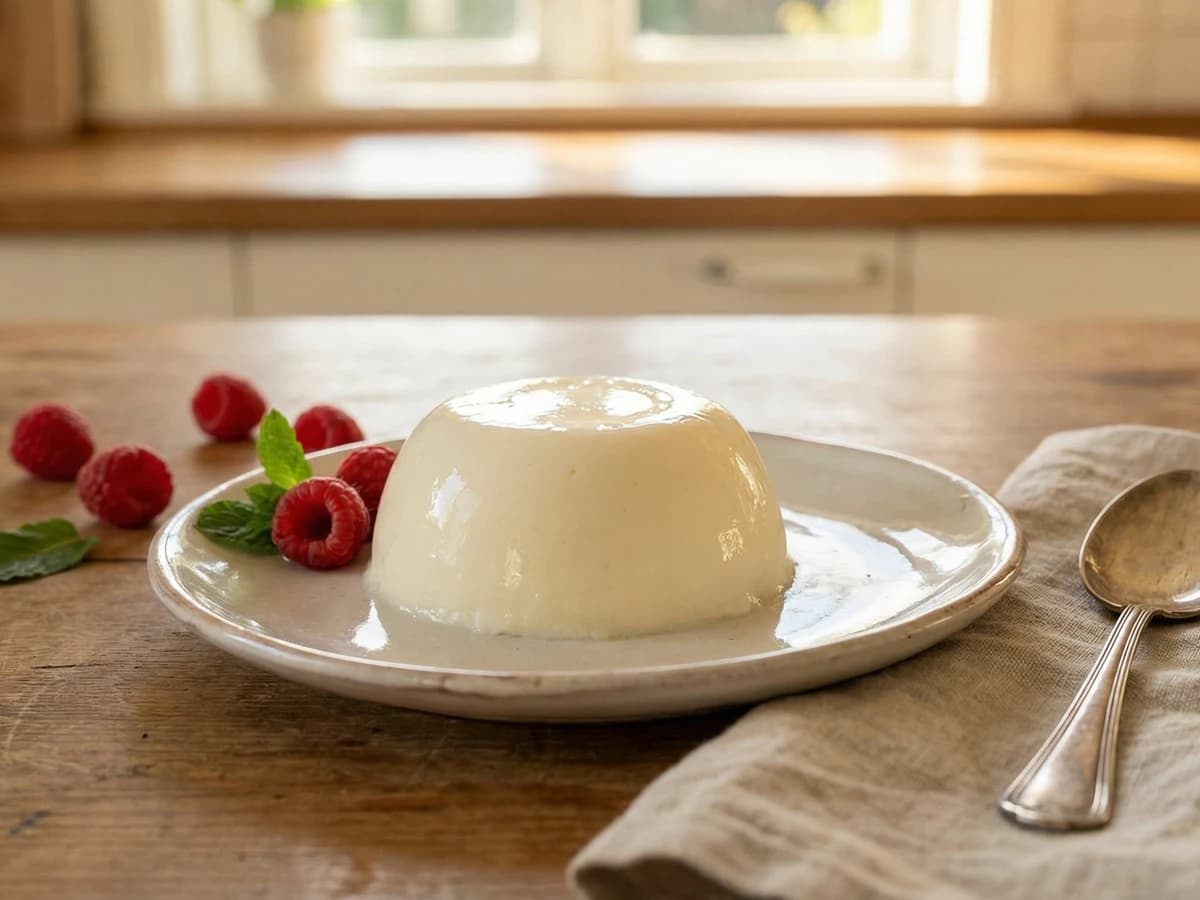
The quivering cream of Piedmont, set with just enough gelatin to hold its shape and not a grain more. Pure dairy, pure vanilla, pure restraint.

Chef Graziella
The trembling cream of Piedmont, set with just enough gelatin to hold its shape and nothing more. Four ingredients. No room for error. No place for excess.