Chef Graziella
Pandoro di Verona
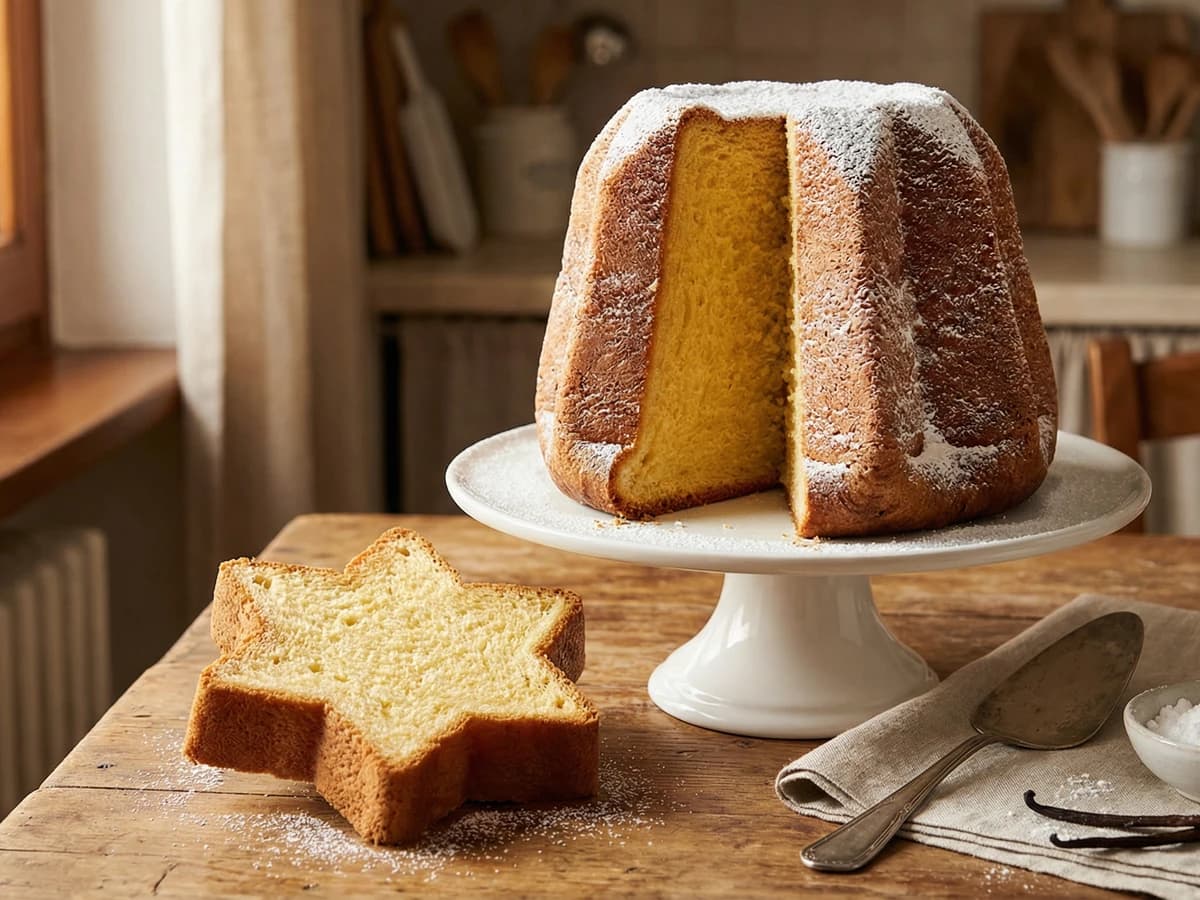
Verona's answer to panettone, a towering golden star of enriched dough that requires three days and rewards every hour of patience with buttery, vanilla-scented perfection.
A cooking platform built around craft, culture, and the stories behind what we eat.
Created by
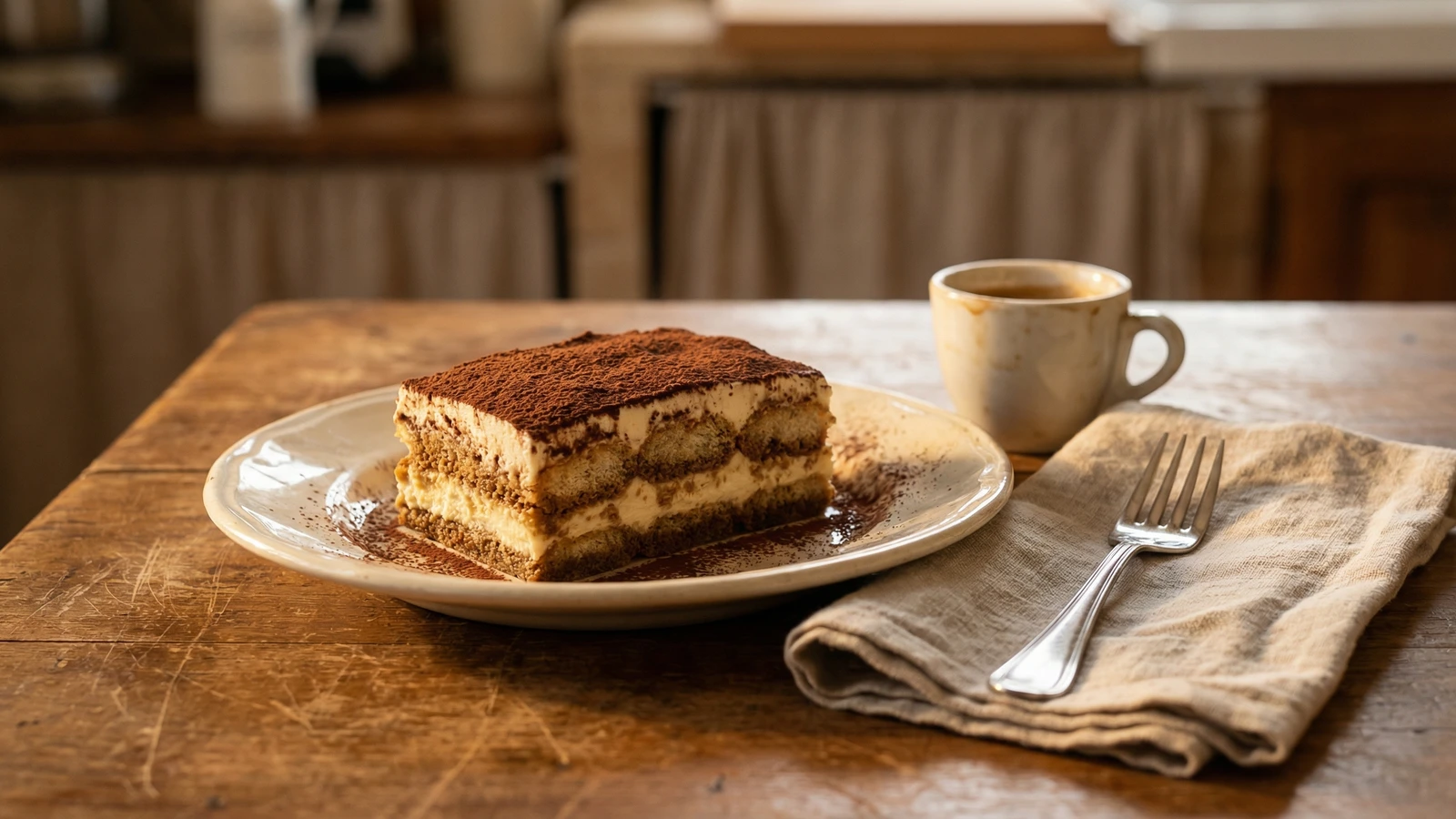
The authentic tiramisù of the Veneto, where mascarpone, eggs, espresso, and savoiardi create something that requires no improvement. What you keep out is as significant as what you put in.
Tiramisù means 'pick me up,' and this is exactly what it does. The espresso cuts through the richness of the mascarpone. The eggs give it body and lift. The cocoa provides bitter contrast. This is not a complicated dessert. It is four elements in perfect balance.
Americans have done terrible things to tiramisù. They add whipped cream, which makes it heavy and masks the mascarpone. They substitute coffee liqueur for espresso, which makes it boozy and sweet. They use instant coffee, which makes it taste like nothing at all. These 'variations' betray the original.
The classic requires raw eggs. This concerns some people. If it concerns you, use the freshest eggs from a source you trust, or do not make tiramisù. There is no version of this dessert that achieves the same texture without them. The zabaglione-style cream, made by beating egg yolks with sugar until pale and thick, then folding in mascarpone and beaten whites, creates something no amount of whipped cream can replicate.
This is a dessert that improves overnight. The savoiardi soften and absorb the coffee and the cream. The flavors marry. Make it the day before you need it. Your patience will be rewarded.
Tiramisù appeared in the Veneto region sometime in the 1960s or 1970s, though several restaurants in Treviso claim to have invented it. The dish likely evolved from earlier desserts combining mascarpone, eggs, and coffee. Regardless of its disputed origins, tiramisù became Italy's most famous dessert export within two decades, though most versions served abroad bear little resemblance to the restrained original.
Quantity
6
Quantity
3/4 cup, divided
Quantity
500 grams (about 2 cups)
at room temperature
Quantity
4
Quantity
pinch
Quantity
2 cups
cooled to room temperature
Quantity
300 grams (about 30 cookies)
Quantity
for dusting
unsweetened
| Ingredient | Quantity |
|---|---|
| large egg yolks | 6 |
| granulated sugar | 3/4 cup, divided |
| mascarpone cheeseat room temperature | 500 grams (about 2 cups) |
| large egg whites | 4 |
| fine sea salt | pinch |
| strong espressocooled to room temperature | 2 cups |
| savoiardi biscuits | 300 grams (about 30 cookies) |
| Dutch-process cocoa powderunsweetened | for dusting |
Brew strong espresso and allow it to cool completely to room temperature. You need approximately two cups. The espresso must be real espresso, not drip coffee, not instant. The concentrated bitterness is essential. Pour it into a shallow dish wide enough to dip the savoiardi.
In a large bowl, combine the egg yolks with half a cup of the sugar. Beat with an electric mixer on medium-high speed until the mixture is pale yellow, thick, and falls in ribbons from the beaters. This takes five to seven minutes. Do not rush. The volume should triple. This is the foundation of your cream.
Add the mascarpone to the yolk mixture. Fold gently with a rubber spatula until completely smooth and uniform. Work carefully. You have just created volume in the yolks; aggressive mixing will deflate it. The mascarpone must be at room temperature or it will form lumps.
In a clean, dry bowl with clean beaters, beat the egg whites with the pinch of salt until soft peaks form. Add the remaining quarter cup of sugar gradually while continuing to beat. Continue until the whites hold stiff, glossy peaks but are not dry. Overbeaten whites become grainy and will not fold smoothly.
Fold one-third of the beaten whites into the mascarpone mixture to lighten it. Then fold in the remaining whites in two additions, turning the bowl and cutting through the center with your spatula. Stop when no white streaks remain. The cream should be light, airy, and hold soft peaks.
Working quickly, dip each savoiardo into the espresso for exactly two seconds per side. The cookie must absorb coffee but retain structure. Soggy, falling-apart savoiardi ruin tiramisù. Arrange the dipped cookies in a single layer in the bottom of a 9x13 inch dish or similar serving dish, breaking cookies as needed to fill gaps.
Spread half the mascarpone cream evenly over the layer of savoiardi. Smooth it gently with an offset spatula or the back of a spoon. Create a second layer of dipped savoiardi on top. Spread the remaining cream over this layer, smoothing the top completely. The surface should be level.
Cover the dish tightly with plastic wrap and refrigerate for at least six hours. Overnight is better. Twelve hours is ideal. The savoiardi soften and absorb moisture from the cream, the layers meld, and the flavors develop. Tiramisù made and served immediately is not tiramisù. It is an assembly of components.
Just before serving, dust the entire surface generously with cocoa powder through a fine-mesh sieve. The cocoa must be applied at the last moment. It absorbs moisture and loses its matte finish if it sits. Cut into portions with a sharp knife, wiping the blade clean between cuts. Serve cold.
1 serving (about 185g)
Culinary guides, cultural storytelling, and the editorial depth that makes cooking meaningful.
Discover Culinary ExplorerChef Graziella
Verona's answer to panettone, a towering golden star of enriched dough that requires three days and rewards every hour of patience with buttery, vanilla-scented perfection.

Chef Juliette
Five almond preparations, one discipline: remove the skins cleanly, dry every kernel through, then cut, toast, or cloak it in pale caramel without letting its fragrant oils escape.

Chef Juliette
A pastry pantry lesson in one tray: filberts warmed only until their red skins release, rubbed clean, cooled, and chopped into a fragrant mise-en-place for cakes, creams, pralines, and petits fours.

Chef Juliette
The smallest pâtisserie discipline decides whether a cake leaves its mould intact: clarified butter in every corner, followed by the lightest veil of dry flour or fécule.