Chef Graziella
Abbacchio a Scottadito
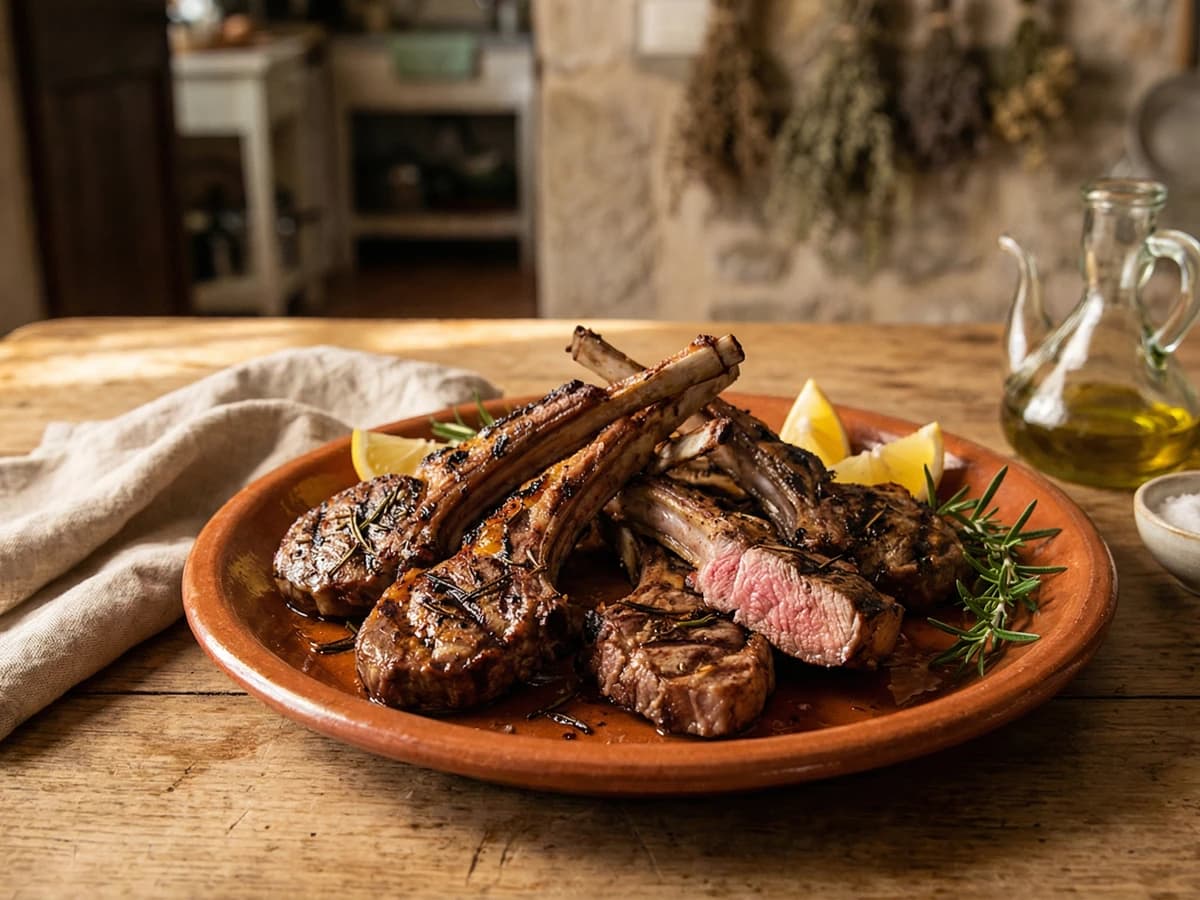
Roman lamb chops grilled over scorching heat, seasoned with nothing but salt, rosemary, and fire. You eat them with your hands, straight from the grill, burning your fingers because you cannot wait.
A cooking platform built around craft, culture, and the stories behind what we eat.

Created by
The Sunday braise of Roman kitchens, where spare ribs surrender to tomato and time, yielding meat that falls from the bone and a sauce that demands crusty bread.
In Rome, pork is not fussed over. It is browned, braised, and left alone to become what it was meant to be. Spuntature are the meaty sections of spare ribs, cartilage and bone and fat that most American butchers trim away and discard. Romans know better. They know that these humble cuts, given time and tomato, become something that no tenderloin could match.
This is not a dish that requires your attention. It requires your patience. You brown the meat properly, build a simple soffritto, add wine and tomatoes, and then you leave. Two hours later, you return to find that the meat has surrendered completely, the sauce has thickened with dissolved collagen, and your kitchen smells like Sunday in Trastevere.
There is no secret ingredient. There is no technique that separates success from failure. You need good ribs, decent tomatoes, and the wisdom to let heat and time do their work. What you keep out is as significant as what you put in.
Roman butchers historically sold spuntature as economy cuts to working-class families who could not afford prime chops. The long braise transformed tough, cartilaginous meat into something tender and rich. This cucina povera tradition survives in the trattorias of Testaccio, where the dish remains on Sunday menus alongside other Roman classics born from necessity.
Quantity
3 pounds
cut into individual ribs
Quantity
3 tablespoons
Quantity
1 medium
diced
Quantity
1 medium
peeled and diced
Quantity
1
diced
Quantity
2
lightly crushed and peeled
Quantity
1 cup
Quantity
1 can (28 ounces)
crushed by hand
Quantity
1 cup
Quantity
2
Quantity
to taste
Quantity
to taste
freshly ground
Quantity
for serving
| Ingredient | Quantity |
|---|---|
| pork spare ribscut into individual ribs | 3 pounds |
| extra virgin olive oil | 3 tablespoons |
| yellow oniondiced | 1 medium |
| carrotpeeled and diced | 1 medium |
| celery stalkdiced | 1 |
| garlic cloveslightly crushed and peeled | 2 |
| dry white wine | 1 cup |
| San Marzano tomatoescrushed by hand | 1 can (28 ounces) |
| water or light broth | 1 cup |
| bay leaves | 2 |
| kosher salt | to taste |
| black pepperfreshly ground | to taste |
| crusty bread | for serving |
Pat the spare ribs completely dry with paper towels. Season generously on all sides with salt and pepper. The meat must be dry or it will steam instead of brown. Let the ribs sit at room temperature while you prepare the vegetables.
Heat the olive oil in a heavy Dutch oven or braising pot over medium-high heat. When the oil shimmers, add the ribs in a single layer without crowding. Work in batches if necessary. Brown deeply on all sides, about 4 minutes per side. The color should be mahogany, not pale gold. Remove the browned ribs to a plate.
Reduce heat to medium. Add the onion, carrot, and celery to the pot. Cook, stirring occasionally and scraping up the browned bits from the bottom, until the vegetables soften and the onion turns golden, about 12 minutes. Add the crushed garlic cloves and cook one minute more. The garlic flavors the base; you will remove it later.
Pour in the white wine. Let it bubble vigorously, scraping any remaining fond from the pot. Cook until the wine reduces by half and you no longer smell raw alcohol, about 3 minutes. The pot should be fragrant with wine and softened vegetables.
Add the crushed tomatoes, water, and bay leaves. Stir to combine. Return the ribs to the pot, nestling them into the sauce. The liquid should come about halfway up the ribs; add more water if needed. Bring to a gentle simmer, then reduce heat to the lowest setting. Cover the pot, leaving the lid slightly ajar.
Braise until the meat pulls easily from the bone and offers no resistance to a fork, 2 to 2 and a half hours. Turn the ribs once or twice during cooking. The sauce will reduce and thicken as the collagen from the bones dissolves into it. This is what you want.
Remove the bay leaves and garlic cloves. Taste the sauce and adjust seasoning with salt and pepper. The sauce should coat a spoon and taste deeply of pork and tomato. If it seems thin, remove the ribs and simmer uncovered until thickened. Serve the ribs in shallow bowls with plenty of sauce. Crusty bread is not optional; it is how you eat this dish.
1 serving (about 350g)
Culinary guides, cultural storytelling, and the editorial depth that makes cooking meaningful.
Discover Culinary ExplorerChef Graziella
Roman lamb chops grilled over scorching heat, seasoned with nothing but salt, rosemary, and fire. You eat them with your hands, straight from the grill, burning your fingers because you cannot wait.
Chef Graziella
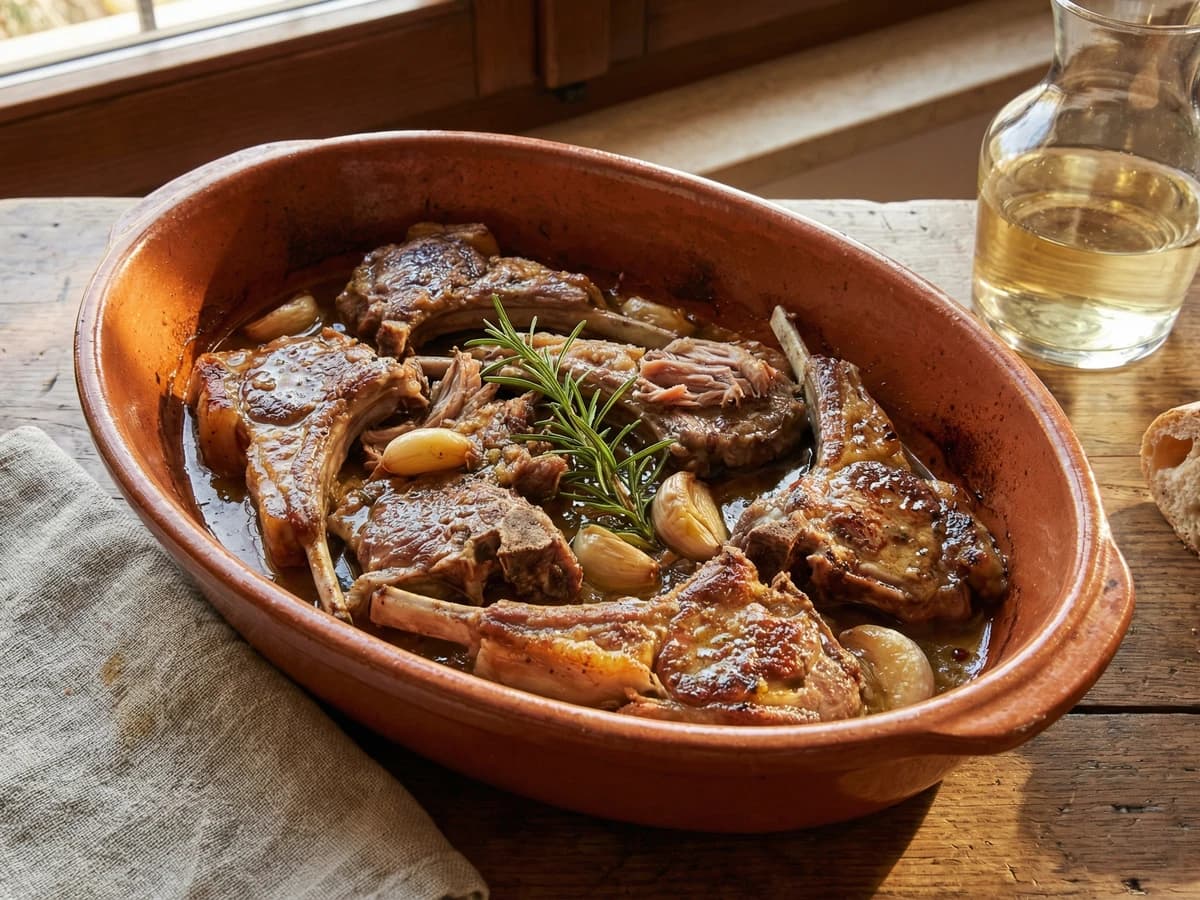
Roman milk-fed lamb cut like a chicken, braised with wine, rosemary, and anchovy until the meat surrenders to the fork. The anchovy disappears. The flavor does not.
Chef Graziella
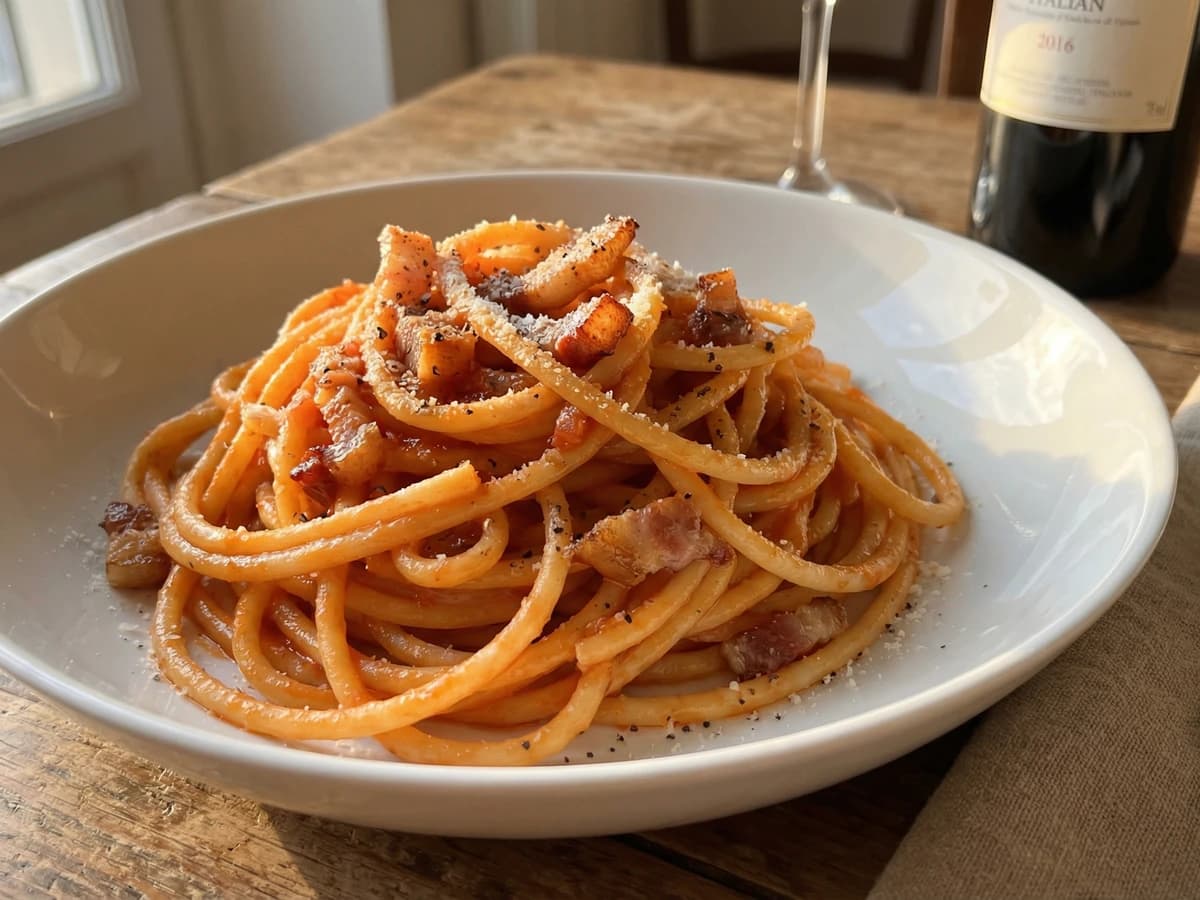
The true sauce of Amatrice: guanciale rendered to gold, tomatoes barely simmered, pecorino melted into silk. Three ingredients that tolerate no substitution and no addition.
Chef Graziella
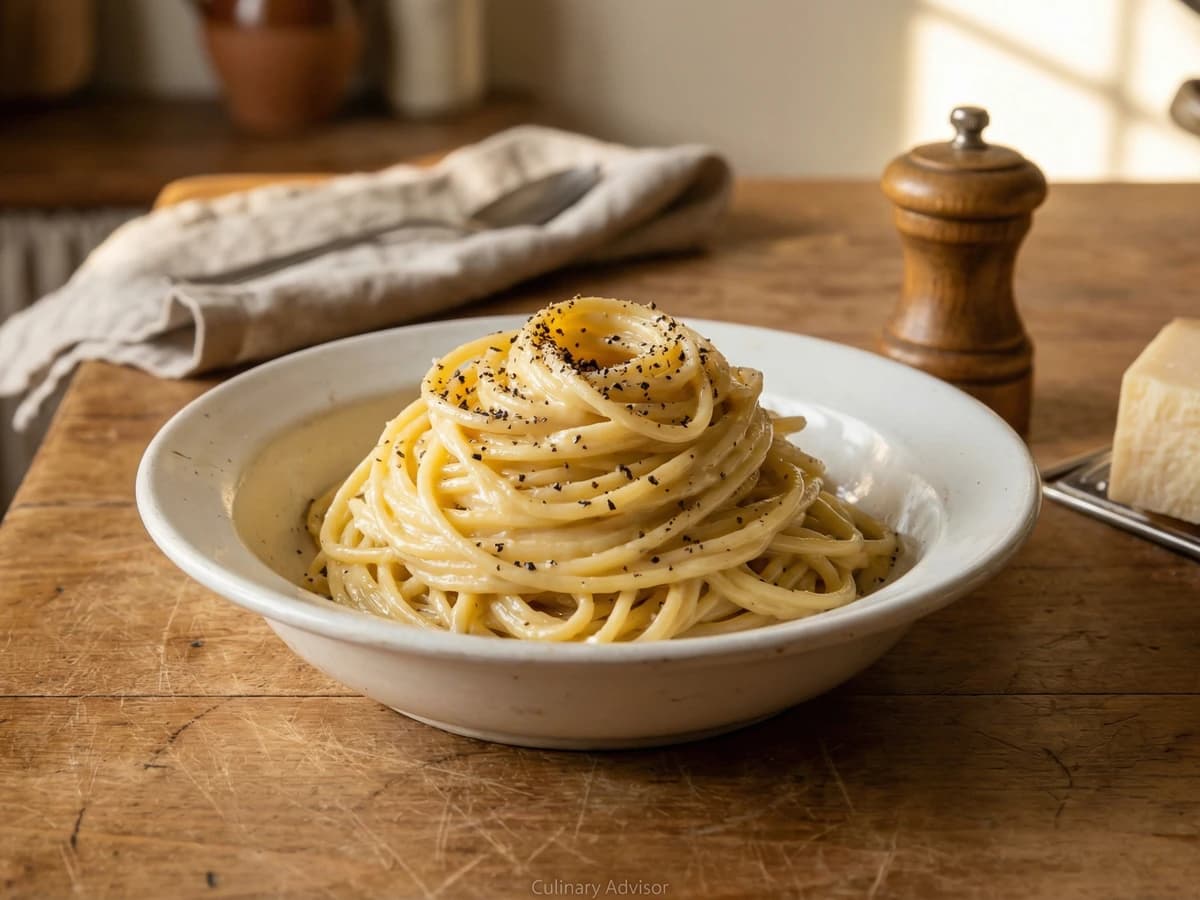
Three ingredients expose every flaw and reward every success. The silky emulsion of pecorino and pasta water, studded with cracked black pepper, is Rome's gift to cooks who understand that simple does not mean easy.