Chef Graziella
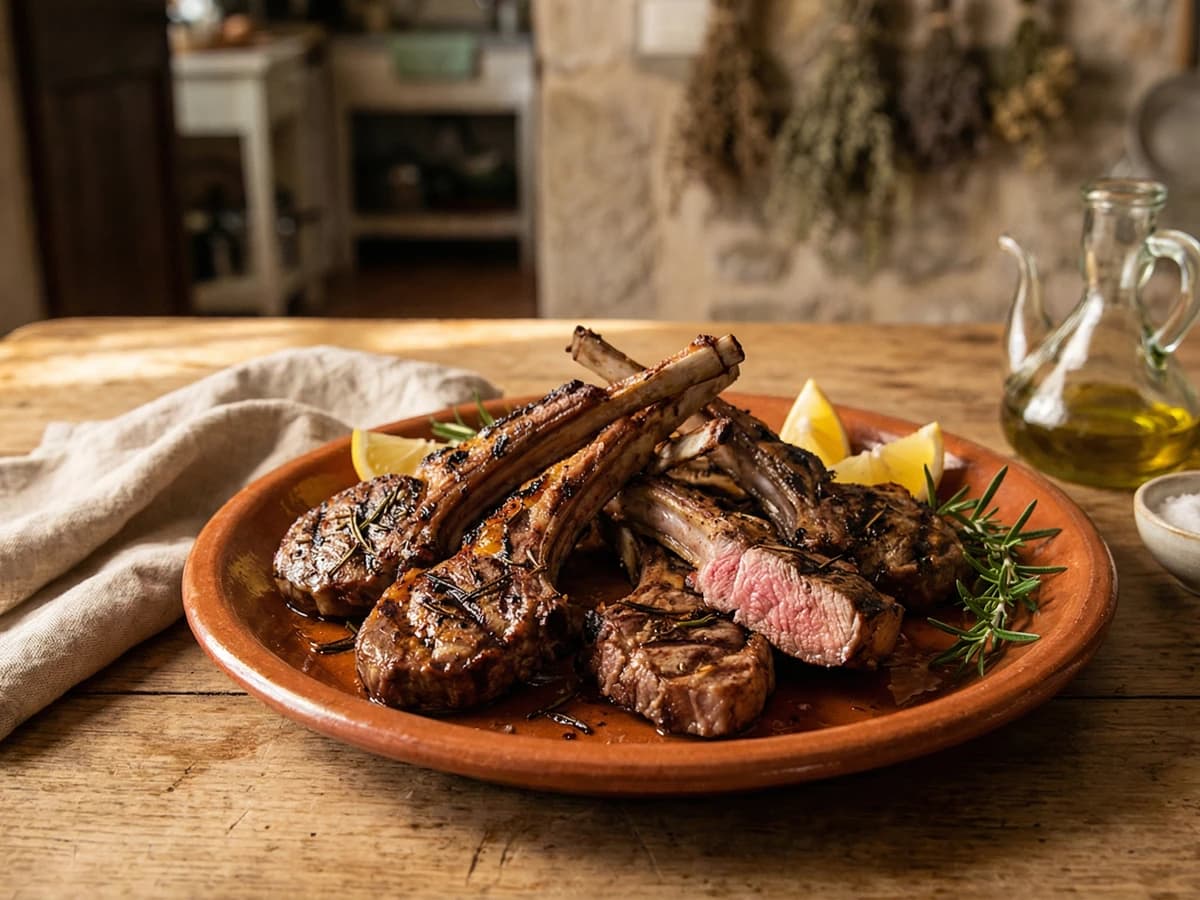
Abbacchio a Scottadito
Roman lamb chops grilled over scorching heat, seasoned with nothing but salt, rosemary, and fire. You eat them with your hands, straight from the grill, burning your fingers because you cannot wait.
A cooking platform built around craft, culture, and the stories behind what we eat.

Created by
The true sauce of Amatrice: guanciale rendered to gold, tomatoes barely simmered, pecorino melted into silk. Three ingredients that tolerate no substitution and no addition.
There is no garlic in Amatriciana. There is no onion. I will say this once, clearly, so there is no confusion. The sauce contains guanciale, tomato, pecorino, chili, and black pepper. That is all. What you keep out is as significant as what you put in.
Americans add garlic to everything. They add onion because they cannot imagine a sauce without it. They use bacon because guanciale is difficult to find. They use Parmesan because pecorino seems too sharp. By the time they finish making substitutions, they have created something else entirely. Something that is not Amatriciana.
The guanciale is the soul of this dish. It is cured pork jowl, fattier and more flavorful than pancetta, impossible to replace with bacon. The fat renders into the sauce, turning the tomatoes into something silky and rich. The meat crisps at the edges but stays slightly chewy at the center. If you cannot find guanciale, make a different pasta. Do not pretend.
Amatriciana began as gricia, the older sauce of guanciale, pecorino, and black pepper that shepherds carried into the mountains above Amatrice. When tomatoes arrived in central Italy in the 18th century, cooks added them to gricia and created something new. The 2016 earthquake that devastated Amatrice brought renewed attention to the dish, with restaurants worldwide cooking it to raise funds for rebuilding.
Quantity
1 pound
Quantity
8 ounces
cut into strips about 1/4 inch thick
Quantity
1 can (28 ounces)
crushed by hand
Quantity
1/2 cup
Quantity
1 small, crumbled, or 1/4 teaspoon red pepper flakes
Quantity
1 cup
finely grated, plus more for serving
Quantity
to taste
freshly ground
Quantity
for pasta water
| Ingredient | Quantity |
|---|---|
| bucatini | 1 pound |
| guancialecut into strips about 1/4 inch thick | 8 ounces |
| San Marzano tomatoescrushed by hand | 1 can (28 ounces) |
| dry white wine | 1/2 cup |
| dried peperoncino | 1 small, crumbled, or 1/4 teaspoon red pepper flakes |
| Pecorino Romanofinely grated, plus more for serving | 1 cup |
| black pepperfreshly ground | to taste |
| kosher salt | for pasta water |
Place the guanciale strips in a cold, wide skillet. Set it over medium-low heat. Let the fat render slowly, without rushing. The guanciale should turn translucent, then begin to crisp at the edges, releasing its fat into a pool of golden liquid. This takes 10 to 12 minutes. Do not raise the heat. Patience here determines everything that follows.
When the guanciale is golden and crisp but still has some chew at the center, add the crumbled peperoncino. Stir for 30 seconds. The chili should bloom in the hot fat. Pour in the wine. It will sizzle violently. Let it reduce until nearly evaporated, scraping up any browned bits from the pan. The alcohol smell must disappear completely.
Add the crushed tomatoes and their juices. Stir well. Let the sauce simmer gently, uncovered, while you cook the pasta. It should reduce slightly and the fat should begin to separate and pool on the surface in orange rivulets. This is correct. Do not cover the pan. Never cook a sauce in a covered pan.
Bring abundant water to a vigorous boil. Salt it generously. Add the bucatini, stirring immediately to prevent sticking. The hollow strands like to cling together. Cook until the pasta is tender but maintains resistance at the core. Bucatini takes longer than spaghetti, usually 10 to 12 minutes. Taste it. Only your teeth can tell you when it is ready. Reserve one cup of pasta water before draining.
Drain the bucatini and add it directly to the skillet with the sauce. Toss vigorously over medium heat for one minute, letting the pasta absorb the sauce. Remove from heat. Add the grated pecorino in three additions, tossing constantly between each. Add splashes of pasta water as needed to create a creamy coating that clings to each strand. The cheese must emulsify into the sauce, not clump.
Grind black pepper generously over the pasta. Taste for salt, remembering that pecorino and guanciale both contribute salinity. Divide among warm bowls. Pass additional pecorino at the table. Once the pasta is sauced, serve it promptly, inviting your guests and family to put off talking and start eating. Amatriciana waits for no one.
1 serving (about 350g)
Culinary guides, cultural storytelling, and the editorial depth that makes cooking meaningful.
Discover Culinary ExplorerChef Graziella
Roman lamb chops grilled over scorching heat, seasoned with nothing but salt, rosemary, and fire. You eat them with your hands, straight from the grill, burning your fingers because you cannot wait.
Chef Graziella
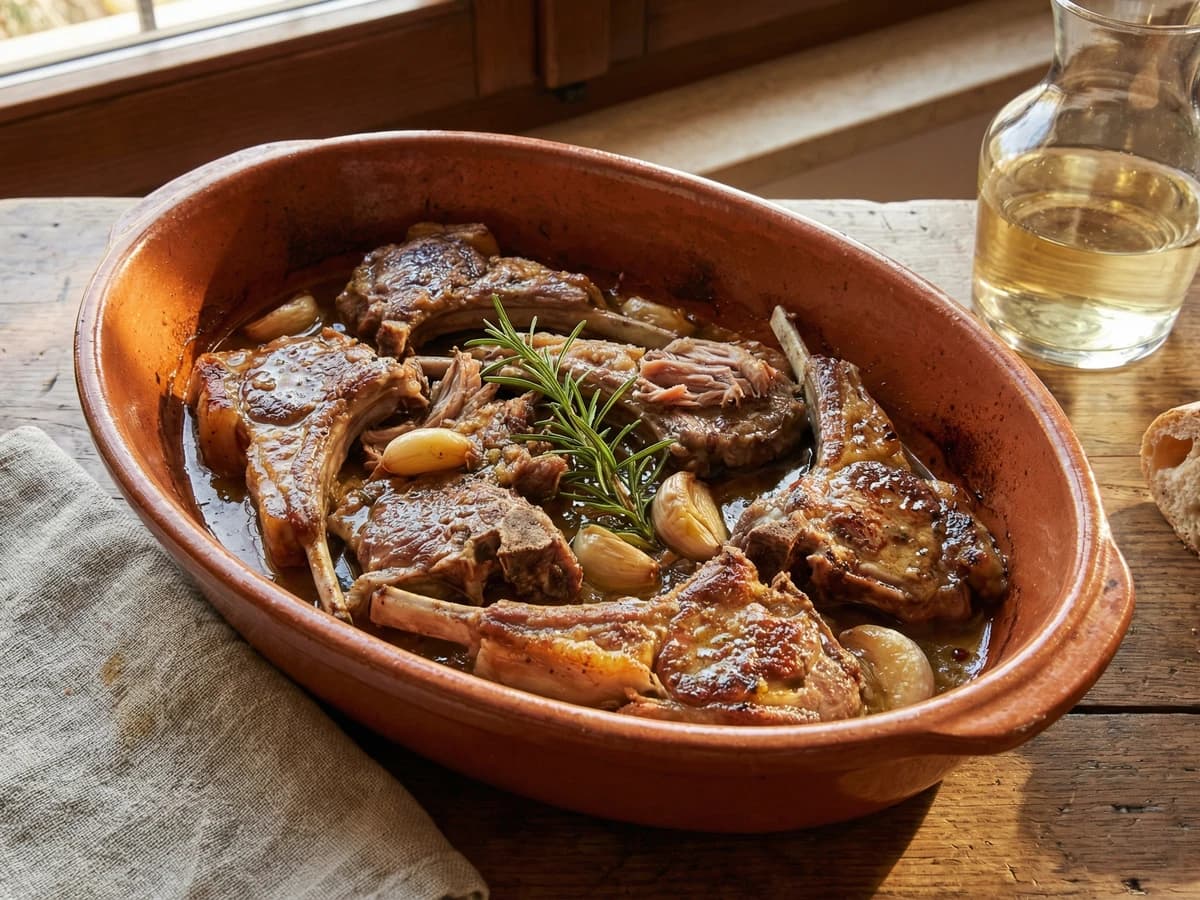
Roman milk-fed lamb cut like a chicken, braised with wine, rosemary, and anchovy until the meat surrenders to the fork. The anchovy disappears. The flavor does not.
Chef Graziella
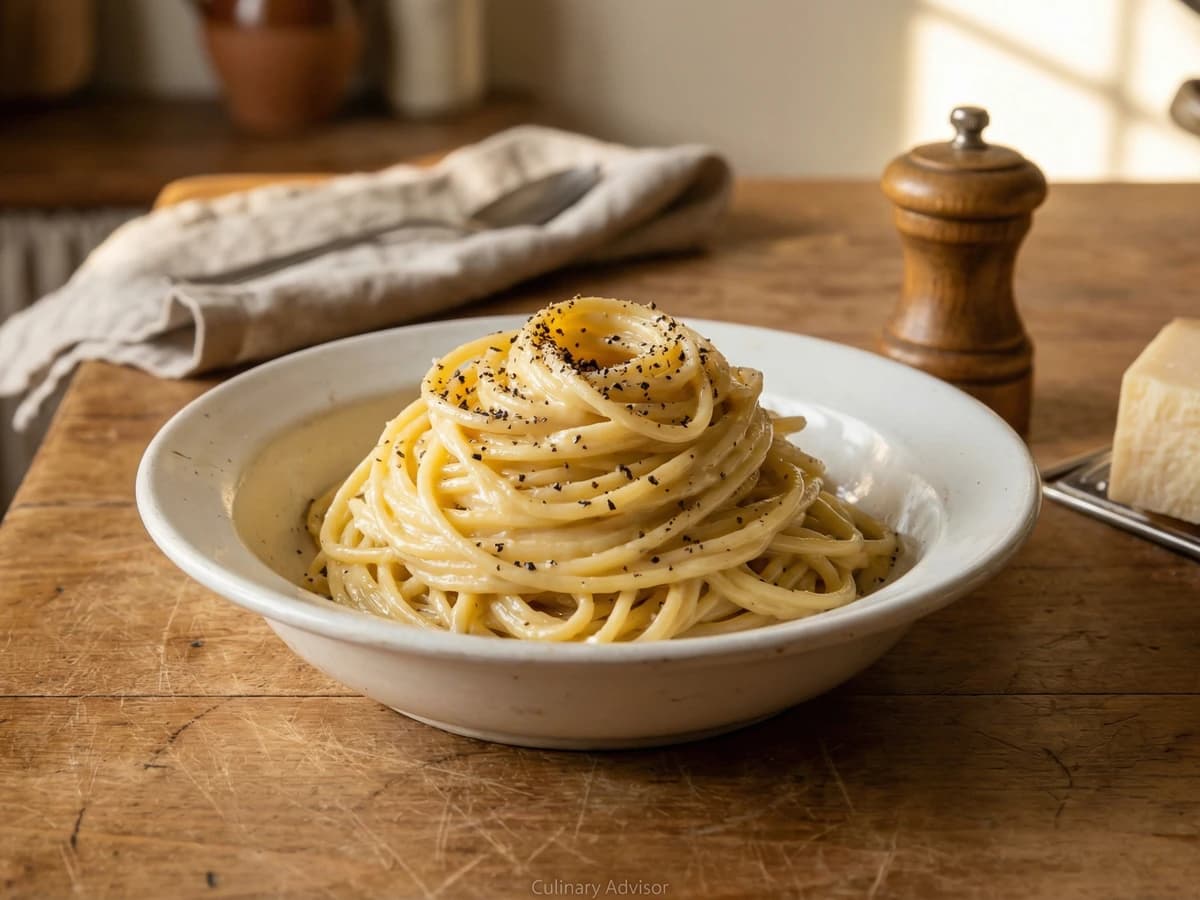
Three ingredients expose every flaw and reward every success. The silky emulsion of pecorino and pasta water, studded with cracked black pepper, is Rome's gift to cooks who understand that simple does not mean easy.

Chef Graziella
The crown jewel of Roman Jewish cooking, where globe artichokes are trimmed with surgical precision, fried twice until their leaves open like chrysanthemums, and served crackling and golden. This is what respect for a vegetable looks like.