Chef Dean
Amish Buttered Egg Noodles
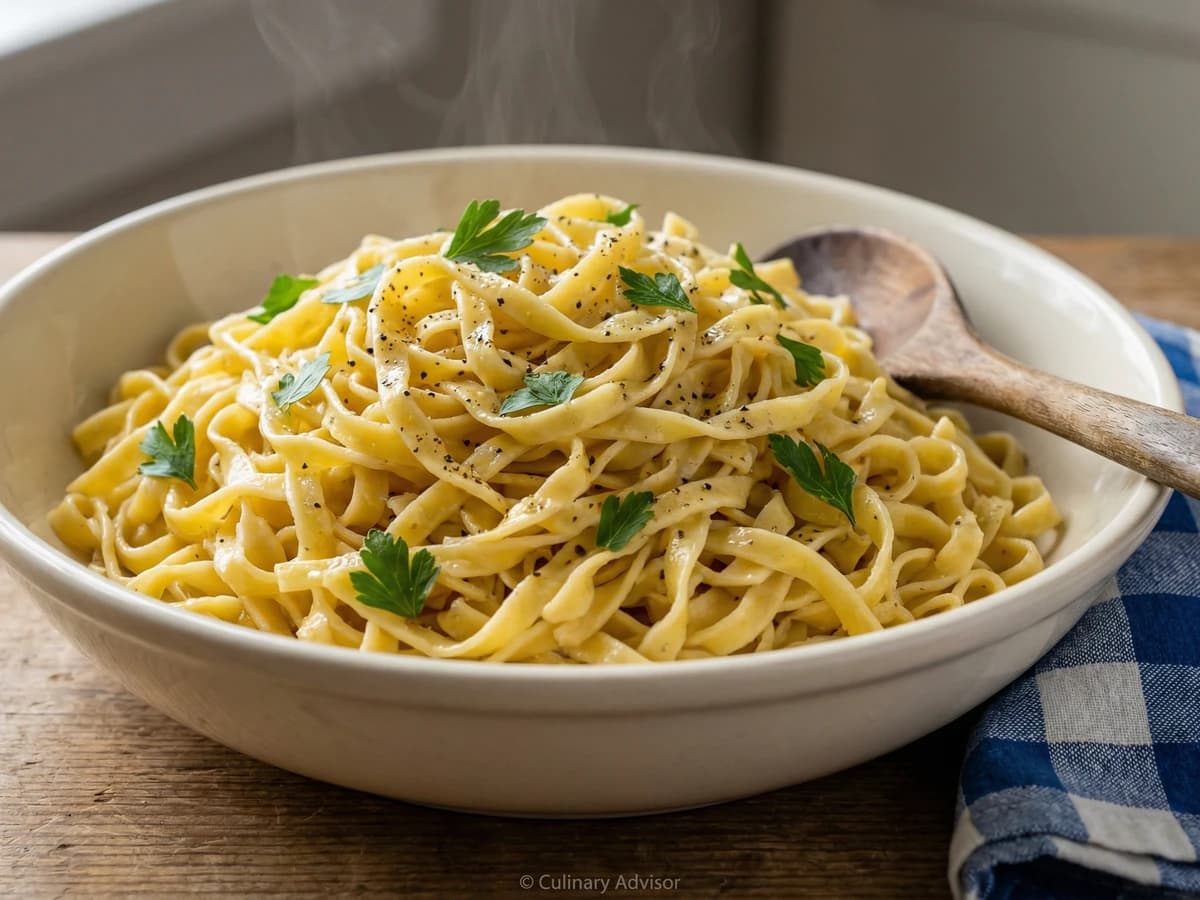
The humblest side dish in the Pennsylvania Dutch tradition, where wide egg noodles and good butter need nothing more than salt and a warm bowl to become the thing everyone remembers from the church supper.
A cooking platform built around craft, culture, and the stories behind what we eat.
Created by
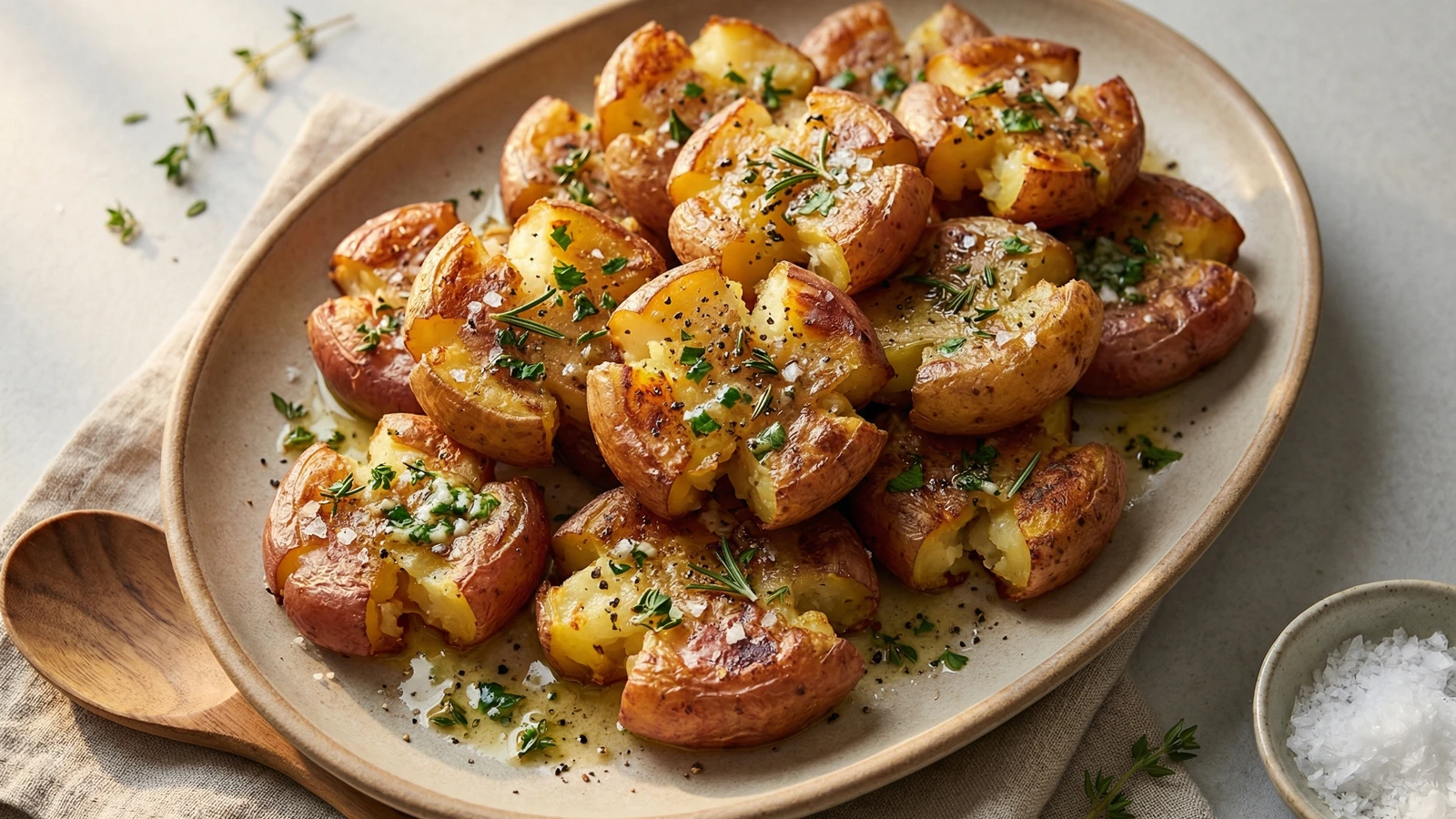
Tender baby reds smashed flat and pan-crisped until their edges turn golden and shattering, then crowned with melted butter swimming with fresh herbs and raw garlic. The simplest potato dish that steals the show at every summer gathering.
This is the potato dish that converts people. I've watched it happen at backyard cookouts from Connecticut to California. Someone takes a bite expecting the usual starchy side, and their expression changes. The exterior shatters. The interior yields. The garlic butter runs down their chin. They reach for another before finishing the first.
The technique comes from frugal cooking, the kind practiced by farmwives who understood that yesterday's boiled potatoes could become today's crispy treasure. Smashing them flat exposes more surface area to the hot fat. More surface means more crust. More crust means more of what makes potatoes worth eating in the first place.
I prefer baby reds for their waxy texture and thin skins that crisp beautifully without turning leathery. The herb butter is non-negotiable. Fresh thyme, rosemary, and parsley meet raw garlic in warm butter, creating something that tastes far more sophisticated than its five-minute preparation suggests. This is honest summer food: generous, unfussy, and worthy of the best seat at your table.
Quantity
2 pounds
1.5 to 2 inches diameter
Quantity
for boiling water
Quantity
4 tablespoons, divided
Quantity
6 tablespoons
Quantity
4 cloves
minced
Quantity
1 tablespoon
Quantity
1 tablespoon
finely chopped
Quantity
2 tablespoons
chopped
Quantity
for finishing
Quantity
to taste
freshly cracked
| Ingredient | Quantity |
|---|---|
| baby red potatoes1.5 to 2 inches diameter | 2 pounds |
| kosher salt | for boiling water |
| olive oil | 4 tablespoons, divided |
| unsalted butter | 6 tablespoons |
| garlicminced | 4 cloves |
| fresh thyme leaves | 1 tablespoon |
| fresh rosemaryfinely chopped | 1 tablespoon |
| fresh flat-leaf parsleychopped | 2 tablespoons |
| flaky sea salt | for finishing |
| black pepperfreshly cracked | to taste |
Place potatoes in a large pot and cover with cold water by two inches. Salt the water generously until it tastes like the sea. Bring to a boil over high heat, then reduce to a steady simmer. Cook until a paring knife slides through the largest potato with zero resistance, roughly 18 to 22 minutes depending on size. The potatoes should feel almost too tender. They'll firm up during the crisping.
Drain the potatoes thoroughly and spread them on a sheet pan in a single layer. Let them steam dry for five minutes. Surface moisture is the enemy of a proper crust. You want the skins looking slightly matte and chalky before they hit the hot oil.
Using the bottom of a sturdy drinking glass or measuring cup, press down firmly on each potato until it flattens to about half an inch thick. The edges should crack and splay outward. Don't be timid. Those ragged edges are where the magic happens. They'll crisp into golden shards while the centers stay creamy.
Heat 2 tablespoons olive oil in your largest cast iron skillet over medium-high heat until the oil shimmers and a piece of potato edge sizzles immediately on contact. Working in batches to avoid crowding, add the smashed potatoes in a single layer. Press each one gently with your spatula. Cook undisturbed for 4 to 5 minutes until the bottoms turn deeply golden and release easily from the pan. Listen for the steady sizzle. If it goes quiet, your heat is too low.
Flip each potato carefully with a thin metal spatula. Add another tablespoon of oil between the potatoes if the pan looks dry. Cook another 3 to 4 minutes until the second side achieves the same golden, craggy crust. Transfer to a wire rack set over a sheet pan and season immediately with kosher salt. Repeat with remaining potatoes, adding more oil as needed.
While the last batch crisps, melt the butter in a small saucepan over medium-low heat. When it foams, add the minced garlic and cook for 30 to 45 seconds, stirring constantly, until fragrant but not browned. Raw garlic is assertive; burnt garlic is bitter and ruined. Remove from heat immediately and stir in the thyme, rosemary, and parsley. The residual heat will bloom the herbs without cooking out their freshness.
Arrange the crisped potatoes on a warm platter. Spoon the garlic herb butter generously over the top, making sure each potato receives its share. Finish with a confident pinch of flaky sea salt and several grinds of black pepper. Serve within minutes. These potatoes wait for no one.
1 serving (about 320g)
Culinary guides, cultural storytelling, and the editorial depth that makes cooking meaningful.
Discover Culinary ExplorerChef Dean
The humblest side dish in the Pennsylvania Dutch tradition, where wide egg noodles and good butter need nothing more than salt and a warm bowl to become the thing everyone remembers from the church supper.

Chef Dean
Golden-topped, impossibly creamy shredded potato casserole with a shattering cornflake crust. This is the dish that appears at every church supper, potluck, and time of need across the American heartland.

Chef Dean
Golden-topped stuffing with tender, savory bread cubes perfumed by fresh sage and sweet onions. This is the dish people return to year after year, the one that makes Thanksgiving taste like Thanksgiving.

Chef Dean
Plump hominy kernels braised in smoky bacon fat with roasted Hatch chiles, cumin, and a bright hit of lime. This is the side dish that disappears first at every potluck, the one neighbors ask you to bring again and again.