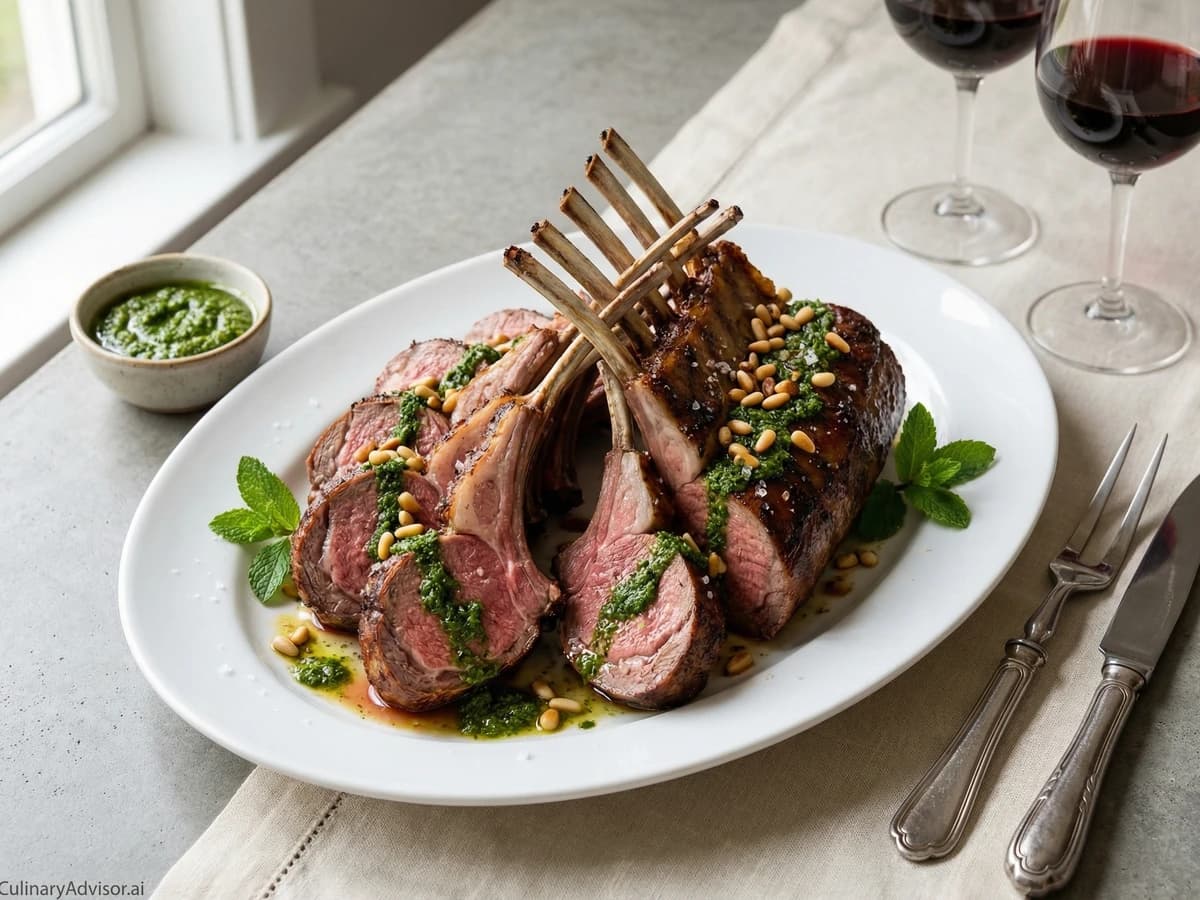
Tender ground lamb braised with root vegetables and herbs, blanketed under a golden crust of buttery mashed potatoes. The kind of meal that makes a kitchen smell like home on a cold evening.
Main Dishes
British
Comfort Food
Make Ahead
45 min
Active Time
1 hr 15 min cook•2 hr total
Yield6 servings
Start with the lamb. This dish was born from necessity: shepherds in the British Isles using what they had, stretching precious meat with vegetables from the root cellar, covering everything with potatoes to hold in the warmth. It is peasant food in the best sense. Honest, filling, and deeply satisfying.
The lamb matters most. Pasture-raised animals that have eaten grass and moved freely on the land taste different from those raised in confinement. The fat carries flavor. The meat has depth. When you brown good lamb in a hot pan, you will smell the difference before you taste it.
Root vegetables belong here: carrots, celery, onion, maybe a parsnip if you find a good one. They should be fresh and firm, not the tired specimens that have lingered too long in cold storage. Cut them small so they meld into the filling, each bite a balance of meat and vegetable.
The potatoes deserve attention too. Waxy varieties hold their shape but turn gummy when mashed. You want starchy potatoes, Yukon Gold or Russet, that will whip into clouds when treated with butter and cream. The crust should be golden and crisp at the edges, soft and yielding beneath. This is a dish that asks for second helpings.
The technique, the tradition, and the story behind every dish.
Heat one tablespoon of oil in a large Dutch oven or deep skillet over medium-high heat. Add the ground lamb, breaking it into large pieces with a wooden spoon. Let it sit undisturbed for two minutes to develop a proper crust. Stir and continue cooking until deeply browned, another five to six minutes. The fond on the bottom of the pan is flavor. Do not scrub it away. Transfer the lamb to a bowl, leaving the rendered fat behind.
Resist the urge to stir constantly. Good browning requires patience and contact with hot metal.
2
Soften the vegetables
Add the remaining tablespoon of oil to the pan. Add the onion, carrots, and celery with a generous pinch of salt. Cook over medium heat, stirring occasionally, until the vegetables have softened and the onion turns translucent, about eight minutes. The salt draws out moisture and helps everything cook evenly. Add the garlic and cook until fragrant, one minute more.
3
Build the sauce
Clear a space in the center of the pan and add the tomato paste. Let it cook in the hot spot for thirty seconds, stirring it into the vegetables. Sprinkle the flour over everything and stir to coat. Pour in the wine, scraping up any browned bits from the bottom. Let it bubble for a minute to cook off the alcohol.
4
Simmer the filling
Return the lamb to the pan along with any accumulated juices. Add the stock, Worcestershire sauce, thyme, rosemary, and bay leaf. Bring to a gentle simmer and cook uncovered for twenty to twenty-five minutes, stirring occasionally, until the sauce has thickened and the vegetables are tender. Taste and adjust seasoning. The filling should be savory and rich, coating the meat without being soupy. Remove the bay leaf and stir in the frozen peas. They will cook in the residual heat.
5
Prepare the potatoes
While the filling simmers, place the potatoes in a large pot and cover with cold salted water by two inches. Bring to a boil, then reduce to a steady simmer. Cook until completely tender when pierced with a knife, fifteen to twenty minutes. Drain well and return to the warm pot. Let them steam dry for two minutes.
Starting potatoes in cold water ensures even cooking from edge to center. Dropping them into boiling water leaves the outside mushy before the inside is done.
6
Mash until smooth
Add the butter to the warm potatoes and mash until melted and incorporated. Pour in the warm milk and cream, continuing to mash until smooth and fluffy. Season generously with salt and pepper. Beat in the egg yolk, which will help the topping turn golden under the broiler. Taste again. The potatoes should be well seasoned on their own.
7
Assemble the pie
Preheat your oven to 400°F. Transfer the lamb filling to a 9x13-inch baking dish or a large cast iron skillet, spreading it evenly. Dollop the mashed potatoes over the top, then spread gently to cover the filling completely. Use a fork to create peaks and ridges across the surface. These will brown and crisp beautifully.
Seal the potatoes to the edges of the dish. Gaps allow the filling to bubble up and make a mess of your oven.
8
Bake until golden
Place the dish on a rimmed baking sheet to catch any bubbling juices. Bake for twenty-five to thirty minutes until the filling is bubbling at the edges and the potato peaks have turned golden. If you want deeper color, run it under the broiler for two to three minutes, watching carefully. Let it rest for ten minutes before serving. The filling is volcanic straight from the oven.
Chef Tips
•Ask your butcher for pasture-raised lamb. The difference in flavor is worth seeking out. If you cannot find good lamb, this dish was historically made with whatever the shepherd had. Beef works, though then it becomes cottage pie.
•Make your own stock if you have lamb bones. Roast them until deep brown, then simmer with aromatics for several hours. The gelatin-rich result will make your filling silky.
•The wine is not optional. It adds acidity that balances the richness of the lamb. If you prefer not to cook with alcohol, substitute a splash of red wine vinegar mixed with additional stock.
•This is a dish for the colder months when root vegetables are at their best. In spring, consider adding fresh peas from the market instead of frozen, stirred in at the very end.
•A shepherd's pie improves overnight. The flavors marry as it sits. Reheat covered at 350°F until warmed through, then uncover and broil to re-crisp the top.
Advance Preparation
•The lamb filling can be made up to three days ahead and refrigerated. The flavors deepen with time.
•Assemble the complete pie up to one day ahead. Cover tightly and refrigerate. Add ten to fifteen minutes to the baking time since you are starting cold.
•Leftover shepherd's pie freezes well for up to two months. Thaw overnight in the refrigerator before reheating.
Frequently Asked Questions
Nutrition Information
1 serving (about 415g)
Calories
780 calories
Total Fat
50 g
Saturated Fat
23 g
Trans Fat
0 g
Unsaturated Fat
23 g
Cholesterol
190 mg
Sodium
640 mg
Total Carbohydrates
46 g
Dietary Fiber
6 g
Sugars
7 g
Protein
34 g
Where cooking meets culture.
Culinary guides, cultural storytelling, and the editorial depth that makes cooking meaningful.