
Chef Dean
Classic Beef Wellington
A magnificent whole beef tenderloin swaddled in earthy mushroom duxelles, wrapped in buttery puff pastry that shatters at the knife's touch. This is the centerpiece that silences a holiday table.
A cooking platform built around craft, culture, and the stories behind what we eat.

Created by
Shatteringly crisp ale batter gives way to snow-white halibut, served alongside golden hand-cut fries and sharp malt vinegar. This is British pub food reimagined with the Pacific Northwest's most prized white fish.
The British invented fish and chips out of necessity. Working-class families needed cheap protein that could stretch across the table, and battered cod fried in beef drippings answered that call. But here in the Pacific Northwest, we have access to something the chippy owners of London could only dream about: halibut. Dense, sweet, flaking into perfect white petals when cooked properly. This fish deserves the same reverence we give to salmon.
The Makah and other coastal tribes have harvested halibut from these cold waters for thousands of years, using hooks carved from yew wood and lines braided from kelp. Scandinavian immigrants who settled here recognized the fish immediately and brought their own traditions. The Asian fishing communities of Seattle and Astoria added theirs. What we have now is a regional cuisine shaped by everyone who worked these waters.
A proper beer batter requires cold ingredients and a light hand. Overwork it and you'll develop gluten, which means tough, chewy coating instead of the shatter you're after. I use a local amber ale for its malty backbone, though any decent beer with some character will serve. The carbonation creates tiny air pockets that expand in hot oil, producing that legendary crunch.
The chips deserve equal attention. Cut them thick, soak them twice, and fry them twice. This double-fry method, borrowed from Belgian tradition, ensures a creamy interior and a crust that stays crisp long enough to make it from plate to mouth. Serve everything on newspaper if you want authenticity, though I won't judge you for using a plate.
Quantity
2 lbs
cut into 6-oz portions
Quantity
1 1/2 cups, divided
Quantity
1/2 cup
Quantity
1 teaspoon
Quantity
1 teaspoon, plus more for seasoning
Quantity
1/2 teaspoon
Quantity
1/4 teaspoon
Quantity
12 oz
Quantity
2 lbs (about 4 large)
Quantity
about 2 quarts
for frying
Quantity
for serving
Quantity
for serving
Quantity
for finishing
Quantity
for garnish
chopped
Quantity
for serving
| Ingredient | Quantity |
|---|---|
| Pacific halibut fillet, skinnedcut into 6-oz portions | 2 lbs |
| all-purpose flour | 1 1/2 cups, divided |
| cornstarch | 1/2 cup |
| baking powder | 1 teaspoon |
| fine sea salt | 1 teaspoon, plus more for seasoning |
| freshly ground black pepper | 1/2 teaspoon |
| cayenne pepper | 1/4 teaspoon |
| cold amber ale or pale ale | 12 oz |
| russet potatoes | 2 lbs (about 4 large) |
| peanut or vegetable oilfor frying | about 2 quarts |
| malt vinegar | for serving |
| lemon wedges | for serving |
| flaky sea salt | for finishing |
| fresh parsley (optional)chopped | for garnish |
| tartar sauce (optional) | for serving |
Peel the russet potatoes and cut them into batons roughly 1/2 inch thick and 3 inches long. Uniformity matters here because it ensures even cooking. Place the cut potatoes in a large bowl of cold water and let them soak for at least 30 minutes, or up to 2 hours. This removes excess starch, which is the enemy of crispness. You'll see the water turn cloudy. That's exactly what you want leaving the potato, not staying in it.
Drain the potatoes thoroughly and spread them on a clean kitchen towel. Pat them completely dry. Wet potatoes in hot oil will sputter dangerously and steam instead of fry. Heat your oil in a large Dutch oven or heavy pot to 325°F. Working in batches to avoid crowding, fry the potatoes for 4 to 5 minutes. They should be cooked through but still pale, with no color to speak of. Transfer to a wire rack set over a sheet pan. Let them rest while you prepare the fish. This first fry cooks the interior. The second will create the crust.
Pat your halibut portions completely dry with paper towels. I cannot stress this enough. Moisture prevents batter from adhering and causes dangerous oil splatter. Season each piece generously with salt and pepper on all sides. Let them rest at room temperature while you make the batter, about 10 minutes. Cold fish straight from the refrigerator will lower your oil temperature dramatically and result in greasy, soggy coating.
In a large bowl, whisk together 1 cup of the flour, the cornstarch, baking powder, 1 teaspoon salt, black pepper, and cayenne. Make a well in the center and pour in the cold beer. Whisk gently from the center outward, incorporating flour gradually until you have a batter the consistency of heavy cream. Some lumps are fine. Desirable, even. Overworking develops gluten, which makes the coating tough instead of crisp. The batter should coat the back of a spoon but still drip freely. Refrigerate for 10 minutes if your kitchen is warm.
Place the remaining 1/2 cup flour in a shallow dish. Raise your oil temperature to 375°F. This higher heat is critical for the fish. Dredge each halibut portion in the flour, shaking off excess, then dip into the batter, letting the excess drip back into the bowl for a count of three. The flour layer helps the batter grip. Lower the fish gently into the hot oil, away from yourself to prevent splashing.
Fry 2 pieces at a time to maintain oil temperature. The fish will sink initially, then float as the batter puffs. Cook for 5 to 6 minutes, turning once halfway through with a spider or slotted spoon. The batter should be deep golden brown and audibly crackling. When you lift a piece from the oil, it should feel significantly lighter than when it went in. That lightness indicates the moisture has escaped and been replaced by air pockets. Transfer to a wire rack and season immediately with flaky salt while the surface is still hot enough to make it stick.
While the fish rests (and it should rest, 2 minutes minimum), raise your oil to 375°F for the second chip fry. Working in batches, fry the par-cooked potatoes for 2 to 3 minutes until deeply golden and crisp. They'll sizzle aggressively at first, then quiet as moisture escapes. Listen for that change. The sound tells you more than a timer. Transfer to the wire rack and season generously with fine salt while hot.
Pile the chips onto warmed plates or a newspaper-lined basket. Nestle the halibut alongside. Add lemon wedges and a small dish of malt vinegar. The vinegar is not optional. Its sharp acidity cuts through the richness of the fried food and brightens every bite. Scatter chopped parsley over everything if you like green on the plate. Serve tartar sauce on the side for those who want it. Eat immediately. Fried food waits for no one.
1 serving (about 550g)
Culinary guides, cultural storytelling, and the editorial depth that makes cooking meaningful.
Discover Culinary ExplorerChef Dean
A magnificent whole beef tenderloin swaddled in earthy mushroom duxelles, wrapped in buttery puff pastry that shatters at the knife's touch. This is the centerpiece that silences a holiday table.

Chef Ally
A celebration of autumn mushrooms wrapped in shatteringly crisp pastry, rich with herbs and walnuts, sliced at the table to reveal a filling so savory and satisfying that no one asks where the meat is.
Chef Dean
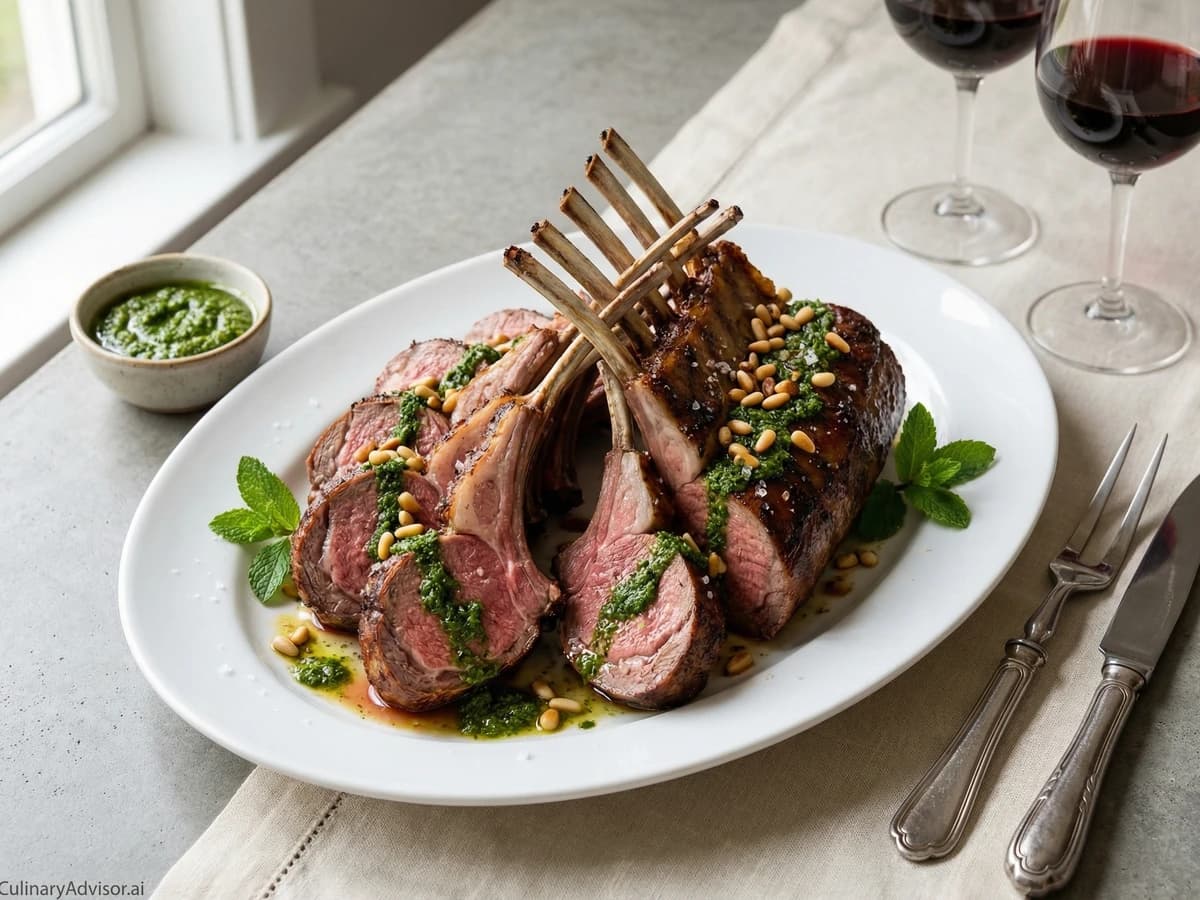
A frenched rack of lamb, seared to a burnished crust and roasted until rosy pink, served with a vibrant mint pesto that honors the British tradition while bringing something genuinely alive to your Easter table.

Chef Ally
Tender ground lamb braised with root vegetables and herbs, blanketed under a golden crust of buttery mashed potatoes. The kind of meal that makes a kitchen smell like home on a cold evening.