
Chef Dean
British Yorkshire Pudding
Towering golden popovers with shatteringly crisp shells and tender, custardy interiors, baked in smoking-hot beef drippings until they puff into edible vessels worthy of your finest gravy.
A cooking platform built around craft, culture, and the stories behind what we eat.
Created by
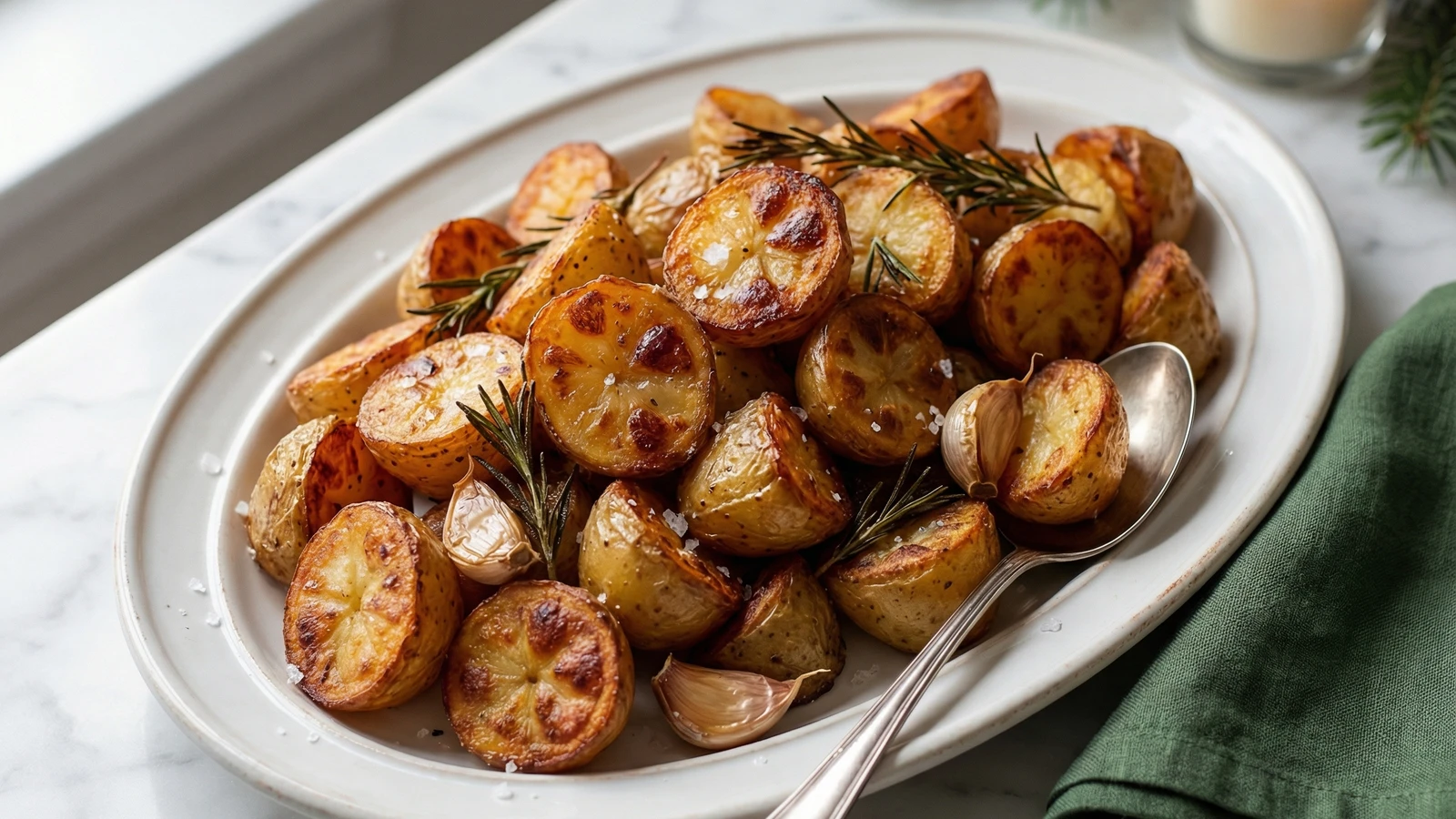
Shatteringly crisp roasted potatoes with fluffy interiors, bronzed in luxurious goose fat until every edge crackles. The British Christmas tradition that turns a humble tuber into the most contested dish on the table.
The British understand something about potatoes that took me years to appreciate. While we Americans were busy baking and mashing, they were roasting theirs in goose fat until the edges turned to crackling bronze and the centers went soft as clouds. This is technique worth crossing an ocean to learn.
Goose fat isn't mere extravagance. It has a higher smoke point than butter, a cleaner flavor than olive oil, and a particular affinity for potatoes that borders on the chemical. The fat renders into every craggy surface you create, building a crust so crisp it shatters audibly when your fork breaks through. The interior stays impossibly fluffy. The contrast is what makes people fight over the last one.
I've served these at countless Christmas dinners and watched guests abandon all pretense of politeness. Grown adults have been known to guard the serving platter. Children who claim to hate vegetables will eat a dozen. The technique requires three non-negotiable steps: parboiling until nearly falling apart, roughing up those edges like you mean it, and roasting in fat so hot it spits when the potatoes hit the pan.
Make these once and you'll never roast potatoes any other way. They're the reason the British roast tradition endures, and they deserve a permanent place at your holiday table.
Quantity
3 pounds
Quantity
1/2 cup
Quantity
2 teaspoons
Quantity
1 teaspoon
for finishing
Quantity
1/2 teaspoon
Quantity
4
Quantity
6
unpeeled
| Ingredient | Quantity |
|---|---|
| Yukon Gold or Maris Piper potatoes | 3 pounds |
| goose fat | 1/2 cup |
| fine sea salt | 2 teaspoons |
| flaky sea saltfor finishing | 1 teaspoon |
| freshly ground black pepper | 1/2 teaspoon |
| fresh rosemary sprigs (optional) | 4 |
| garlic cloves (optional)unpeeled | 6 |
Peel the potatoes and cut them into roughly equal pieces, about 2 inches across. Uniformity matters here because you want them to finish at the same time. Too small and they'll dry out. Too large and the centers stay dense. If using smaller potatoes, halve them. Larger ones get quartered.
Place potatoes in a large pot and cover with cold water by two inches. Add enough salt to make the water taste like the sea (about 2 tablespoons per quart). Bring to a boil, then reduce to a vigorous simmer. Cook for 15 to 18 minutes, until a knife slides through with almost no resistance. You want them slightly overdone. The edges should look feathered and threatening to crumble. This is correct.
Drain the potatoes in a colander and let them sit for 5 minutes, shaking occasionally. Steam will rise and escape. This step removes surface moisture that would otherwise prevent crisping. You'll see the edges go from glossy wet to matte and chalky. That's the starch setting up for its transformation.
Return potatoes to the empty pot. Cover with the lid and shake vigorously five or six times. You want to batter them against each other and the pot walls. The edges should roughen and fray, some bits falling off entirely. These craggy surfaces become your crispy bits. More texture means more crunch. Don't be gentle. The potatoes can take it.
While potatoes steam, preheat your oven to 425°F with a rack in the upper third. Add the goose fat to a large roasting pan or rimmed sheet pan. Place in the oven and heat until the fat shimmers and ripples, about 10 minutes. It should be approaching its smoke point. When you see the first wisps of smoke from the oven, you're ready.
Working quickly and carefully, add the potatoes to the screaming hot fat. They should sizzle aggressively on contact. If they don't, your fat isn't hot enough. Use tongs to turn each potato, coating all sides in the fat. Spread them in a single layer with space between each one. Crowding creates steam. Steam prevents crisping. Season with the fine sea salt and pepper.
Roast for 25 minutes without touching them. Then use a thin spatula to flip each potato, scraping up any bits that have stuck. The undersides should be deep golden brown with darker spots where the craggy edges caught. Add the rosemary sprigs and garlic cloves now if using. Roast another 20 to 25 minutes, flipping once more halfway through, until all sides are bronzed and the edges look almost burnt in spots. They're not burnt. They're perfect.
Transfer potatoes to a warmed serving platter using a slotted spoon, leaving excess fat behind. Scatter with flaky sea salt immediately while they're still glistening. Tuck the roasted rosemary and garlic around the edges if you used them. Serve without delay. These potatoes wait for no one, and their crispness diminishes with every passing minute.
1 serving (about 350g)
Culinary guides, cultural storytelling, and the editorial depth that makes cooking meaningful.
Discover Culinary ExplorerChef Dean
Towering golden popovers with shatteringly crisp shells and tender, custardy interiors, baked in smoking-hot beef drippings until they puff into edible vessels worthy of your finest gravy.

Chef Dean
Caramelized Brussels sprouts paired with sweet roasted chestnuts and salty bacon lardons, the dish that has graced British Christmas tables for generations and turned countless skeptics into believers.

Chef Dean
Tender green peas glossed with sweet butter and ribbons of fresh mint, the classic British side dish that has graced Easter tables for generations and deserves a permanent place at yours.
Chef Juliette
Boulettes au suif, poached beside salt beef, turn equal weights of flour and finely chopped suet into tender, rich dumplings. Keep the beef liquor at a bare tremble and the old garnish works beautifully at home.