
Chef Dean
Brussels Sprouts with Chestnuts
Caramelized Brussels sprouts paired with sweet roasted chestnuts and salty bacon lardons, the dish that has graced British Christmas tables for generations and turned countless skeptics into believers.
A cooking platform built around craft, culture, and the stories behind what we eat.
Created by
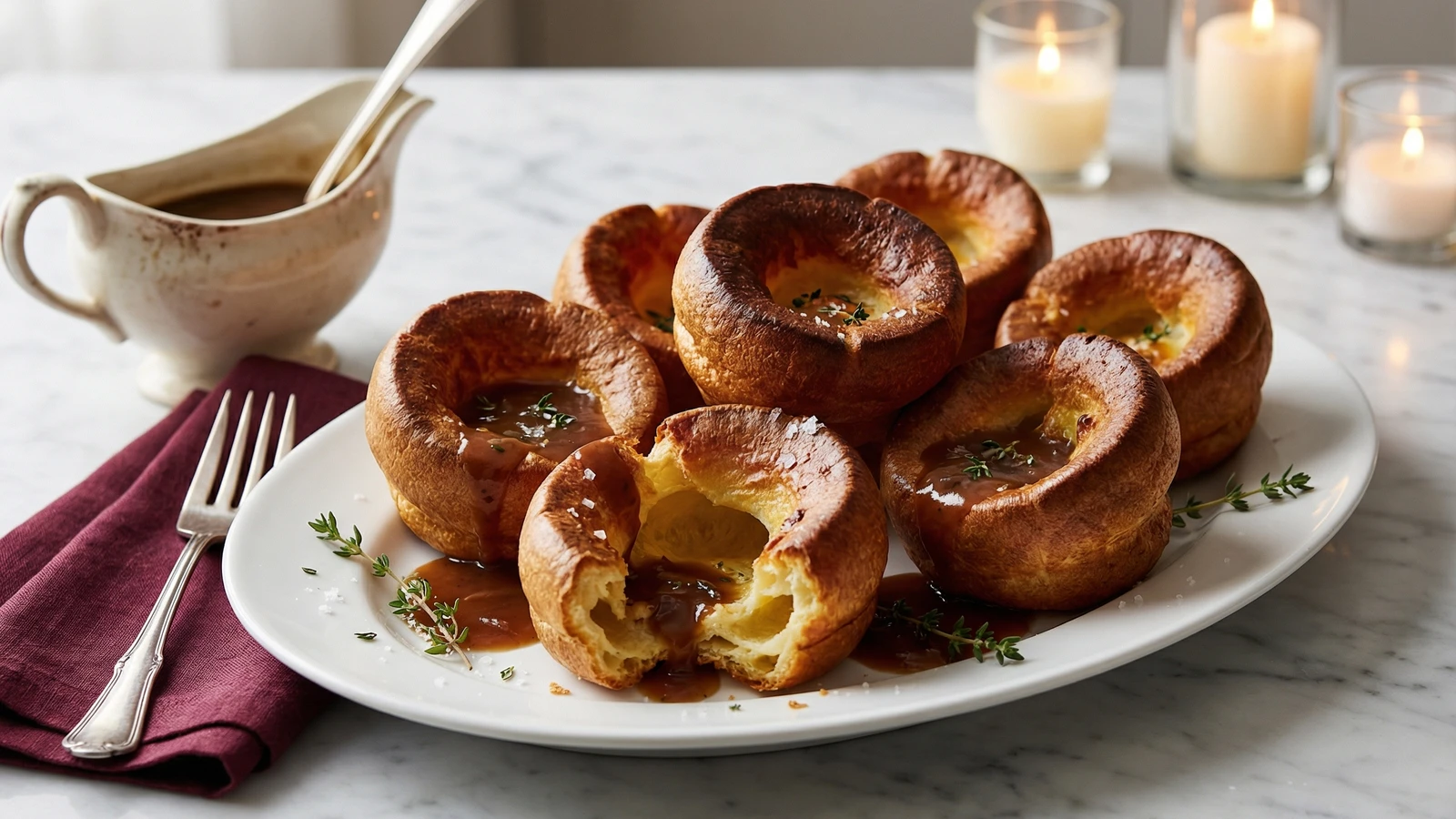
Towering golden popovers with shatteringly crisp shells and tender, custardy interiors, baked in smoking-hot beef drippings until they puff into edible vessels worthy of your finest gravy.
The Yorkshire pudding is proof that the British understood something fundamental about cooking long before the French codified their sauces. This is a dish born of thrift and genius in equal measure. Originally baked beneath the roasting joint to catch the drippings, it served as a first course to fill bellies before the expensive meat arrived. Now it takes its rightful place alongside the roast, a golden, hollow vessel designed by destiny to hold gravy.
The batter could not be simpler: eggs, flour, milk, salt. Four ingredients. Yet I've watched countless cooks struggle with flat, dense puddings that refuse to rise. The secret lives entirely in temperature. Your fat must be smoking. Your batter must be rested. Your oven must stay closed. Violate any of these commandments and you'll serve pancakes.
I first encountered proper Yorkshire pudding at a pub in Harrogate where an elderly woman presided over the Sunday roast with the authority of a general. Her puddings rose six inches above the tin, their sides impossibly thin and crisp, their centers soft as fresh bread. She used beef drippings saved from decades of Sunday roasts, and she would sooner reveal state secrets than open her oven door before the timer rang.
For your Christmas table, these puddings offer both spectacle and practicality. They can be made in individual portions for elegant plating or as one dramatic communal pudding sliced at the table. Either way, they demand to be served immediately, filled with gravy, and consumed with the kind of enthusiasm that makes guests forget their manners.
Quantity
4
room temperature
Quantity
1 cup
room temperature
Quantity
1 cup
Quantity
1/2 teaspoon
Quantity
1/4 cup
Quantity
to taste
| Ingredient | Quantity |
|---|---|
| large eggsroom temperature | 4 |
| whole milkroom temperature | 1 cup |
| all-purpose flour | 1 cup |
| fine sea salt | 1/2 teaspoon |
| beef drippings or vegetable oil | 1/4 cup |
| freshly ground black pepper (optional) | to taste |
Crack the eggs into a large mixing bowl and beat them vigorously until frothy and lightened in color, about two minutes by hand. The eggs provide all the lift this batter will ever have, so don't shortchange them. Add the milk and whisk until fully combined. Sift the flour and salt directly over the wet ingredients, then whisk until you have a smooth batter with the consistency of heavy cream. A few small lumps are acceptable. Aggressive overworking is not.
Cover the bowl with a clean kitchen towel and let the batter rest at room temperature for at least one hour. This allows the flour to fully hydrate and the gluten to relax. Rested batter produces puddings that rise higher and develop crispier shells. You can prepare this in the morning and leave it covered until dinnertime.
Position a rack in the center of your oven and preheat to 425°F (220°C). Place a 12-cup muffin tin in the oven as it heats. Once the oven reaches temperature, carefully add approximately one teaspoon of beef drippings or oil to each cup. Return the tin to the oven and heat until the fat is shimmering and just beginning to smoke. This takes seven to ten minutes. The fat must be dangerously hot. Anything less and your puddings will stick and refuse to rise.
Give the rested batter a final quick whisk to recombine any settled flour. Working swiftly (the fat loses heat rapidly), remove the tin from the oven and pour batter into each cup, filling them roughly halfway. You should hear an aggressive sizzle the moment batter meets fat. If you don't, your fat wasn't hot enough. Immediately return the tin to the oven.
Bake for 20 to 25 minutes without opening the oven door. This is the moment where discipline separates the triumphant from the disappointed. Every time you open that door, you release heat and steam that the puddings need to rise. At 20 minutes, peek through the oven window. The puddings should be deeply golden and puffed well above the rim of the tin. If they're pale, give them another three to five minutes.
Remove the puddings from the oven. They will begin to deflate slightly within minutes, which is expected and proper. Use a small offset spatula or butter knife to release them from the tin. Transfer to a warm platter and serve at once. The ideal Yorkshire pudding has a crisp, golden exterior that shatters when pressed and a soft, almost custardy interior that soaks up gravy like a sponge.
1 serving (about 52g)
Culinary guides, cultural storytelling, and the editorial depth that makes cooking meaningful.
Discover Culinary ExplorerChef Dean
Caramelized Brussels sprouts paired with sweet roasted chestnuts and salty bacon lardons, the dish that has graced British Christmas tables for generations and turned countless skeptics into believers.

Chef Dean
Tender green peas glossed with sweet butter and ribbons of fresh mint, the classic British side dish that has graced Easter tables for generations and deserves a permanent place at yours.

Chef Dean
Shatteringly crisp roasted potatoes with fluffy interiors, bronzed in luxurious goose fat until every edge crackles. The British Christmas tradition that turns a humble tuber into the most contested dish on the table.
Chef Juliette
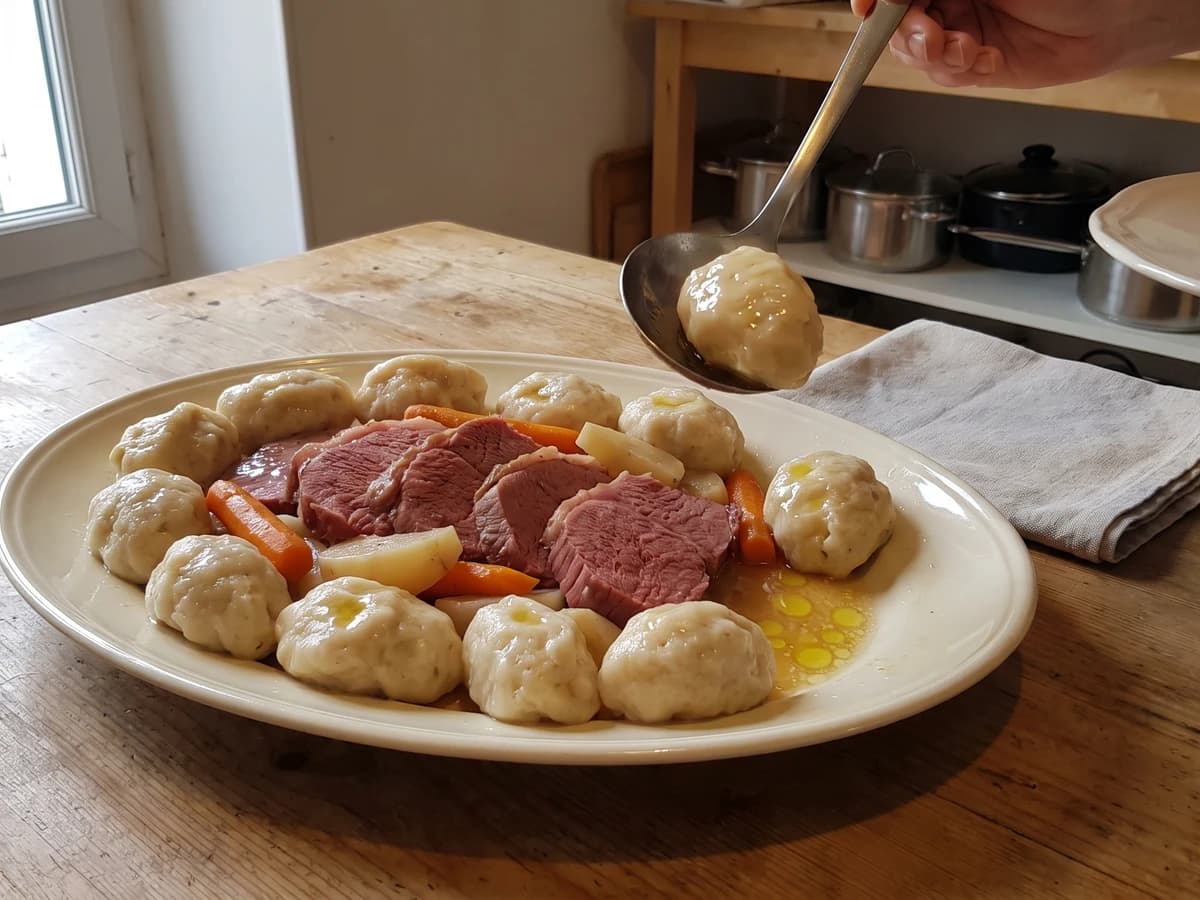
Boulettes au suif, poached beside salt beef, turn equal weights of flour and finely chopped suet into tender, rich dumplings. Keep the beef liquor at a bare tremble and the old garnish works beautifully at home.