Chef Dean
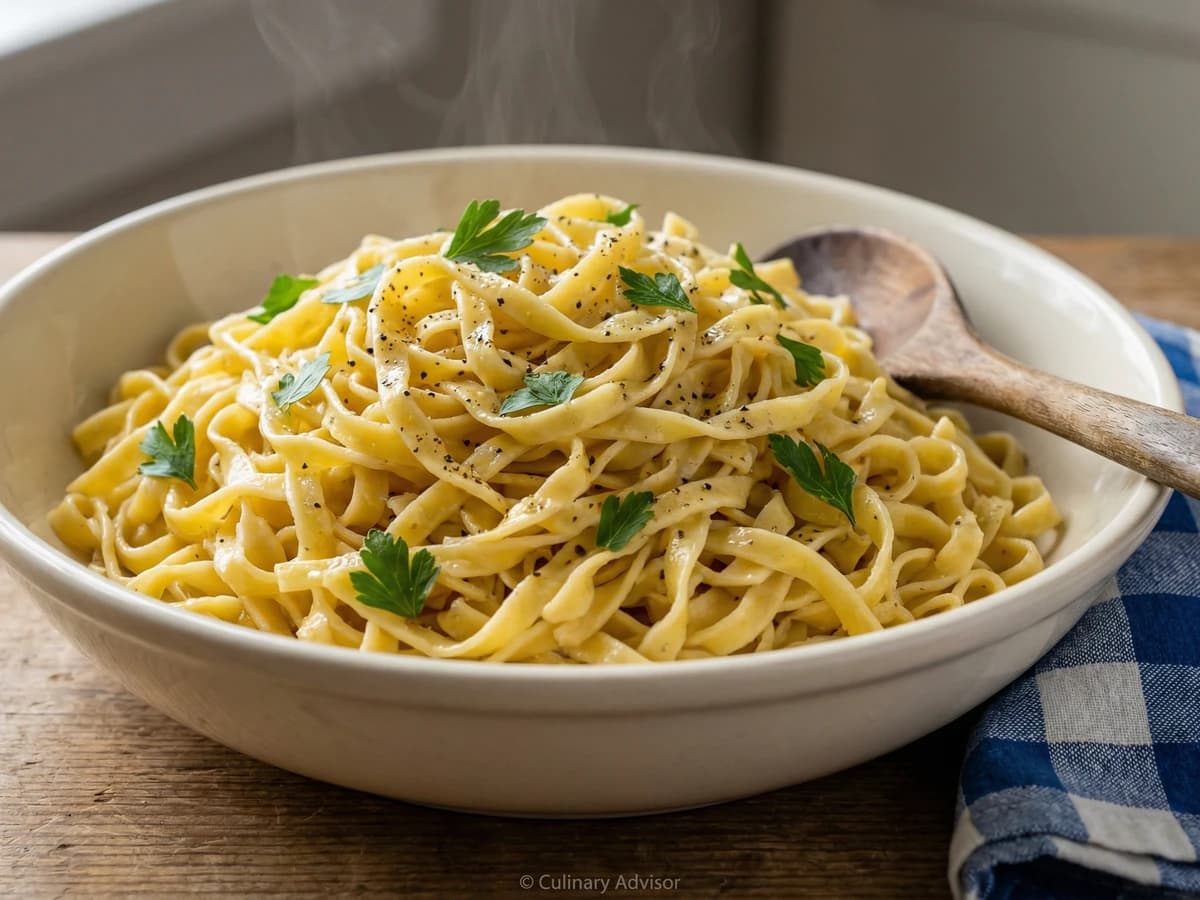
Amish Buttered Egg Noodles
The humblest side dish in the Pennsylvania Dutch tradition, where wide egg noodles and good butter need nothing more than salt and a warm bowl to become the thing everyone remembers from the church supper.
A cooking platform built around craft, culture, and the stories behind what we eat.

Created by
Deeply caramelized Brussels sprouts with crispy edges and smoky bacon lardons, roasted at high heat until the outer leaves char and shatter while the centers turn sweet and tender.
Brussels sprouts spent decades as the most maligned vegetable in America. Overcooked to sulfurous mush by well-meaning home cooks, they earned their reputation honestly. But the sprout's redemption story is one of the great culinary turnarounds of our time. High heat changed everything.
The secret is simple: cut them in half, expose that fresh interior to screaming hot oven air, and let the Maillard reaction work its magic. Those cut surfaces caramelize into something approaching candy. The outer leaves char and crisp. The centers turn sweet and yielding. Add bacon, and you've created a dish that converts skeptics at every Thanksgiving table I've ever attended.
This recipe has graced my holiday table for years. I've watched guests who swore they hated Brussels sprouts return for third helpings, sheepishly scraping the last caramelized bits from the serving platter. The bacon helps, certainly. But it's the roasting technique that does the heavy lifting.
For large gatherings, this dish rewards advance preparation. You can trim and halve the sprouts two days ahead. The bacon can be rendered the morning of. When your guests arrive and the turkey needs resting time, these sprouts slide into a hot oven and emerge twenty-five minutes later, perfectly timed for the feast.
Quantity
2 pounds
trimmed and halved
Quantity
8 ounces
cut into 1/2-inch lardons
Quantity
3 tablespoons
Quantity
1 teaspoon
Quantity
1/2 teaspoon
Quantity
3 cloves
minced
Quantity
2 tablespoons
Quantity
1/4 cup
freshly grated
Quantity
2 tablespoons
chopped
| Ingredient | Quantity |
|---|---|
| Brussels sproutstrimmed and halved | 2 pounds |
| thick-cut baconcut into 1/2-inch lardons | 8 ounces |
| olive oil | 3 tablespoons |
| kosher salt | 1 teaspoon |
| freshly ground black pepper | 1/2 teaspoon |
| garlicminced | 3 cloves |
| balsamic vinegar | 2 tablespoons |
| Parmesan cheesefreshly grated | 1/4 cup |
| fresh parsley (optional)chopped | 2 tablespoons |
Position your oven rack in the lower third of the oven and preheat to 425°F. This placement puts the sprouts closer to the heat source, encouraging deeper caramelization on those cut surfaces. A hot oven is non-negotiable here. Anything below 400°F produces steamed, sad sprouts.
Spread the bacon lardons in a single layer on a large rimmed sheet pan. Place in the cold oven as it preheats, then roast for 8-10 minutes until the fat has rendered and the edges are beginning to crisp. The bacon will continue cooking with the sprouts, so pull it while still slightly underdone. Remove the pan carefully. The rendered bacon fat pooling on the sheet is liquid gold. Leave every drop.
While the bacon renders, trim the stem ends from your Brussels sprouts and remove any yellowed or damaged outer leaves. Halve each sprout through the root end. Some outer leaves will fall away. Save them. These loose leaves become the crispiest, most sought-after bits on the platter. Dry the sprouts thoroughly with paper towels. Moisture is the enemy of caramelization.
Add the halved sprouts and loose leaves to the sheet pan with the bacon and rendered fat. Drizzle with olive oil and season with salt and pepper. Toss everything together using your hands or two wooden spoons, ensuring each sprout is coated with fat. Now arrange them deliberately: cut-side down, in a single layer, with space between each piece. Crowding creates steam. Steam prevents browning. This step determines success.
Roast for 15 minutes without disturbing. Opening the oven or stirring interrupts the caramelization you're building. After 15 minutes, check the undersides. You want deep golden brown, approaching charred in spots. If they're pale, give them another 5 minutes. When the cut sides are properly colored, stir everything together and roast for another 8-10 minutes until the sprouts are tender when pierced with a knife and the outer leaves are charred and crispy.
Remove the pan from the oven and immediately scatter the minced garlic over the hot sprouts. The residual heat will bloom the garlic's flavor without risking the bitter taste of burnt garlic. Toss gently. Drizzle the balsamic vinegar over everything and toss again. The vinegar will sizzle and reduce slightly on contact with the hot vegetables, concentrating its sweetness.
Transfer to a warmed serving platter or present directly on the sheet pan for a rustic family-style presentation. Shower with freshly grated Parmesan while the sprouts are still hot, allowing it to melt slightly into the crevices. Finish with chopped parsley for color. Serve immediately. These sprouts are best consumed within minutes of leaving the oven, while the outer leaves still shatter and the bacon retains its crispness.
1 serving (about 81g)
Culinary guides, cultural storytelling, and the editorial depth that makes cooking meaningful.
Discover Culinary ExplorerChef Dean
The humblest side dish in the Pennsylvania Dutch tradition, where wide egg noodles and good butter need nothing more than salt and a warm bowl to become the thing everyone remembers from the church supper.

Chef Dean
Golden-topped, impossibly creamy shredded potato casserole with a shattering cornflake crust. This is the dish that appears at every church supper, potluck, and time of need across the American heartland.

Chef Dean
Golden-topped stuffing with tender, savory bread cubes perfumed by fresh sage and sweet onions. This is the dish people return to year after year, the one that makes Thanksgiving taste like Thanksgiving.

Chef Dean
Plump hominy kernels braised in smoky bacon fat with roasted Hatch chiles, cumin, and a bright hit of lime. This is the side dish that disappears first at every potluck, the one neighbors ask you to bring again and again.