Chef Graziella
Abbacchio a Scottadito
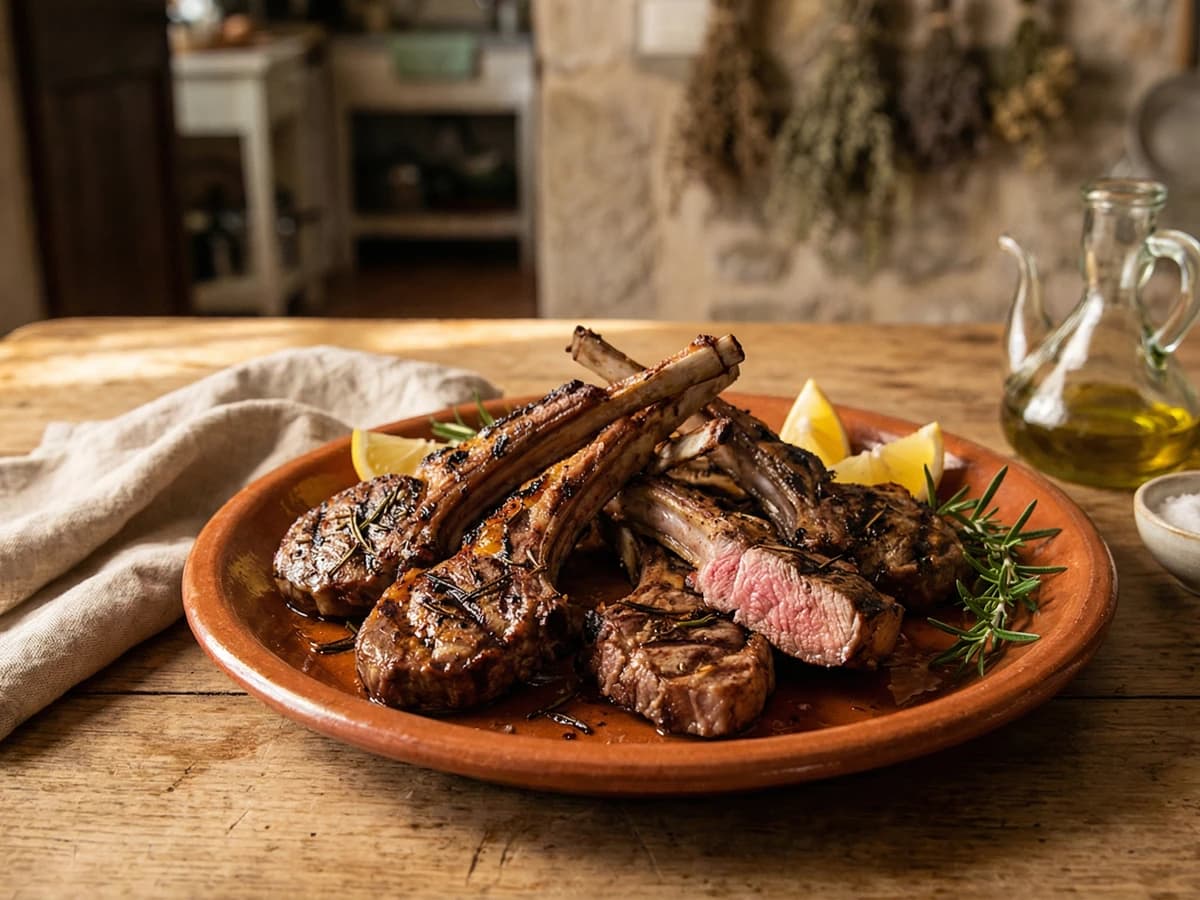
Roman lamb chops grilled over scorching heat, seasoned with nothing but salt, rosemary, and fire. You eat them with your hands, straight from the grill, burning your fingers because you cannot wait.
A cooking platform built around craft, culture, and the stories behind what we eat.

Created by
Rome's angry pasta, where peperoncino and garlic transform simple tomato sauce into something that bites back. Four ingredients, no apologies, served with the urgency it deserves.
Arrabbiata means angry, and this sauce earns the name. The heat comes from peperoncino, the dried red chili that Romans use with a generous hand. This is not a shy dish. It is not subtle. It announces itself.
The cooking of Rome has always favored directness. Where Bologna builds flavor through hours of patient simmering, Rome achieves intensity through bold, immediate gestures. Guanciale in carbonara. Pecorino in cacio e pepe. Peperoncino in arrabbiata. Each ingredient makes a statement.
Do not be timid with the chili. The sauce should have presence. If your eyes do not water slightly while it simmers, you have held back too much. You can always make a milder sauce tomorrow. Today, make the real thing.
This takes thirty minutes. It uses four real ingredients. There is no cream, no butter, no cheese in the traditional preparation. What you keep out is as significant as what you put in.
Arrabbiata emerged from Roman trattorias in the mid-20th century, though its exact origins remain disputed. Some credit the working-class neighborhoods of Trastevere, where cooks stretched simple pantry ingredients with generous heat. The dish spread from Rome across Italy and eventually the world, though outside Lazio it is often made too mild, which defeats the entire purpose.
Quantity
1 pound
Quantity
1 can (28 ounces)
whole peeled
Quantity
1/3 cup
Quantity
4
sliced thin
Quantity
1 teaspoon, or more to taste
Quantity
to taste
Quantity
2 tablespoons
chopped
| Ingredient | Quantity |
|---|---|
| penne rigate | 1 pound |
| San Marzano tomatoeswhole peeled | 1 can (28 ounces) |
| extra virgin olive oil | 1/3 cup |
| garlic clovessliced thin | 4 |
| dried peperoncino flakes | 1 teaspoon, or more to taste |
| kosher salt | to taste |
| fresh flat-leaf parsleychopped | 2 tablespoons |
Pour the tomatoes into a bowl and crush them by hand into coarse pieces. Do not use a blender or food processor. You want texture, not baby food. The tomatoes should be uneven, some chunks larger than others. Set aside.
Bring a large pot of water to a boil. Salt it generously. The water should taste like the sea. This is your only chance to season the pasta itself.
In a wide skillet or sauté pan, combine the olive oil, sliced garlic, and peperoncino flakes. Place over medium-low heat. Let the garlic warm slowly in the oil, releasing its fragrance. Watch it carefully. The garlic should turn pale gold at the edges, never brown. Brown garlic is bitter garlic. This takes 2 to 3 minutes.
When the garlic is fragrant and barely golden, add the crushed tomatoes. They will sputter. Stand back. Increase heat to medium and let the sauce simmer actively, stirring occasionally, for 15 to 18 minutes. The sauce should reduce and thicken, the raw tomato flavor giving way to something sweeter and more concentrated. Season with salt. Taste it. Adjust the heat with more peperoncino if you want more anger.
Cook the penne in the boiling water until two minutes short of the package time. It should be quite firm, more than al dente. The pasta will finish cooking in the sauce. Reserve one cup of pasta water before draining.
Add the drained penne to the sauce. Toss vigorously over medium heat, adding splashes of pasta water as needed, until the sauce clings to every quill and the pasta is properly al dente. This takes 2 to 3 minutes. The starchy water helps the sauce emulsify and coat. The pasta should be dressed, not swimming.
Remove from heat. Add the chopped parsley and toss once more. Serve immediately in warm bowls. Once the pasta is sauced, invite your guests and family to put off talking and start eating. Pasta waits for no one.
1 serving (about 350g)
Culinary guides, cultural storytelling, and the editorial depth that makes cooking meaningful.
Discover Culinary ExplorerChef Graziella
Roman lamb chops grilled over scorching heat, seasoned with nothing but salt, rosemary, and fire. You eat them with your hands, straight from the grill, burning your fingers because you cannot wait.
Chef Graziella
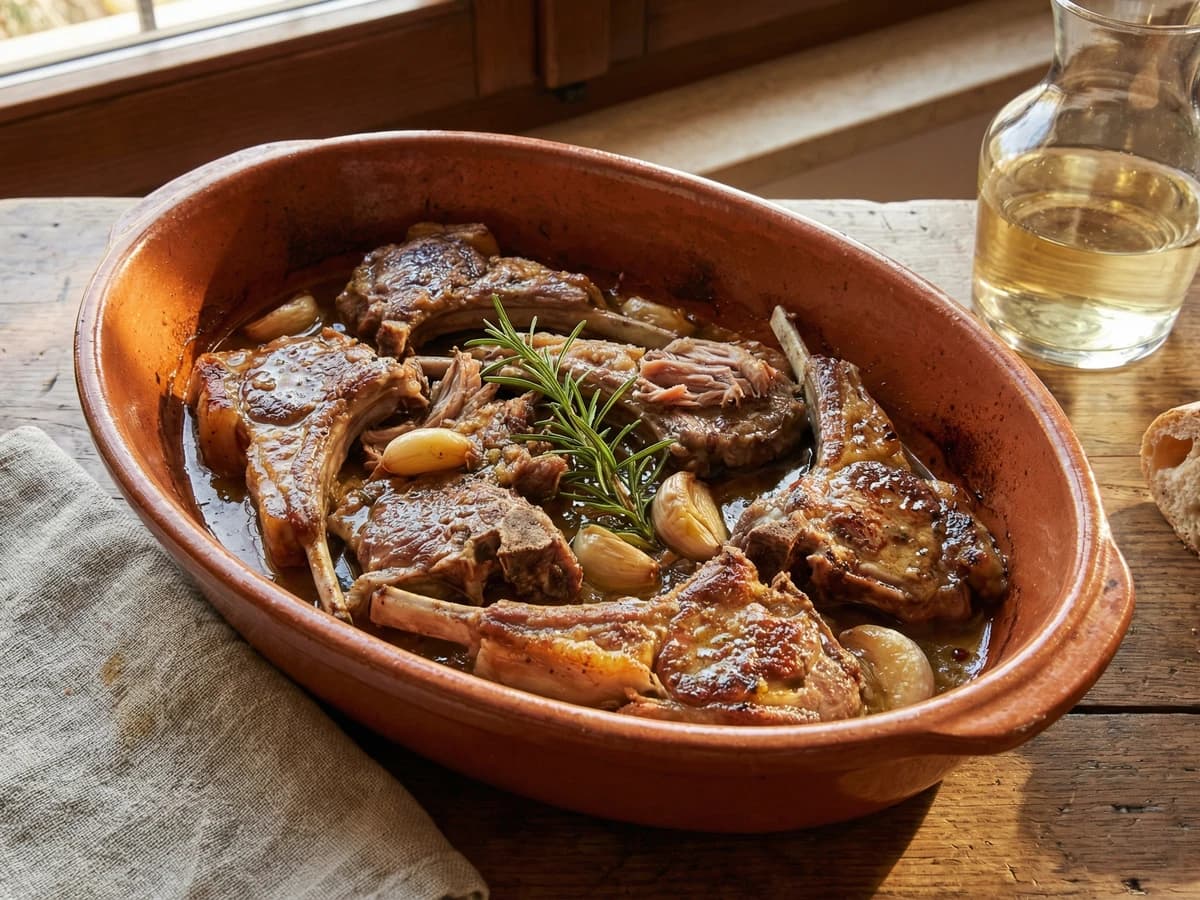
Roman milk-fed lamb cut like a chicken, braised with wine, rosemary, and anchovy until the meat surrenders to the fork. The anchovy disappears. The flavor does not.
Chef Graziella
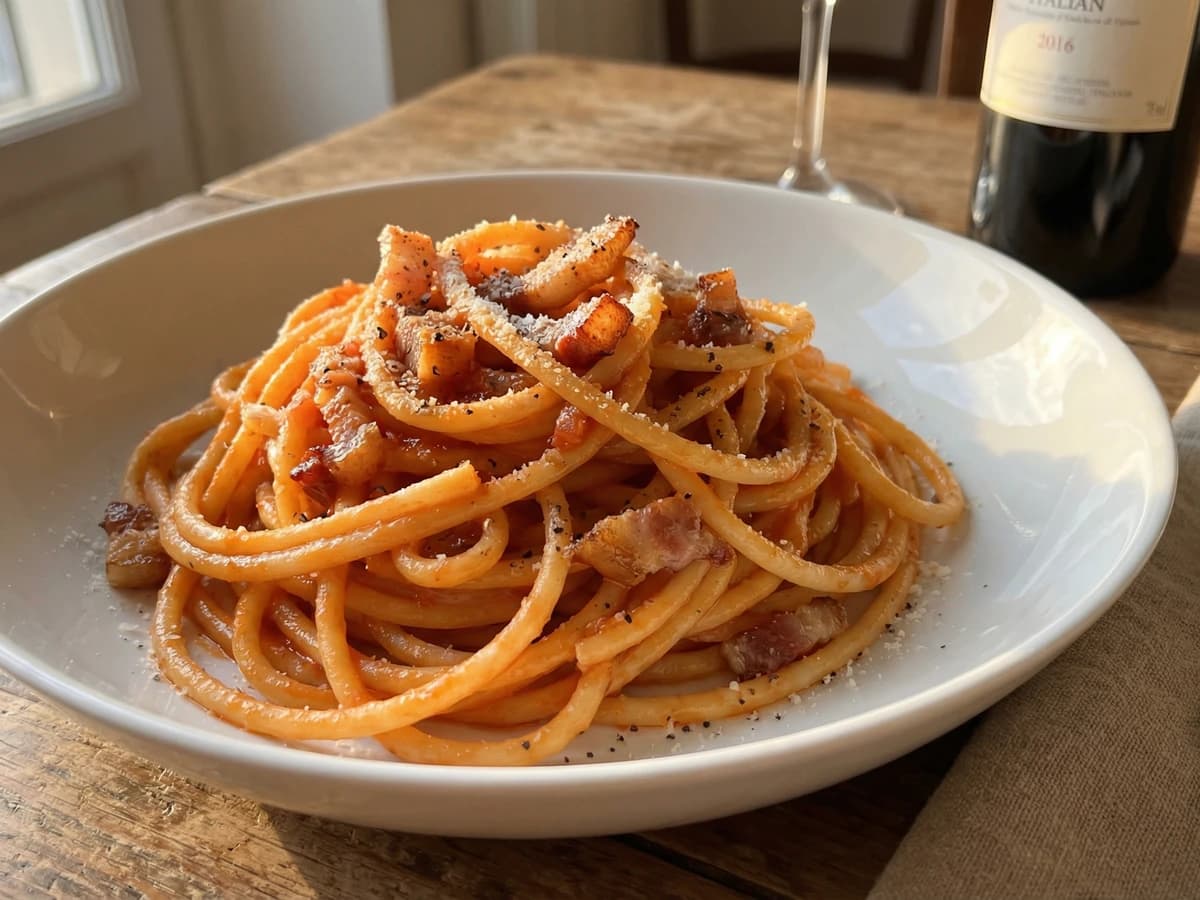
The true sauce of Amatrice: guanciale rendered to gold, tomatoes barely simmered, pecorino melted into silk. Three ingredients that tolerate no substitution and no addition.
Chef Graziella
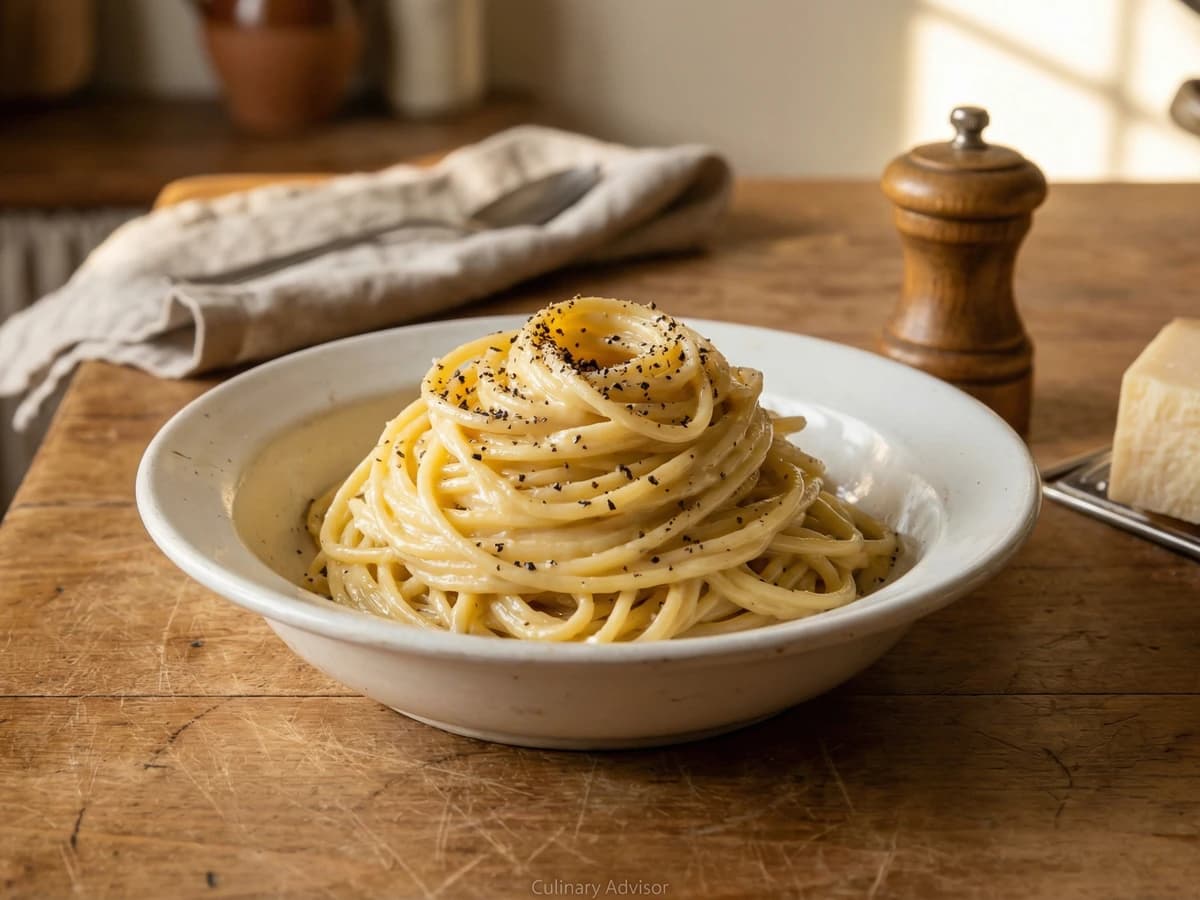
Three ingredients expose every flaw and reward every success. The silky emulsion of pecorino and pasta water, studded with cracked black pepper, is Rome's gift to cooks who understand that simple does not mean easy.