
Chef Juliette
Various Almond Preparations
Five almond preparations, one discipline: remove the skins cleanly, dry every kernel through, then cut, toast, or cloak it in pale caramel without letting its fragrant oils escape.
A cooking platform built around craft, culture, and the stories behind what we eat.
Created by
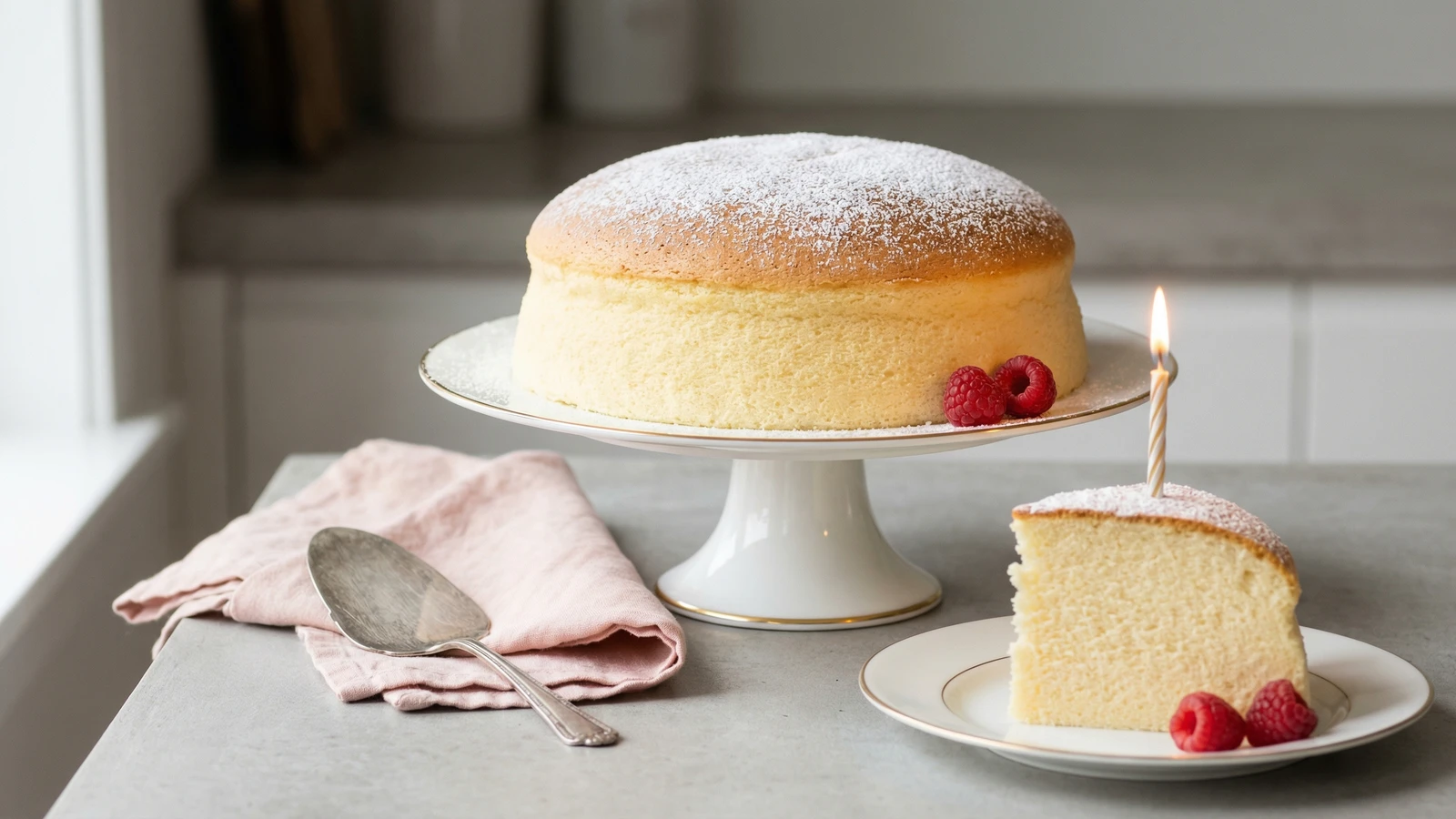
A cloud in cake form: impossibly light, delicately sweet, with that mesmerizing wobble that has made this Japanese creation famous across the world. It melts on your tongue before you quite realize you have taken a bite.
The first time I encountered this cake in a Tokyo bakery, I watched the server slice into it and saw the whole thing tremble. Not jiggle like American cheesecake, but shiver, as if it were alive. When I tasted it, the texture vanished on my tongue like morning mist burning off the harbor. I understood immediately why lines wrapped around the block.
This is not the dense New York cheesecake I grew up eating at Lindy's. Japanese cotton cheesecake borrows technique from the French soufflé and marries it to cream cheese, creating something entirely new. The meringue folded into the base gives it lift. The water bath creates gentle, enveloping heat. The result is a cake that weighs almost nothing yet satisfies completely.
Do not be intimidated by the technique. Yes, you will fold a meringue. Yes, you will use a water bath. Neither requires culinary school training. What they require is attention and care, qualities any home cook can summon for something this beautiful. The wobble you achieve when you pull it from the oven will make you proud. The faces around your table when you serve it will make you proud again.
Quantity
8 ounces (226g)
at room temperature
Quantity
1/4 cup (57g)
Quantity
1/2 cup (120ml)
Quantity
1/3 cup (40g)
Quantity
2 tablespoons
Quantity
6
separated, at room temperature
Quantity
3/4 cup (150g)
divided
Quantity
1 tablespoon
Quantity
1 teaspoon
Quantity
1/4 teaspoon
Quantity
1/4 teaspoon
Quantity
for dusting
| Ingredient | Quantity |
|---|---|
| cream cheeseat room temperature | 8 ounces (226g) |
| unsalted butter | 1/4 cup (57g) |
| whole milk | 1/2 cup (120ml) |
| cake flour | 1/3 cup (40g) |
| cornstarch | 2 tablespoons |
| large eggsseparated, at room temperature | 6 |
| granulated sugardivided | 3/4 cup (150g) |
| fresh lemon juice | 1 tablespoon |
| pure vanilla extract | 1 teaspoon |
| cream of tartar | 1/4 teaspoon |
| fine sea salt | 1/4 teaspoon |
| powdered sugar (optional) | for dusting |
Position your rack in the lower third of the oven and preheat to 320°F. Line the bottom and sides of a 9-inch springform pan with parchment paper, letting it extend about 2 inches above the rim. This collar allows the cheesecake to rise without constraint. Wrap the outside of the pan tightly in two layers of heavy-duty aluminum foil to prevent water from seeping in during the bath.
Combine cream cheese, butter, and milk in a medium saucepan over low heat. Stir constantly with a rubber spatula, pressing the cream cheese against the sides to help it melt smoothly. Continue until the mixture is completely homogeneous, about five minutes. The surface should look glossy with no visible lumps. Remove from heat.
Sift the cake flour and cornstarch directly into the warm cream cheese mixture. Whisk vigorously until the batter is completely smooth with no dry pockets hiding at the bottom. The warmth of the mixture helps the starches begin to hydrate, which contributes to that ethereal texture.
Whisk in the egg yolks one at a time, incorporating each fully before adding the next. Add 1/4 cup of the sugar, the lemon juice, and vanilla extract. Whisk until the batter turns pale yellow and ribbons slightly when you lift the whisk. Transfer to a large mixing bowl and set aside while you prepare the meringue.
In the bowl of a stand mixer fitted with the whisk attachment, combine the egg whites, cream of tartar, and salt. Beat on medium speed until frothy and opaque, about one minute. Increase speed to medium-high and add the remaining 1/2 cup sugar in a slow, steady stream. Continue beating until you achieve soft peaks: when you lift the whisk, the peaks should curl over gently like a breaking wave. Do not beat to stiff peaks, or folding will be difficult and you will lose precious air.
Add one third of the meringue to the cream cheese base. Use a large rubber spatula to fold assertively. This first addition lightens the base and sacrifices some air intentionally. Add another third and fold more gently, cutting through the center, scooping from the bottom, and rotating the bowl with each stroke. Fold in the final third with extreme care, using about fifteen strokes. Some white streaks are acceptable. A perfectly uniform batter means you have folded too much.
Pour the batter into your prepared pan, holding the bowl close to the surface to minimize air bubbles. Tap the pan gently twice on the counter. Place the pan in a roasting pan or deep baking dish. Set the roasting pan in the oven, then carefully pour very hot tap water into the roasting pan until it reaches halfway up the sides of the springform.
Bake for 25 minutes at 320°F. Without opening the oven door, reduce temperature to 285°F and continue baking for another 45 to 50 minutes. The cake is done when the top is golden brown and the center wobbles gently, like a set custard, when you nudge the pan. A toothpick inserted in the center should come out with moist crumbs, not wet batter.
Turn off the oven and crack the door open about two inches. Let the cheesecake cool in the oven for one full hour. This gradual temperature descent prevents the dramatic collapse and cracking that plagues rushed cheesecakes. After one hour, remove from the water bath and let cool completely at room temperature, still in the pan.
Run a thin knife around the inside of the parchment collar. Release the springform ring and carefully peel away the parchment from the sides. Transfer to a serving plate, dust generously with powdered sugar through a fine sieve, and slice with a thin, sharp knife dipped in hot water between cuts.
1 serving (about 240g)
Culinary guides, cultural storytelling, and the editorial depth that makes cooking meaningful.
Discover Culinary ExplorerChef Juliette
Five almond preparations, one discipline: remove the skins cleanly, dry every kernel through, then cut, toast, or cloak it in pale caramel without letting its fragrant oils escape.

Chef Juliette
A pastry pantry lesson in one tray: filberts warmed only until their red skins release, rubbed clean, cooled, and chopped into a fragrant mise-en-place for cakes, creams, pralines, and petits fours.

Chef Juliette
The smallest pâtisserie discipline decides whether a cake leaves its mould intact: clarified butter in every corner, followed by the lightest veil of dry flour or fécule.
Chef Juliette
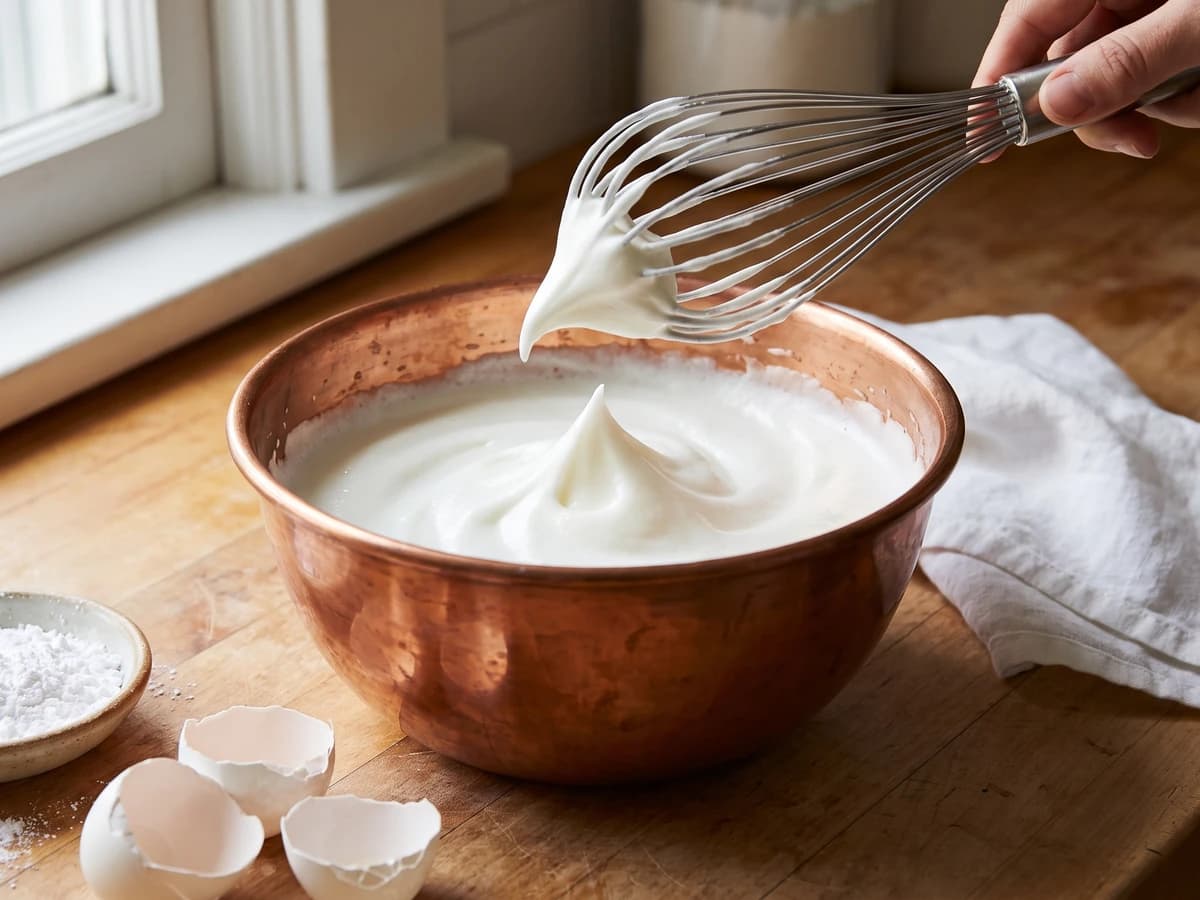
Four whites, one spotless bowl, and a patient change of speed: whisk gently until loosened, then briskly to glossy stiffness, with powdered sugar waiting if the foam begins to granulate.