Chef Juliette
Suet Dumpling
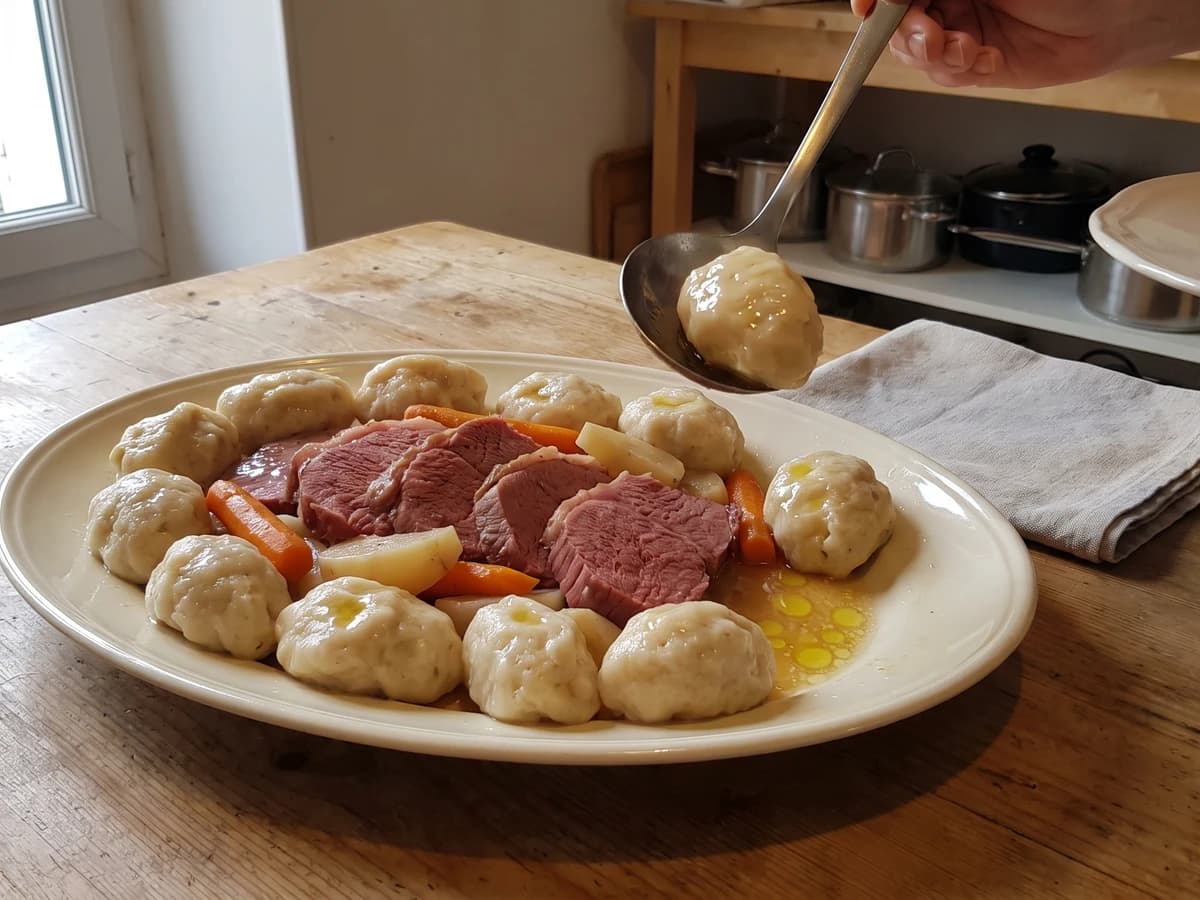
Boulettes au suif, poached beside salt beef, turn equal weights of flour and finely chopped suet into tender, rich dumplings. Keep the beef liquor at a bare tremble and the old garnish works beautifully at home.
A cooking platform built around craft, culture, and the stories behind what we eat.

Created by
Silky layers of potato swimming in cream, threaded with sweet-cured Swedish anchovies and soft onions, baked until the top shatters golden and the edges bubble with honest richness.
This dish has converted more anchovy skeptics than any missionary ever converted souls. The name translates to Jansson's Temptation, allegedly after a 19th century Swedish religious figure so devout he preached abstinence from earthly pleasures. Yet even he couldn't resist this gratin. Whether the story is true matters less than what it tells us: some dishes transcend willpower.
The secret lies in Swedish anchovies, which aren't anchovies at all. They're sprats cured in a sweet, spiced brine that renders them mild, almost candy-like compared to the briny Mediterranean fillets Americans know. Don't substitute. Find the real thing in the Scandinavian section of your grocery store or order online. The small Swedish tins labeled "ansjovis" are what you want. This single ingredient makes or breaks the dish.
I first encountered Janssons Frestelse at a Christmas smörgåsbord in Minnesota, surrounded by Scandinavian descendants who treated it as sacred as their grandmother's china. The gratin arrived bubbling, its surface a patchwork of golden potato edges and cream-darkened valleys. One bite explained everything. The potatoes had absorbed the cream until they were almost custard-like, while the anchovies had melted into savory sweetness throughout. It was comfort food elevated by restraint.
This recipe works beautifully for gatherings because it improves with advance preparation. Assemble it the night before, refrigerate, and bake the next day. The flavors marry. The potatoes soften further. Your Christmas morning becomes infinitely more peaceful.
Quantity
2 pounds
peeled
Quantity
2 medium
thinly sliced
Quantity
4 tablespoons
divided
Quantity
2 tins (125g each)
drained, liquid reserved
Quantity
1 1/2 cups
Quantity
1/2 cup
Quantity
1/2 teaspoon
Quantity
1/2 cup
Quantity
for garnish
| Ingredient | Quantity |
|---|---|
| Yukon Gold potatoespeeled | 2 pounds |
| yellow onionsthinly sliced | 2 medium |
| unsalted butterdivided | 4 tablespoons |
| Swedish anchovies (ansjovis)drained, liquid reserved | 2 tins (125g each) |
| heavy cream | 1 1/2 cups |
| whole milk | 1/2 cup |
| white pepper | 1/2 teaspoon |
| fine dry breadcrumbs | 1/2 cup |
| fresh dill (optional) | for garnish |
Using a mandoline or sharp knife, slice the peeled potatoes into rounds about 1/8-inch thick. Consistent thickness matters here. Too thick and they won't cook through; too thin and they'll dissolve into mush. Place slices in cold water to prevent browning while you prepare the remaining ingredients.
Melt 2 tablespoons butter in a large skillet over medium heat. Add the sliced onions and cook slowly, stirring occasionally, until soft and golden but not browned, about 12-15 minutes. You want sweetness, not char. The onions should look translucent and smell faintly caramelized. Season lightly with a pinch of salt. Remove from heat and set aside.
Drain the Swedish anchovies over a bowl, reserving the liquid. This brine is liquid gold. Roughly chop the anchovy fillets into smaller pieces, about 1/2-inch long. They'll distribute more evenly through the layers this way.
Preheat your oven to 400°F (200°C). Generously butter a 9x13-inch baking dish or oval gratin dish with 1 tablespoon of the remaining butter. The butter prevents sticking and contributes to those irresistible crispy edges everyone fights over.
Drain the potato slices and pat them completely dry with kitchen towels. Wet potatoes steam rather than roast. Arrange one-third of the potatoes in overlapping rows across the bottom of the dish. Season with white pepper (no salt yet, the anchovies provide plenty). Scatter half the onions over the potatoes, then half the chopped anchovies. Repeat with another third of the potatoes, the remaining onions, and remaining anchovies. Finish with a final layer of potatoes arranged in neat, overlapping rows. This top layer is your presentation.
Combine the heavy cream, milk, and reserved anchovy liquid in a measuring cup. Pour this mixture slowly over the layered potatoes, letting it seep down through the layers. The liquid should come about three-quarters up the sides of the potatoes but not cover them completely. The exposed top layer will crisp.
Sprinkle the breadcrumbs evenly over the top and dot with the remaining tablespoon of butter, cut into small pieces. Cover the dish tightly with aluminum foil and bake for 30 minutes. The covered stage allows the potatoes to steam and soften.
Remove the foil and continue baking for 25-30 minutes more, until the top turns deep golden brown, the cream bubbles vigorously around the edges, and a knife inserted into the center meets no resistance. The gratin should be fragrant, almost sweet-smelling from the anchovies and caramelized cream.
Let the gratin rest for 10 minutes before serving. This allows the cream to be absorbed and makes portioning easier. Garnish with fresh dill if desired. Serve directly from the baking dish, family-style, as is traditional. Each portion should include some of those crispy edges.
1 serving (about 365g)
Culinary guides, cultural storytelling, and the editorial depth that makes cooking meaningful.
Discover Culinary ExplorerChef Juliette
Boulettes au suif, poached beside salt beef, turn equal weights of flour and finely chopped suet into tender, rich dumplings. Keep the beef liquor at a bare tremble and the old garnish works beautifully at home.

Chef Juliette
Bread, flour, frangipane, and rice become four cool, supple panades for binding forcemeats, each changing body and flavor while preserving tenderness. The finest Mousselines need none, and knowing that distinction is the lesson.

Chef Juliette
Panade au pain is bread, milk, salt, heat, and attention: stir until the paste releases cleanly, butter it against a skin, and you have the quiet binder behind tender French farces.

Chef Juliette
Panade de farine teaches the drying stroke behind pâte à choux: flour meets boiling buttered water, then stays over the fire until the paste gathers, smooths, and quits the pan cleanly.