Chef Makoa
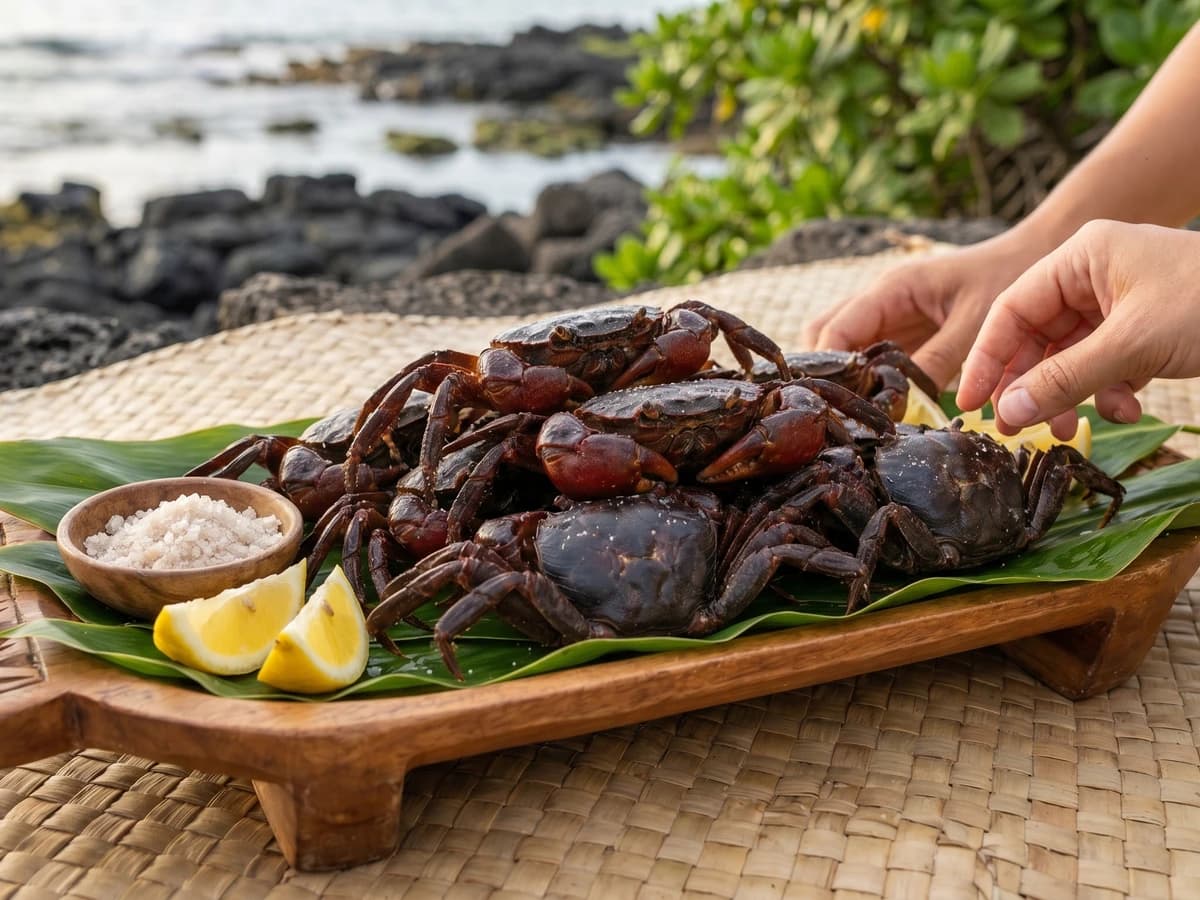
ʻAʻama (Hawaiian Black Rock Crab with Paʻakai)
Hawaiʻi's reef-gathered ʻaʻama, the small black rock crab from the shoreline stones, boiled quick in salty water and picked whole at the lūʻau table beside ʻopihi.
A cooking platform built around craft, culture, and the stories behind what we eat.
Created by
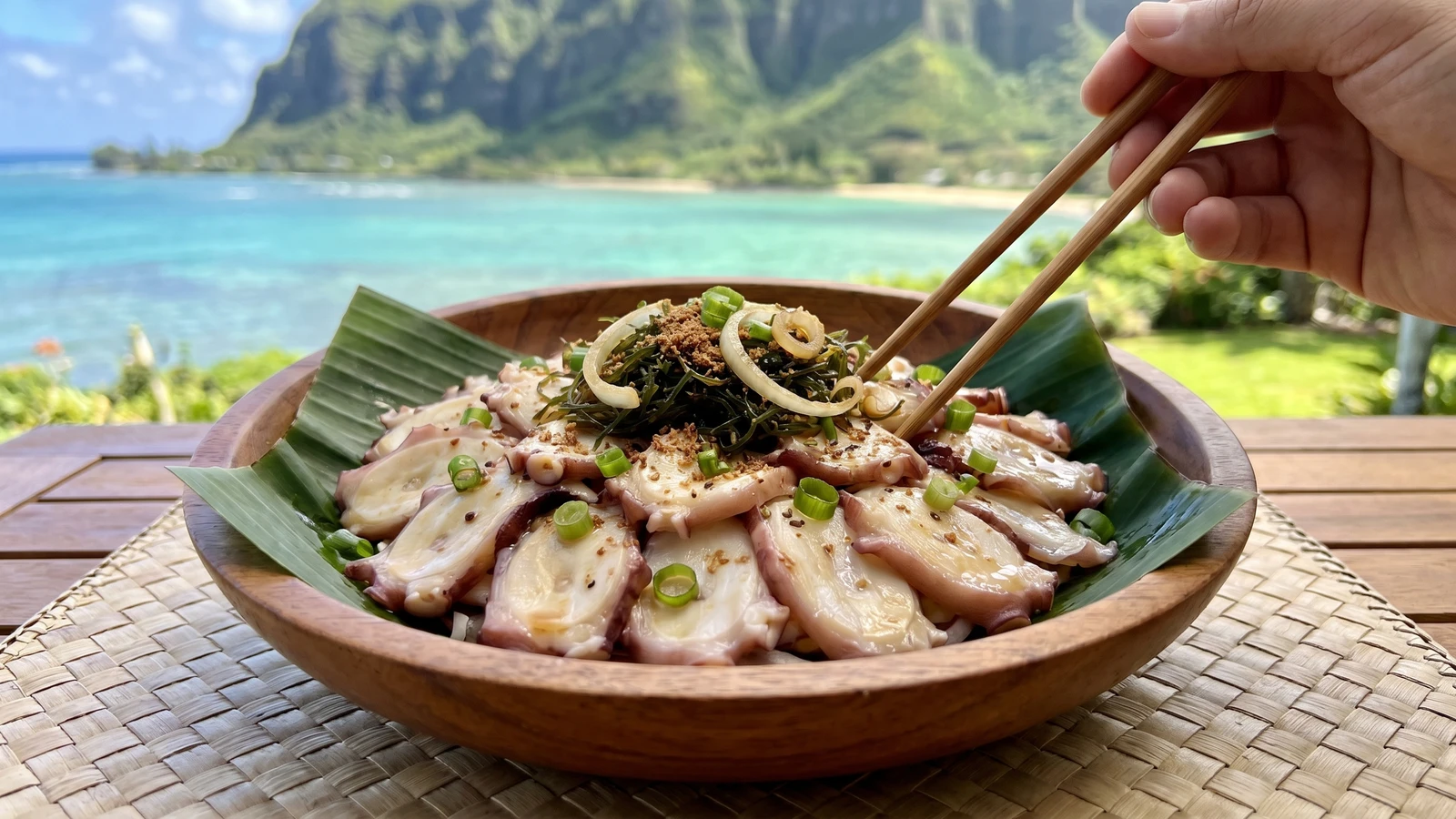
Tender heʻe sliced thin and tossed with limu, ʻinamona, sweet onion, sesame oil, and paʻakai. This is Hawaiian poke, the tako bowl beside the ʻahi everyone knows.
My uncle used to say the reef feeds you only if you know how to look back at it. Heʻe, the octopus, is not just something you grab from the rocks and turn into a bowl. In Hawaiʻi this is our poke, heʻe simmered tender, sliced thin, then tossed with limu, ʻinamona, onion, sesame, and salt until the ocean is still right there in the bite.
Poke means to cut, to slice crosswise, and that tells you the method before any fancy talk starts. The heʻe has to give first. Cook it slow enough that a knife slides through the thick part without a fight, cool it down, then slice it clean and thin. Too thick and it chews back. Too much dressing and you bury the reef. No need make it precious. Just pay attention.
Across the Triangle, the raw-fish family has many names: oka iʻa in Sāmoa, ʻota ʻika in Tonga, ʻia ota in Tahiti, ika mata in the Cook Islands, and poke back home in Hawaiʻi. Same ocean, different bowl. This heʻe poke sits in that Hawaiian house, beside ʻahi poke and limu poke at the potluck, beside rice and plate lunch and whatever auntie brought in the cooler. Deep food and everyday food, both alive on the same table.
Poke is a Hawaiian word meaning to cut or slice, and early Hawaiian poke was built from reef and nearshore seafood seasoned with paʻakai, limu, and ʻinamona long before shoyu and sesame oil entered local kitchens through plantation-era Asian influence. Heʻe was an important Hawaiian reef food, caught with deep knowledge of tide, season, and place, then prepared in forms from simple salt-seasoned cuts to the tako poke common in contemporary Hawaiʻi. Its cousins across the raw-fish table, Sāmoan oka iʻa, Tongan ʻota ʻika, Tahitian ʻia ota, and Cook Islands ika mata, show one ocean feeding many islands without making them the same dish.
Quantity
2 pounds
thawed if frozen
Quantity
1 tablespoon
plus more to taste
Quantity
1 small piece
lightly smashed
Quantity
1/2
thinly sliced
Quantity
1/3 cup
rinsed well and chopped
Quantity
2 tablespoons
or toasted macadamia nuts, finely chopped
Quantity
2 tablespoons
Quantity
1 tablespoon
Quantity
2
thinly sliced
Quantity
1 pepper or 1 teaspoon
| Ingredient | Quantity |
|---|---|
| cleaned heʻe (octopus)thawed if frozen | 2 pounds |
| paʻakai ʻalaea (Hawaiian red sea salt)plus more to taste | 1 tablespoon |
| gingerlightly smashed | 1 small piece |
| sweet onion, preferably Maui onionthinly sliced | 1/2 |
| limu kohu or limu manauearinsed well and chopped | 1/3 cup |
| ʻinamona (roasted kukui nut relish)or toasted macadamia nuts, finely chopped | 2 tablespoons |
| sesame oil | 2 tablespoons |
| shoyu (optional) | 1 tablespoon |
| green onionsthinly sliced | 2 |
| Hawaiian chile pepper or chili pepper water (optional) | 1 pepper or 1 teaspoon |
Rinse the heʻe well under cold water, rubbing around the tentacles so any grit comes loose. If the beak or eyes are still there, trim them away. The smell should be clean and briny, like tidewater, not sharp or tired.
Put the heʻe in a pot with enough water to cover, the paʻakai ʻalaea, and the smashed ginger. Bring it just to a boil, then lower to a quiet simmer for 40 to 50 minutes, until a knife slides into the thickest part with only a little give. Don't boil it hard. Heʻe gets tough when you bully it.
Lift the heʻe out and let it cool until you can handle it. Pat it dry, then slice the tentacles thin on a slight angle, about 1/8 to 1/4 inch thick. Keep the pieces clean and glossy. The cut matters here because poke is the cut as much as the seasoning.
In a wide bowl, toss the sliced heʻe with the sweet onion, limu, ʻinamona, sesame oil, shoyu if using, green onion, and chile or chili pepper water if you like heat. Use your hands or a spoon and turn it gently until every piece shines. Taste before adding more salt. Limu and shoyu already carry the sea.
Let the poke sit 10 minutes in the fridge so the onion softens and the limu wakes up in the dressing. Serve cool, not icy, in a wooden bowl with rice, poi, or whatever the table has. This is potluck food. Make enough for the cousin who said he wasn't hungry.
1 serving (about 125g)
Culinary guides, cultural storytelling, and the editorial depth that makes cooking meaningful.
Discover Culinary ExplorerChef Makoa
Hawaiʻi's reef-gathered ʻaʻama, the small black rock crab from the shoreline stones, boiled quick in salty water and picked whole at the lūʻau table beside ʻopihi.
Chef Makoa
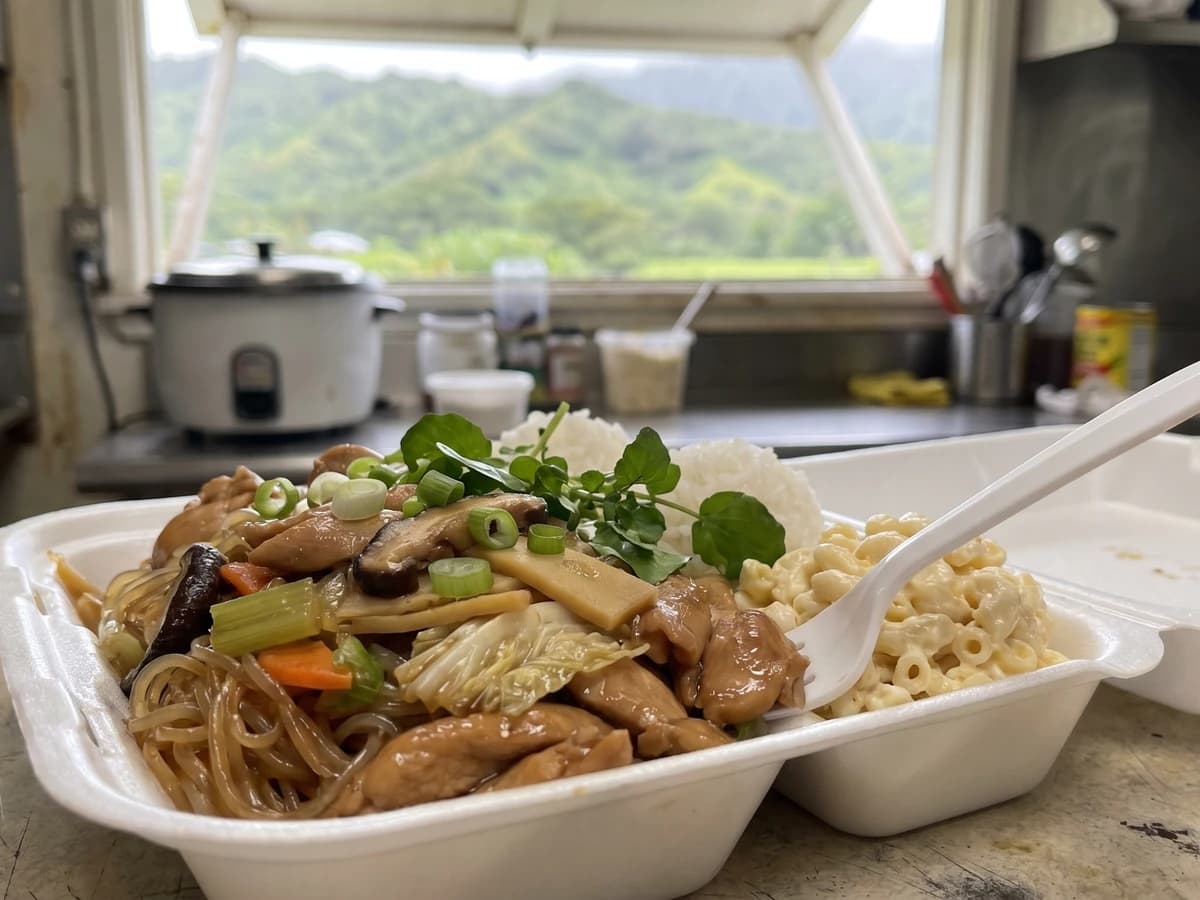
Hawaiʻi Local chicken hekka, the plantation-camp cousin of Japanese sukiyaki, with tender chicken, long rice, shiitake, bamboo shoots, and sweet shoyu gravy for rice.
Chef Makoa
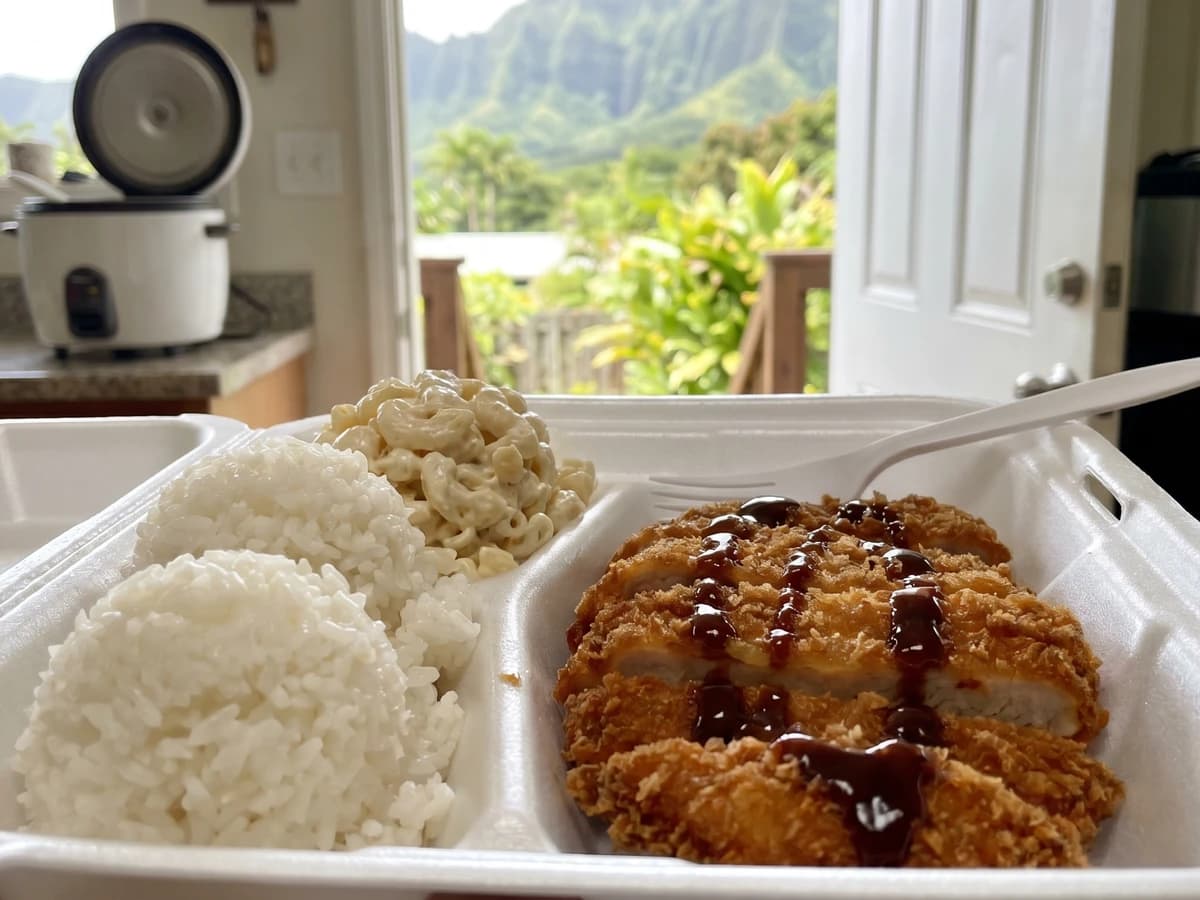
Hawaiʻi's Local plate-lunch comfort: juicy chicken thigh in panko, fried crisp, sliced over white rice with mac salad and katsu sauce, the sugar-camp stove brought home.

Chef Makoa
Hawaiian chicken lūʻau is kalo leaf cooked past its bite with tender chicken and coconut milk, a windward Oʻahu comfort pot with cousins in Sāmoa's palusami, Tonga's lū, and Cook Islands rukau.