Chef Makoa
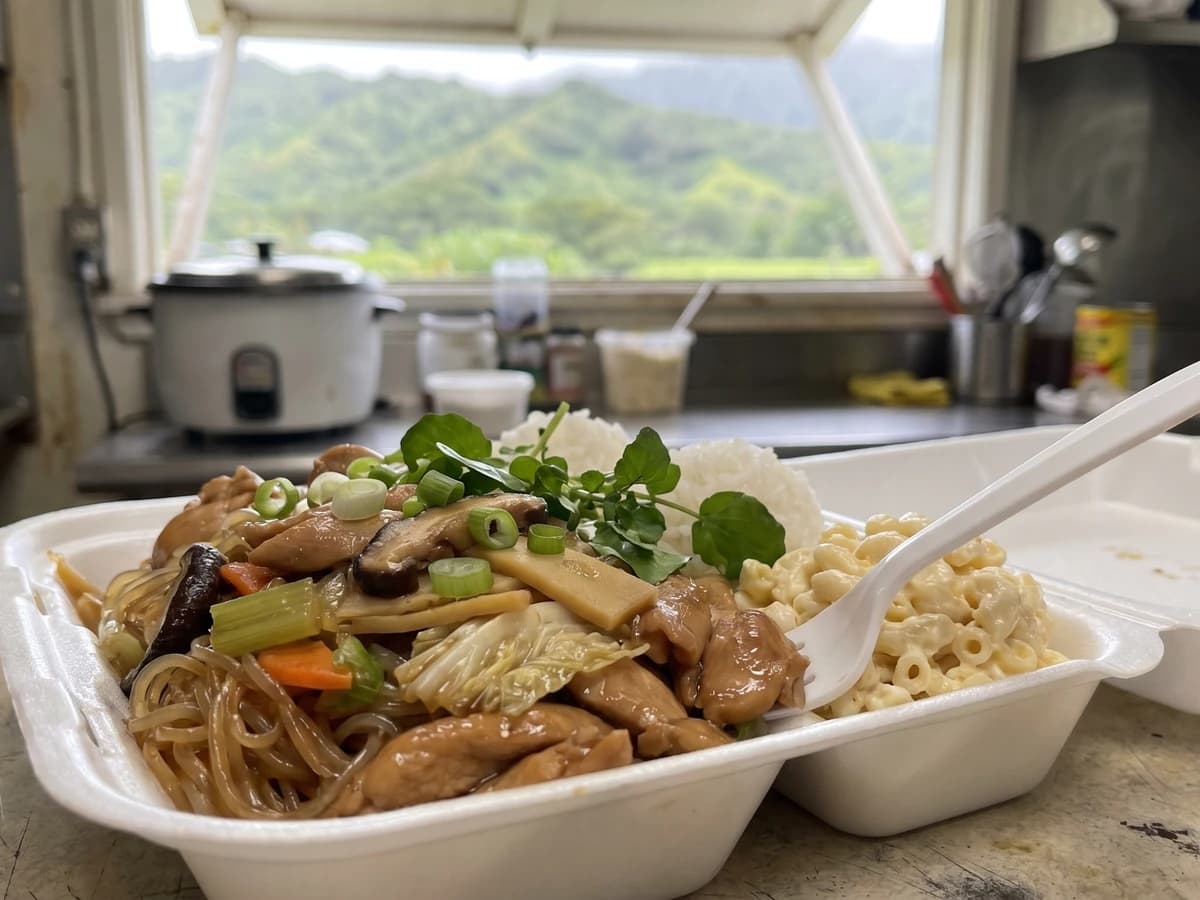
Chicken Hekka (Hawaiʻi Local Plantation-Style Chicken Sukiyaki)
Hawaiʻi Local chicken hekka, the plantation-camp cousin of Japanese sukiyaki, with tender chicken, long rice, shiitake, bamboo shoots, and sweet shoyu gravy for rice.
A cooking platform built around craft, culture, and the stories behind what we eat.
Created by
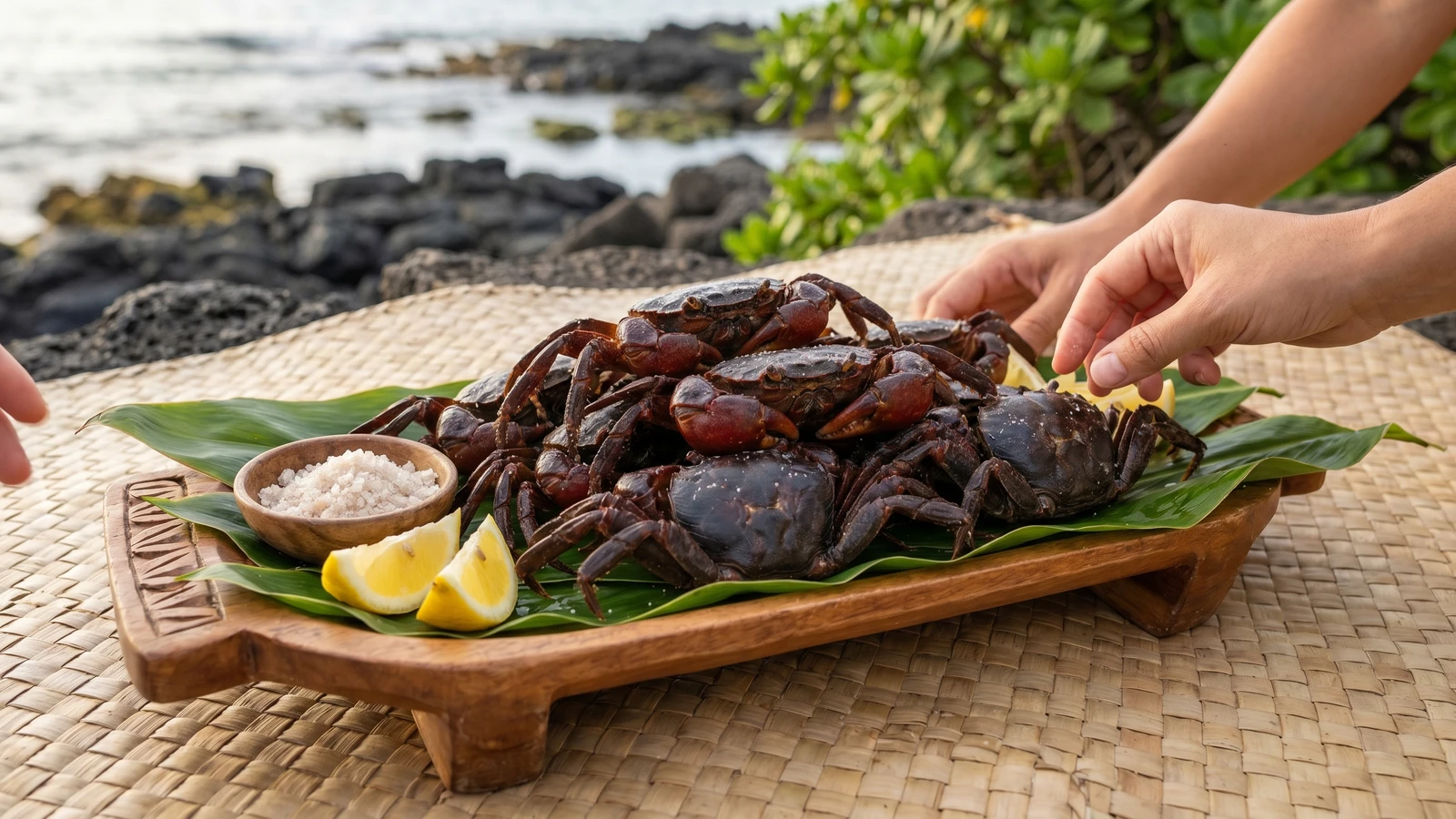
Hawaiʻi's reef-gathered ʻaʻama, the small black rock crab from the shoreline stones, boiled quick in salty water and picked whole at the lūʻau table beside ʻopihi.
The shoreline raised plenty of us too. Not like the loʻi, not like the kalo patch, but those black rocks where the tide breathes in and out, where the old people taught you to watch your feet and your appetite at the same time. In Hawaiʻi, ʻaʻama, the small black rock crab, belongs to that edge place, pōhaku and reef and salt water, the kind of food you pick with your fingers while the bigger lūʻau dishes wait their turn.
This is Hawaiian food, from our shore, and I name it that way. Across the Triangle the cousins have their own reef pickings, their own shellfish, their own crab and limu and fish eaten close to the water. Same ocean, different hand. The lesson is shared, though: take clean, take careful, take enough, and don't act like the reef owes you dinner every time you show up.
My elders didn't make ʻaʻama precious. They boiled it, salted it, put it out with the ʻopihi, the poke, the poi, the laulau, and everybody picked. That's the beauty of it. No performance. No heavy sauce. Just small sweet meat, salt on your fingers, and somebody at the table showing the child how to crack a leg without wasting the good part.
Cook it quick and serve it plain. The whole recipe is really the shoreline teaching you manners. ʻĀina, kānaka, meaʻai: land, people, food. If one of those is out of balance, the crab will tell on you.
ʻAʻama, the Hawaiian black rock crab, has long been part of nearshore gathering in Hawaiʻi, eaten as a small reef picking alongside ʻopihi, limu, and other foods that tied families to particular stretches of coast. Unlike the canoe crops such as kalo, ʻulu, and ʻuala, this food comes from intimate shoreline knowledge: tide, rock, season, water cleanliness, and restraint. In the lūʻau ring it sits beside the larger ceremonial foods, not as the centerpiece, but as the kind of salty hand food that shows how Hawaiian abundance was built from both land and reef.
Quantity
2 pounds
rinsed well
Quantity
2 quarts
or 2 quarts water mixed with 1/3 cup coarse sea salt
Quantity
2 tablespoons
plus more for the table
Quantity
2
rinsed, for lining the platter
Quantity
1
cut into wedges
| Ingredient | Quantity |
|---|---|
| live or very fresh ʻaʻama (Hawaiian black rock crab)rinsed well | 2 pounds |
| clean seawateror 2 quarts water mixed with 1/3 cup coarse sea salt | 2 quarts |
| paʻakai (Hawaiian sea salt)plus more for the table | 2 tablespoons |
| ti leaves (lāʻī) or banana leavesrinsed, for lining the platter | 2 |
| lemon or lime (optional)cut into wedges | 1 |
Gather or buy ʻaʻama only from clean water, away from harbors, runoff, and closed shoreline. The reef feeds you only if you listen to it first. Check local rules, take only what you need, and leave the small ones to keep the rocks alive.
Rinse the ʻaʻama in cool clean water or clean seawater, rubbing away grit from the legs and shell. Keep them cold while the pot comes up. They should smell like tide pool and clean stone, not sour or old.
Bring the seawater, or salted water, to a strong boil in a wide pot. Add the paʻakai. This is simple food, so the water has to taste like the ocean, clean and salty, because there isn't sauce coming later to hide anything.
Add the ʻaʻama, cover, and boil 6 to 8 minutes, just until the shells turn a deeper red-brown and the meat inside sets. Small crab goes from sweet to dry fast, so don't walk away. When the legs pull clean and the shell smells briny and sweet, they're ready.
Lift the crab out to a ti-leaf or banana-leaf-lined platter and scatter a little more paʻakai over the shells while they are glossy from the pot. Let them rest 5 minutes so hands can pick them without pain. No fancy move here. Salt, shell, fingers, table.
Serve the ʻaʻama whole, with more paʻakai on the side and lemon or lime only if your table likes it that way. Crack the legs with your teeth or a small stone, pick the sweet bits from the body, and eat it beside poi, poke, laulau, kālua puaʻa, and the other lūʻau foods. This is picking food, not plated food. Everybody reaches.
1 serving (about 50g)
Culinary guides, cultural storytelling, and the editorial depth that makes cooking meaningful.
Discover Culinary ExplorerChef Makoa
Hawaiʻi Local chicken hekka, the plantation-camp cousin of Japanese sukiyaki, with tender chicken, long rice, shiitake, bamboo shoots, and sweet shoyu gravy for rice.
Chef Makoa
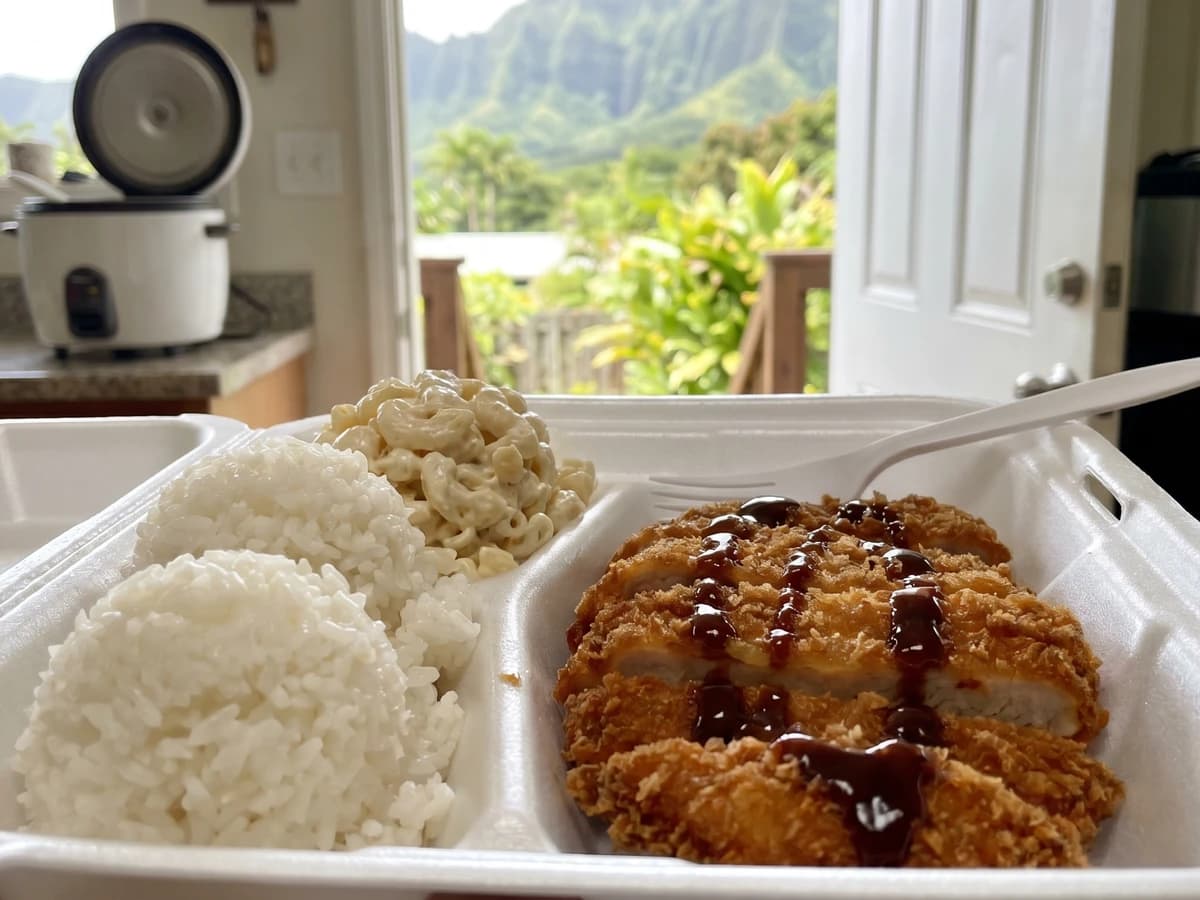
Hawaiʻi's Local plate-lunch comfort: juicy chicken thigh in panko, fried crisp, sliced over white rice with mac salad and katsu sauce, the sugar-camp stove brought home.

Chef Makoa
Hawaiian chicken lūʻau is kalo leaf cooked past its bite with tender chicken and coconut milk, a windward Oʻahu comfort pot with cousins in Sāmoa's palusami, Tonga's lū, and Cook Islands rukau.

Chef Makoa
A Hawaiʻi Local plate-lunch staple: tender seasoned beef patties smothered in onion brown gravy over two scoops rice, with mac salad alongside. The loco moco's plainspoken cousin, no egg needed.