Chef Remy
Bourbon Chicken
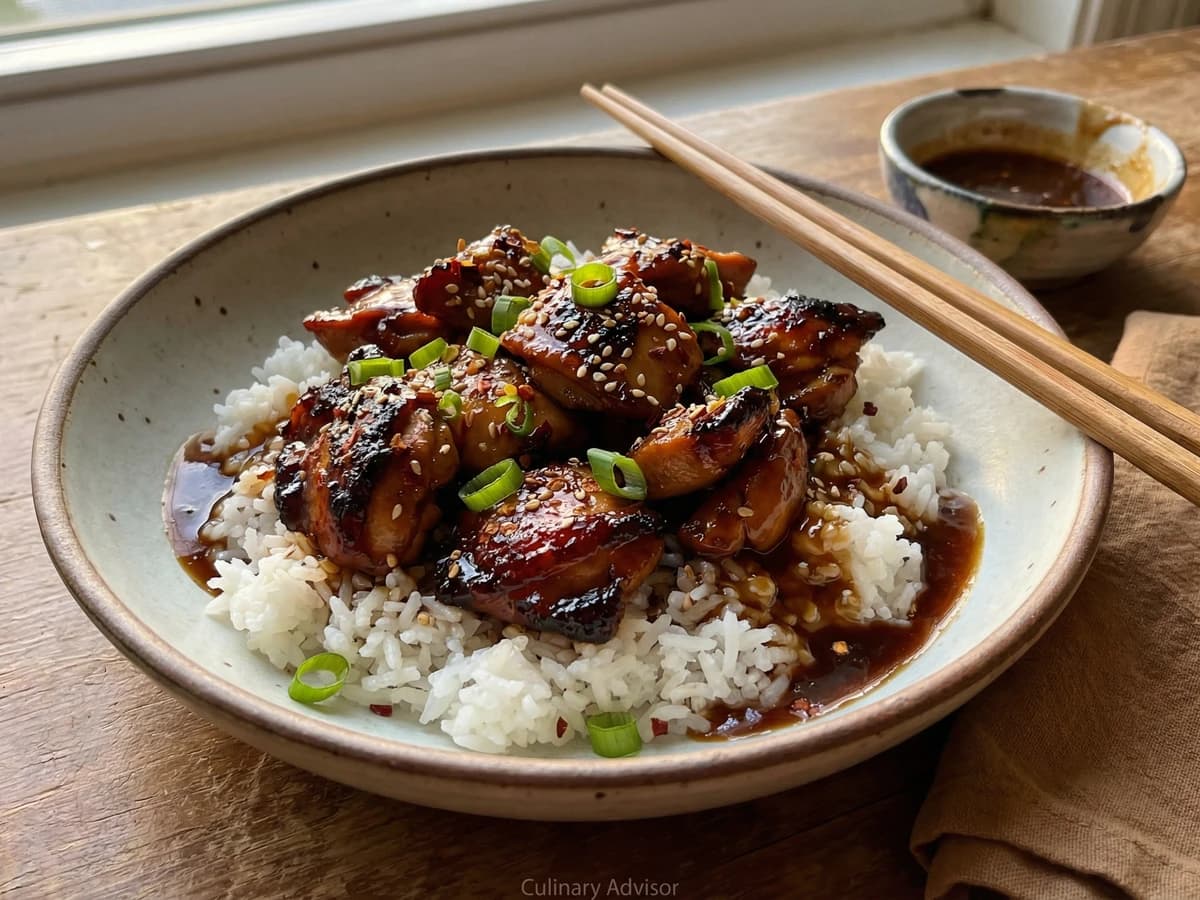
Juicy chicken thighs lacquered in a sticky bourbon glaze with ginger, garlic, and just enough heat to keep things interesting. Mall food court nostalgia, elevated with real ingredients and proper technique.
A cooking platform built around craft, culture, and the stories behind what we eat.
Created by Chef Remy
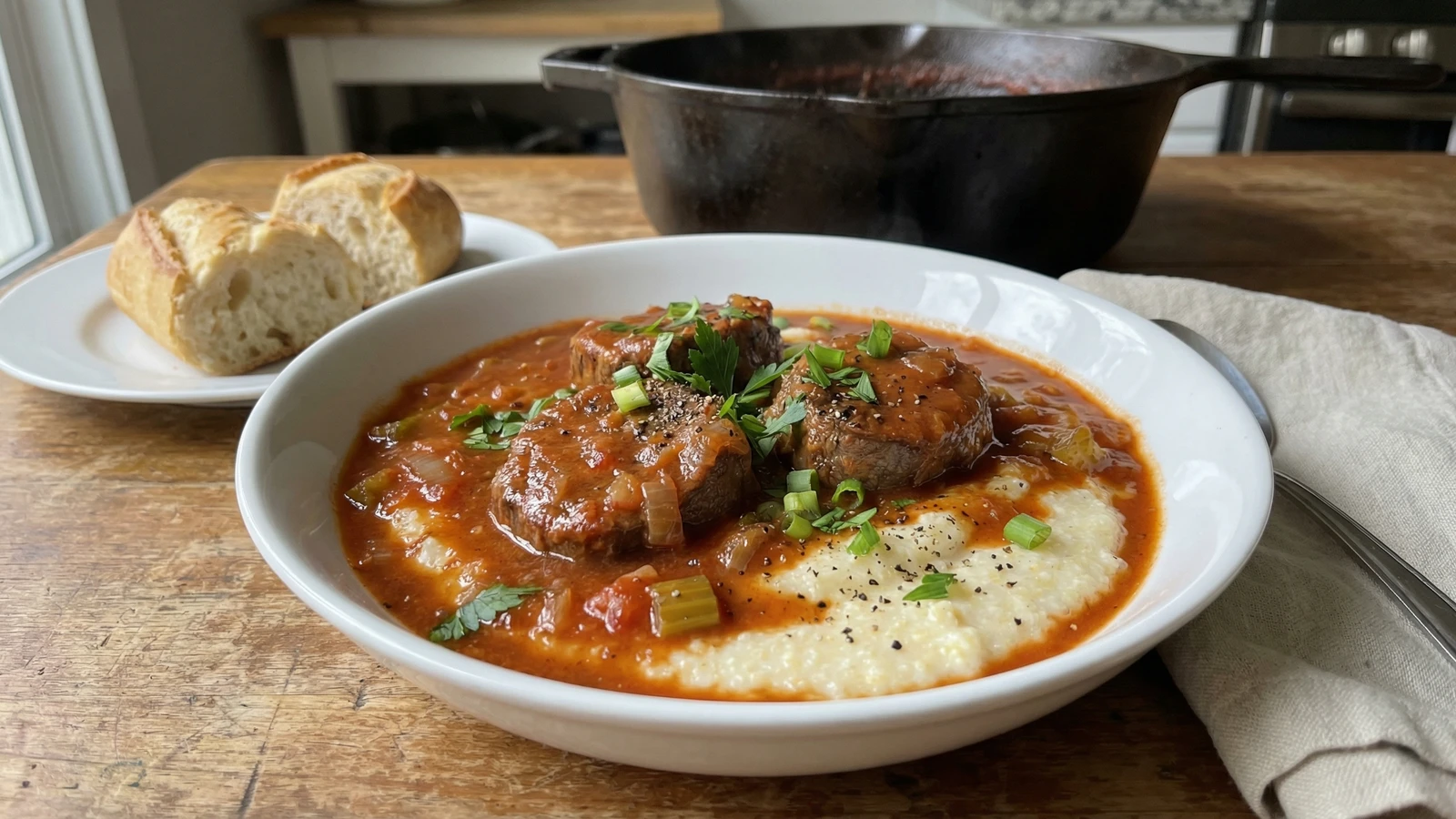
Fork-tender beef medallions swimming in a brick-red tomato gravy rich with the holy trinity, ladled over pillowy stone-ground grits, the kind of dish that made New Orleans Sunday brunch famous.
Grillades and grits is Sunday morning in New Orleans. It's the dish that gets people out of bed, that fills the air with the smell of tomatoes and onions and slow-braised beef while church bells ring across the Quarter. At Lagniappe, we serve this every weekend to lines out the door, and I've watched people close their eyes on the first bite, transported somewhere between memory and prayer.
The word grillade comes from the French 'griller,' to grill or broil, but don't let that fool you. This is a braise, pure and simple. You brown the meat to build a foundation of flavor, then let it surrender slowly to a gravy built on the holy trinity and ripe tomatoes. The magic happens in that covered pot over low heat, where tough cuts of beef transform into something fork-tender and deeply satisfying.
My grandmother Evangeline made this with whatever was affordable: round steak, shoulder, sometimes venison when my grandfather had a good hunt. She'd start it before sunrise and let it simmer while she got ready for church. By the time we got home, the house smelled like heaven and the meat fell apart at the touch of a fork. That's what home cooking is about. Patient technique, humble ingredients, extraordinary results.
The grits matter just as much as the grillades. Stone-ground, not instant. Cooked low and slow with milk and butter until they're creamy enough to make you weep. They catch the gravy, absorb the spice, and tie the whole plate together. When the last bite is as good as the first, you've done it right.
Quantity
2 pounds
cut into 1/2-inch thick medallions
Quantity
2 tablespoons, divided
Quantity
1 teaspoon
Quantity
1/2 teaspoon
freshly ground
Quantity
1/2 cup
Quantity
4 tablespoons, divided
Quantity
2 tablespoons
Quantity
1 large
diced
Quantity
2
diced
Quantity
1 large
diced
Quantity
6 cloves
minced
Quantity
1 can (14.5 ounces)
with juice
Quantity
2 tablespoons
Quantity
2 cups
Quantity
1 cup
Quantity
2
Quantity
4 sprigs
Quantity
1 teaspoon
Quantity
1/4 teaspoon, or to taste
Quantity
4
sliced, white and green parts separated
Quantity
2 tablespoons
chopped
Quantity
2 tablespoons
Quantity
2 cups
Quantity
6 cups
Quantity
2 cups
Quantity
2 teaspoons
Quantity
4 tablespoons
Quantity
1/2 cup
Quantity
to taste
freshly ground
| Ingredient | Quantity |
|---|---|
| beef bottom roundcut into 1/2-inch thick medallions | 2 pounds |
| Cajun seasoning | 2 tablespoons, divided |
| kosher salt | 1 teaspoon |
| black pepperfreshly ground | 1/2 teaspoon |
| all-purpose flour | 1/2 cup |
| vegetable oil | 4 tablespoons, divided |
| unsalted butter | 2 tablespoons |
| yellow oniondiced | 1 large |
| celery stalksdiced | 2 |
| green bell pepperdiced | 1 large |
| garlicminced | 6 cloves |
| diced tomatoeswith juice | 1 can (14.5 ounces) |
| tomato paste | 2 tablespoons |
| beef stock | 2 cups |
| dry red wine | 1 cup |
| bay leaves | 2 |
| fresh thyme | 4 sprigs |
| Worcestershire sauce | 1 teaspoon |
| cayenne pepper | 1/4 teaspoon, or to taste |
| green onionssliced, white and green parts separated | 4 |
| fresh parsleychopped | 2 tablespoons |
| cold unsalted butter (for finishing) | 2 tablespoons |
| stone-ground grits | 2 cups |
| water (for grits) | 6 cups |
| whole milk | 2 cups |
| kosher salt (for grits) | 2 teaspoons |
| unsalted butter (for grits) | 4 tablespoons |
| heavy cream | 1/2 cup |
| white pepperfreshly ground | to taste |
Lay your beef medallions on a cutting board and pound them gently with a meat mallet to about a quarter-inch thickness. Combine one tablespoon of the Cajun seasoning with the salt and black pepper in a small bowl. Season both sides of every medallion generously, pressing the spices into the meat. This is where flavor begins, not where it ends. Let the beef sit at room temperature for twenty minutes while you prep everything else.
Put the flour in a shallow dish and add the remaining tablespoon of Cajun seasoning, whisking to combine. Dredge each medallion in the seasoned flour, shaking off excess. Heat two tablespoons of oil in a large Dutch oven or heavy-bottomed pot over medium-high heat until it shimmers. Working in batches so you don't crowd the pan, brown the medallions for two to three minutes per side until they develop a deep golden crust. The meat should sizzle aggressively when it hits the pan. If it doesn't, your pot isn't hot enough. Transfer browned medallions to a plate and repeat with remaining oil and beef.
Reduce heat to medium. Add the butter to the drippings in the pot. When it foams, add the onion, celery, and bell pepper. This is the holy trinity, and you'll season it now with a generous pinch of salt. Cook, stirring occasionally and scraping up any browned bits from the bottom, until the vegetables soften and the onions turn translucent, about eight to ten minutes. Add the white parts of the green onions and the garlic, cooking for another minute until fragrant. Your kitchen should smell like Louisiana by now.
Stir in the tomato paste and cook for one minute, letting it darken slightly. Add the diced tomatoes with their juice, the beef stock, and the red wine. Scrape the bottom of the pot vigorously to release every bit of fond. Those browned bits are pure concentrated flavor. Add the bay leaves, thyme sprigs, Worcestershire sauce, and cayenne. Bring the liquid to a simmer.
Nestle the browned beef medallions into the simmering gravy, overlapping them if necessary. The liquid should come about halfway up the meat. Reduce heat to low, cover the pot, and let it braise gently for one and a half to two hours. The grillades are done when the beef is fork-tender and the gravy has thickened to coat the back of a spoon. Check occasionally and add a splash of stock if the gravy gets too thick too fast.
About forty-five minutes before the grillades finish, combine the water, milk, and salt in a heavy-bottomed saucepan. Bring to a boil over medium-high heat. Slowly pour in the grits in a steady stream while whisking constantly to prevent lumps. Reduce heat to low and cook, stirring frequently with a wooden spoon, for forty to fifty minutes. Stone-ground grits take time. That's not a flaw, that's a feature. The grits are ready when they're creamy and the individual grains are tender but still have a pleasant texture.
Remove the grits from heat and stir in the butter and heavy cream until fully incorporated. Season with white pepper and taste for salt. The grits should be rich and silky, thick enough to hold their shape on a plate but not stiff. If they've thickened too much, stir in a splash of warm milk to loosen them. Cover and keep warm until serving.
Remove the bay leaves and thyme stems from the gravy. Taste and adjust seasoning. This is the moment of truth: does it need more salt? More cayenne? Trust your palate. Remove the pot from heat and stir in the cold butter, swirling until it melts and gives the gravy that restaurant gloss. Fold in the parsley and green onion tops. Spoon a generous mound of grits onto each plate, top with two or three grillades and plenty of that gorgeous gravy. Serve immediately with good crusty bread to soak up every drop.
1 serving (about 315g)
Culinary guides, cultural storytelling, and the editorial depth that makes cooking meaningful.
Discover Culinary ExplorerChef Remy
Juicy chicken thighs lacquered in a sticky bourbon glaze with ginger, garlic, and just enough heat to keep things interesting. Mall food court nostalgia, elevated with real ingredients and proper technique.

Chef Remy
Sweet Gulf crabmeat, barely held together with just enough binding to keep its shape, pan-fried until golden and crisp, served with a punchy Creole mustard sauce that wakes up every bite without stealing the show.

Chef Remy
A shimmering Creole treasure of fork-tender spiced beef suspended in amber aspic, sliced thin and served cold, the kind of elegant make-ahead dish that graces the finest holiday tables in New Orleans.

Chef Remy
Briny Gulf oysters cloaked in seasoned cornmeal, fried until golden and impossibly crisp at the edges, served with a fiery Crystal hot sauce aioli that cuts through the richness and makes you reach for another