
Chef Remy
Bourbon Chicken
Juicy chicken thighs lacquered in a sticky bourbon glaze with ginger, garlic, and just enough heat to keep things interesting. Mall food court nostalgia, elevated with real ingredients and proper technique.
A cooking platform built around craft, culture, and the stories behind what we eat.
Created by Chef Remy
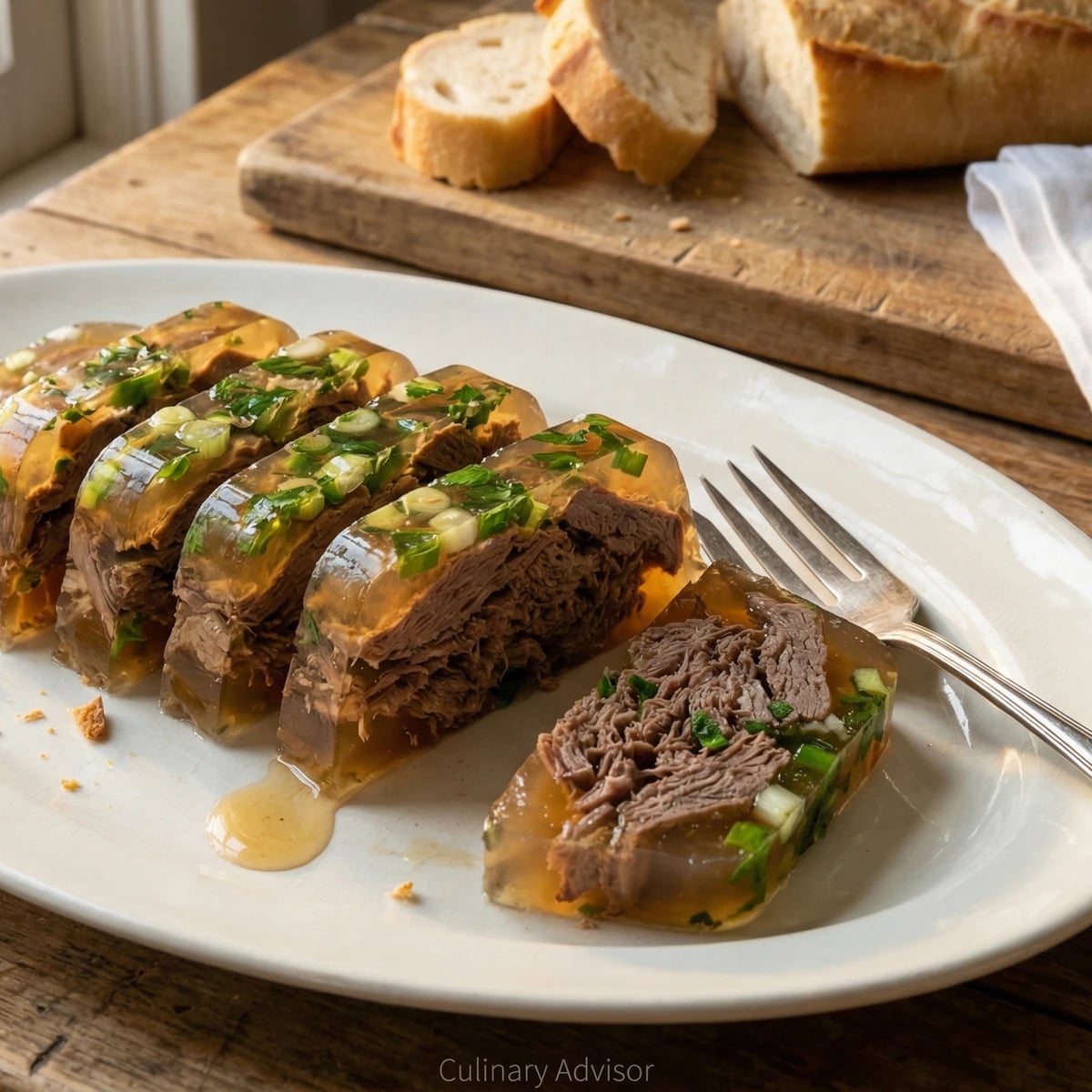
A shimmering Creole treasure of fork-tender spiced beef suspended in amber aspic, sliced thin and served cold, the kind of elegant make-ahead dish that graces the finest holiday tables in New Orleans.
This is old New Orleans on a plate. Daube glacee comes from the French tradition of preserving braised meats in their own jellied cooking liquid, but Creole cooks transformed it into something entirely their own. The spicing is bolder. The seasoning is layered. The result is a dish that looks like it belongs in a mansion on St. Charles Avenue but tastes like generations of home cooks perfecting something extraordinary.
My grandmother Evangeline made daube glacee every Christmas without fail. She used pigs' feet for the gelatin, the way her mother taught her, and she seasoned that beef like her reputation depended on it. Because in a sense, it did. When you slice into a proper daube glacee and that amber aspic catches the light, when the spiced beef melts on your tongue, you understand why families guard these recipes.
The beauty of this dish is that the work happens days before your guests arrive. You braise the beef low and slow until it surrenders completely. You strain the liquid and let it set into a trembling, savory jelly. Then you slice it thin, arrange it on a platter, and accept the compliments. At Lagniappe, we serve this every holiday season, and I've watched guests close their eyes with that first bite, transported to their grandmother's table.
Quantity
4 pounds
trimmed
Quantity
2, split (about 2 pounds total)
Quantity
2 tablespoons
Quantity
2 large
roughly chopped
Quantity
4
roughly chopped
Quantity
2 medium
roughly chopped
Quantity
1
halved crosswise
Quantity
1 cup
Quantity
3 quarts
Quantity
6
Quantity
8 sprigs
Quantity
6
Quantity
1 teaspoon
Quantity
1/4 teaspoon
Quantity
2 tablespoons, plus more to taste
Quantity
1 teaspoon
Quantity
1/2 teaspoon
freshly grated
Quantity
1/4 cup
finely chopped
Quantity
3
thinly sliced
Quantity
2 envelopes
Quantity
for serving
Quantity
for serving
| Ingredient | Quantity |
|---|---|
| beef bottom roundtrimmed | 4 pounds |
| pigs' feet | 2, split (about 2 pounds total) |
| vegetable oil | 2 tablespoons |
| yellow onionsroughly chopped | 2 large |
| celery stalksroughly chopped | 4 |
| carrotsroughly chopped | 2 medium |
| head of garlichalved crosswise | 1 |
| dry red wine | 1 cup |
| beef stock | 3 quarts |
| bay leaves | 6 |
| fresh thyme | 8 sprigs |
| whole cloves | 6 |
| whole black peppercorns | 1 teaspoon |
| whole allspice berries | 1/4 teaspoon |
| kosher salt | 2 tablespoons, plus more to taste |
| cayenne pepper | 1 teaspoon |
| nutmegfreshly grated | 1/2 teaspoon |
| fresh parsleyfinely chopped | 1/4 cup |
| green onionsthinly sliced | 3 |
| unflavored gelatin (optional) | 2 envelopes |
| Creole mustard | for serving |
| crusty French bread | for serving |
Pat the beef dry with paper towels. Season generously on all sides with half the salt, the cayenne, and the nutmeg. Rub it in. Let the meat sit at room temperature for thirty minutes while you prepare everything else. This is where flavor begins, not at the end.
Heat the oil in a large Dutch oven over medium-high heat until it shimmers and just begins to smoke. Brown the beef on all sides, taking your time to develop a deep mahogany crust. This takes about twelve minutes total. Don't rush it. Remove and set aside. Add the pigs' feet to the same pot and brown them lightly, about four minutes per side. The fond building on the bottom of that pot is pure flavor.
Pour off all but two tablespoons of fat. Add the onions, celery, and carrots to the pot. Season them with a generous pinch of salt. Cook, stirring occasionally and scraping up the browned bits, until the vegetables soften and the onions turn translucent, about eight minutes. Add the halved garlic head, cut side down, and let it toast for two minutes until fragrant.
Pour in the red wine and scrape up every bit of fond from the bottom of the pot. Let the wine reduce by half, about three minutes. It should smell rich and slightly sweet, not sharp. Add the bay leaves, thyme, cloves, peppercorns, and allspice. Pour in the beef stock. It should come up about three-quarters of the way up the beef.
Nestle the beef and pigs' feet into the liquid. Bring to a gentle simmer, then cover and transfer to a 300 degree oven. Braise for four to five hours, turning the beef once halfway through. The meat is done when a fork slides in and out with no resistance, when the beef wants to fall apart but hasn't quite surrendered. The pigs' feet will be completely tender, their collagen dissolved into the liquid.
Carefully transfer the beef to a cutting board and let it cool until you can handle it. Remove the pigs' feet and discard them (they've given everything they have). Strain the braising liquid through a fine-mesh strainer into a large bowl, pressing on the vegetables to extract all their flavor. Discard the solids. You should have about two quarts of deeply flavored, slightly gelatinous liquid.
Refrigerate the strained liquid for at least four hours or overnight. The fat will rise and solidify on top. Lift it off in sheets and discard. What remains should be a trembling, amber jelly. If it's not firmly set, gently warm it, bloom two envelopes of gelatin in a quarter cup of cold water, and stir the gelatin into the warm liquid until dissolved.
Using two forks, shred the cooled beef into bite-sized pieces, discarding any fat or connective tissue. Taste a piece. Season the meat with additional salt if needed. Toss the shredded beef with the chopped parsley and sliced green onions. This is where the freshness comes in, balancing all that rich, braised depth.
Gently warm the clarified aspic just until it liquefies. Taste it now. It should be well-seasoned, aromatic, beefy. Adjust salt if needed. Arrange the seasoned beef in a 9x5 inch loaf pan or decorative terrine mold. Pour the warm aspic over the meat, ensuring it fills all the gaps and covers the beef by at least half an inch. Tap the mold gently on the counter to release any air bubbles.
Cover with plastic wrap and refrigerate for at least eight hours, preferably overnight. The aspic should be completely firm, jiggling but holding its shape. To unmold, dip the bottom of the pan briefly in hot water, run a thin knife around the edges, and invert onto a cutting board. If it resists, dip again. Patience here.
Using a sharp, thin knife dipped in hot water between slices, cut the daube into half-inch slices. Arrange on a platter. Serve cold with good Creole mustard and crusty French bread. The aspic should shimmer. The beef should be tender enough to cut with a fork. This is Creole elegance at its finest.
1 serving (about 180g)
Culinary guides, cultural storytelling, and the editorial depth that makes cooking meaningful.
Discover Culinary Explorer
Chef Remy
Juicy chicken thighs lacquered in a sticky bourbon glaze with ginger, garlic, and just enough heat to keep things interesting. Mall food court nostalgia, elevated with real ingredients and proper technique.

Chef Remy
Sweet Gulf crabmeat, barely held together with just enough binding to keep its shape, pan-fried until golden and crisp, served with a punchy Creole mustard sauce that wakes up every bite without stealing the show.

Chef Remy
Briny Gulf oysters cloaked in seasoned cornmeal, fried until golden and impossibly crisp at the edges, served with a fiery Crystal hot sauce aioli that cuts through the richness and makes you reach for another

Chef Remy
Fork-tender beef medallions swimming in a brick-red tomato gravy rich with the holy trinity, ladled over pillowy stone-ground grits, the kind of dish that made New Orleans Sunday brunch famous.