Chef Dean
Amish Buttered Egg Noodles
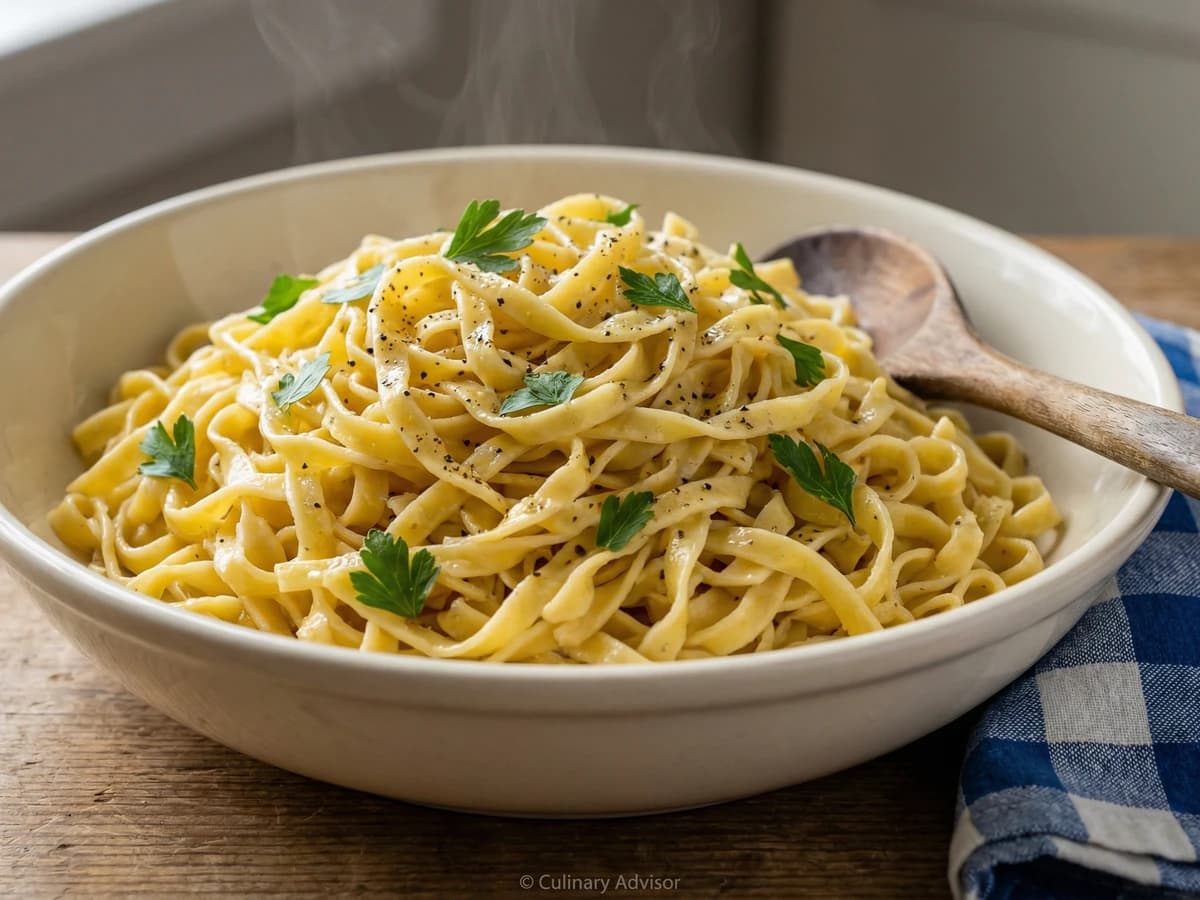
The humblest side dish in the Pennsylvania Dutch tradition, where wide egg noodles and good butter need nothing more than salt and a warm bowl to become the thing everyone remembers from the church supper.
A cooking platform built around craft, culture, and the stories behind what we eat.
Created by
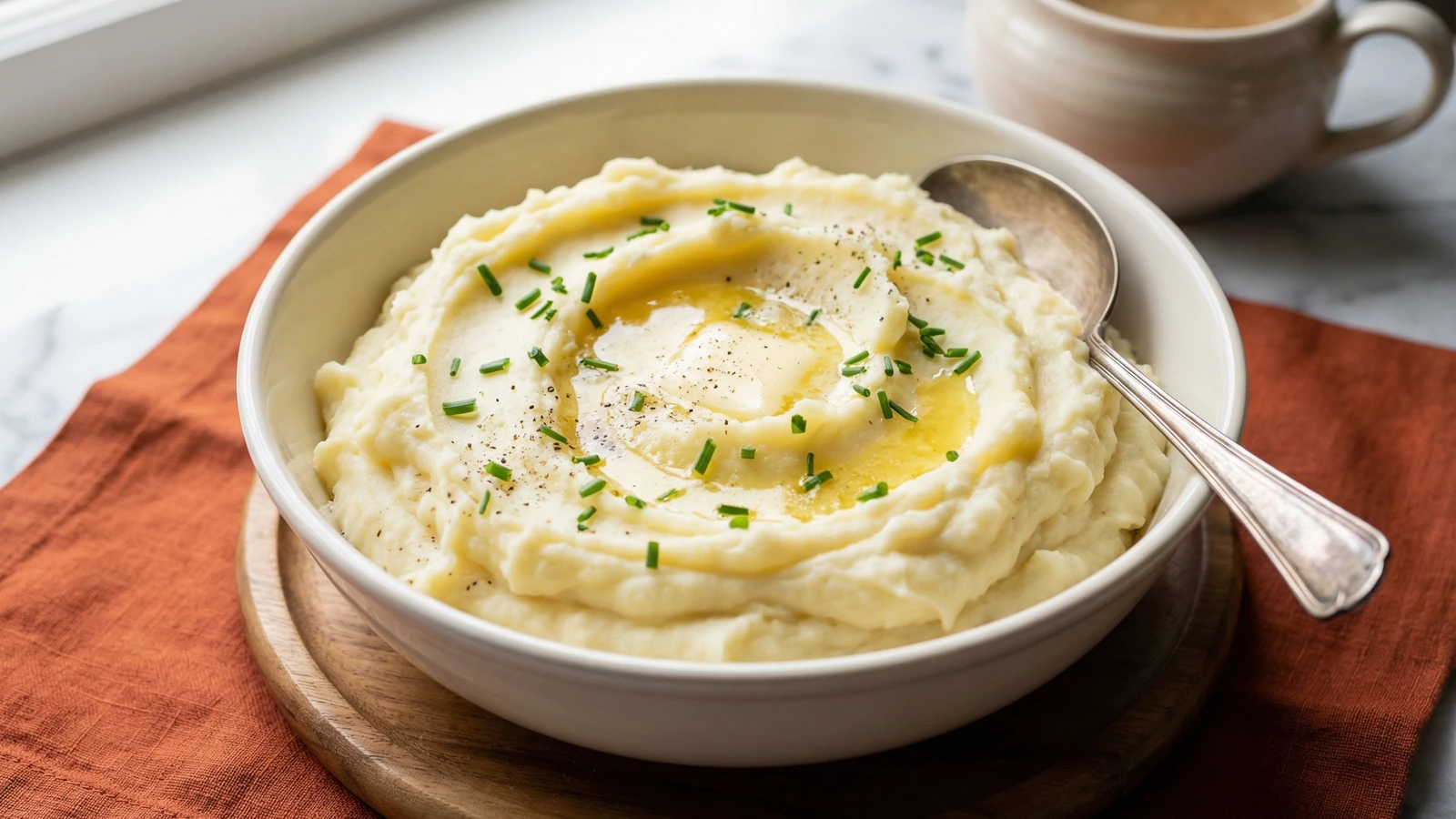
Silky Yukon Golds pressed through a ricer and enriched with warm cream and butter, yielding that impossible lightness your grandmother achieved but never explained. This is the side dish that makes Thanksgiving worth the effort.
Mashed potatoes occupy sacred ground on the American table. They arrived with Irish immigrants, transformed through Southern kitchens, and became the one dish nobody argues about at Thanksgiving. Every family has their version. This one prioritizes texture above all else: clouds, not cement.
The secret lives in three decisions most cooks skip. First, the potato variety matters enormously. Yukon Golds contain less starch than russets but more than waxy reds, landing in that perfect middle ground where they break down smoothly without becoming gluey. Second, you must warm your dairy before it touches the potatoes. Cold cream shocks the starch and tightens the texture. Third, and this is where home cooks most often stumble, you need a ricer or food mill. No exceptions. Electric mixers and food processors rupture the starch cells and produce wallpaper paste.
I've served these potatoes to guests who swore they didn't like mashed potatoes. They changed their minds before the plate was empty. The technique requires attention but no particular skill. If you can boil water and push a ricer, you can produce results that rival any restaurant. Your Thanksgiving table deserves nothing less.
Quantity
4 pounds
Quantity
1 cup
Quantity
8 tablespoons (1 stick)
cut into pieces
Quantity
1 cup
Quantity
2 teaspoons, plus more to taste
Quantity
1/2 teaspoon
Quantity
2 tablespoons
Quantity
for garnish
snipped
| Ingredient | Quantity |
|---|---|
| Yukon Gold potatoes | 4 pounds |
| heavy cream | 1 cup |
| unsalted buttercut into pieces | 8 tablespoons (1 stick) |
| whole milk | 1 cup |
| fine sea salt | 2 teaspoons, plus more to taste |
| white pepper | 1/2 teaspoon |
| unsalted butter for serving | 2 tablespoons |
| fresh chives (optional)snipped | for garnish |
Peel the potatoes and cut them into uniform 2-inch chunks. Size matters here. Uneven pieces cook unevenly, leaving you with some that disintegrate while others remain firm. Place the cut potatoes in a large pot and cover with cold water by two inches. Add one tablespoon of salt to the water.
Bring the pot to a boil over high heat, then immediately reduce to a gentle simmer. Cook for 18 to 22 minutes until a paring knife slides through the largest piece without resistance. The potato should nearly fall off the blade. This is the texture you want. Slightly undercooked potatoes produce a grainy mash that no amount of butter can rescue.
While the potatoes simmer, combine the heavy cream, milk, and butter in a small saucepan. Heat over medium-low until the butter melts completely and the mixture steams gently. Do not boil. Keep warm until needed. This step transforms the final texture from heavy to ethereal.
Drain the potatoes in a colander and let them sit for a full two minutes, shaking occasionally. You want the steam to escape. Waterlogged potatoes dilute your careful ratio of dairy to starch. Return the empty pot to the still-warm burner (heat off) to dry completely.
Working in batches, press the warm potatoes through a ricer or food mill directly into the warm pot. This motion should feel satisfying: resistant at first, then yielding as the potato passes through in pale ribbons. A food mill fitted with the fine disk produces the silkiest results. Do not let the potatoes cool before ricing, or they'll turn gummy.
Pour the warm cream mixture over the riced potatoes in three additions, folding gently with a wooden spoon or rubber spatula after each pour. The potatoes should absorb the liquid willingly, becoming glossy and smooth. Add the salt and white pepper. Taste. Adjust. Potatoes demand more salt than most cooks expect.
Transfer to a warmed serving bowl, creating gentle peaks with the back of your spoon. Nestle the remaining butter into the center so it melts into a golden pool. Scatter chives if using. Serve within 15 minutes for the best texture, or hold covered in a 200°F oven for up to an hour with a splash of extra cream stirred through.
1 serving (about 454g)
Culinary guides, cultural storytelling, and the editorial depth that makes cooking meaningful.
Discover Culinary ExplorerChef Dean
The humblest side dish in the Pennsylvania Dutch tradition, where wide egg noodles and good butter need nothing more than salt and a warm bowl to become the thing everyone remembers from the church supper.

Chef Dean
Golden-topped, impossibly creamy shredded potato casserole with a shattering cornflake crust. This is the dish that appears at every church supper, potluck, and time of need across the American heartland.

Chef Dean
Golden-topped stuffing with tender, savory bread cubes perfumed by fresh sage and sweet onions. This is the dish people return to year after year, the one that makes Thanksgiving taste like Thanksgiving.

Chef Dean
Plump hominy kernels braised in smoky bacon fat with roasted Hatch chiles, cumin, and a bright hit of lime. This is the side dish that disappears first at every potluck, the one neighbors ask you to bring again and again.