Chef Juliette
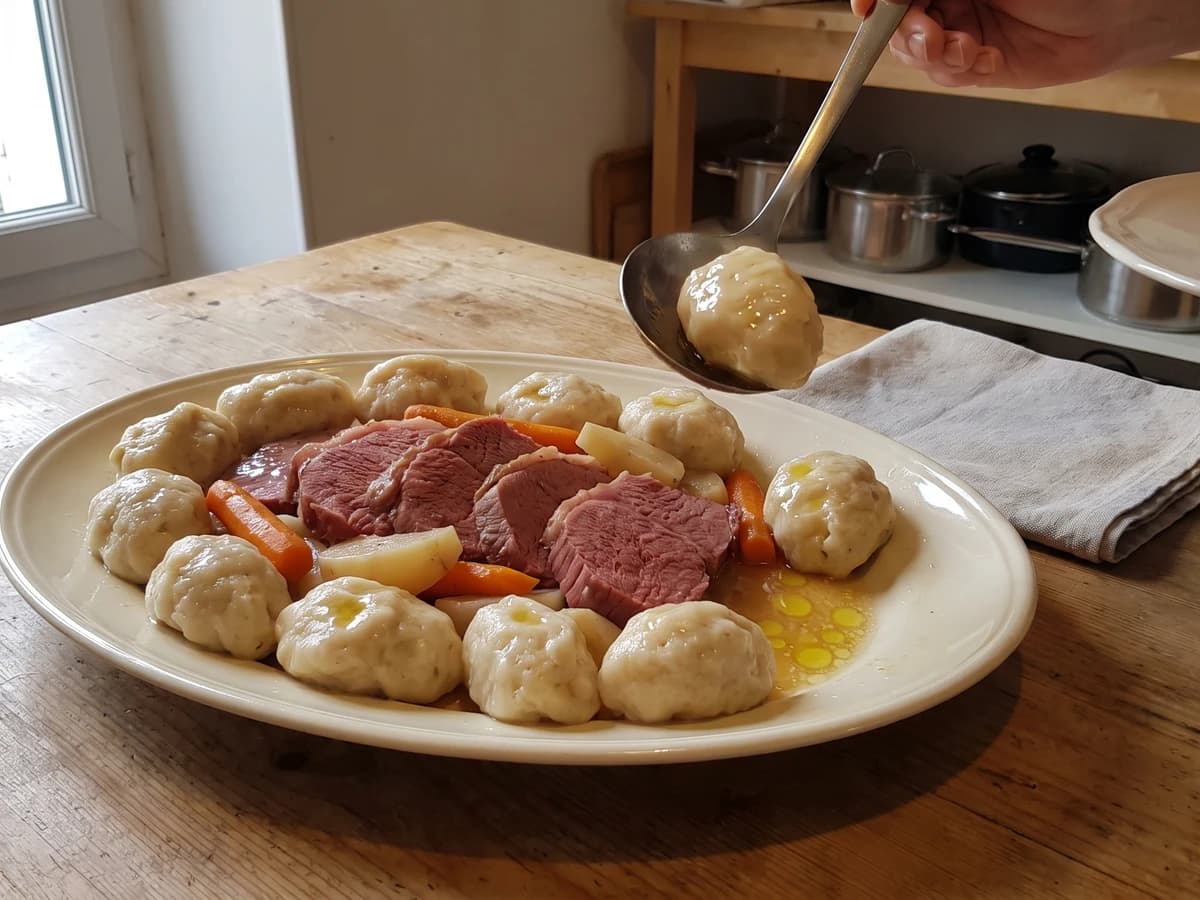
Suet Dumpling
Boulettes au suif, poached beside salt beef, turn equal weights of flour and finely chopped suet into tender, rich dumplings. Keep the beef liquor at a bare tremble and the old garnish works beautifully at home.
A cooking platform built around craft, culture, and the stories behind what we eat.

Created by
Tender jasmine rice simmered in rich coconut milk until each pearly grain carries the gentle sweetness of the tropics. The side dish that turns Tuesday pork chops into an island vacation.
This is the rice that appears at every Hawaiian gathering worth attending. Plate lunch counters serve it. Backyard luaus demand it. Aunties bring it to potlucks in rice cookers wrapped in beach towels to keep warm. It belongs alongside kalua pork, teriyaki chicken, macaroni salad, and anything that needs a creamy, fragrant bed to rest upon.
The technique could not be simpler. Jasmine rice, coconut milk, a touch of salt, and the patience to leave the lid alone. That's the whole trick. The coconut milk does double duty here, adding richness while its fat keeps grains separate and glossy. You'll notice the kitchen fills with a sweet, tropical perfume as it cooks. That's how you know it's working.
I learned this recipe from a woman who ran a lunch wagon in Honolulu, the kind of place where construction workers lined up at 10:45 to beat the noon rush. She measured nothing. Just poured until it looked right. This version gives you the measurements she kept in her head, but once you've made it three times, you won't need them either.
Quantity
1 1/2 cups
Quantity
1 can (13.5 ounces)
Quantity
3/4 cup
Quantity
3/4 teaspoon
Quantity
1 teaspoon
| Ingredient | Quantity |
|---|---|
| jasmine rice | 1 1/2 cups |
| full-fat coconut milk | 1 can (13.5 ounces) |
| water | 3/4 cup |
| fine sea salt | 3/4 teaspoon |
| granulated sugar (optional) | 1 teaspoon |
Place jasmine rice in a fine-mesh strainer and rinse under cold running water, swishing with your fingers until the water runs mostly clear. This takes about ninety seconds. You're washing away surface starch that would otherwise make your finished rice gummy and clumped. Shake the strainer well to remove excess water.
In a heavy-bottomed 2-quart saucepan, shake the coconut milk can vigorously, then pour it in. Add the water, salt, and sugar if using. Whisk briefly to combine. Add the rinsed rice and stir once to distribute the grains evenly across the bottom of the pot. The liquid should cover the rice by about half an inch.
Set the pot over medium-high heat uncovered. Watch carefully. When small bubbles appear around the edges and the surface begins to ripple, you're approaching a simmer. This should take four to five minutes. Do not walk away. Coconut milk scorches faster than water, and burned milk tastes bitter.
The moment the liquid reaches a gentle simmer, reduce heat to the lowest possible setting. Cover tightly with a lid. Set a timer for eighteen minutes. Do not lift the lid. Do not stir. The rice is steaming, and every peek releases the vapor doing the actual cooking.
When the timer sounds, turn off the heat but leave the lid in place. Let the rice rest undisturbed for five minutes. This allows residual steam to finish cooking the top layer and lets the grains firm up enough to fluff without breaking.
Remove the lid. The surface should look dry with small steam holes pocking the top. Using a fork, gently fluff the rice from the edges toward the center, lifting and separating grains rather than stirring. The texture should be tender but distinct, each grain separate and glossy with coconut fat. Taste and adjust salt if needed. Serve warm.
1 serving (about 355g)
Culinary guides, cultural storytelling, and the editorial depth that makes cooking meaningful.
Discover Culinary ExplorerChef Juliette
Boulettes au suif, poached beside salt beef, turn equal weights of flour and finely chopped suet into tender, rich dumplings. Keep the beef liquor at a bare tremble and the old garnish works beautifully at home.

Chef Juliette
Bread, flour, frangipane, and rice become four cool, supple panades for binding forcemeats, each changing body and flavor while preserving tenderness. The finest Mousselines need none, and knowing that distinction is the lesson.

Chef Juliette
Panade au pain is bread, milk, salt, heat, and attention: stir until the paste releases cleanly, butter it against a skin, and you have the quiet binder behind tender French farces.

Chef Juliette
Panade de farine teaches the drying stroke behind pâte à choux: flour meets boiling buttered water, then stays over the fire until the paste gathers, smooths, and quits the pan cleanly.