Chef Joost
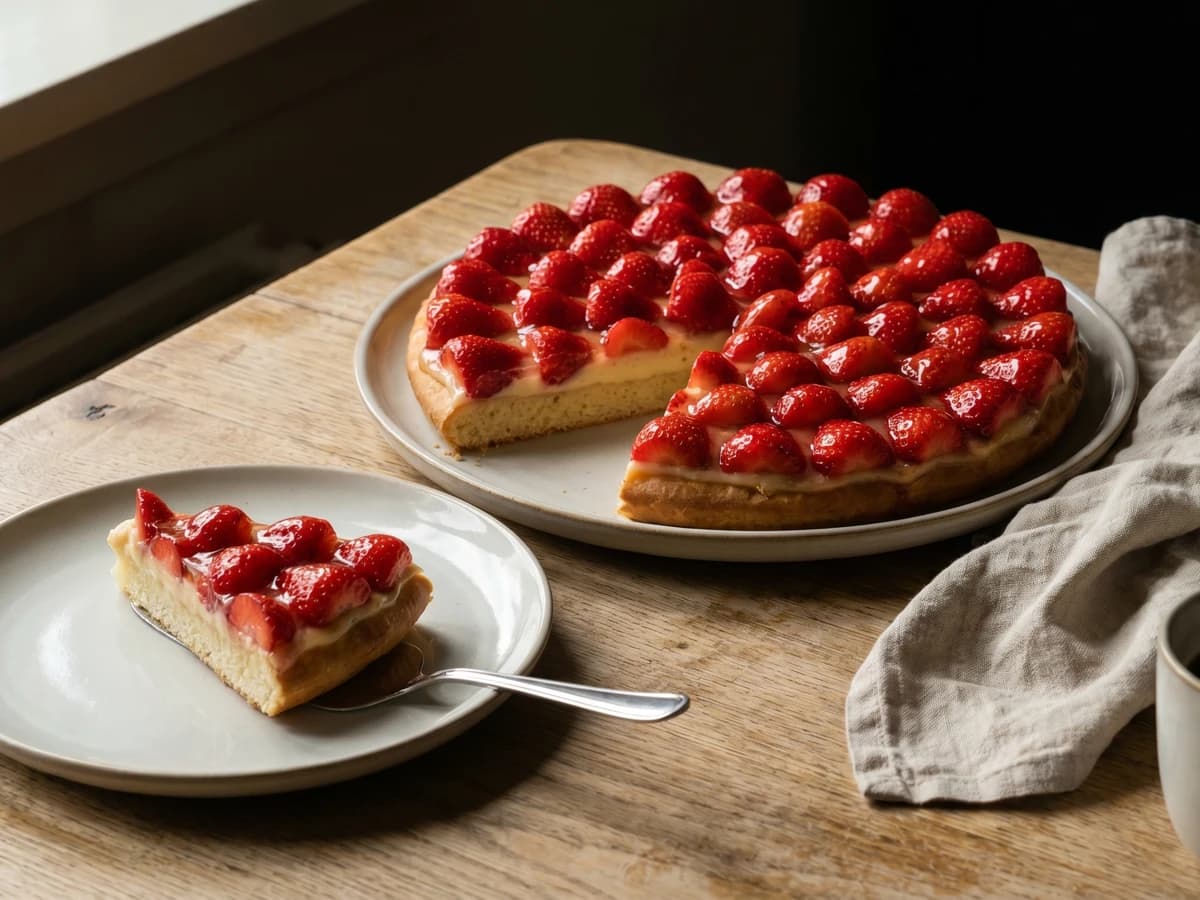
Aardbeienvlaai (Limburg Strawberry Vlaai)
The summer vlaai that politely breaks Limburg's baked-fruit rule: soft gistdeeg, cool pastry cream, and strawberries left fresh because June knows better than the oven.
A cooking platform built around craft, culture, and the stories behind what we eat.
Created by
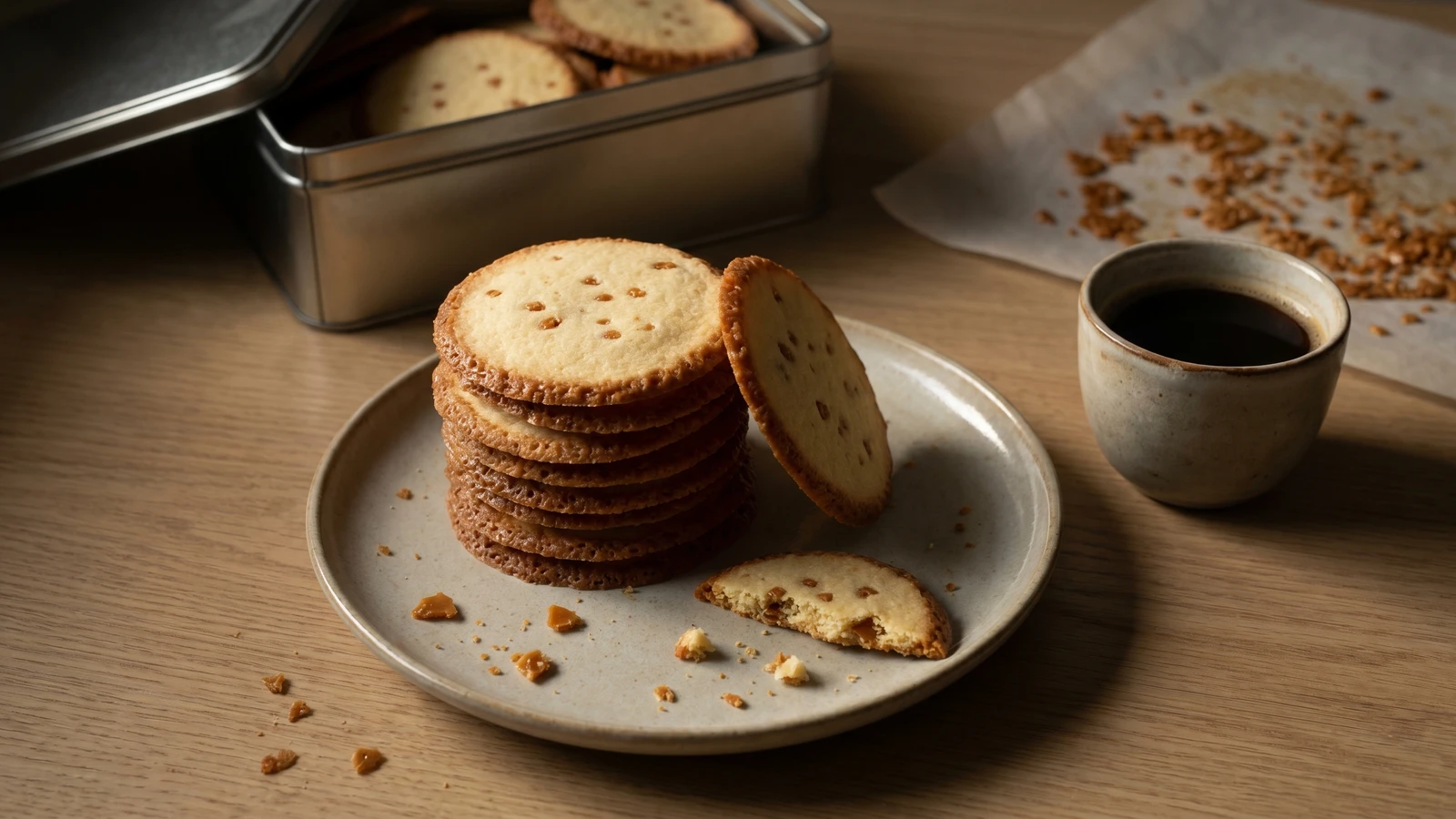
A thin Amsterdam cookie carrying a cog ship in its name: caramelized butter dough, almond nougatine, and a 1934 contest that turned municipal pride into something for coffee.
Amsterdam has always liked its history small enough to fit in the hand. The kogge was a broad-bellied medieval cargo ship, the kind of vessel that helped make a muddy settlement on the Amstel into a trading city. Then, in 1934, when Amsterdam pastry bakers held a contest for a proper city biscuit, the winning cookie took that old ship's name and became a koggetje, a little cog, not by sailing anywhere but by sitting beside coffee with dangerous confidence.
But let me tell you a secret: this is the Amsterdam cookie most visitors miss. They find stroopwafels, they find appeltaart, and the koggetje stays in bakery tins, thin and pale gold, freckled with nougatine. The name already tells you the city's joke. Amsterdam, which once measured wealth in hulls and harbours, hid a little ship in caramel and butter.
The method is as Dutch as the joke: frugal, exact, and not fussy. Cook sugar to amber, trap chopped almonds in it, then break that brittle into small pieces and fold them through a soft butter batter. The heat will spread the dough into rounds while the nougatine melts just enough to mark it with bronze. Hou het altijd simpel, always keep it simple, but don't be casual with size. These cookies travel in the oven. Give each one room, as Amsterdam should have given its ships.
Amsterdamse Koggetjes were created in 1934 after a competition among Amsterdam pastry bakers to establish a distinctive city biscuit, and the winning form was a thin butter cookie studded with nougatine. The name refers to the kogge, the medieval cargo ship that appears in Amsterdam's old civic arms and seals, a reminder that the city's wealth began on water before it became warehouse and bank. In bakeries they are still often sold as nougatines, but the Amsterdam name gives the same cookie a local coat: a little ship for the coffee table.
Quantity
75g
Quantity
50g
very finely chopped
Quantity
125g
softened
Quantity
100g
Quantity
25g
Quantity
1 large
at room temperature
Quantity
1 teaspoon vanilla sugar or 1/2 teaspoon extract
Quantity
125g
Quantity
1/4 teaspoon
Quantity
1 tablespoon
only if the batter is too stiff
| Ingredient | Quantity |
|---|---|
| granulated sugar | 75g |
| blanched almondsvery finely chopped | 50g |
| unsalted buttersoftened | 125g |
| fine caster sugar | 100g |
| light brown basterdsuiker or light brown sugar | 25g |
| egg whiteat room temperature | 1 large |
| vanilla sugar or vanilla extract | 1 teaspoon vanilla sugar or 1/2 teaspoon extract |
| all-purpose flour | 125g |
| fine salt | 1/4 teaspoon |
| milk (optional)only if the batter is too stiff | 1 tablespoon |
Line a baking tray with parchment. Put the granulated sugar in a small heavy pan over medium heat and let it melt without stirring, swirling the pan only when the edges begin to turn amber. When the caramel is the colour of dark honey, stir in the chopped almonds, then scrape the mixture onto the parchment and spread it thinly. Molten sugar burns with real seriousness, so use a spoon and keep your fingers out of the story.
Let the nougatine cool completely, about fifteen minutes, then break it into pieces and chop it into small shards, no larger than lentils. Keep the dust as well as the pieces. The dust melts into the cookie and the shards make the bronze freckles.
Beat the softened butter with the caster sugar and basterdsuiker until creamy and lighter in colour. Beat in the egg white and vanilla, then fold in the flour and salt until you have a soft paste. If it refuses to loosen from the spoon, add the tablespoon of milk. Fold in the chopped nougatine gently, because the whole pleasure of a koggetje is finding those little caramel-almond pieces still distinct.
Heat the oven to 175C and line two baking trays with parchment. Drop level teaspoons of batter onto the trays, leaving at least 7 centimetres between them, then flatten each mound slightly with the back of a damp spoon. These cookies spread like Amsterdam merchants with a good map. Give them room.
Bake one tray at a time for 8 to 10 minutes, until the edges are deep golden and the centres are pale gold with caramel flecks showing through. The final minute matters. Pull them too early and they bend like pancakes; leave them too long and the caramel turns hard and stern.
Let the cookies rest on the tray for five minutes, then lift them carefully with a thin spatula onto a rack. They firm as they cool, which is why patience looks like technique here. Store them airtight once completely cool, with parchment between layers if you stack them.
1 serving (about 18g)
Culinary guides, cultural storytelling, and the editorial depth that makes cooking meaningful.
Discover Culinary ExplorerChef Joost
The summer vlaai that politely breaks Limburg's baked-fruit rule: soft gistdeeg, cool pastry cream, and strawberries left fresh because June knows better than the oven.

Chef Joost
A Limburg vlaai is not a pie trying to be grand. It is a thin yeast-dough round, fruit-bright and generous, made for birthdays, coffee, and second slices.

Chef Joost
The December bakery counter made small: cold leafed pastry wrapped around lemon-scented amandelspijs, brushed gold, and scattered with almonds so one person gets the whole holiday in both hands.

Chef Joost
A winter apple ring in light batter, fried for oudejaarsavond, New Year's Eve, when the oliebol makes the noise and the quieter beignet keeps the cinnamon-sugared secret.