
Chef Juliette
Various Almond Preparations
Five almond preparations, one discipline: remove the skins cleanly, dry every kernel through, then cut, toast, or cloak it in pale caramel without letting its fragrant oils escape.
A cooking platform built around craft, culture, and the stories behind what we eat.

Created by Chef Juliette
Based on No. 2760, Liqueur-ice Preparations, from Le Guide Culinaire (1907) by Auguste Escoffier
Glaces aux liqueurs hold one exact balance: fruit-ice syrup, lemon, and liqueur measured at one part to ten, with tea, orange rind, or noyau making each spirit taste more completely itself.
Glaces aux liqueurs (liqueur ices) teach the discipline of alcohol in a frozen base: perfume it, don't flood it. The liqueur must meet the syrup only when both are cold, measured at one part to ten, or the ice remains loose instead of settling into a soft, fragrant scoop.
The source formula assumed a pastry station measuring syrup by the quart, a syrup gauge, and a sorbetière packed with ice and salt. Here the syrup branch is reduced to 500 ml, checked with a scale and graduated jug, then churned in a countertop machine. The brigade quantity and syrup gauge are scaffolding and can go. The fruit-ice strength, lemon juice, cold addition, and exact proportion are the dish and must stay.
A weak aroma is strengthened through the liqueur's own source, not through another reckless pour: strong tea under rum, orange rind under Curaçao, prepared noyau under kirsch. Before you meet the machine, remember the one step that decides the dish: stir the measured liqueur into syrup that is completely cold.
Glaces aux liqueurs belong to the Parisian pâtisserie and formal entremets glacés table rather than to one province; they were composed as a family of ices, with fruit-ice-strength syrup carrying the chosen spirit. The classical method pairs each liqueur with an echo of its source, strong tea under rum, orange rind under Curaçao, and cherry kernel under kirsch, so aroma grows without raising the alcohol. The discipline is chemical as much as culinary: the spirit goes in cold and by measure, because excess alcohol keeps the ice from setting.
Quantity
1⅔ cups (400 ml / 400 g)
divided
Quantity
scant ⅞ cup (205 ml / 170 g)
Quantity
1 tablespoon (15 ml / 15 g)
strained
Quantity
3 tablespoons plus 1 teaspoon (50 ml / 48 g)
choose one and chill
Quantity
2 teaspoons (10 ml / 4 g)
Quantity
3 broad strips
remove with a vegetable peeler, leaving behind the white pith
Quantity
2 drops
| Ingredient | Quantity |
|---|---|
| cold waterdivided | 1⅔ cups (400 ml / 400 g) |
| granulated sugar | scant ⅞ cup (205 ml / 170 g) |
| fresh lemon juicestrained | 1 tablespoon (15 ml / 15 g) |
| dark rum, orange Curaçao, or kirschchoose one and chill | 3 tablespoons plus 1 teaspoon (50 ml / 48 g) |
| loose-leaf black tea, for the rum version (optional) | 2 teaspoons (10 ml / 4 g) |
| orange rind, for the Curaçao version (optional)remove with a vegetable peeler, leaving behind the white pith | 3 broad strips |
| commercially prepared food-grade noyau extract, for the kirsch version (optional) | 2 drops |
Reserve 75 ml of the water. Combine the remaining 325 ml with the sugar in a medium saucepan and warm gently, stirring, just until every crystal dissolves and the syrup turns clear. Don't let it boil away; concentration is the grammar of a frozen dessert, and a reduced syrup becomes too sweet and heavy.
For rum ice, remove the syrup from the heat, add the black tea, cover, and infuse for 4 minutes before straining. For Curaçao ice, add the orange rind, cover, and infuse for 20 minutes before straining. For kirsch ice, leave the warm syrup plain; the prepared noyau extract joins the cold base later. Each addition supports the spirit without changing the source formula's proportion.
Cool the syrup completely, then pour it into a graduated jug and add enough of the reserved water to bring it to exactly 500 ml. This restores anything lost from the pan and leaves the syrup at fruit-ice strength. Cover and refrigerate for at least 2 hours, until thoroughly cold. If the syrup boiled and dropped well below the mark, ça se rattrape: add cold water to the 500 ml line rather than guessing.
Stir the lemon juice into the cold syrup, then measure in exactly 50 ml of your chosen liqueur. This one-to-ten proportion is the source formula's one-fifth pint per quart of syrup. For the kirsch version, add the two drops of prepared food-grade noyau extract now. Never strengthen the flavor by free-pouring more alcohol; if an extra 10 ml goes in, restore the balance with 100 ml of fresh chilled syrup made at the same strength.
Pour the base into a fully frozen ice-cream machine and churn until it rises into thick, soft folds and the dasher leaves tracks that stay open, usually 20 to 25 minutes. A liqueur ice leaves the machine softer than an ordinary fruit ice. If it remains liquid, the bowl or base was too warm: transfer the mixture to a shallow metal pan, freeze for 45 minutes, whisk it smooth, and churn again.
Pack the churned ice into a shallow freezer container, press parchment directly against its surface, and freeze for 3 to 4 hours. Let it stand for 5 minutes before serving, then draw generous scoops with a spoon dipped in hot water and wiped dry. The texture should be supple, the lemon clean at the finish, and the chosen liqueur unmistakable. À table!
1 serving (about 120g)
Culinary guides, cultural storytelling, and the editorial depth that makes cooking meaningful.
Discover Culinary ExplorerChef Juliette
Five almond preparations, one discipline: remove the skins cleanly, dry every kernel through, then cut, toast, or cloak it in pale caramel without letting its fragrant oils escape.

Chef Juliette
A pastry pantry lesson in one tray: filberts warmed only until their red skins release, rubbed clean, cooled, and chopped into a fragrant mise-en-place for cakes, creams, pralines, and petits fours.

Chef Juliette
The smallest pâtisserie discipline decides whether a cake leaves its mould intact: clarified butter in every corner, followed by the lightest veil of dry flour or fécule.
Chef Juliette
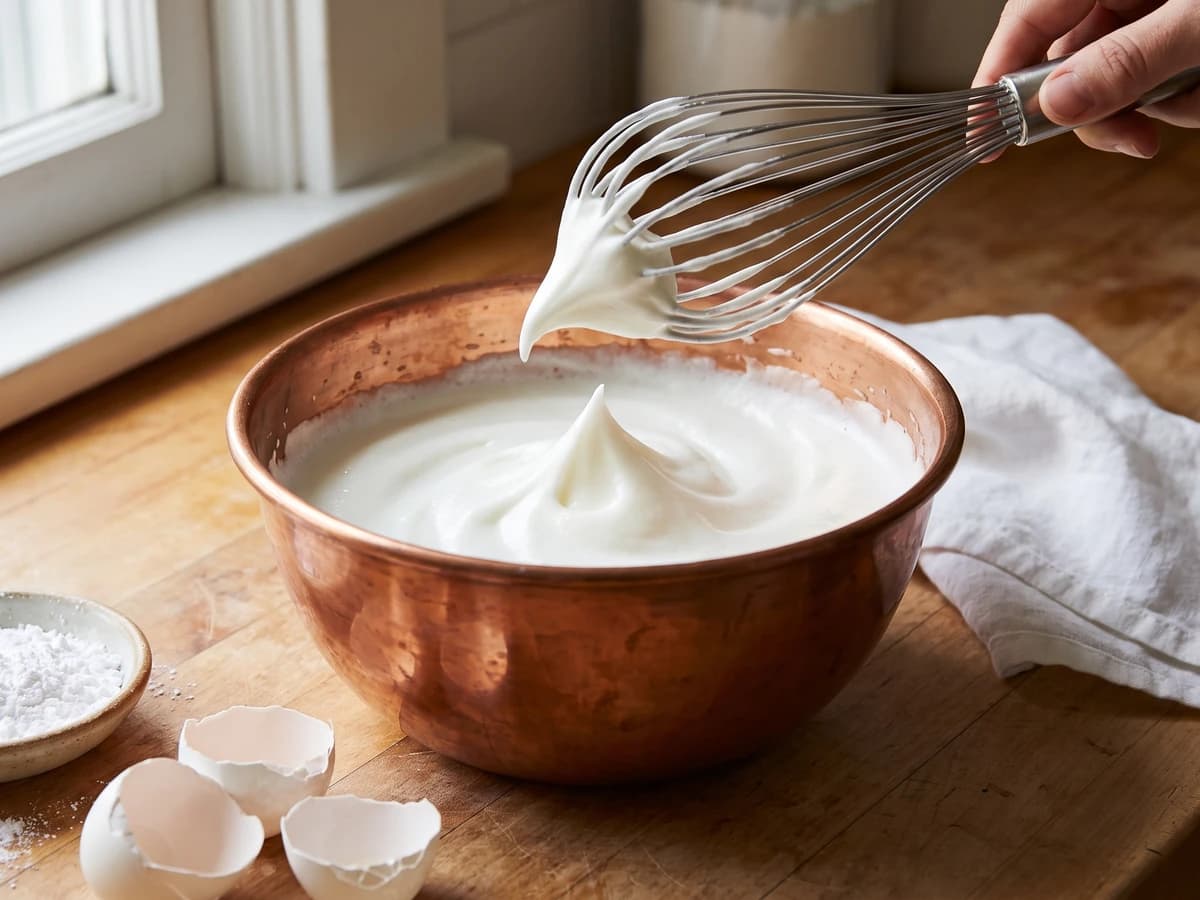
Four whites, one spotless bowl, and a patient change of speed: whisk gently until loosened, then briskly to glossy stiffness, with powdered sugar waiting if the foam begins to granulate.