
Chef Juliette
Various Almond Preparations
Five almond preparations, one discipline: remove the skins cleanly, dry every kernel through, then cut, toast, or cloak it in pale caramel without letting its fragrant oils escape.
A cooking platform built around craft, culture, and the stories behind what we eat.

Created by Chef Juliette
Based on No. 2754, Pistachio Ice-cream, from Le Guide Culinaire (1907) by Auguste Escoffier
Crème glacée aux pistaches turns two nuts into one clear flavour: pistachio for fragrance and colour, sweet almond for body, held in a silken custard and churned until dense and supple.
Crème glacée aux pistaches (pistachio ice cream) teaches that a supporting flavour need not announce itself. Pistachio gives fragrance and colour; sweet almond supplies the roundness and body pistachio alone cannot. Pound them together and the two read as one clear, deep pistachio flavour.
The original assumed a heavy mortar, spare hands to skin every pistachio, and an ice-and-salt freezer already turning in the pastry room. A brief blanch, a small food processor, and a domestic churn are the honest home equivalents. The finished base is scaled to about one quart while keeping the book's precise proportion, two ounces of sweet almond to two and a half ounces of pistachio. The mortar and brigade freezer are scaffolding; the freshly peeled nuts and 20-minute infusion in boiled milk are the dish, so those stay. One cook, one stove, one evening's work, then the freezer finishes it.
Expect a natural celadon green, not confectioner's green, with a dense, yielding scoop and no raw nut grit. The step that matters most comes first: peel the pistachios freshly while they are still warm, because skin left on turns their green drab before the custard ever reaches the pan.
Pistachio ice belongs to the Parisian glacier and confectioner's repertoire, where frozen creams traveled from formal dessert service into cafés and home dining rooms. The classical French formula pairs pistachio with sweet almond, not simply for economy but for structure: almond lends oil and softness while pistachio carries the perfume and green colour. Fresh peeling kept the papery skins from muddying both colour and flavour, a pastry-room discipline that remains just as useful at home.
Quantity
½ cup (120 ml / 71 g)
freshly peeled after blanching
Quantity
⅓ cup (80 ml / 56 g)
Quantity
2½ cups (600 ml / 618 g)
divided
Quantity
1 cup (240 ml / 238 g)
Quantity
¾ cup plus 2 tablespoons (210 ml / 175 g)
Quantity
6
| Ingredient | Quantity |
|---|---|
| raw shelled unsalted pistachiosfreshly peeled after blanching | ½ cup (120 ml / 71 g) |
| blanched sweet almonds | ⅓ cup (80 ml / 56 g) |
| whole milkdivided | 2½ cups (600 ml / 618 g) |
| cold heavy cream | 1 cup (240 ml / 238 g) |
| granulated sugar | ¾ cup plus 2 tablespoons (210 ml / 175 g) |
| large egg yolks | 6 |
Bring a small saucepan of water to a boil. Add the pistachios for 30 seconds, drain them, and rub away their loosened purple-brown skins while the nuts are still warm. If a few skins cling, return those nuts to the water for another 15 seconds rather than scraping at them. Pat the peeled kernels completely dry. Do not toast them; toasted pistachios taste splendid, but they turn this ice cream brown and pull it away from the source.
Put the peeled pistachios and sweet almonds in a small food processor. Pulse them to a fine meal, then process continuously while adding about 1 teaspoon of the measured milk drop by drop, only enough to help the blades form a close, damp paste. Scrape down the bowl often. The source calls for pounding in a mortar; the processor replaces the labour, not the result. If the paste grows warm and begins to release a shiny film of oil, chill it for 10 minutes before continuing.
Bring the remaining milk just to a full boil in a heavy saucepan, watching closely so it does not climb over the rim. Remove it from the heat immediately, stir in the nut paste, cover, and leave it to infuse for 20 minutes. Keep the full infusion. This is one of the steps that is the dish, not pastry-room scaffolding: the boiled milk draws out the nuts' fragrance while the almond softens the pistachio's sharper edge.
Pour the cold cream into a large heatproof bowl and set a fine sieve over it. Whisk the yolks and sugar in a second bowl until smooth and slightly lighter, without beating in excess air. Reheat the infused milk until hot, then pour one-third into the yolks while whisking. Return everything to the saucepan and cook over low heat, stirring constantly across the bottom and into the corners, until the crème anglaise, the pouring custard, coats the spatula and reaches 78 to 82°C (172 to 180°F). Never let it boil. If you see tiny curds, remove the pan at once and pour the custard through the sieve into the cold cream, then blend briefly. Ça se rattrape. Large, dry curds and an eggy smell mean it has gone too far.
Stir the custard into the cold cream, then blend it for 20 to 30 seconds with an immersion blender so the nut oils and dairy settle into one smooth emulsion. Set the bowl over ice water and stir until thoroughly cold. Cover and refrigerate for at least 4 hours, or overnight. The base must be cold before churning or it will freeze into coarse crystals. Its colour should be a quiet, natural green, not the green of confectioner's paint.
Churn the cold base in a 1½-quart ice cream machine according to its directions, usually 20 to 30 minutes, until it holds soft folds and a lifted spoon leaves a firm track. Stop while it is dense but supple. Churning far beyond that point warms the bowl and can turn the cream grainy.
Pack the churned crème glacée into a cold, shallow container, press parchment directly against the surface, cover, and freeze for 3 to 4 hours. Let it stand at room temperature for 5 to 10 minutes before scooping. You want a dense, yielding spoonful with pistachio first and almond quietly underneath. À table!
1 serving (about 150g)
Culinary guides, cultural storytelling, and the editorial depth that makes cooking meaningful.
Discover Culinary ExplorerChef Juliette
Five almond preparations, one discipline: remove the skins cleanly, dry every kernel through, then cut, toast, or cloak it in pale caramel without letting its fragrant oils escape.

Chef Juliette
A pastry pantry lesson in one tray: filberts warmed only until their red skins release, rubbed clean, cooled, and chopped into a fragrant mise-en-place for cakes, creams, pralines, and petits fours.

Chef Juliette
The smallest pâtisserie discipline decides whether a cake leaves its mould intact: clarified butter in every corner, followed by the lightest veil of dry flour or fécule.
Chef Juliette
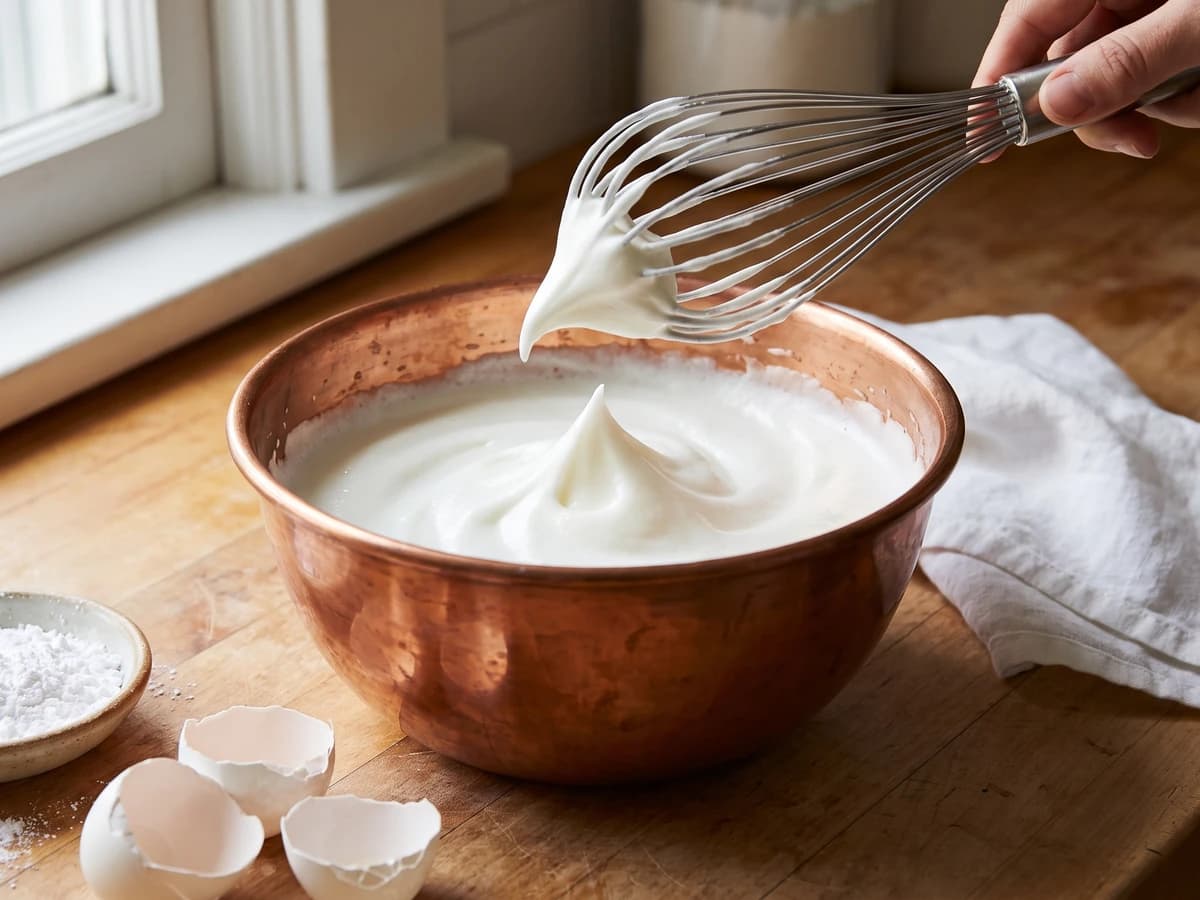
Four whites, one spotless bowl, and a patient change of speed: whisk gently until loosened, then briskly to glossy stiffness, with powdered sugar waiting if the foam begins to granulate.