
Chef Juliette
Various Almond Preparations
Five almond preparations, one discipline: remove the skins cleanly, dry every kernel through, then cut, toast, or cloak it in pale caramel without letting its fragrant oils escape.
A cooking platform built around craft, culture, and the stories behind what we eat.

Created by Chef Juliette
Based on No. 2715, Poires Pralinees, from Le Guide Culinaire (1907) by Auguste Escoffier
Poires Pralinées turn four tender pears into a composed entremets: warm-thinned Frangipane clinging without tearing, cool Chantilly between them, rough almond Pralin above, and chocolate sauce waiting at the dinner table.
Poires Pralinées (almond-coated pears) teach the art of consistency. The pears must be tender yet upright, the Chantilly firm enough to shape, and the Frangipane loose enough to cloak the fruit without dragging across it. One true thing decides the dish: thin the Frangipane while it is warm. Cold cream pulls and tears the pears.
The original recipe assumed an entremets station where stewed pears, Frangipane, Chantilly, Pralin (No. 2352), and chocolate sauce waited in separate bowls. At home, you make those parts in sequence and wash the saucepan between them. That brigade mise en place was scaffolding and can go; the cooled pears, cream-loosened Frangipane, shaped Chantilly, concassed Pralin, and chocolate sauce are the dish and must stay. Four pears give one cook, one stove, one evening a generous dessert without leaving enough pastry cream to feed a dining room.
The source calls for raw cream, meaning cream used liquid rather than whipped. Pasteurized heavy cream is its honest home equivalent. Warm the Frangipane only until it relaxes, whisk in the cream gradually, and stop when it falls in a thick ribbon. That small judgment turns five prepared parts into one splendid dessert.
Poires Pralinées belong to the Parisian grand-kitchen repertoire of entremets, where familiar orchard fruit moved to the formal table through careful assembly with pastry creams, whipped cream, nuts, and a sauce served separately. The dish is not a regional pear pudding but a lesson in the professional pastry pantry translated to a dining-room timbale. Its concassed-almond Pralin (No. 2352) is the coating form made with roughly chopped almonds, not the nougat powder used to flavor soufflés, custards, and ices.
Quantity
4 medium pears, about 1½ pounds (680 g)
peeled and cored from the base with stems intact
Quantity
3 cups (710 ml / 710 g)
Quantity
1 cup (240 ml / 200 g)
Quantity
¾ cup (180 ml / 185 g)
Quantity
3
Quantity
¼ cup (60 ml / 50 g)
Quantity
2 tablespoons (30 ml / 16 g)
Quantity
½ cup (120 ml / 50 g)
Quantity
2 tablespoons (30 ml / 28 g)
softened
Quantity
¼ cup (60 ml / 60 g)
unwhipped
Quantity
¾ cup (180 ml / 180 g)
Quantity
2 tablespoons (30 ml / 15 g)
Quantity
½ teaspoon (2.5 ml / 2.5 g)
Quantity
¾ cup (180 ml / 100 g) concassed-almond Pralin (No. 2352)
Quantity
⅔ cup (160 ml / 115 g)
finely chopped
Quantity
½ cup (120 ml / 120 g)
Quantity
¼ cup (60 ml / 60 g)
Quantity
1 tablespoon (15 ml / 12 g)
Quantity
1 tablespoon (15 ml / 14 g)
| Ingredient | Quantity |
|---|---|
| firm-ripe pearspeeled and cored from the base with stems intact | 4 medium pears, about 1½ pounds (680 g) |
| water for stewing | 3 cups (710 ml / 710 g) |
| granulated sugar for stewing | 1 cup (240 ml / 200 g) |
| whole milk | ¾ cup (180 ml / 185 g) |
| large egg yolks | 3 |
| granulated sugar for Frangipane | ¼ cup (60 ml / 50 g) |
| cornstarch | 2 tablespoons (30 ml / 16 g) |
| finely ground blanched almonds | ½ cup (120 ml / 50 g) |
| unsalted butter for Frangipanesoftened | 2 tablespoons (30 ml / 28 g) |
| pasteurized heavy cream for thinningunwhipped | ¼ cup (60 ml / 60 g) |
| cold pasteurized heavy cream for Chantilly | ¾ cup (180 ml / 180 g) |
| confectioners' sugar | 2 tablespoons (30 ml / 15 g) |
| pure vanilla extract | ½ teaspoon (2.5 ml / 2.5 g) |
| prepared concassed-almond Pralin, coating form | ¾ cup (180 ml / 100 g) concassed-almond Pralin (No. 2352) |
| bittersweet chocolatefinely chopped | ⅔ cup (160 ml / 115 g) |
| pasteurized heavy cream for chocolate sauce | ½ cup (120 ml / 120 g) |
| water for chocolate sauce | ¼ cup (60 ml / 60 g) |
| granulated sugar for chocolate sauce | 1 tablespoon (15 ml / 12 g) |
| unsalted butter for chocolate sauce | 1 tablespoon (15 ml / 14 g) |
Combine the water and sugar in a saucepan just wide enough to hold the pears upright. Bring to a simmer and stir until the sugar dissolves, then lower in the peeled pears. Cover the surface with a round of baking paper and hold the syrup at the gentlest tremble for 20 to 30 minutes, turning the pears occasionally, until a thin knife enters the thickest part with only slight resistance. If one pear begins to split, lift it out immediately; it can cool in a ladleful of syrup while the others finish. Cool all four pears completely in the syrup, then chill them for at least 2 hours.
Warm the milk in a small saucepan until bubbles gather at its edge. Whisk the yolks, sugar, and cornstarch in a bowl until smooth, then pour in half the hot milk gradually while whisking. Return everything to the saucepan and cook over medium-low heat, whisking constantly, until the custard thickens and gives two or three slow bubbles. Whisk in the ground almonds and cook gently for 2 minutes, then remove from the heat and beat in the butter. If the bottom catches, pour the cream immediately into a clean bowl without scraping the saucepan; the unburned portion is perfectly usable. Press reusable wrap or baking paper directly onto the surface, cool for 20 minutes, then refrigerate.
Put the chopped chocolate in a heatproof bowl. Bring the cream, water, and sugar just to a simmer, pour them over the chocolate, and wait 1 minute. Whisk from the centre outward until smooth, then whisk in the butter. If the sauce turns oily, add very hot water one teaspoon at a time while whisking from the centre. Ça se rattrape. Cover and keep the sauce at room temperature for warm service, or chill it once cool for cold service.
Chill a mixing bowl and whisk, then pour in the cold cream. Whip until it begins to hold soft ridges, add the confectioners' sugar and vanilla, and continue only until the Chantilly forms smooth medium-firm peaks that hold a spoon shape. Stop before it looks grainy. If it has gone only slightly too far, fold in 1 tablespoon of the unwhipped cream allotted for the Frangipane; the Frangipane will simply need a little less.
Set the chilled Frangipane over a pan of barely simmering water and whisk until it becomes supple and the bowl feels only faintly warm. Remove it from the heat and whisk in the unwhipped cream one tablespoon at a time, stopping when the Frangipane falls from the whisk in a broad ribbon that slowly disappears. Never force cold Frangipane over the pears, because it drags and tears their surface. If it remains clotted or stiff, stop and warm it gently again before adding another spoonful of cream; ça se rattrape. If it becomes too loose, let it stand for 5 minutes.
Lift the cold pears from their syrup and blot them very gently so the coating can cling. Stand them close together in a shallow 1½-quart timbale or serving bowl. Spoon the warm-thinned Frangipane over each pear, coaxing it down the sides without rubbing the fruit, and let it settle for 5 minutes. With two tablespoons, shape generous oval spoonfuls of Chantilly and set one neatly between each pear. The third will look better than the first. This is cooking well, not cooking fancy.
Spoon the prepared concassed-almond Pralin (No. 2352) over the pears and Chantilly so the rough almonds cover the composition generously without being pressed into it. Bring the chocolate sauce separately, either warm and fluid or cold but still pourable. If chilled sauce has tightened, loosen it with a teaspoon of warm water. Spoon it onto each plate at the table. À table!
1 serving (about 430g)
Culinary guides, cultural storytelling, and the editorial depth that makes cooking meaningful.
Discover Culinary ExplorerChef Juliette
Five almond preparations, one discipline: remove the skins cleanly, dry every kernel through, then cut, toast, or cloak it in pale caramel without letting its fragrant oils escape.

Chef Juliette
A pastry pantry lesson in one tray: filberts warmed only until their red skins release, rubbed clean, cooled, and chopped into a fragrant mise-en-place for cakes, creams, pralines, and petits fours.

Chef Juliette
The smallest pâtisserie discipline decides whether a cake leaves its mould intact: clarified butter in every corner, followed by the lightest veil of dry flour or fécule.
Chef Juliette
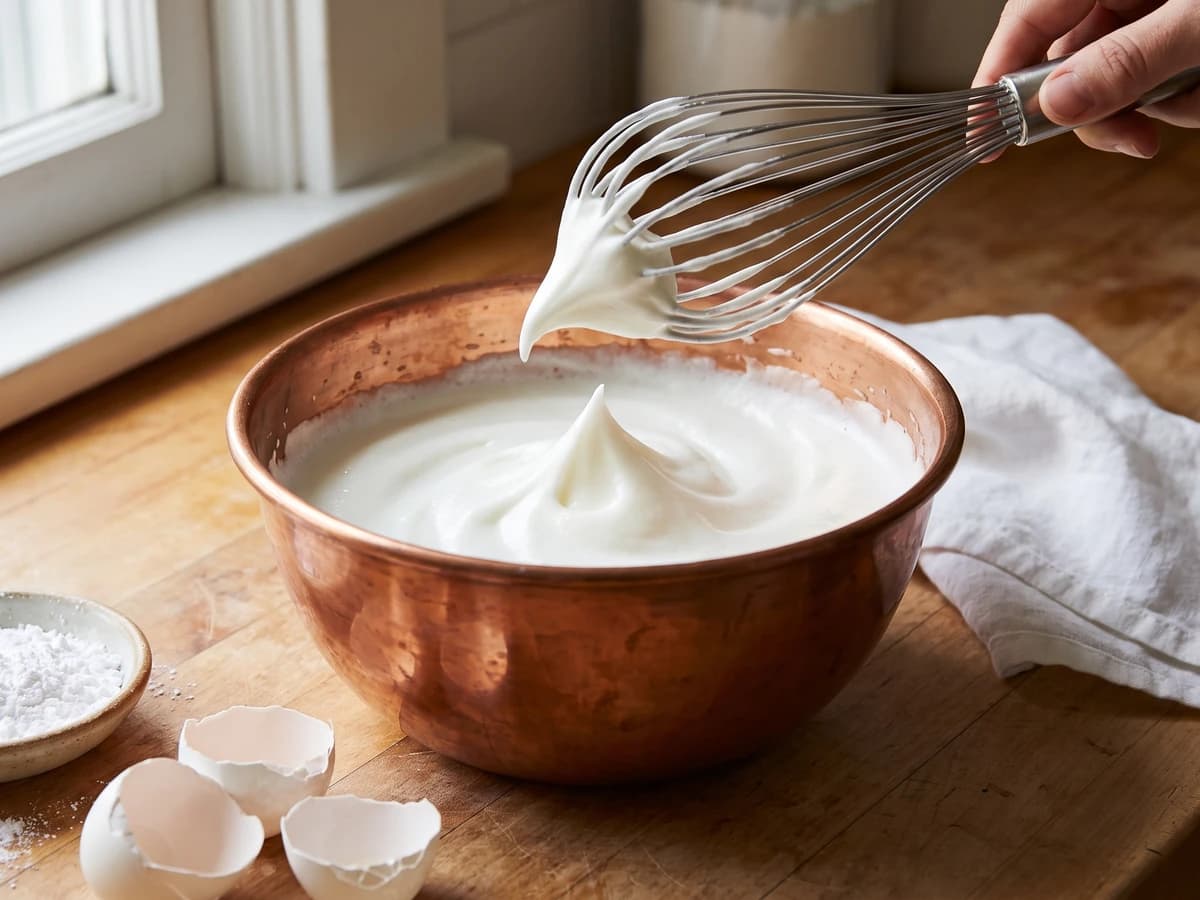
Four whites, one spotless bowl, and a patient change of speed: whisk gently until loosened, then briskly to glossy stiffness, with powdered sugar waiting if the foam begins to granulate.