
Chef Juliette
Mayonnaise de Volaille
Cold roast chicken, ciseled lettuce, and a shining coat of homemade mayonnaise, arranged with capers, olives, anchovies, eggs, and lettuce hearts, then tossed at the table as the canon intends.
A cooking platform built around craft, culture, and the stories behind what we eat.

Created by Chef Juliette
Based on No. 2684, Fraises Cardinal, from Le Guide Culinaire (1907) by Auguste Escoffier
Cold berries, scarlet raspberry purée, and white almond splinters prove the rule of Fraises Cardinal: preserve the perfume, never cook the sauce, and let perfect fruit carry the dish.
Fraises Cardinal (strawberries with raspberry purée and fresh almonds) teaches the discipline of leaving ripe fruit alone. Before you touch a pan, know the one true thing: the raspberry purée never meets heat. Cold preserves its cardinal red and high floral perfume; reduction makes it darker, flatter, and wrong for this dish.
The original formula assumed a cold-pantry station with either Melba sauce waiting or raspberries ready to pass through a sieve, fresh almonds newly shelled, and a service timbale filled by eye. At home, the sauce station and open quantity are scaffolding: take the entry's permitted fresh-raspberry path, set it to four servings, and use a chilled glass bowl. One cook, one stove, one evening, and the stove has almost nothing to do. The uncooked purée, cold strawberries, and white almond splinters are the dish itself, and they stay.
The result should be generous and brilliantly red, with each cold strawberry wearing a glossy coat of raspberry and the tender almonds giving a pale, quiet crunch. The step that matters most is drying the chilled strawberries completely before the purée reaches them; water is the one thing here that can turn scarlet silk into pink soup.
Fraises Cardinal belongs to the Parisian classical dessert repertory, where named fruit preparations allowed the kitchen and dining room to share one precise vocabulary. Cardinal describes the scarlet effect of red fruit on red fruit, relieved by white fresh-almond splinters; it does not indicate a liqueur, a cooked compote, or a regional berry tradition. The preparation passed readily from grand service to the bourgeois dinner table because its discipline is domestic at heart: perfect fruit, cold handling, and no cooking.
Quantity
4½ cups (1.1 L / 650 g)
Quantity
2 cups (480 ml / 250 g)
Quantity
¼ cup (60 ml / 30 g)
| Ingredient | Quantity |
|---|---|
| small ripe strawberries | 4½ cups (1.1 L / 650 g) |
| fresh raspberries | 2 cups (480 ml / 250 g) |
| freshly shelled sweet almond kernels | ¼ cup (60 ml / 30 g) |
Rinse the strawberries quickly with their green caps intact, then rinse the raspberries gently in a sieve. Spread both fruits separately on clean towels and let them dry completely. Hull the strawberries without cutting them, arrange them in one layer on a tray, and chill both fruits for 1 hour. If they arrived wet, leave them uncovered in the cold for an extra 20 minutes; wet fruit can be rescued, but it must not meet the purée until its surface is dry.
Slip the papery skins from the fresh almond kernels. If the skins cling, cover the kernels with just-boiled water for 30 seconds, drain them, and pinch the skins away. Cool and dry them completely, then split each kernel lengthwise with a paring knife into slender, irregular white splinters. Do not toast them. Their milky tenderness and pale colour are part of Fraises Cardinal, not an idle garnish.
Set a fine-mesh sieve over a chilled bowl and press the cold raspberries through it with the back of a spoon, scraping the purée from the underside as you work. Stop when the sieve holds dry seeds and little else; you should have about ¾ cup (180 ml / 180 g) of smooth purée. Do not cook, sweeten, or work it for long in a blender. Heat and excess air dull precisely what the dish is protecting. Reserve one-quarter of the purée in a separate cold cup.
Set the cold, dry strawberries in the chilled timbale and pour over the remaining raspberry purée. Fold from the bottom with a broad spoon until every berry is coated, keeping the fruit whole. If the strawberries release juice and the sauce begins to run, tilt the bowl and spoon off only the thin liquid, then coat the fruit with the reserved purée. Ça se rattrape. Never reduce the sauce to thicken it; the uncooked perfume is the dish.
Scatter the white almond splinters generously over the coated strawberries at the last moment, so they remain firm and visible against the red fruit. Keep the timbale cold for no more than 20 minutes, then bring it directly to the table and spoon out generous portions. À table!
1 serving (about 225g)
Culinary guides, cultural storytelling, and the editorial depth that makes cooking meaningful.
Discover Culinary ExplorerChef Juliette
Cold roast chicken, ciseled lettuce, and a shining coat of homemade mayonnaise, arranged with capers, olives, anchovies, eggs, and lettuce hearts, then tossed at the table as the canon intends.

Chef Juliette
Cold roast or poached chicken with fine ribbons of lettuce, dressed at the final moment with oil and vinegar: a composed salad whose freshness depends entirely on timing.
Chef Juliette
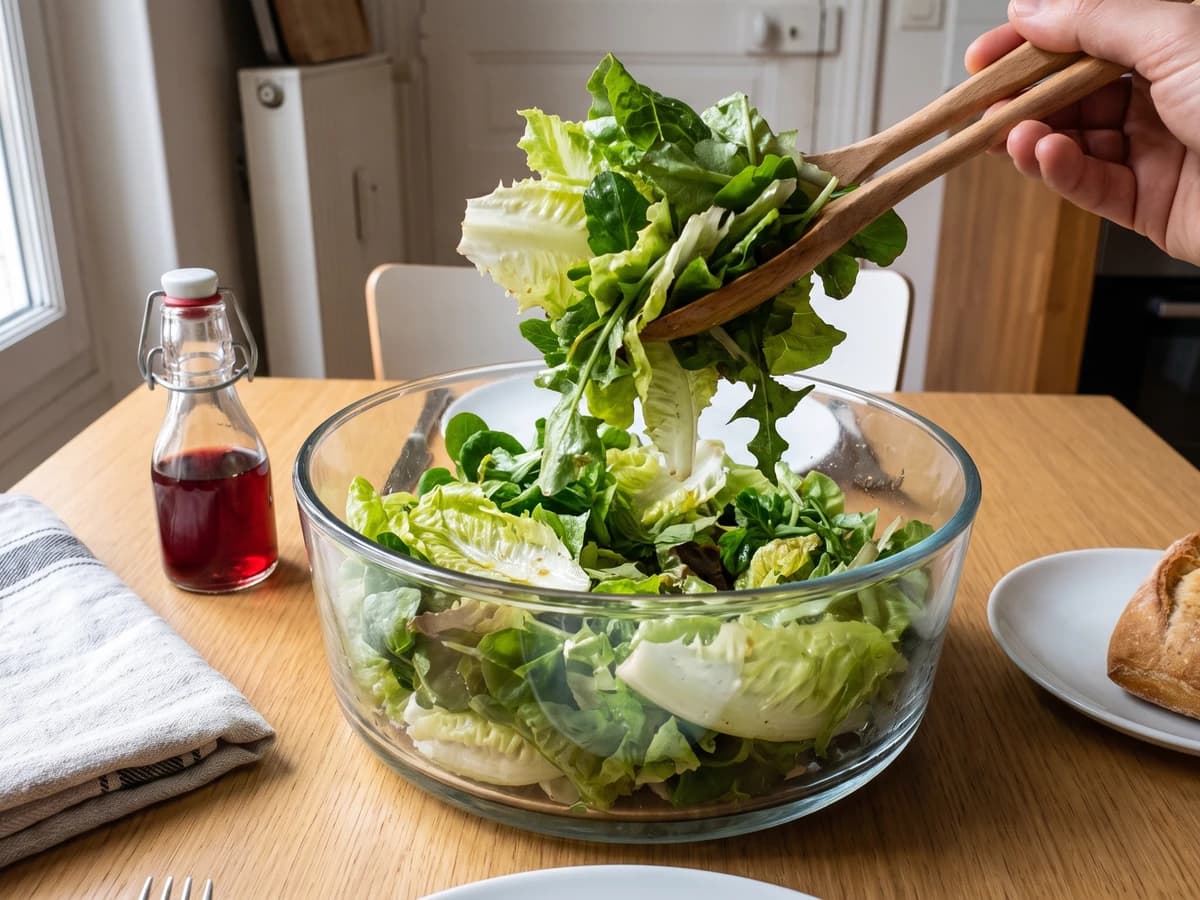
Five leaves, one living rule: laitue, romaine, chicorée, mâche, or pissenlit must be washed, dried, and dressed only as they go to the table, while every leaf still carries its light vinaigrette.
Chef Juliette
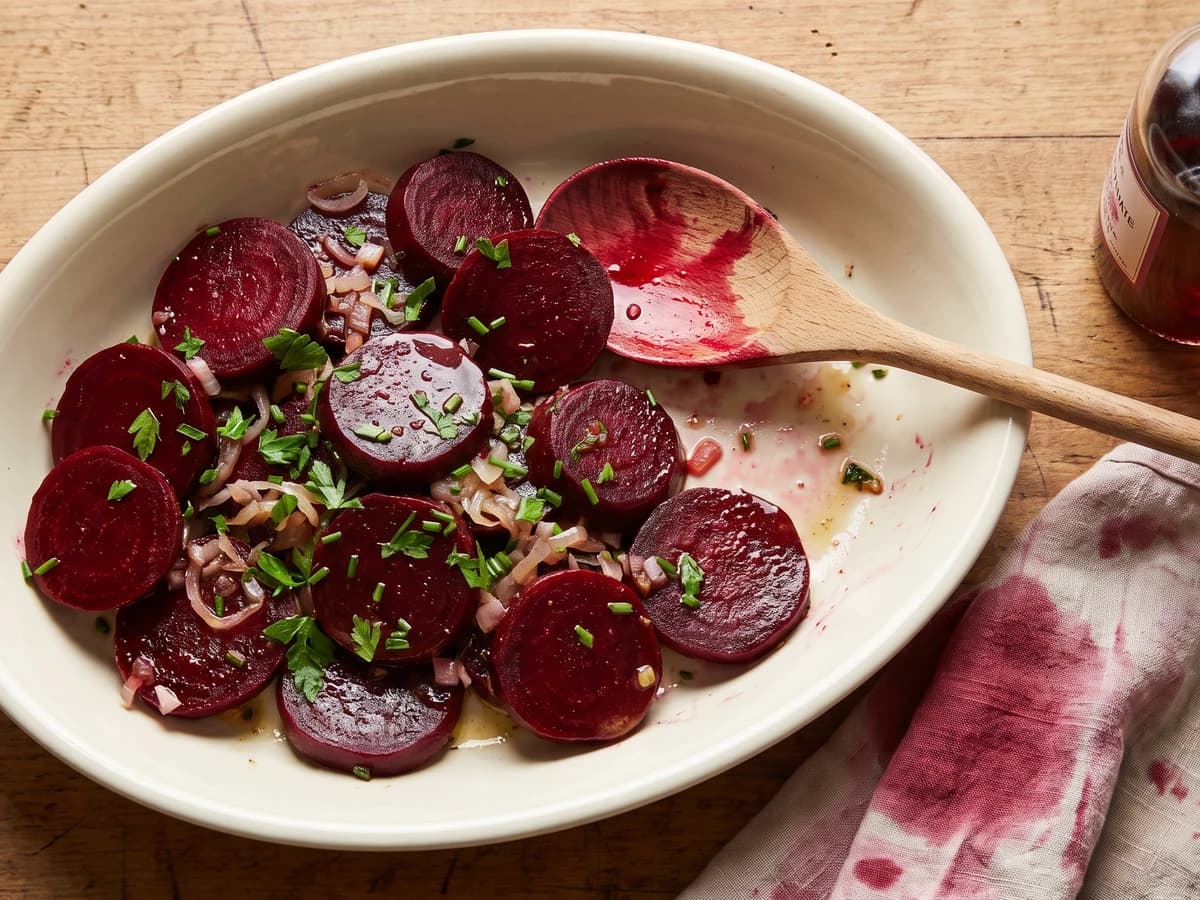
Salade de Betteraves proves that baking, not boiling, is the whole argument: concentrated garnet sweetness, tender baked onion, sharp mustard, and herbs cut into a weeknight salad worth making ahead.