
Chef Juliette
Various Almond Preparations
Five almond preparations, one discipline: remove the skins cleanly, dry every kernel through, then cut, toast, or cloak it in pale caramel without letting its fragrant oils escape.
A cooking platform built around craft, culture, and the stories behind what we eat.

Created by Chef Juliette
Based on No. 2660, Pudding Diplomate, from Le Guide Culinaire (1907) by Auguste Escoffier
Pudding Diplomate sets vanilla bavarois around kirsch-soaked ladyfingers, plump dried fruit, apricot jam, and a bright candied-fruit crown, then turns out cold in one generous, jewel-topped mould.
Pudding Diplomate (a cold moulded vanilla cream layered with kirsch-soaked biscuits) teaches the timing of a bavarois. Pour it while loose and the biscuits sink; wait until rigid and the layers won't knit. The right moment comes when the mixture falls from the spatula in a slow ribbon and holds its mound for a breath.
The old entry assumes a pastry brigade with vanilla bavarois already prepared, ice always waiting, and a deep service mould sized for a dining room. At home, one saucepan makes the crème anglaise, one bowl of ice brings it to folding consistency, and a 1.5-liter mould gives six generous servings. The ready-made basin and ice chest are brigade scaffolding and can go. The candied-fruit base, alternating bavarois and kirsch-saturated ladyfingers, plumped currants and raisins, apricot jam, cold setting, and last-minute unmoulding are the dish, so every one stays. One cook, one stove, one evening.
Turned out, the pudding should be ivory and softly gleaming, with a bright mosaic of candied fruit on top and clean strata revealed by the first slice. Watch the bavarois as it cools. Catching that brief, spoonable stage before layering is the one step that decides everything.
Pudding Diplomate belongs to the Parisian repertoire of cold entremets, where pastry brigades assembled moulded desserts from bavarois, biscuits à la cuillère, liqueur, preserves, and candied fruit kept ready in the pantry. Despite its English-looking name, this pudding is neither steamed nor baked; it sets in the cold and is turned out, placing it closer to a charlotte than to a British pudding. It passed naturally from formal dining rooms to the bourgeois table because its preserved fruits, biscuits, jam, and kirsch were dependable provisions in any well-kept household pantry.
Quantity
½ teaspoon (2.5 ml / 2 g)
for the mould
Quantity
⅓ cup (80 ml / 65 g)
cut into small neat pieces
Quantity
2 tablespoons (30 ml / 20 g)
Quantity
2 tablespoons (30 ml / 25 g)
Quantity
1 cup (240 ml / 240 g)
for plumping the dried fruit
Quantity
14 (100 g)
Quantity
⅓ cup (80 ml / 75 g)
Quantity
¼ cup (60 ml / 80 g)
warmed just until spoonable
Quantity
2½ teaspoons (12 ml / 8 g)
Quantity
3 tablespoons (45 ml / 45 g)
for blooming the gelatin
Quantity
1½ cups (360 ml / 370 g)
Quantity
1
split lengthwise and scraped
Quantity
5
Quantity
½ cup (120 ml / 100 g)
Quantity
⅛ teaspoon (0.6 ml / 0.7 g)
Quantity
1½ cups (360 ml / 355 g)
very cold
| Ingredient | Quantity |
|---|---|
| neutral oilfor the mould | ½ teaspoon (2.5 ml / 2 g) |
| mixed candied fruitcut into small neat pieces | ⅓ cup (80 ml / 65 g) |
| dried currants | 2 tablespoons (30 ml / 20 g) |
| seedless raisins | 2 tablespoons (30 ml / 25 g) |
| tepid waterfor plumping the dried fruit | 1 cup (240 ml / 240 g) |
| crisp ladyfingers | 14 (100 g) |
| kirsch | ⅓ cup (80 ml / 75 g) |
| smooth apricot jamwarmed just until spoonable | ¼ cup (60 ml / 80 g) |
| unflavored powdered gelatin | 2½ teaspoons (12 ml / 8 g) |
| cold waterfor blooming the gelatin | 3 tablespoons (45 ml / 45 g) |
| whole milk | 1½ cups (360 ml / 370 g) |
| vanilla beansplit lengthwise and scraped | 1 |
| large egg yolks | 5 |
| granulated sugar | ½ cup (120 ml / 100 g) |
| fine sea salt | ⅛ teaspoon (0.6 ml / 0.7 g) |
| heavy creamvery cold | 1½ cups (360 ml / 355 g) |
Brush a 1.5-liter deep bavarois mould with the thinnest possible film of neutral oil, then blot it with kitchen paper until no droplets remain. Arrange the candied fruit closely over the bottom in a simple mosaic, remembering that this hidden surface will become the crown. Combine the currants and raisins with the tepid water and leave them for 15 minutes, then drain and blot them thoroughly. Wet fruit loosens the bavarois around it, so be exact here.
Sprinkle the gelatin evenly over the cold water and leave it undisturbed for 10 minutes, until every grain has swollen. Put the milk, vanilla pod, and scraped seeds in a heavy saucepan and bring them just below a simmer. Remove the pan from the heat, cover, and infuse for 10 minutes, then remove the pod.
Whisk the yolks, sugar, and salt until smooth and slightly lightened. Slowly whisk in one-third of the hot vanilla milk, then return everything to the saucepan. Cook over low heat, stirring constantly and reaching well into the corners, until the crème anglaise, the pouring custard base, coats the back of the spoon and reaches 82 to 84°C (180 to 183°F). Never let it boil. If the first fine curds appear, remove it from the heat immediately, blend in 2 tablespoons of the measured cold cream, and strain it into a cool bowl. Ça se rattrape. Stir the bloomed gelatin into the hot custard until completely dissolved, then pass the custard through a fine sieve.
Set the bowl of custard over ice water and stir gently until it cools to about 24°C (75°F) and begins to thicken, leaving a brief trail behind the spatula. Whip the remaining cold cream to soft peaks. Fold one-third into the custard to lighten it, then fold in the rest without beating out its volume. If the custard sets into small lumps before the cream goes in, hold the bowl over barely warm water and stir only until smooth. If the finished bavarois still flows like milk, return it to the ice for a few minutes, stirring often, until it falls in slow ribbons and softly mounds. That texture holds the layers in place.
Pour the kirsch into a shallow dish. Brush or quickly turn each ladyfinger in it until saturated through but still intact, breaking or trimming the biscuits only as needed to fit the mould. Crisp ladyfingers absorb quickly; leave them bathing in the kirsch and they collapse before they reach the pudding.
Spoon a layer of bavarois gently over the candied-fruit mosaic, filling the spaces without disturbing the design. Add a close layer of half the kirsch-soaked ladyfingers, sprinkle with half the currants and raisins, and dot small spoonfuls of half the apricot jam here and there. Cover completely with bavarois, then repeat the biscuit, dried-fruit, and jam layer. Finish with the remaining bavarois, making certain it reaches the sides and seals the biscuits inside. Tap the mould once against a folded towel to settle any large pockets. If the bavarois firms before the mould is filled, warm the outside of its bowl for a few seconds and fold until spoonable; don't whisk it.
Cover the mould without letting the covering touch the surface and refrigerate for at least 6 hours, or overnight, until the centre feels firm under gentle pressure. Do not freeze it. Gelatin that freezes can release water as it thaws, while a patient cold set gives the bavarois its clean, creamy cut.
Turn out the Pudding Diplomate only when the table is ready. Dip the mould in warm, never hot, water for 5 seconds, wipe it dry, place a chilled serving platter over it, and invert both together. Hold firmly and give one short downward shake. If it clings, return the mould to the warm water for another 2 seconds or wrap it briefly in a warm damp towel. Once released, refrigerate it for 10 minutes if the surface has softened, then slice with a thin knife dipped in hot water and wiped dry. À table!
1 serving (about 225g)
Culinary guides, cultural storytelling, and the editorial depth that makes cooking meaningful.
Discover Culinary ExplorerChef Juliette
Five almond preparations, one discipline: remove the skins cleanly, dry every kernel through, then cut, toast, or cloak it in pale caramel without letting its fragrant oils escape.

Chef Juliette
A pastry pantry lesson in one tray: filberts warmed only until their red skins release, rubbed clean, cooled, and chopped into a fragrant mise-en-place for cakes, creams, pralines, and petits fours.

Chef Juliette
The smallest pâtisserie discipline decides whether a cake leaves its mould intact: clarified butter in every corner, followed by the lightest veil of dry flour or fécule.
Chef Juliette
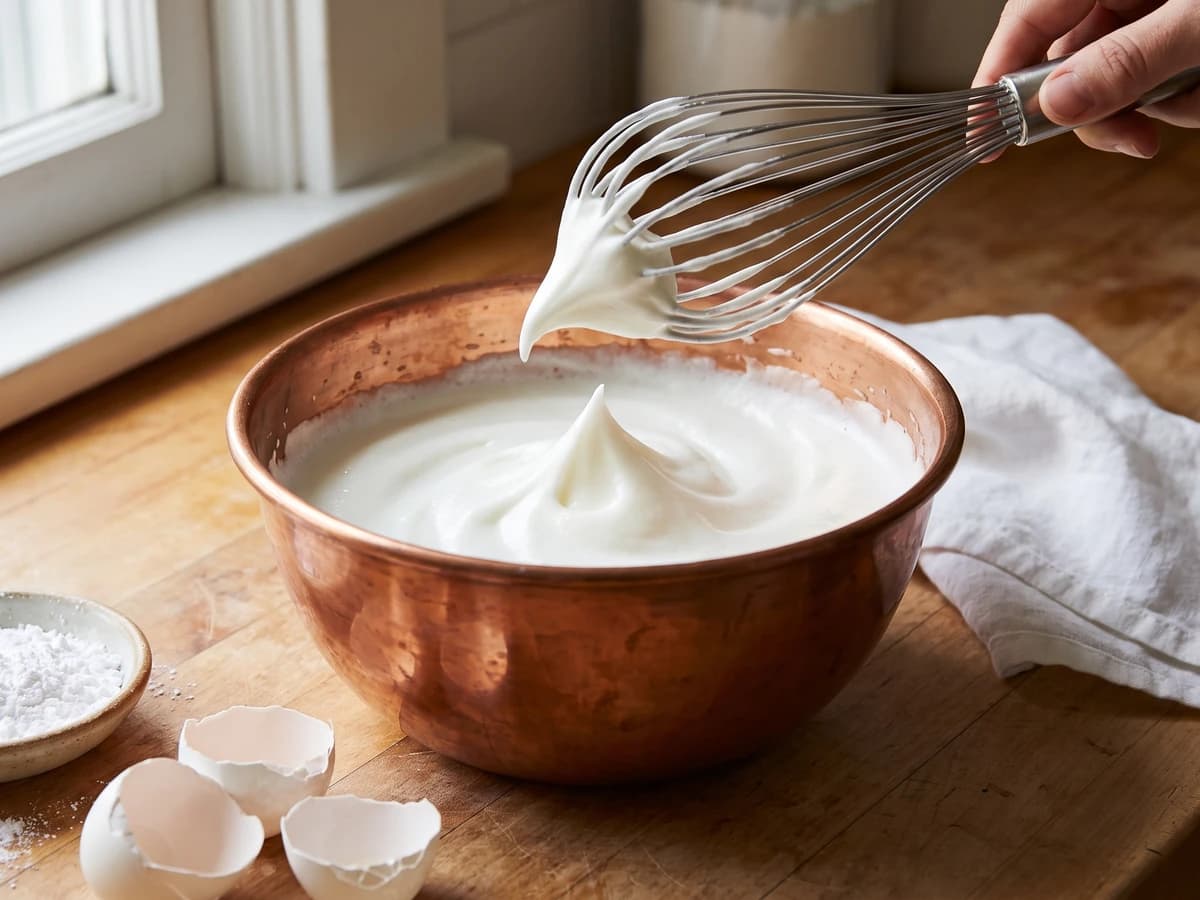
Four whites, one spotless bowl, and a patient change of speed: whisk gently until loosened, then briskly to glossy stiffness, with powdered sugar waiting if the foam begins to granulate.