
Chef Juliette
Various Almond Preparations
Five almond preparations, one discipline: remove the skins cleanly, dry every kernel through, then cut, toast, or cloak it in pale caramel without letting its fragrant oils escape.
A cooking platform built around craft, culture, and the stories behind what we eat.

Created by Chef Juliette
Based on No. 2652, Jelly with a Gelatine Base, from Le Guide Culinaire (1907) by Auguste Escoffier
Gelée at its classical clearest: a citrus syrup set with gelatine, clarified by egg white, strained to brilliance, then perfumed with Kirsch for a cold dessert with a clean tremble.
Gelée à base de gélatine (gelatine-based jelly) teaches one clean principle: a jelly is a syrup made to stand. Gelatine supplies the structure, but brilliance comes from egg-white clarification, a quiet simmer, and filtration without pressure. Squeeze the bag and you drive the captured cloudiness straight back through.
The original assumed a pastry cook who could move the pan to a cool corner of the range and send the liquid through a woollen jelly bag as many times as necessary. Here the brigade quantity is halved for four small molds, the lowest burner replaces that range corner, and damp cotton butter muslin replaces wool because it is neutral and readily washed. Those are scaffolds. The egg clarification, fifteen-minute simmer, repeated filtration, and water held back for the Kirsch remain because they are the dish. One cook, one stove, one evening's work, then the refrigerator takes the night watch.
Expect a pale golden gelée, clear enough to catch the light, with citrus underneath and Kirsch arriving at the finish. The one step that matters most is the strain: let gravity work and never squeeze. If the first pass remains cloudy, ça se rattrape. Send it through again.
Gelée à base de gélatine belongs not to one provincial larder but to the Parisian grand kitchen and the formal bourgeois dessert table, where transparent molded jellies displayed the pastry kitchen's command of clarification. Its parent was calf's-foot jelly, but prepared gelatine removed the long extraction while preserving the same logic: sweeten a liquid, clarify it, then give it a clean set. The canon is unusually candid about the result, calling the base a cohered syrup whose character comes from wine, liqueur, or fruit.
Quantity
1¾ cups plus 2 teaspoons (425 ml / 425 g)
divided
Quantity
1 tablespoon plus 2 teaspoons (25 ml / 14 g)
Quantity
½ cup plus 1 tablespoon (135 ml / 113 g)
Quantity
1¼ teaspoons (6 ml / 2.3 g)
lightly crushed
Quantity
½ teaspoon (2.5 ml / 1 g)
coloured outer rind only
Quantity
2 teaspoons (10 ml / 10 g)
Quantity
1½ teaspoons (7.5 ml / 3 g)
coloured outer rind only
Quantity
3 tablespoons (45 ml / 45 g)
Quantity
1½ tablespoons (23 ml / 23 g)
from about ¾ large egg white
Quantity
2 tablespoons (30 ml / 30 g)
Quantity
3 tablespoons plus 1 teaspoon (50 ml / 47 g)
| Ingredient | Quantity |
|---|---|
| filtered cold waterdivided | 1¾ cups plus 2 teaspoons (425 ml / 425 g) |
| strong powdered gelatine | 1 tablespoon plus 2 teaspoons (25 ml / 14 g) |
| granulated sugar | ½ cup plus 1 tablespoon (135 ml / 113 g) |
| coriander seedslightly crushed | 1¼ teaspoons (6 ml / 2.3 g) |
| lemon zestcoloured outer rind only | ½ teaspoon (2.5 ml / 1 g) |
| fresh lemon juice | 2 teaspoons (10 ml / 10 g) |
| orange zestcoloured outer rind only | 1½ teaspoons (7.5 ml / 3 g) |
| fresh orange juice | 3 tablespoons (45 ml / 45 g) |
| egg whitefrom about ¾ large egg white | 1½ tablespoons (23 ml / 23 g) |
| dry white wine | 2 tablespoons (30 ml / 30 g) |
| Kirsch | 3 tablespoons plus 1 teaspoon (50 ml / 47 g) |
Rinse four 125 ml molds with cold water and drain them without drying. Scald a cotton jelly bag, or four layers of tightly woven butter muslin, rinse it well, and leave it damp in a fine sieve over a spotless heatproof bowl. Put ½ cup (120 ml) of the measured cold water in a small bowl, sprinkle the gelatine evenly over its surface, and leave it for 10 minutes. Every granule should swell before heat reaches it; dry pockets become stubborn clear beads in the finished gelée.
Warm the remaining 1¼ cups plus 2 teaspoons (305 ml) water in a spotless saucepan. Add the swollen gelatine and stir over gentle heat until completely dissolved. Add the sugar, coriander, lemon zest and juice, and orange zest and juice. Zest means only the glossy coloured skin, never the bitter white pith beneath it. Bring the syrup to one full boil, stirring only until the sugar dissolves, then take it off the heat and leave it undisturbed for 10 minutes.
In a second very clean saucepan, whisk the egg white with the dry white wine until loose and lightly foamy, not stiff. Pour in the hot citrus syrup little by little while whisking briskly. A slow stream prevents the egg from cooking into large lumps before it has spread through the liquid and gathered the fine particles that make the syrup cloudy.
Set the saucepan over medium-low heat and continue whisking until the liquid reaches a boil. It will curdle into pale clumps and look alarming. It is exactly right. At the first true boil, stop whisking, lower the heat as far as it will go, and maintain only the gentlest simmer for 15 minutes. The egg white will gather into a raft while the liquid beneath grows clear. If the pan boils hard and breaks the raft apart, remove it from the heat and let it stand for 5 minutes so the curds collect again. Ça se rattrape.
Pour the jelly slowly through the prepared damp jelly bag or muslin and let gravity draw it into the clean bowl. Never press, twist, or scrape the filter. Inspect a spoonful against the light; if it remains turbid, rinse the muslin free of curd, dampen it again, and repeat the filtration until the jelly is quite clear. If it begins setting while you work, place the bowl over warm water and stir gently just until fluid. Do not boil it again.
Let the clarified jelly cool until barely warm, about 32°C to 35°C, while it remains completely liquid. Stir in the Kirsch gently so you do not raise bubbles. The 50 ml of liqueur replaces the water held back at the beginning; adding it on top of a full water measure would weaken the set. If the jelly starts thickening before the Kirsch is incorporated, warm the bowl briefly over warm water. Too warm and the perfume escapes, too cold and it cannot disperse evenly.
Divide the jelly among the rinsed molds. Touch any surface bubbles with the corner of clean kitchen paper, then chill until fully set, at least 6 hours and preferably overnight. To serve, dip each mold in warm water for 5 seconds, loosen one edge with a fingertip, and invert it onto a cold dessert plate. If it resists, give it another 2 seconds in the water rather than forcing it. Serve cold, clear, and unadorned. À table!
1 serving (about 135g)
Culinary guides, cultural storytelling, and the editorial depth that makes cooking meaningful.
Discover Culinary ExplorerChef Juliette
Five almond preparations, one discipline: remove the skins cleanly, dry every kernel through, then cut, toast, or cloak it in pale caramel without letting its fragrant oils escape.

Chef Juliette
A pastry pantry lesson in one tray: filberts warmed only until their red skins release, rubbed clean, cooled, and chopped into a fragrant mise-en-place for cakes, creams, pralines, and petits fours.

Chef Juliette
The smallest pâtisserie discipline decides whether a cake leaves its mould intact: clarified butter in every corner, followed by the lightest veil of dry flour or fécule.
Chef Juliette
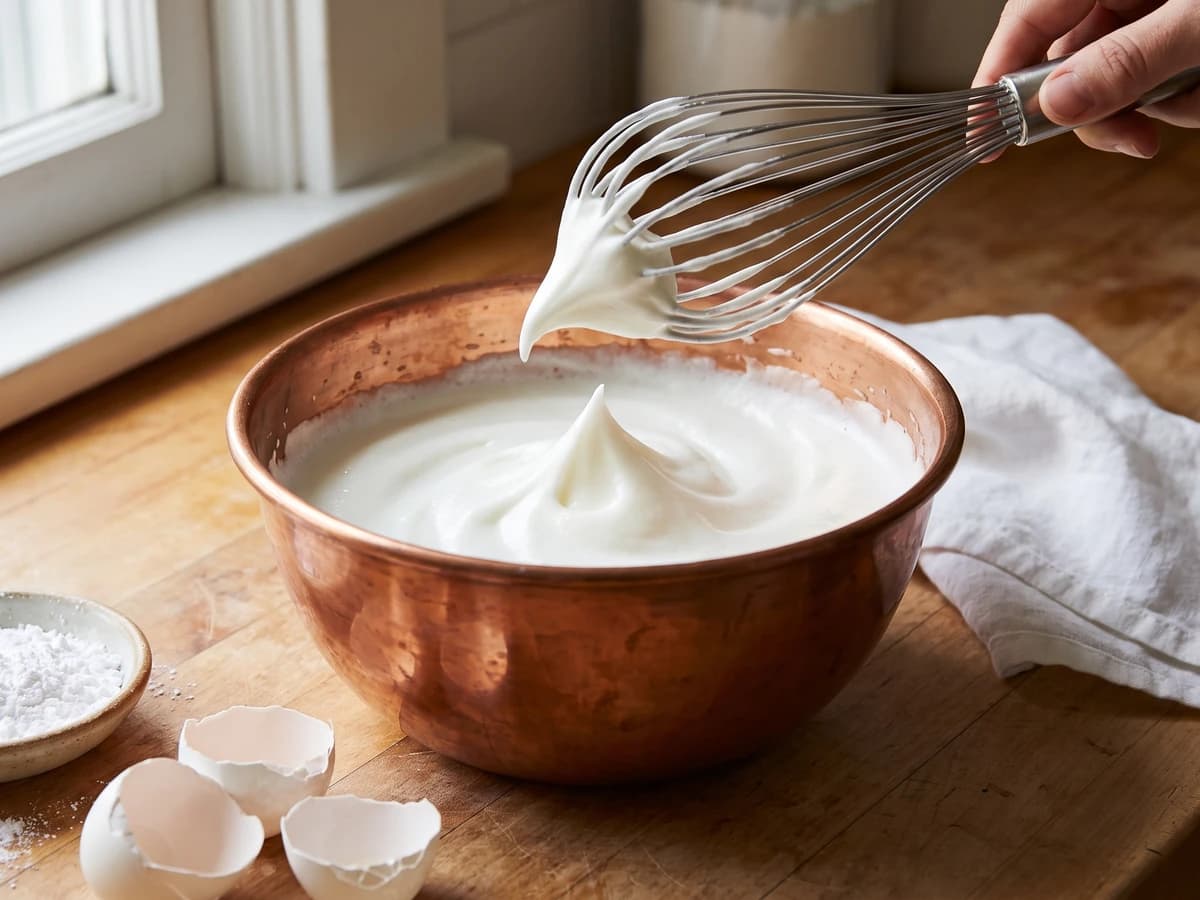
Four whites, one spotless bowl, and a patient change of speed: whisk gently until loosened, then briskly to glossy stiffness, with powdered sugar waiting if the foam begins to granulate.