
Chef Juliette
Various Almond Preparations
Five almond preparations, one discipline: remove the skins cleanly, dry every kernel through, then cut, toast, or cloak it in pale caramel without letting its fragrant oils escape.
A cooking platform built around craft, culture, and the stories behind what we eat.

Created by Chef Juliette
Based on No. 2642, Crème à la Florentine, from Le Guide Culinaire (1907) by Auguste Escoffier
A silken pralin caramel custard, gently poached and turned out cold, then crowned with kirsch Chantilly and pistachios: the lesson is suspension, because flour-fine pralin stays in the cream instead of sinking.
Crème à la Florentine (pralin caramel custard) teaches one precise thing: suspension. The Pralin (No. 2352) must be ground and sieved as fine as flour, or the almond caramel sinks while the custard poaches and leaves you with two layers instead of one satin cream.
The original assumed an entremets station with Pralin already prepared in quantity, rows of molds, a poaching setup, and a cold room, just as the saucier elsewhere assumed stock never left the fire. That brigade scale is scaffolding and can go. For one cook, use one 1-litre mold, a roasting tin as the bain-marie, and an ordinary refrigerator. What stays is the dish itself: real Pralin, caramel in the mold, gentle poaching, complete chilling, kirsch Chantilly, and pistachios.
Turned out, the custard should stand softly in a pool of amber caramel, pale with almond beneath generous white rosettes and green pistachios. One cook, one stove, one evening, with the chilling done ahead. Before you touch the pan, sieve the Pralin finer than you think necessary. That is the step that decides everything.
Crème à la Florentine belongs to the French classical entremets table, where molded crème renversée was varied through pastry-kitchen flavorings and composed garnishes. Here the Florentine title functions as the name of a sweet entremets, not the savory à la florentine garnish associated with spinach. Pralin, kirsch Chantilly, and pistachios turn the household caramel custard into a celebration dish while preserving its familiar poached structure.
Quantity
1/2 cup (120 ml / 100 g)
Quantity
2 tablespoons (30 ml / 30 g)
Quantity
2 cups plus 1 tablespoon (500 ml / 515 g)
Quantity
1/4 cup (60 ml / 50 g)
Quantity
3
Quantity
2
Quantity
3/4 cup (180 ml / 100 g) Pralin (No. 2352)
Quantity
1 cup (240 ml / 240 g)
very cold
Quantity
2 tablespoons (30 ml / 15 g)
finely sieved
Quantity
1 tablespoon (15 ml / 14 g)
Quantity
3 tablespoons (45 ml / 25 g)
finely chopped
Quantity
2 tablespoons (30 ml / 30 g)
cold
| Ingredient | Quantity |
|---|---|
| granulated sugar for the caramel | 1/2 cup (120 ml / 100 g) |
| water | 2 tablespoons (30 ml / 30 g) |
| whole milk | 2 cups plus 1 tablespoon (500 ml / 515 g) |
| granulated sugar for the custard | 1/4 cup (60 ml / 50 g) |
| large eggs | 3 |
| large egg yolks | 2 |
| Pralin, the finely sieved nougat powder specified for custards | 3/4 cup (180 ml / 100 g) Pralin (No. 2352) |
| heavy creamvery cold | 1 cup (240 ml / 240 g) |
| icing sugarfinely sieved | 2 tablespoons (30 ml / 15 g) |
| kirsch | 1 tablespoon (15 ml / 14 g) |
| shelled unsalted pistachiosfinely chopped | 3 tablespoons (45 ml / 25 g) |
| additional heavy cream for rescuing the Chantilly (optional)cold | 2 tablespoons (30 ml / 30 g) |
Heat the oven to 300°F (150°C). Set a 1-litre metal charlotte mold beside the stove. Put the caramel sugar and water in a small heavy saucepan, stir only until the sugar is wet, then cook without stirring until the syrup turns a clear, deep amber. Immediately pour it into the mold and tilt carefully to coat the base and an inch of the sides. If the syrup crystallizes before it colors, add another tablespoon of water and melt it again over gentle heat. Ça se rattrape. Leave the caramel to harden while you prepare the custard.
Heat the milk until small bubbles gather at the edge, then take it off the heat. Whisk the eggs, yolks, and custard sugar just until blended, keeping the whisk low so you don't beat in a cap of foam. Pour in the warm milk gradually while whisking. Pass the mixture through a fine sieve into a jug, then sift the Pralin (No. 2352) over it and whisk until evenly dispersed. Stir once more immediately before pouring the custard into the caramel-lined mold. The Pralin must pass cleanly through the sieve; coarse grains will sink during poaching, and no amount of decoration can mix them back through the set cream.
Set the mold on a folded kitchen towel inside a deep roasting tin, skim away any surface foam, and cover the mold loosely with foil. Pour hot water into the tin until it reaches halfway up the mold. This bain-marie, a water bath, replaces the brigade poaching setup and keeps the eggs below a boil. Bake for 50 to 60 minutes, until the edges are set and the center still trembles as one soft mass; an instant-read thermometer should register 176 to 180°F (80 to 82°C). If the water begins bubbling hard, add a little cold water and lower the oven temperature. A boiling bain-marie makes a honeycombed custard, but caught early, ça se rattrape.
Lift the mold from the bain-marie and cool it on a rack for 1 hour. Cover and refrigerate for at least 4 hours, preferably overnight, until cold through. Don't try to turn it out warm. The chill firms the custard enough to hold its shape and gives the caramel time to dissolve into sauce.
Run a thin knife around the upper edge without cutting into the custard. Dip the bottom of the mold in hot water for 8 to 10 seconds, dry it, place a rimmed serving dish upside down over the mold, and invert both decisively. Lift the mold straight up. If the custard clings, return the mold to hot water for 5 seconds and try again; don't shake or pry it. Let every spoonful of caramel run onto the dish.
Whip the very cold cream in a cold bowl until it begins to hold soft ridges. Add the sieved icing sugar and kirsch, then continue only until the Chantilly holds a supple piping peak. Stop there. If it turns grainy, whisk in the optional cold cream a teaspoon at a time until it smooths. Ça se rattrape, provided it hasn't become butter.
Fit a piping bag with a medium star tip and fill it with the kirsch Chantilly. Pipe generous rosettes around the crown and base of the cold custard, leaving enough amber surface visible to show the caramel. Sprinkle the chopped pistachios over the top and bring it to the table at once. Slice with a broad spoon so each serving receives custard, Chantilly, pistachios, and plenty of caramel. À table!
1 serving (about 210g)
Culinary guides, cultural storytelling, and the editorial depth that makes cooking meaningful.
Discover Culinary ExplorerChef Juliette
Five almond preparations, one discipline: remove the skins cleanly, dry every kernel through, then cut, toast, or cloak it in pale caramel without letting its fragrant oils escape.

Chef Juliette
A pastry pantry lesson in one tray: filberts warmed only until their red skins release, rubbed clean, cooled, and chopped into a fragrant mise-en-place for cakes, creams, pralines, and petits fours.

Chef Juliette
The smallest pâtisserie discipline decides whether a cake leaves its mould intact: clarified butter in every corner, followed by the lightest veil of dry flour or fécule.
Chef Juliette
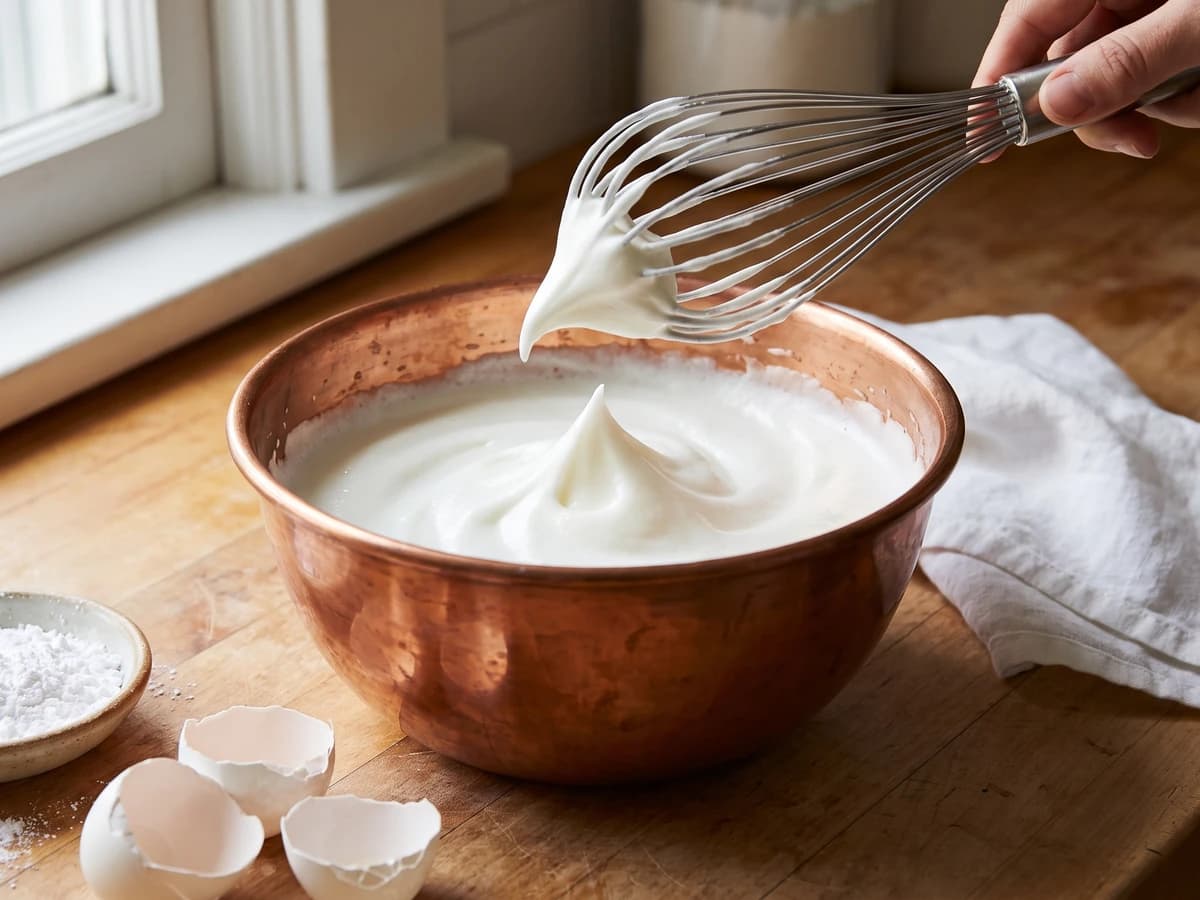
Four whites, one spotless bowl, and a patient change of speed: whisk gently until loosened, then briskly to glossy stiffness, with powdered sugar waiting if the foam begins to granulate.