
Chef Juliette
Various Almond Preparations
Five almond preparations, one discipline: remove the skins cleanly, dry every kernel through, then cut, toast, or cloak it in pale caramel without letting its fragrant oils escape.
A cooking platform built around craft, culture, and the stories behind what we eat.
Created by Chef Juliette
Based on No. 2628, English Blanc-mange, from Le Guide Culinaire (1907) by Auguste Escoffier
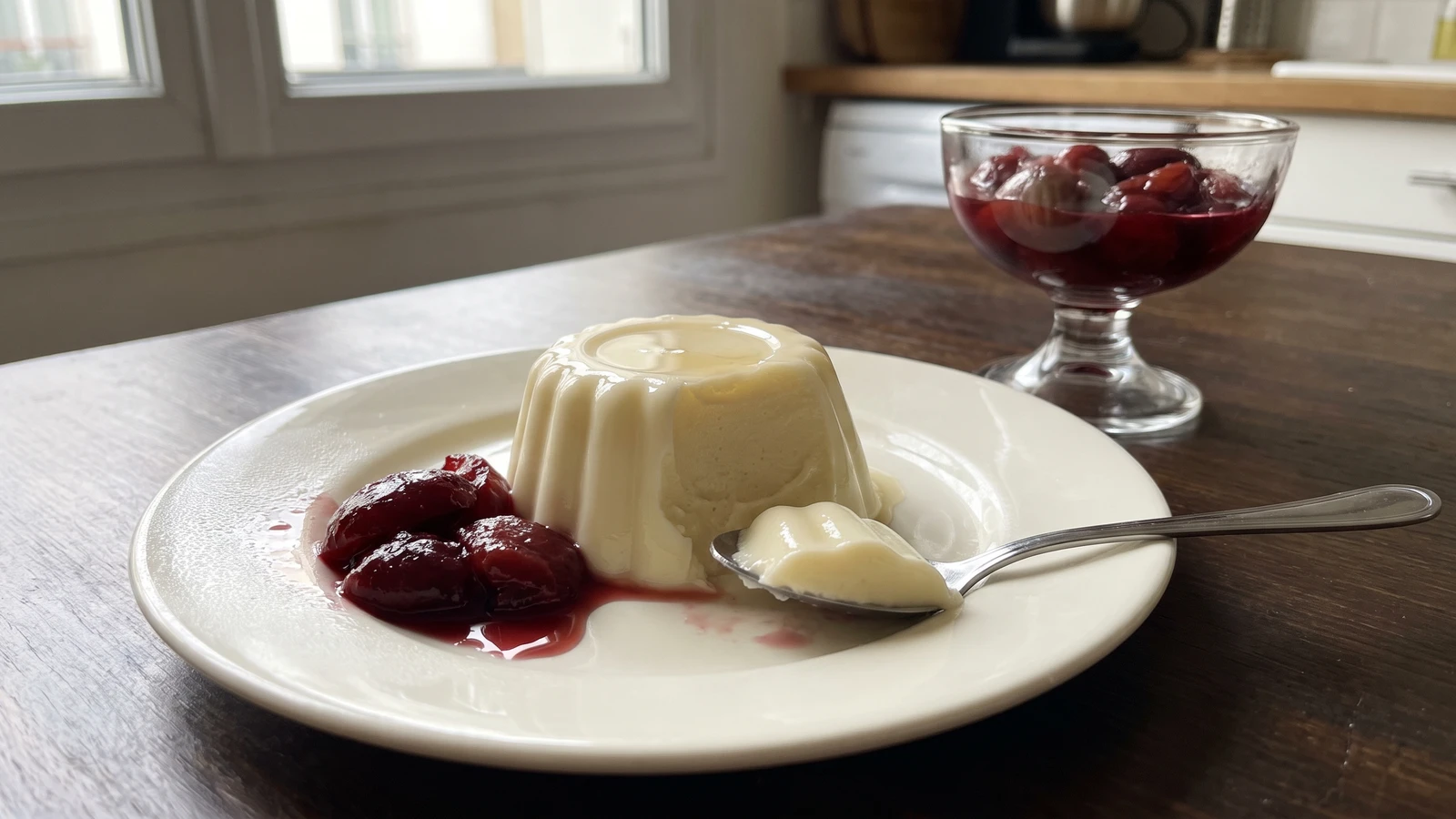
Blanc-manger à l’anglaise turns milk, sugar, and cornflour into a cool ivory pudding with a tender wobble and syrup-polished surface, proof that careful whisking matters more than a long ingredient list.
Blanc-manger à l’anglaise teaches a small, useful law of starch: disperse it in cold liquid, then bring it to heat while stirring, and plain milk will set into a tender, clean mould. The one true thing to know before touching a pan is that dry cornflour must never meet hot milk. It clumps before you can argue.
The original assumed an open fire, a cook stationed at the pan, and enough mixture to fill a service row of moulds. Here its proportions remain exact, but the quantity is reduced to four servings and the open fire becomes a heavy saucepan over controlled heat. The battery of moulds was brigade scaffolding and can go. The cold slurry, several minutes of cooking, and syrup-wet moulds are the dish itself, so they stay. One cook, one stove, one evening.
When it is right, the blanc-manger turns out ivory-white and glossy, with a gentle wobble and none of cornflour’s raw chalkiness. Keep the whisk moving from the first pour of hot milk through the first slow bubbles. That uninterrupted stirring decides the pudding.
Blanc-manger à l’anglaise belongs to England’s domestic table as recorded by French classical pastry kitchens: sweet milk thickened with cornflour, moulded, chilled, and served with cooked fruit. Its title distinguishes it from the French blanc-manger built on almonds, a family resemblance of colour and shape rather than ingredient. As cornflour became an everyday pantry thickener, the English pudding entered the grand repertoire as an entremets, where syrup-moistened moulds supplied the polished finish without changing its thrifty heart.
Quantity
2 cups (480 ml / 495 g)
for heating
Quantity
1/2 cup (120 ml / 124 g)
kept cold, for the slurry
Quantity
1/4 cup (60 ml / 48 g)
Quantity
3/8 cup (90 ml / 48 g)
sifted if lumpy
Quantity
2 tablespoons (30 ml / 37 g)
for coating the moulds
Quantity
1 teaspoon (5 ml / 4 g)
Quantity
1 cup (240 ml / 250 g)
chilled
| Ingredient | Quantity |
|---|---|
| whole milkfor heating | 2 cups (480 ml / 495 g) |
| whole milkkept cold, for the slurry | 1/2 cup (120 ml / 124 g) |
| granulated sugar | 1/4 cup (60 ml / 48 g) |
| cornflour (cornstarch)sifted if lumpy | 3/8 cup (90 ml / 48 g) |
| light sugar syrupfor coating the moulds | 2 tablespoons (30 ml / 37 g) |
| vanilla extract | 1 teaspoon (5 ml / 4 g) |
| stewed plums or cherries (optional)chilled | 1 cup (240 ml / 250 g) |
Divide the light sugar syrup among four 6-ounce (180 ml) pudding moulds or heatproof ramekins. Turn each mould slowly so a thin film coats the base and sides, then let any excess collect at the bottom. Use syrup, not water. Water slips away; syrup clings, helps the blanc-manger release, and leaves its surface glossy and smooth.
Put the cornflour in a medium heatproof bowl. Add a small splash of the cold milk and work it into a completely smooth paste, pressing out every dry pocket before whisking in the remaining cold milk. This is the foundation of the dish: cornflour disperses cleanly while cold, but forms stubborn lumps when dry starch meets heat.
Combine the 2 cups of milk and the sugar in a heavy saucepan. Bring them to a clean boil over medium heat, stirring along the pan floor until the sugar dissolves. Watch the rim closely because sweetened milk rises quickly. If it begins to climb, lift the pan from the heat for a moment, then return it until the surface rolls.
Whisk the cold slurry again because cornflour settles as it waits. Pour the boiling sweetened milk into it in a thin, steady stream, whisking briskly throughout, then return everything to the saucepan. Cook over medium-low heat for 3 to 4 minutes without ceasing to stir, alternating the whisk with a flexible spatula so the pan floor and corners stay clean. The mixture will tighten abruptly, then become smooth and glossy; once broad bubbles rise through the centre, cook for another minute to remove the raw, chalky taste. If lumps appear, pull the pan from the heat and whisk hard. Pass the mixture through a fine sieve while hot, return it to the pan, and finish cooking for one minute. Ça se rattrape. If milk catches on the bottom, decant the unscorched pudding into a clean pan without scraping the burnt patch.
Take the pan from the heat and stir in the vanilla. Immediately divide the very hot blanc-manger among the syrup-coated moulds, filling each with about 2/3 cup (150 ml). Tap each mould once against a folded towel to settle the mixture without driving out all its gentle lightness. Let them stand for 15 minutes, cover, and refrigerate for at least 4 hours, until thoroughly cold and firm.
Run a damp fingertip just around the upper edge of each blanc-manger. Set a cold serving plate over the mould, hold the two firmly together, invert, and give one decisive shake. The syrup should release it cleanly. If it refuses, wrap the outside of the mould in a warm, damp cloth for 5 seconds and try again; do not dig down the sides with a knife or the polished surface will be lost. Serve very cold, either plain or with chilled stewed plums or cherries spooned alongside. À table!
1 serving (about 245g)
Culinary guides, cultural storytelling, and the editorial depth that makes cooking meaningful.
Discover Culinary ExplorerChef Juliette
Five almond preparations, one discipline: remove the skins cleanly, dry every kernel through, then cut, toast, or cloak it in pale caramel without letting its fragrant oils escape.

Chef Juliette
A pastry pantry lesson in one tray: filberts warmed only until their red skins release, rubbed clean, cooled, and chopped into a fragrant mise-en-place for cakes, creams, pralines, and petits fours.

Chef Juliette
The smallest pâtisserie discipline decides whether a cake leaves its mould intact: clarified butter in every corner, followed by the lightest veil of dry flour or fécule.
Chef Juliette
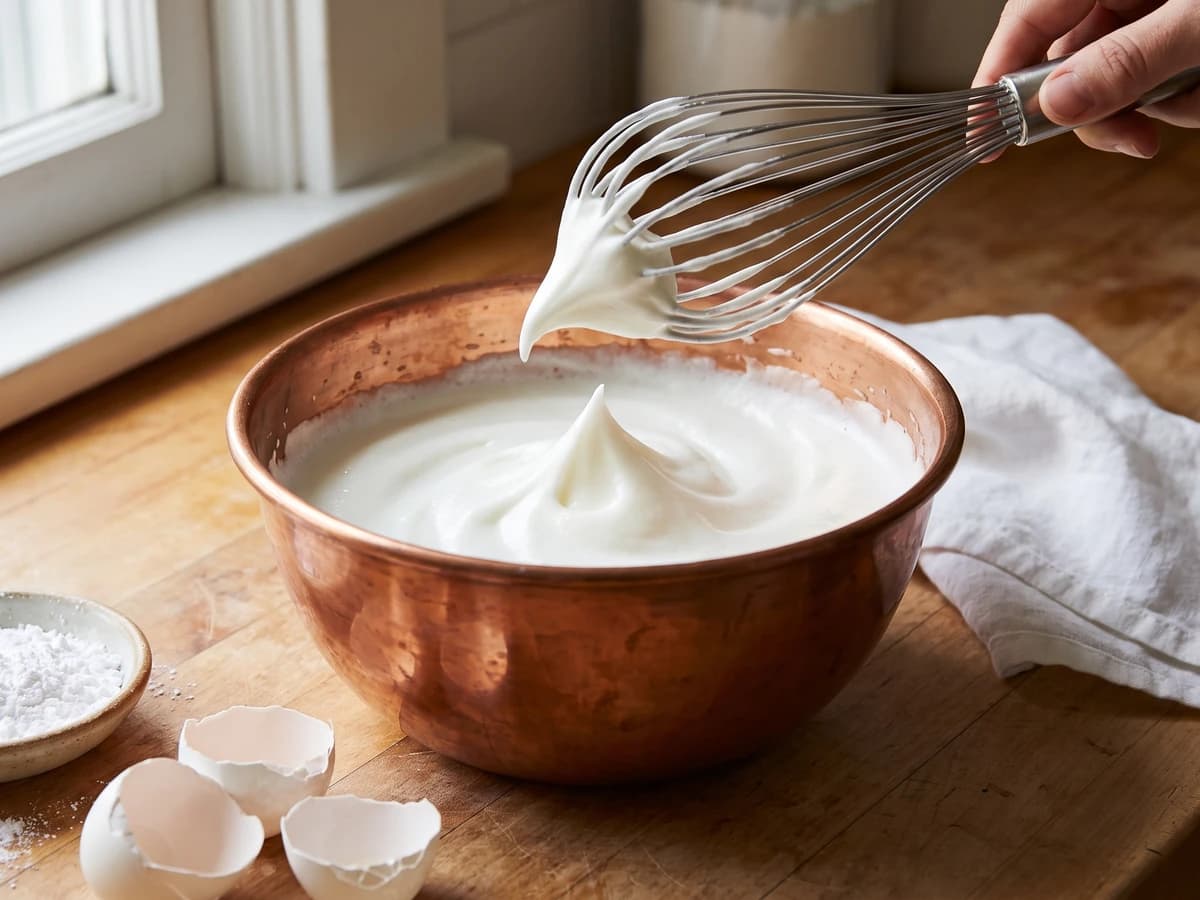
Four whites, one spotless bowl, and a patient change of speed: whisk gently until loosened, then briskly to glossy stiffness, with powdered sugar waiting if the foam begins to granulate.