
Chef Juliette
Various Almond Preparations
Five almond preparations, one discipline: remove the skins cleanly, dry every kernel through, then cut, toast, or cloak it in pale caramel without letting its fragrant oils escape.
A cooking platform built around craft, culture, and the stories behind what we eat.

Created by Chef Juliette
Based on No. 2566, Jubilee Cherries, from Le Guide Culinaire (1907) by Auguste Escoffier
Cerises Jubilé makes celebration from discipline: tender cherries, a clear arrowroot-bound syrup, and warm kirsch catching in a brief blue flame, all scaled for four and served from honest little timbales.
Cerises Jubilé (cherries poached in syrup and flambéed with kirsch) teaches that temperature is an ingredient. Before you touch a pan, know this: kirsch straight from the bottle is reluctant to burn. Warm it in a metal spoon and its brief blue flame appears cleanly.
The old formula assumed a saucier to poach and reduce, a server to manage small silver timbales, and coffee spoons whose size everyone in the room understood. At home, one saucepan, four flameproof ramekins or metal timbales, and a standardized teaspoon do the same work. Silver is service scaffolding and can go; the individual portions, exact arrowroot ratio, and tableside flame are the dish itself and must stay. One cook, one stove, one evening.
The cherries should remain whole beneath a translucent ruby glaze, tender enough for a spoon but never cooked into compote. Measure the reduced syrup before adding the arrowroot, because its clarity depends on proportion rather than guesswork. The deciding step comes last: warm each measured spoonful of kirsch before striking the match.
Cerises Jubilé belongs to the ceremonial dining rooms that connected Parisian classical service with the British royal table, where a jubilee called for a dessert finished before the guests. Silver timbales and burning kirsch turned the French practice of poaching fruit in syrup into a celebration piece. Many household versions add vanilla ice cream, but this classical formula is deliberately spare: cherries, reduced syrup bound clear with arrowroot, and kirsch.
Quantity
3 1/4 cups (780 ml / 500 g)
pitted
Quantity
1 1/2 cups (360 ml / 360 g)
Quantity
1 cup (240 ml / 200 g)
Quantity
1 tablespoon (15 ml / 8 g)
Quantity
1 tablespoon (15 ml / 15 g)
for the slurry
Quantity
4 teaspoons (20 ml / 19 g)
divided
| Ingredient | Quantity |
|---|---|
| ripe, firm sweet cherriespitted | 3 1/4 cups (780 ml / 500 g) |
| water | 1 1/2 cups (360 ml / 360 g) |
| granulated sugar | 1 cup (240 ml / 200 g) |
| arrowroot starch | 1 tablespoon (15 ml / 8 g) |
| cold waterfor the slurry | 1 tablespoon (15 ml / 15 g) |
| dry kirsch, 40% ABV or higherdivided | 4 teaspoons (20 ml / 19 g) |
Pit the cherries over a bowl so none of their juice is lost, then inspect them with your fingertips for stray stones. Arrange four 8-ounce flameproof ramekins or metal timbales on a stable rimmed metal tray. The individual vessels matter because each guest receives cherries, glaze, and a brief flame of their own.
Combine the 1 1/2 cups water and sugar in a medium saucepan. Warm gently, stirring only until the sugar dissolves, then bring the syrup to a quiet simmer. Add the cherries and any collected juice; poach at the barest tremble for 3 to 5 minutes, turning them once, until glossy and just tender but still holding their shape. A hard boil bursts the skins and clouds the syrup. If the first cherries begin to split, lower the heat and lift them out immediately; they will finish softening beneath the hot glaze. Ça se rattrape.
Lift the cherries into the prepared timbales with a slotted spoon, dividing them evenly. Boil the syrup steadily until only 1 cup plus 3 tablespoons (285 ml) remains, checking it in a heatproof measuring jug as it approaches the mark. This preserves the source formula exactly: one tablespoon of arrowroot for each imperial half-pint of reduced syrup. If you reduce below the mark, restore the volume with enough hot water to reach 285 ml.
Stir the arrowroot with the tablespoon of cold water until perfectly smooth. Return the measured syrup to a gentle simmer, stir the slurry again, then whisk it into the syrup. Cook for only 20 to 30 seconds, until the liquid turns clear and glossy and coats the back of a spoon with a light veil. Do not keep boiling, since prolonged heat weakens arrowroot. If it clumps, strain it while hot; if it becomes too thick, loosen it teaspoon by teaspoon with hot water. Spoon the glaze over the cherries.
Set the tray on the table with a second metal tray or lid close at hand for smothering a flame. Remove the kirsch bottle from the table before lighting anything. For each timbale, immerse the bowl of a long-handled metal tablespoon in just-boiled water for 30 seconds, dry it completely, then measure 1 teaspoon of kirsch into the hot spoon. Pour it immediately over one portion without stirring and ignite the surface with a long match. Repeat for the remaining timbales, never carrying one once it is lit. If the kirsch does not catch, do not add more or keep striking matches over it; lift the unlit spoonful from the surface, warm it again in the metal spoon, and try once more. Let every flame die completely before eating. À table!
1 serving (about 210g)
Culinary guides, cultural storytelling, and the editorial depth that makes cooking meaningful.
Discover Culinary ExplorerChef Juliette
Five almond preparations, one discipline: remove the skins cleanly, dry every kernel through, then cut, toast, or cloak it in pale caramel without letting its fragrant oils escape.

Chef Juliette
A pastry pantry lesson in one tray: filberts warmed only until their red skins release, rubbed clean, cooled, and chopped into a fragrant mise-en-place for cakes, creams, pralines, and petits fours.

Chef Juliette
The smallest pâtisserie discipline decides whether a cake leaves its mould intact: clarified butter in every corner, followed by the lightest veil of dry flour or fécule.
Chef Juliette
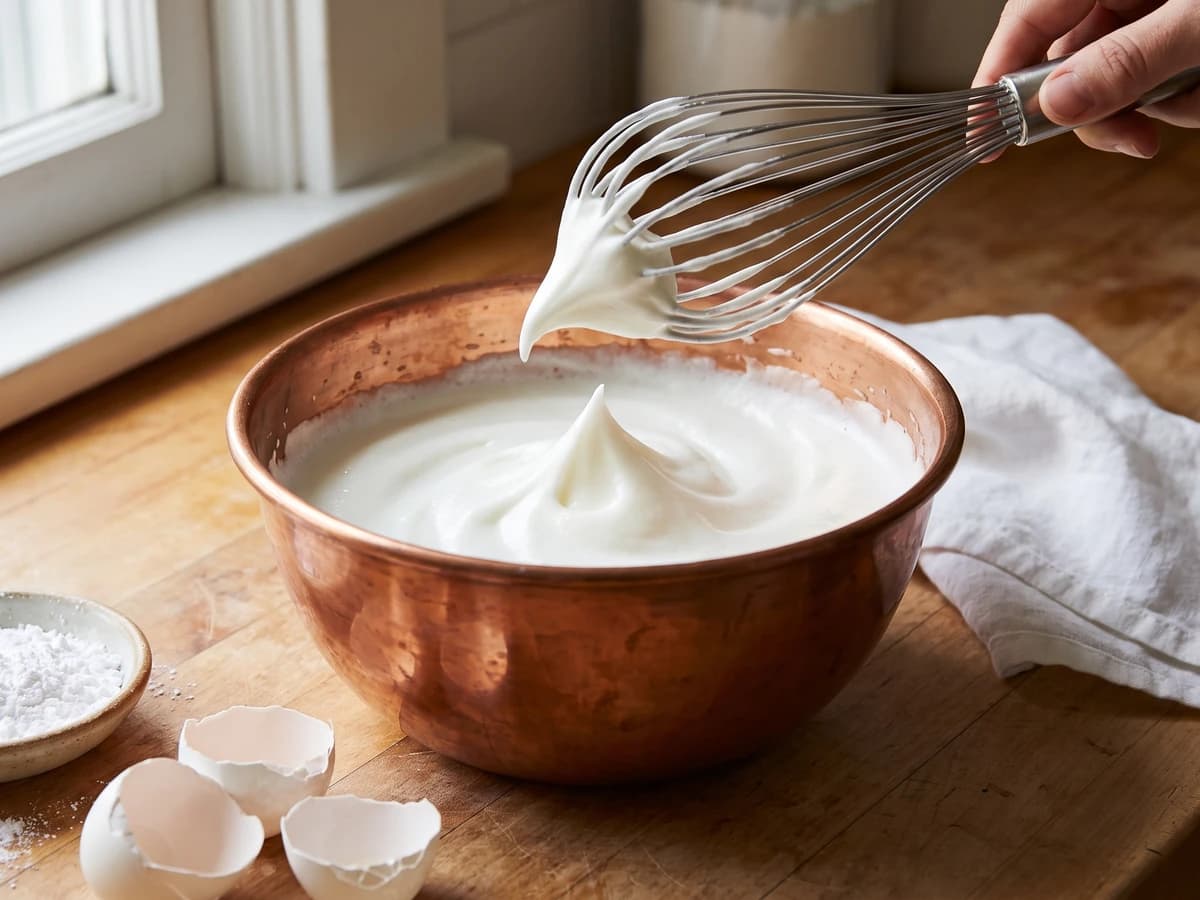
Four whites, one spotless bowl, and a patient change of speed: whisk gently until loosened, then briskly to glossy stiffness, with powdered sugar waiting if the foam begins to granulate.