
Chef Juliette
Various Almond Preparations
Five almond preparations, one discipline: remove the skins cleanly, dry every kernel through, then cut, toast, or cloak it in pale caramel without letting its fragrant oils escape.
A cooking platform built around craft, culture, and the stories behind what we eat.
Created by Chef Juliette
Based on No. 2511, Mousseline Pudding, from Le Guide Culinaire (1907) by Auguste Escoffier
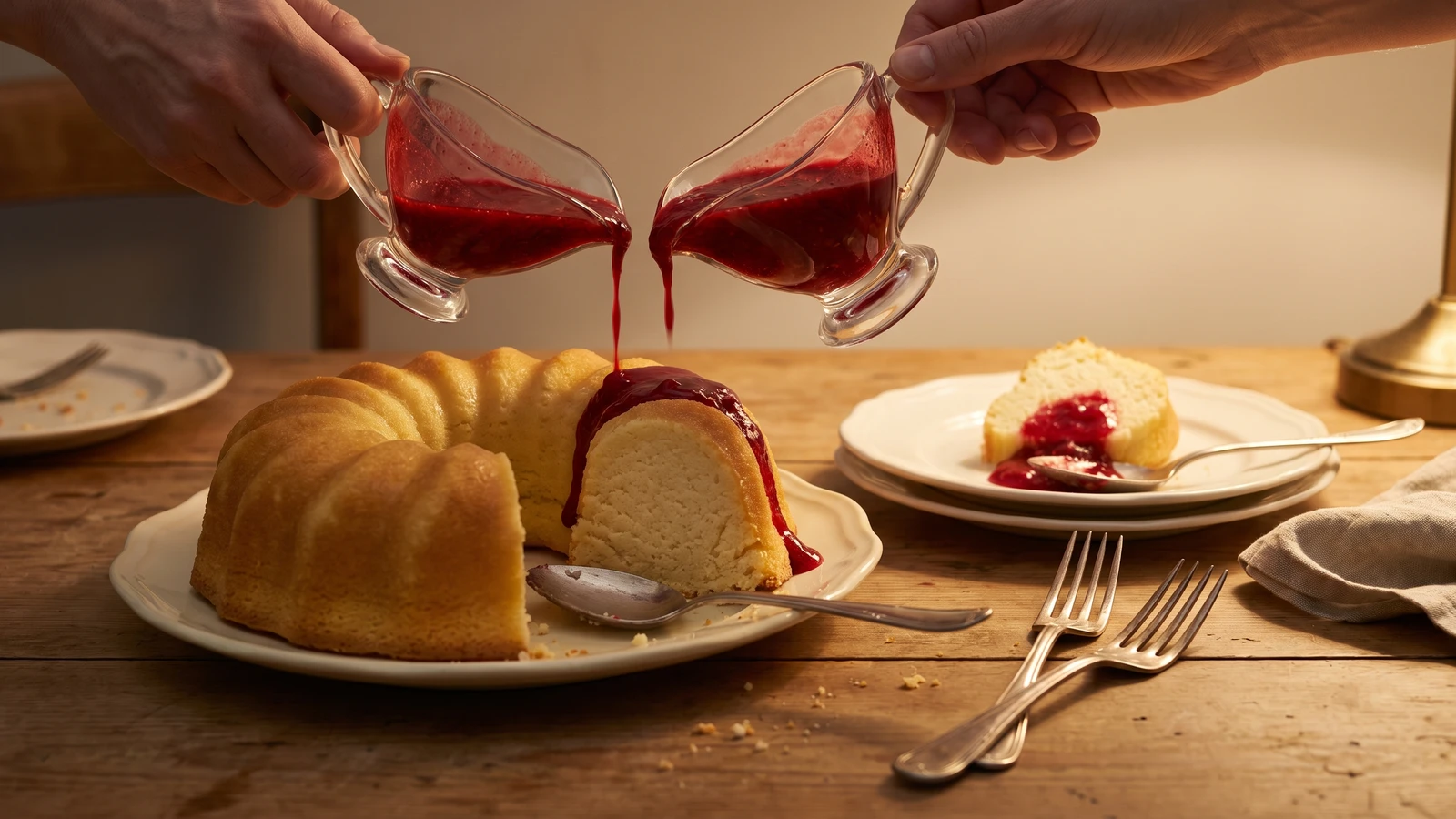
Pouding Mousseline turns butter, sugar, yolks, and beaten whites into a tender ring that rises in a bain-marie, rests ten minutes, then receives a light Sabayon or vivid fruit sauce.
Pouding Mousseline (mousseline pudding) teaches the handoff between two kinds of lightness: a yolk-rich butter base warmed only until it veils a spoon, then stiffly beaten whites folded in before that warmth can turn against them. The one true thing to know is this: the base must thicken slightly, never become a firm custard.
The original formula assumed a saucier on staff to watch the moderate fire, another pair of hands ready with the whites, and a deep border mould waiting beside the bain-marie. A home kitchen answers with orderly mise en place, a hand mixer, and a deep heatproof ring mould or straight-sided pudding basin. The full ten-yolk formula is halved for four, and the awkward half white is weighed so the proportions do not drift. Extra hands are scaffolding and can go. Gentle direct heat, the immediate fold, a mould filled only halfway, and the water poach are the dish, so they stay. One cook, one stove, one evening.
When it is right, the turned-out pudding stands pale gold and trembles softly, with a fine ivory crumb ready to drink in light Sabayon or fruit sauce. Watch the spoon: once the warm base leaves a thin, even veil, take it off the heat at once.
Pouding Mousseline belongs to the Parisian classical entremets table rather than to one regional larder: pouding is the French adoption of the English pudding family, while mousseline promises a preparation made airy with beaten whites. Grand kitchens shaped these puddings in deep border moulds and poached them gently so Sabayon or fruit sauce could pool in the centre. Despite its rise, it is not a soufflé; it is a moulded, water-poached pudding meant to rest and turn out.
Quantity
1 teaspoon (5 ml / 5 g)
for the mould
Quantity
1/4 cup (60 ml / 57 g)
very soft
Quantity
1/2 cup (120 ml / 57 g)
sifted
Quantity
5
Quantity
3½ whites (about 7 tablespoons / 105 ml / 105 g)
at cool room temperature
Quantity
3/4 cup (180 ml / about 180 g)
for serving
| Ingredient | Quantity |
|---|---|
| softened unsalted butterfor the mould | 1 teaspoon (5 ml / 5 g) |
| unsalted buttervery soft | 1/4 cup (60 ml / 57 g) |
| powdered sugarsifted | 1/2 cup (120 ml / 57 g) |
| large egg yolks | 5 |
| large egg whitesat cool room temperature | 3½ whites (about 7 tablespoons / 105 ml / 105 g) |
| prepared light Sabayon or fruit saucefor serving | 3/4 cup (180 ml / about 180 g) |
Heat the oven to 325°F (160°C). Butter every hollow of a 6-cup (1.4 L) deep heatproof ring mould, including the centre tube and upper sides, because this pudding climbs. Set the mould inside a deep roasting pan and put a kettle of water on to heat, but leave the roasting pan dry for now.
Work the butter and powdered sugar together in a 2-quart heavy saucepan until they reach pommade, a perfectly smooth, ointment-soft consistency. Add the yolks one by one, stirring each in completely before the next. Keep the mixture smooth rather than whipping it fluffy; the beaten whites will provide the expansion.
Beat the measured whites in a spotless, dry bowl until they form stiff, glossy peaks. They should stand when the beaters lift but still look supple, not dry or clotted. Set them beside the stove so they can go into the warm base immediately. If a little liquid gathers beneath them while the base heats, whisk for a few seconds to restore the foam.
Set the yolk mixture over medium-low heat and stir constantly with a flexible spatula, sweeping the bottom and corners. It will loosen as the butter melts, then gain a slight body after 4 to 6 minutes. Stop at nappé, the coating stage: a withdrawn spoon should wear a thin veil, and a finger drawn through it should leave a clean path. About 160°F (71°C) is a useful guide, but the spoon decides. Do not push for custard thickness. If the butter streaks out, pull the pan from the heat and whisk in 1 teaspoon (5 ml) cold water. Ça se rattrape. If a few cooked-yolk flecks appear, strain the mixture immediately into a cool bowl before folding.
Remove the base from the heat and immediately fold in one-third of the whites rather briskly to lighten it. Add the remaining whites in two portions, cutting down through the centre and lifting the warm base over them until no large white pockets remain. Pour into the buttered mould, filling it no more than halfway. This empty space is not caution for caution's sake; the expansion belongs to the pudding, and a full mould overflows.
Set the filled mould in the roasting pan and pour very hot water around it to reach halfway up its sides. This bain-marie, a hot-water bath, protects the eggs from fierce heat and gives the pudding its tender set. Transfer carefully to the oven and poach for about 30 minutes. It is ready when well risen, softly springy at the centre, and a fine skewer emerges moist but without liquid batter. If the bath begins bubbling hard, lower the oven to 300°F (150°C) and add a little cool water; boiling water toughens the outer edge.
Lift the mould from the bath and let the pudding stand exactly 10 minutes. Run a thin knife gently around the outer edge and centre tube, cover with a warm serving platter, and invert in one confident motion. If it resists, lay a hot damp towel over the mould for 20 seconds, then lift again. A little settling is natural. Spoon the prepared light Sabayon or fruit sauce into the centre and around each serving. À table!
1 serving (about 120g)
Culinary guides, cultural storytelling, and the editorial depth that makes cooking meaningful.
Discover Culinary ExplorerChef Juliette
Five almond preparations, one discipline: remove the skins cleanly, dry every kernel through, then cut, toast, or cloak it in pale caramel without letting its fragrant oils escape.

Chef Juliette
A pastry pantry lesson in one tray: filberts warmed only until their red skins release, rubbed clean, cooled, and chopped into a fragrant mise-en-place for cakes, creams, pralines, and petits fours.

Chef Juliette
The smallest pâtisserie discipline decides whether a cake leaves its mould intact: clarified butter in every corner, followed by the lightest veil of dry flour or fécule.
Chef Juliette
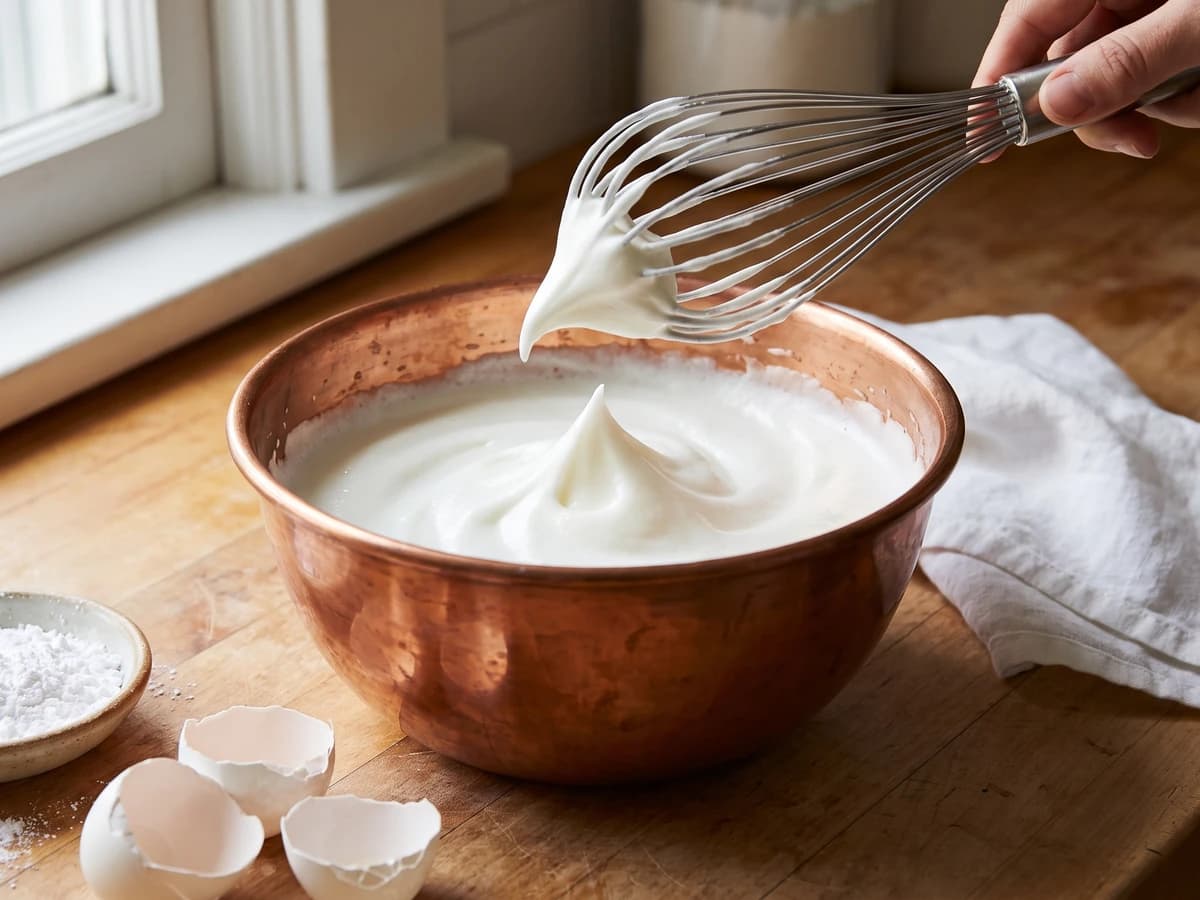
Four whites, one spotless bowl, and a patient change of speed: whisk gently until loosened, then briskly to glossy stiffness, with powdered sugar waiting if the foam begins to granulate.