
Chef Juliette
Various Almond Preparations
Five almond preparations, one discipline: remove the skins cleanly, dry every kernel through, then cut, toast, or cloak it in pale caramel without letting its fragrant oils escape.
A cooking platform built around craft, culture, and the stories behind what we eat.

Created by Chef Juliette
Based on No. 2465, Example: Souffléd Omelet with Vanilla, from Le Guide Culinaire (1907) by Auguste Escoffier
Omelette soufflée à la vanille turns ribboned yolks and whites beaten stiff into one golden, vanilla-scented oval, simply piped, glazed with icing sugar, and carried straight from oven to table.
Omelette soufflée à la vanille (souffléd omelet with vanilla) teaches one discipline above all: flavor the yolk base before a single beaten white enters it. Vanilla added afterward demands more folding, and every unnecessary turn costs the omelette some of the height you worked to build.
The source made a grand service piece with eight yolks, ten whites, and eight ounces of sugar. Here those proportions are halved exactly for four people. The original assumed a pastry hand, a piping bag, a long fireproof serving dish, and an oven whose moderate heat was judged by habit. An electric mixer, a shallow oval ovenproof platter, and a measured 375°F (190°C) oven are their honest home equivalents. The fanciful piping was brigade scaffolding; one simple crest is enough. The fold and the final icing-sugar glaze are the dish, so both stay.
When it is right, the omelette rises into a butter-gold oval with a thin, brilliant glaze and a tender interior that yields softly to the serving spoon. Mix the first third of the whites firmly enough to loosen the dense yolks, then cut and raise the rest with a lighter hand. That change of pressure is the step that matters.
Omelette soufflée belongs to Parisian grand kitchens and bourgeois dining tables, where sweet omelets left the pan for a buttered, sugared serving dish and borrowed the separately beaten whites of the soufflé. From formal service it traveled easily to home dining rooms because it needs no mold and no sauce, only eggs, sugar, a dish, and immediate service. Despite its name, it is not a pan omelet: its defining practice is a ribboned yolk base lightened with stiff whites, shaped in an oval, and baked on the dish that reaches the table.
Quantity
1 tablespoon (15 ml / 14 g)
softened
Quantity
1 tablespoon (15 ml / 13 g)
Quantity
4
Quantity
½ cup plus 1 tablespoon (135 ml / 113 g)
Quantity
1½ teaspoons (7.5 ml / 7 g)
Quantity
5
Quantity
2 tablespoons (30 ml / 15 g)
sifted
| Ingredient | Quantity |
|---|---|
| unsalted buttersoftened | 1 tablespoon (15 ml / 14 g) |
| superfine sugar, for coating the dish | 1 tablespoon (15 ml / 13 g) |
| large egg yolks | 4 |
| superfine sugar | ½ cup plus 1 tablespoon (135 ml / 113 g) |
| pure vanilla extract | 1½ teaspoons (7.5 ml / 7 g) |
| large egg whites | 5 |
| icing sugarsifted | 2 tablespoons (30 ml / 15 g) |
Heat the oven to 375°F (190°C) with a rack in the upper-middle position. Coat a shallow 12 by 8-inch (30 by 20-cm) oval ovenproof platter generously with the softened butter, including the low rim. Dust it with the tablespoon of superfine sugar, turning the dish until every buttered surface is covered, then tap out only the loose excess. Butter, not cooking spray. Its flavor and sheen belong to the sugared crust.
Beat the egg yolks and ½ cup plus 1 tablespoon (135 ml / 113 g) superfine sugar on medium-high speed for 4 to 6 minutes. The mixture should whiten slightly, thicken, and fall from the beaters in a ribbon that remains visible on the surface for several seconds. Beat in the vanilla for 10 seconds. The flavoring goes into this base now, never after the whites.
Wash and dry the beaters thoroughly if you used them for the yolks. In a spotless bowl, beat the egg whites at medium speed until foamy, then at medium-high speed until they hold very stiff, glossy peaks. The peak should stand straight when the beater is lifted, but the whites must still look smooth. Stop before they turn dry or cottony, because brittle foam breaks into lumps instead of folding.
Stir one third of the whites into the vanilla yolk base with deliberate strokes. This first addition is allowed to lose some air because its work is to loosen the yolks. Add the remaining whites in two batches, cutting the spatula down through the center, sweeping across the bottom, and raising the mixture over itself while turning the bowl. Stop when only a few fine white streaks remain.
Spoon about 3 tablespoons (45 ml) of batter into a small piping bag fitted with a plain tip. Turn the rest onto the prepared platter and shape it into a high oval mound about 9 inches (23 cm) long. Smooth the sides lightly with a palette knife, working upward rather than pressing down. Pipe one simple looping crest along the top. Elaborate ornament is unnecessary, but reserving and piping a little batter preserves the source's method.
Bake immediately without opening the oven for 10 minutes. When the omelette has risen, its edges are set, and its surface is beginning to turn gold, open the door briefly and sift the icing sugar evenly over the top. Return it to the oven for 2 to 4 minutes, until the sugar melts into a brilliant coat and the center is softly set rather than liquid. If the glaze remains pale, give it one additional minute in the oven. Do not use the broiler; fierce heat scorches the sugar before the center settles.
Carry the omelette to the table on its baking platter the moment it leaves the oven. Divide it with a broad serving spoon, cutting through the glazed crest and lifting generous portions onto warm dessert plates. It will settle as it waits, because every soufflé does, so let the guests wait for the omelette rather than the reverse. À table!
1 serving (about 90g)
Culinary guides, cultural storytelling, and the editorial depth that makes cooking meaningful.
Discover Culinary ExplorerChef Juliette
Five almond preparations, one discipline: remove the skins cleanly, dry every kernel through, then cut, toast, or cloak it in pale caramel without letting its fragrant oils escape.

Chef Juliette
A pastry pantry lesson in one tray: filberts warmed only until their red skins release, rubbed clean, cooled, and chopped into a fragrant mise-en-place for cakes, creams, pralines, and petits fours.

Chef Juliette
The smallest pâtisserie discipline decides whether a cake leaves its mould intact: clarified butter in every corner, followed by the lightest veil of dry flour or fécule.
Chef Juliette
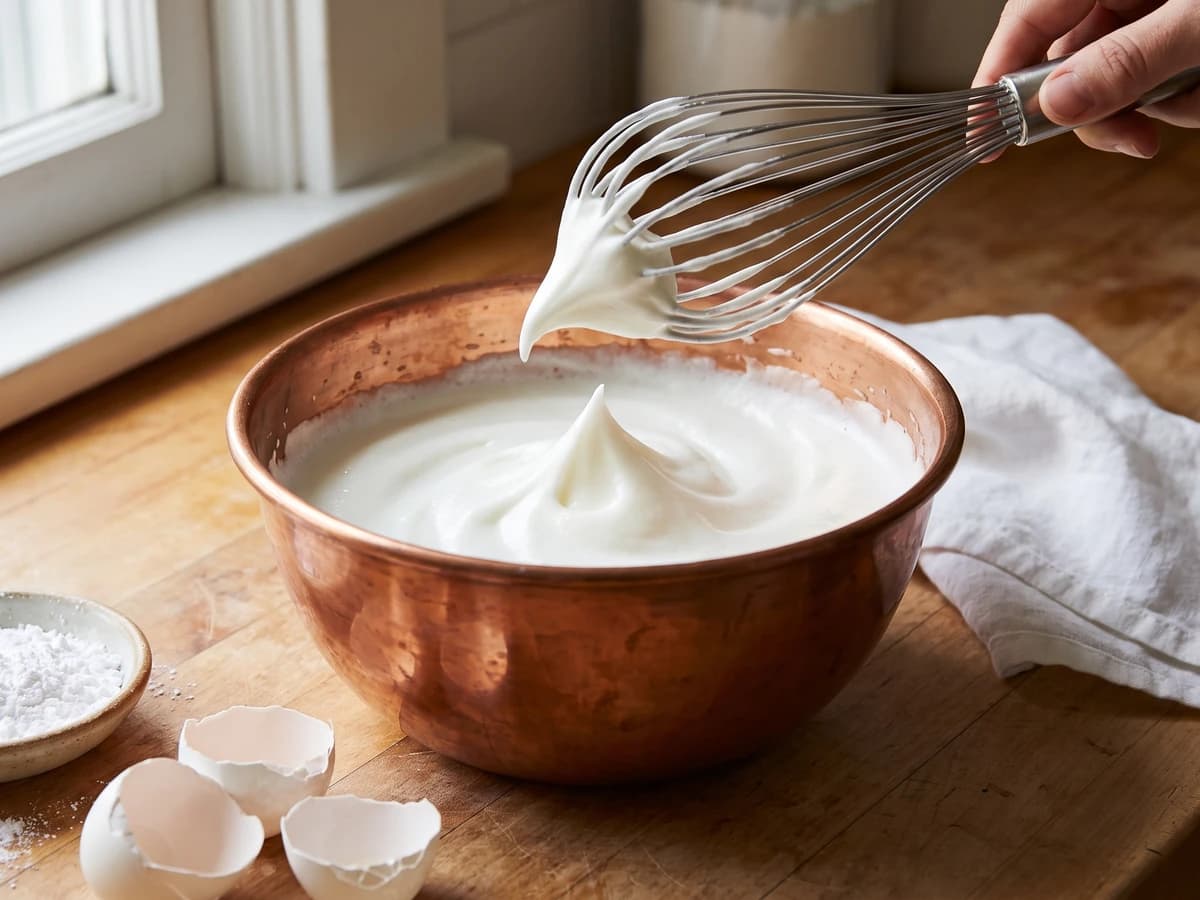
Four whites, one spotless bowl, and a patient change of speed: whisk gently until loosened, then briskly to glossy stiffness, with powdered sugar waiting if the foam begins to granulate.