
Chef Juliette
Various Almond Preparations
Five almond preparations, one discipline: remove the skins cleanly, dry every kernel through, then cut, toast, or cloak it in pale caramel without letting its fragrant oils escape.
A cooking platform built around craft, culture, and the stories behind what we eat.

Created by Chef Juliette
Based on No. 2455, Croûte à la Lyonnaise, from Le Guide Culinaire (1907) by Auguste Escoffier
Crisp brioche wears vanilla chestnut purée and a shining apricot coat, then circles syruped chestnuts and Malaga fruit. The lesson is exact sugar work: small thread means supple; take it farther and it sets like glue.
Croûte à la Lyonnaise (Lyon-style chestnut croûtes) teaches restraint at the sugar pan: apricot at the small-thread stage remains supple enough to veil a crust and bind fruit, while apricot taken farther becomes glue. That is the one true thing to know before touching a pan. The finished plate gives you butter-browned brioche beneath smooth vanilla chestnut purée, a clear apricot gleam, toasted almonds, and a generous center of syruped chestnuts and wine-scented fruit.
The classical formula assumed a pastry station with croûtes, fruit purée cooked through The Cooking of Sugar (No. 2344), candied chestnuts, and dried fruits waiting in separate pans. At home, one skillet replaces the fry station, a digital thermometer replaces testing hot sugar between wet fingers, and good jarred marrons au sirop replace a preserve batch made solely for one service. This version scales the composition to eight croûtes for four while keeping its sequence intact. One cook, one stove, one evening.
The brigade's separate preserve work is scaffolding and can go. The small-thread apricot, vanilla chestnut purée, Malaga wine, three distinct dried grapes, and lightly browned almonds are the dish and stay. Prepare the apricot component exactly and stop at small thread. If it sets too firm, don't throw it away. Ça se rattrape, and the method will loosen it without cooking it farther.
The title places Croûte à la Lyonnaise at Lyon's formal dessert table, pairing chestnuts from the Ardèche country south-west of the city with apricots carried through Rhône kitchens. In classical pastry, croûte names a browned foundation of bread or brioche, not a tart shell and not a crumble. Malaga wine and three kinds of dried grapes reflect the broad preserving pantry of grand kitchens, while the make-ahead components allowed the composition to pass naturally onto bourgeois dinner tables.
Quantity
8 slices (about 8 oz / 225 g total)
each about ½ inch (1.25 cm) thick
Quantity
¼ cup (60 ml / 56 g)
Quantity
1 cup (240 ml / 250 g)
Quantity
¼ cup (60 ml / 50 g)
Quantity
3 tablespoons (45 ml / 45 g)
Quantity
½ bean
split and seeds scraped
Quantity
1½ cups (360 ml / 450 g), prepared according to The Cooking of Sugar (No. 2344)
divided
Quantity
½ cup (120 ml / 55 g)
Quantity
12 whole chestnuts (about 9 oz / 250 g drained)
drained carefully
Quantity
¼ cup (60 ml / 40 g)
pipped or verified seedless, halved if very large
Quantity
¼ cup (60 ml / 40 g)
Quantity
¼ cup (60 ml / 40 g)
Quantity
2 cups (480 ml / 480 g)
for swelling the currants and sultanas
Quantity
¼ cup (60 ml / 60 g)
| Ingredient | Quantity |
|---|---|
| slightly dry briocheeach about ½ inch (1.25 cm) thick | 8 slices (about 8 oz / 225 g total) |
| clarified unsalted butter | ¼ cup (60 ml / 56 g) |
| unsweetened chestnut purée | 1 cup (240 ml / 250 g) |
| granulated sugar | ¼ cup (60 ml / 50 g) |
| water | 3 tablespoons (45 ml / 45 g) |
| vanilla beansplit and seeds scraped | ½ bean |
| apricot purée at the small-thread stagedivided | 1½ cups (360 ml / 450 g), prepared according to The Cooking of Sugar (No. 2344) |
| finely splintered almonds | ½ cup (120 ml / 55 g) |
| marrons au sirop, chestnuts cooked in syrupdrained carefully | 12 whole chestnuts (about 9 oz / 250 g drained) |
| Malaga raisinspipped or verified seedless, halved if very large | ¼ cup (60 ml / 40 g) |
| dried currants | ¼ cup (60 ml / 40 g) |
| sultanas | ¼ cup (60 ml / 40 g) |
| tepid waterfor swelling the currants and sultanas | 2 cups (480 ml / 480 g) |
| sweet Malaga wine | ¼ cup (60 ml / 60 g) |
Set the apricot purée prepared at the small-thread stage according to The Cooking of Sugar (No. 2344) nearby, already cool and supple. Cover the currants and sultanas with the tepid water and leave them for 20 minutes, just until plump rather than waterlogged. Drain them thoroughly and blot them dry. Inspect the Malaga raisins, remove any pips, and halve them if they are very large. Drain the marrons au sirop carefully and keep them whole.
Combine the chestnut purée, sugar, water, vanilla seeds, and split pod in a small heavy saucepan. Stir over low heat for 5 to 7 minutes, until the sugar has dissolved and the purée is glossy, smooth, and soft enough to spread without running. Remove the pod and press the purée through a fine sieve. If it is too stiff, beat in water a teaspoon at a time; if it is loose, return it to gentle heat for a minute. Ça se rattrape. Cover the surface directly and keep it barely warm.
Cut the brioche into eight neat rounds about 3 inches (8 cm) across. Heat half the clarified butter in a heavy skillet over medium heat and brown the rounds in batches, adding the remaining butter as needed. Give each side 1 to 2 minutes, until deep butter-gold with a crisp rim and a tender center. Drain them on a wire rack, not paper, which traps moisture beneath. If the butter begins to darken bitterly, wipe out the pan, lower the heat, and continue with fresh clarified butter.
Wipe the skillet clean and add the finely splintered almonds. Toss them over medium-low heat for 2 to 3 minutes, until pale bronze and fragrant. Tip them immediately onto a cool plate. They continue coloring in a hot pan, and the finish should taste toasted, never scorched.
Reserve ¾ cup (180 ml / 225 g) of the apricot purée prepared through The Cooking of Sugar (No. 2344) for the center garnish. Spread each croûte smoothly with about 2 tablespoons of warm vanilla chestnut purée, carrying it almost to the edge. Cover the chestnut layer with the remaining apricot purée, then sprinkle with the browned almonds. If the apricot has set too firmly, warm it over barely simmering water and beat in 1 teaspoon (5 ml / 5 g) of water at a time. Do not boil it again or take it beyond small thread. That is how a glaze becomes glue.
Stir the Malaga wine gradually into the reserved apricot purée from The Cooking of Sugar (No. 2344), stopping when it falls from the spoon in a thick ribbon. Fold in the drained currants, sultanas, and Malaga raisins until every fruit gleams but no liquid puddles beneath them. If the mixture becomes too loose, let it stand for 5 minutes; if it still runs, lift the fruit with a slotted spoon and use only enough of the wine-apricot mixture to bind it. Arrange the whole syruped chestnuts in the center of the platter and spoon the cohered dried fruits among them.
Arrange the eight coated croûtes in an overlapping circle around the chestnut and fruit garnish. Let the assembled dessert settle for 10 minutes so the apricot holds its gloss and the center gathers without flooding the platter. Serve the same evening, while the brioche still answers softly under the spoon and the browned edges remain crisp. À table!
1 serving (about 385g)
Culinary guides, cultural storytelling, and the editorial depth that makes cooking meaningful.
Discover Culinary ExplorerChef Juliette
Five almond preparations, one discipline: remove the skins cleanly, dry every kernel through, then cut, toast, or cloak it in pale caramel without letting its fragrant oils escape.

Chef Juliette
A pastry pantry lesson in one tray: filberts warmed only until their red skins release, rubbed clean, cooled, and chopped into a fragrant mise-en-place for cakes, creams, pralines, and petits fours.

Chef Juliette
The smallest pâtisserie discipline decides whether a cake leaves its mould intact: clarified butter in every corner, followed by the lightest veil of dry flour or fécule.
Chef Juliette
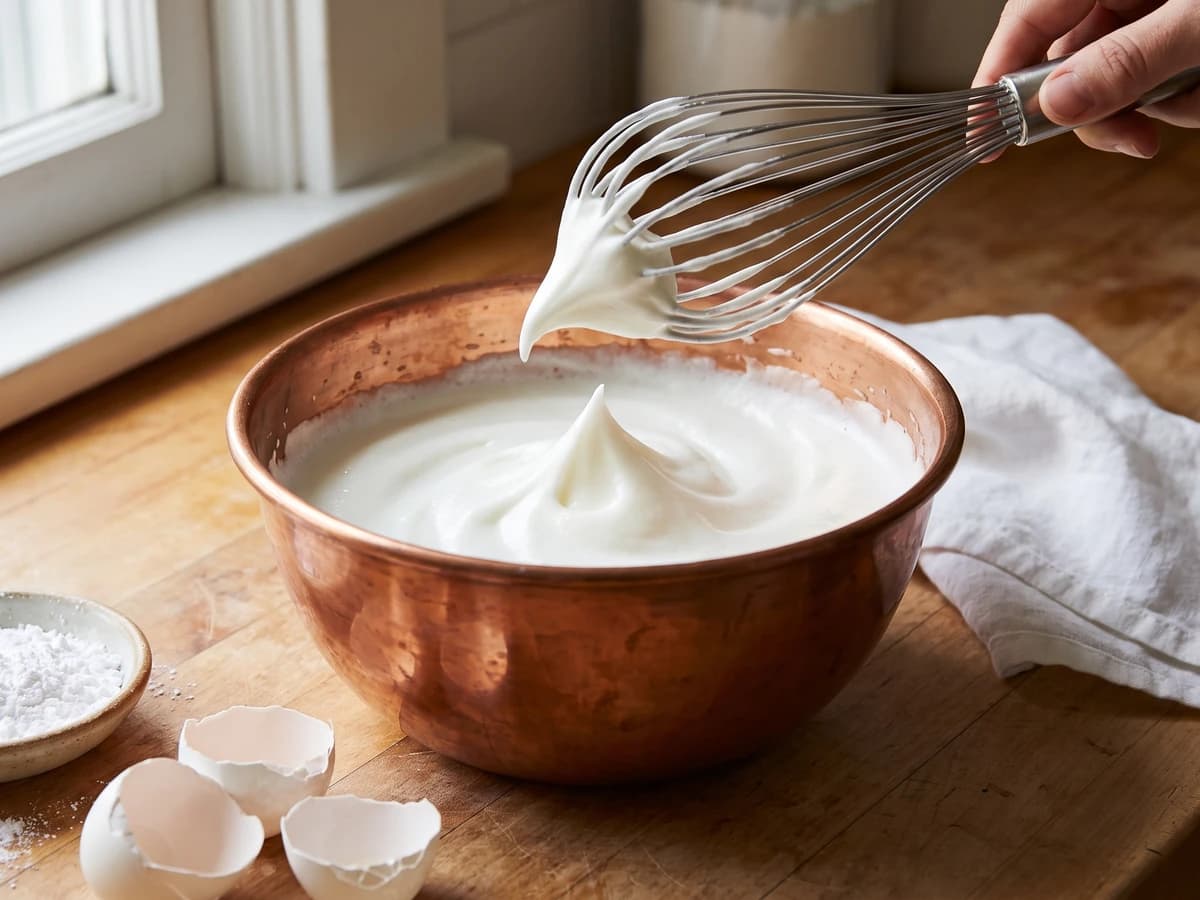
Four whites, one spotless bowl, and a patient change of speed: whisk gently until loosened, then briskly to glossy stiffness, with powdered sugar waiting if the foam begins to granulate.