
Chef Juliette
Various Almond Preparations
Five almond preparations, one discipline: remove the skins cleanly, dry every kernel through, then cut, toast, or cloak it in pale caramel without letting its fragrant oils escape.
A cooking platform built around craft, culture, and the stories behind what we eat.

Created by Chef Juliette
Based on No. 2389, Melting Pistachio Paste, from Le Guide Culinaire (1907) by Auguste Escoffier
Pâte de pistaches fondante turns skinned pistachios, almonds, vanilla syrup, and precisely cooked sugar into a satin-smooth confectionery paste, firm enough to shape and tender enough to disappear under the teeth.
Pâte de pistaches fondante (melting pistachio paste) teaches the confectioner's first law: cooked sugar determines texture, not merely sweetness. Pistachios and almonds supply fragrance and fat, while sugar stopped at the small-crack stage gives the paste enough structure to hold a shape without making it brittle.
The source kitchen assumed a nut crusher, a large mortar, a marble bench, and loaf sugar ready for the sugar pan. At home, a food processor, a heatproof steel bowl, a thermometer, and a cool stone counter or inverted steel tray perform the same work; white granulated sugar replaces loaf sugar because the form has changed, not the sugar itself. The original 7:2:8 proportion already makes a sensible home batch, and reducing it further would leave the processor blade chasing the nuts. The machinery is scaffolding. The small-crack stage and gradual incorporation are the dish. One cook, one stove, one evening.
Have every ingredient weighed and every tool waiting before the sugar reaches the heat. Once it arrives at 285°F (141°C), it moves quickly from pliable structure to caramel, and caramel would bury the pistachio. That exact stopping point is the one step that decides the paste.
Pâte de pistaches fondante belongs to the professional confiserie and pâtisserie workrooms of Paris, where concentrated nut pastes served as centers, fillings, and foundations for petits fours rather than as spoonable spreads. The small measure of almond is part of the classical formula, lending body without displacing the pistachio, not concealing it. As the preparation moved onto home tables, the grinder and mortar became a food processor, while the cool slab kept its practical purpose of controlling texture and temperature.
Quantity
About 1⅔ cups (400 ml / 198 g)
skins removed and kernels completely dry
Quantity
⅓ cup plus 1 tablespoon (95 ml / 57 g)
skins removed and kernels completely dry
Quantity
2 tablespoons (30 ml / about 38 g)
strongly flavoured with vanilla
Quantity
1⅛ cups (270 ml / 227 g), prepared to the small-crack stage as The Cooking of Sugar (No. 2344)
Quantity
3 tablespoons (45 ml / 23 g)
sifted
| Ingredient | Quantity |
|---|---|
| raw shelled pistachiosskins removed and kernels completely dry | About 1⅔ cups (400 ml / 198 g) |
| raw almondsskins removed and kernels completely dry | ⅓ cup plus 1 tablespoon (95 ml / 57 g) |
| prepared syrupstrongly flavoured with vanilla | 2 tablespoons (30 ml / about 38 g) |
| white granulated sugar | 1⅛ cups (270 ml / 227 g), prepared to the small-crack stage as The Cooking of Sugar (No. 2344) |
| icing sugarsifted | 3 tablespoons (45 ml / 23 g) |
Clean and dry the food processor, saucepan, mixing bowl, spatula, thermometer, slab, and scrapers. Warm the stainless-steel bowl with hot tap water, dry it thoroughly, and brace it on a folded damp towel. Sift the icing sugar beside the cool slab. Cooked sugar waits for nobody, so the entire station must be ready before the pan goes on the heat.
Pulse the skinned pistachios and almonds into a fine meal, then process continuously, stopping often to scrape the bowl, until their oils release and the mixture gathers into a dense, smooth paste, about 4 to 6 minutes. It should resemble soft clay, not a flowing nut butter. Add the strongly vanilla-flavoured syrup and process only until evenly absorbed. If oil begins pooling around the paste, stop and let the bowl cool for 5 minutes, then pulse briefly until it comes together again.
Scrape the nut paste into the warm, dry steel bowl. Prepare the granulated sugar to the small-crack stage as The Cooking of Sugar (No. 2344), using a digital thermometer in place of the finger test and removing the pan at 285°F (141°C). The syrup must remain clear, never amber. Immediately pour about one-sixth of it over the paste in a narrow ribbon, set the pan safely down, and stir and press until completely incorporated before adding the next portion. Continue little by little, exactly as the source directs; the paste will tighten abruptly and look rather alarming, but persistent mixing turns it heavy, unified, and faintly glossy. If the sugar crystallizes before reaching temperature, add enough water to dissolve it completely and begin the cooking again. Ça se rattrape. If it turns amber, remake only the sugar, because caramel changes the preparation.
Spread the sifted icing sugar over the cool marble, granite, or inverted stainless-steel tray and scrape the warm paste onto it. Fold the mass over itself with two bench scrapers until it is safe to handle, then knead in every trace of icing sugar for 3 to 5 minutes. The finished pâte de pistaches fondante should be smooth, supple, and muted green, bending before it breaks. If beads of nut oil appear, spread the paste into a thick sheet for 1 minute so the surface cools, then gather and knead it again. If it crumbles, warm it between your hands and keep working rather than adding water.
Shape the paste into a squat block and leave it uncovered for about 15 minutes, only until completely cool. Wrap it tightly in parchment and then in an airtight covering so neither air nor refrigerator odors reach the nuts. Use it for confectionery centers, layered sweets, or other preparations calling for a firm pistachio paste. Bring chilled paste back to room temperature before shaping; a short knead restores its suppleness.
1 serving (about 30g)
Culinary guides, cultural storytelling, and the editorial depth that makes cooking meaningful.
Discover Culinary ExplorerChef Juliette
Five almond preparations, one discipline: remove the skins cleanly, dry every kernel through, then cut, toast, or cloak it in pale caramel without letting its fragrant oils escape.

Chef Juliette
A pastry pantry lesson in one tray: filberts warmed only until their red skins release, rubbed clean, cooled, and chopped into a fragrant mise-en-place for cakes, creams, pralines, and petits fours.

Chef Juliette
The smallest pâtisserie discipline decides whether a cake leaves its mould intact: clarified butter in every corner, followed by the lightest veil of dry flour or fécule.
Chef Juliette
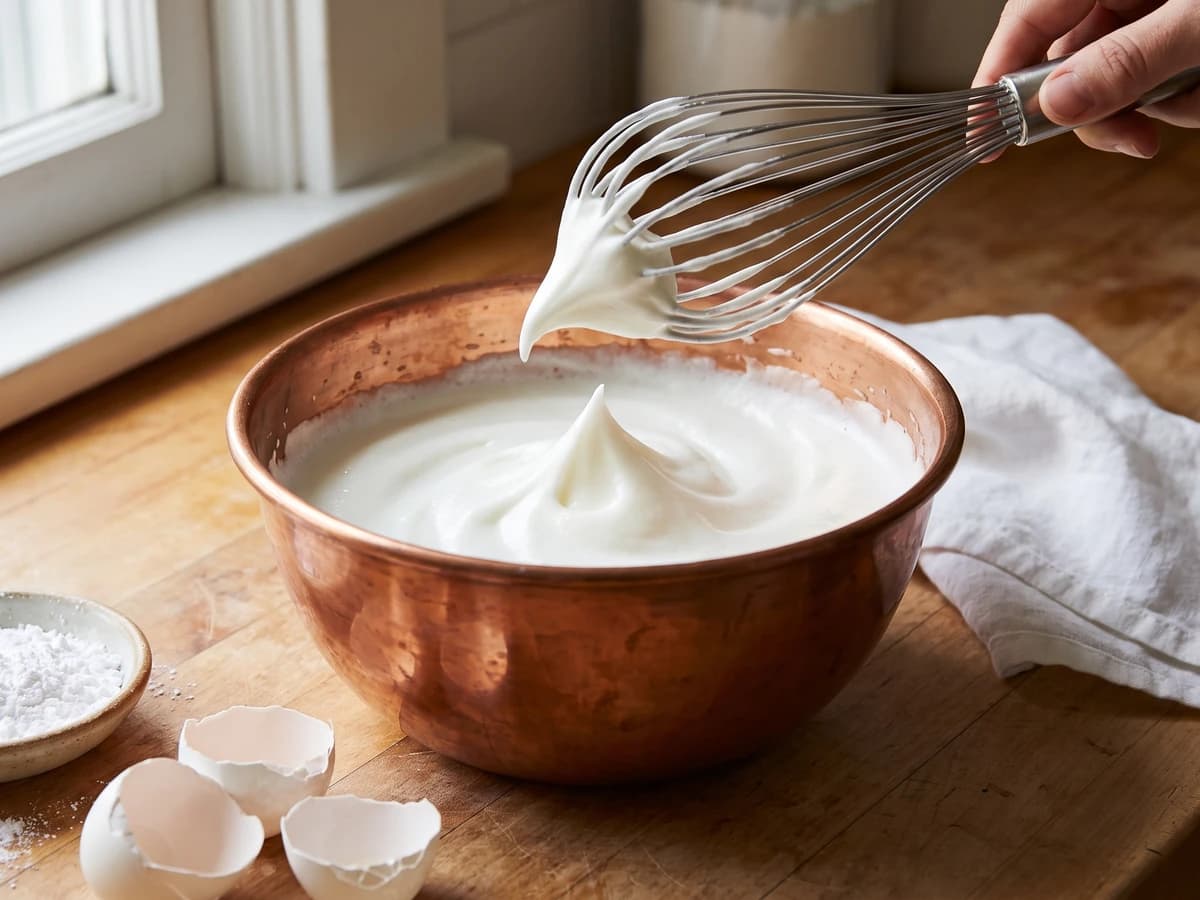
Four whites, one spotless bowl, and a patient change of speed: whisk gently until loosened, then briskly to glossy stiffness, with powdered sugar waiting if the foam begins to granulate.