
Chef Juliette
Various Almond Preparations
Five almond preparations, one discipline: remove the skins cleanly, dry every kernel through, then cut, toast, or cloak it in pale caramel without letting its fragrant oils escape.
A cooking platform built around craft, culture, and the stories behind what we eat.

Created by Chef Juliette
Based on No. 2381, Punch Biscuit Paste, from Le Guide Culinaire (1907) by Auguste Escoffier
Pâte à biscuit punch rises on two foams: yolks and whole eggs beaten pale, then whites folded last. Citrus sugars and good rum perfume a tender, butter-rich ring cake set in a moderate oven.
Pâte à biscuit punch (rum-and-citrus sponge batter) teaches the first law of every biscuit: air is an ingredient. There is no chemical leavener here. The lift comes from yolks and whole eggs beaten until they hold a ribbon, then from whites folded through at the end, so the one true thing to know before touching the mould is simple: make the air, then guard it.
The original quantity assumed the pâtisserie bench: a pound of sugar, twelve yolks, three whole eggs, eight whites, several moulds waiting, and enough hands to keep one bowl moving while another was whisked. This version halves the formula for one 8-cup ring and uses an electric whisk plus a scale to divide the beaten whole egg accurately. The ratios, rum, citrus sugars, and order of mixing do not move. Multiple shapes were brigade scaffolding; the separate foams and careful fold are the dish. One cook, one stove, one evening.
The finished biscuit wears a thin bronze-gold crust around a tender, close but resilient crumb, with orange arriving first, lemon brightening it, and rum warming the finish. The final fold decides everything: stop the moment the white streaks disappear, while the batter still feels buoyant under the spatula.
Within Parisian pâtisserie, biscuit names a family of egg-foamed cakes, not the crisp little cookie the English word suggests. Punch biscuit carried the perfume of the punch bowl into the pastry kitchen through rum and citrus sugars, and cooks baked the same paste in rings, moulds, or paper cases according to its place on the table. Here the flavoring is beaten into the paste itself, so it is not a plain sponge later drenched with syrup, a useful distinction in the classical canon.
Quantity
1⅛ cups (270 ml / 227 g)
Quantity
6 (about 6 tablespoons / 102 g)
at room temperature
Quantity
5 tablespoons (75 ml / 75 g), from about 1½ large eggs
at room temperature
Quantity
scant 1½ teaspoons (7 ml / 6 g)
made by rubbing granulated sugar with finely grated orange zest
Quantity
scant 1½ teaspoons (7 ml / 6 g)
made by rubbing granulated sugar with finely grated lemon zest
Quantity
1½ tablespoons (22 ml / 21 g)
Quantity
1⅓ cups plus 1 tablespoon (335 ml / 170 g)
sifted
Quantity
10 tablespoons (150 ml / 142 g)
melted and cooled until just warm
Quantity
4 (½ cup / 120 g)
at room temperature
Quantity
1 tablespoon (15 ml / 14 g)
for the mould
| Ingredient | Quantity |
|---|---|
| granulated sugar | 1⅛ cups (270 ml / 227 g) |
| large egg yolksat room temperature | 6 (about 6 tablespoons / 102 g) |
| beaten whole eggat room temperature | 5 tablespoons (75 ml / 75 g), from about 1½ large eggs |
| orange sugarmade by rubbing granulated sugar with finely grated orange zest | scant 1½ teaspoons (7 ml / 6 g) |
| lemon sugarmade by rubbing granulated sugar with finely grated lemon zest | scant 1½ teaspoons (7 ml / 6 g) |
| good amber or dark rum | 1½ tablespoons (22 ml / 21 g) |
| all-purpose floursifted | 1⅓ cups plus 1 tablespoon (335 ml / 170 g) |
| unsalted buttermelted and cooled until just warm | 10 tablespoons (150 ml / 142 g) |
| large egg whitesat room temperature | 4 (½ cup / 120 g) |
| softened unsalted butterfor the mould | 1 tablespoon (15 ml / 14 g) |
Set a rack in the middle of the oven and heat it to a moderate 350°F (175°C conventional, 165°C fan). Brush every surface of a simple 8-cup (2 L) ring mould generously with the softened butter, paying particular attention to the central tube and upper rim. Sift the flour twice onto a sheet of parchment. Rub each measured spoonful of citrus sugar with its zest until fragrant and slightly damp, keeping the orange and lemon sugars ready together.
Put the granulated sugar, yolks, and measured whole egg in a large bowl. Beat at medium-high speed for 8 to 10 minutes, scraping the bowl once, until the mixture is very pale, thick, and frothy enough to fall from the whisk in a ribbon that remains visible for several seconds. Add the orange sugar, lemon sugar, and rum only after this foam is established, then beat for 15 seconds to distribute them. If the mixture remains coarse and heavy, set the bowl over barely warm water for 20 seconds while whisking, then remove it and continue; gentle warmth helps the sugar dissolve, but the bowl must never become hot enough to cook the yolks.
Sift one-third of the flour over the yolk foam and fold with a broad spatula, cutting down through the centre, sweeping along the bottom, and lifting the mixture over itself. Repeat with the remaining flour in two additions, turning the bowl as you work. Melt the butter gently and cool it to about 95 to 104°F (35 to 40°C), fluid but no longer hot. Stir a generous scoop of batter into the butter, then pour this lightened butter around the inside edge of the bowl and fold just until no yellow slick remains on the bottom. If the butter forms firm beads, warm the underside of the bowl over barely warm water for five seconds and fold twice more. Do not beat.
Set aside 1 tablespoon of the measured egg whites. In a spotless bowl, beat the remaining whites until they hold firm, glossy peaks, then whisk in the reserved white a little at a time and stop when the peak stands stiff but still looks supple. If the whites turn dry and clumpy before that point, add the reserved white by teaspoons and whisk by hand until the gloss returns. Ça se rattrape. Fold one-third of the whites into the batter with a slightly firmer hand to loosen it, then fold in the rest gently in two additions. Stop as soon as the white streaks disappear; the batter should fall in a broad, airy ribbon.
Transfer the batter immediately to the buttered mould and level it with one gentle sweep of the spatula. Bake for 32 to 38 minutes without opening the oven during the first 25 minutes. The biscuit is ready when the crust is evenly bronze-gold, the top springs back under a light fingertip, and a fine skewer inserted midway between the wall and central tube comes out clean or with one tender crumb. If the centre still trembles or leaves wet batter on the skewer, return it to the oven for 4 to 6 minutes; if the crust is already dark enough, cover it loosely with foil.
Let the biscuit stand in its mould for 10 minutes, then loosen the edges and tube with a thin blunt knife and invert it onto a cake plate. If it clings, wrap the outside of the mould in a warm, damp towel for 30 seconds and try again rather than tearing at the crumb. Cool for at least 15 minutes before cutting. Serve slightly warm or fully cooled, plain and confident, so the rum and citrus remain clear. À table!
1 serving (about 75g)
Culinary guides, cultural storytelling, and the editorial depth that makes cooking meaningful.
Discover Culinary ExplorerChef Juliette
Five almond preparations, one discipline: remove the skins cleanly, dry every kernel through, then cut, toast, or cloak it in pale caramel without letting its fragrant oils escape.

Chef Juliette
A pastry pantry lesson in one tray: filberts warmed only until their red skins release, rubbed clean, cooled, and chopped into a fragrant mise-en-place for cakes, creams, pralines, and petits fours.

Chef Juliette
The smallest pâtisserie discipline decides whether a cake leaves its mould intact: clarified butter in every corner, followed by the lightest veil of dry flour or fécule.
Chef Juliette
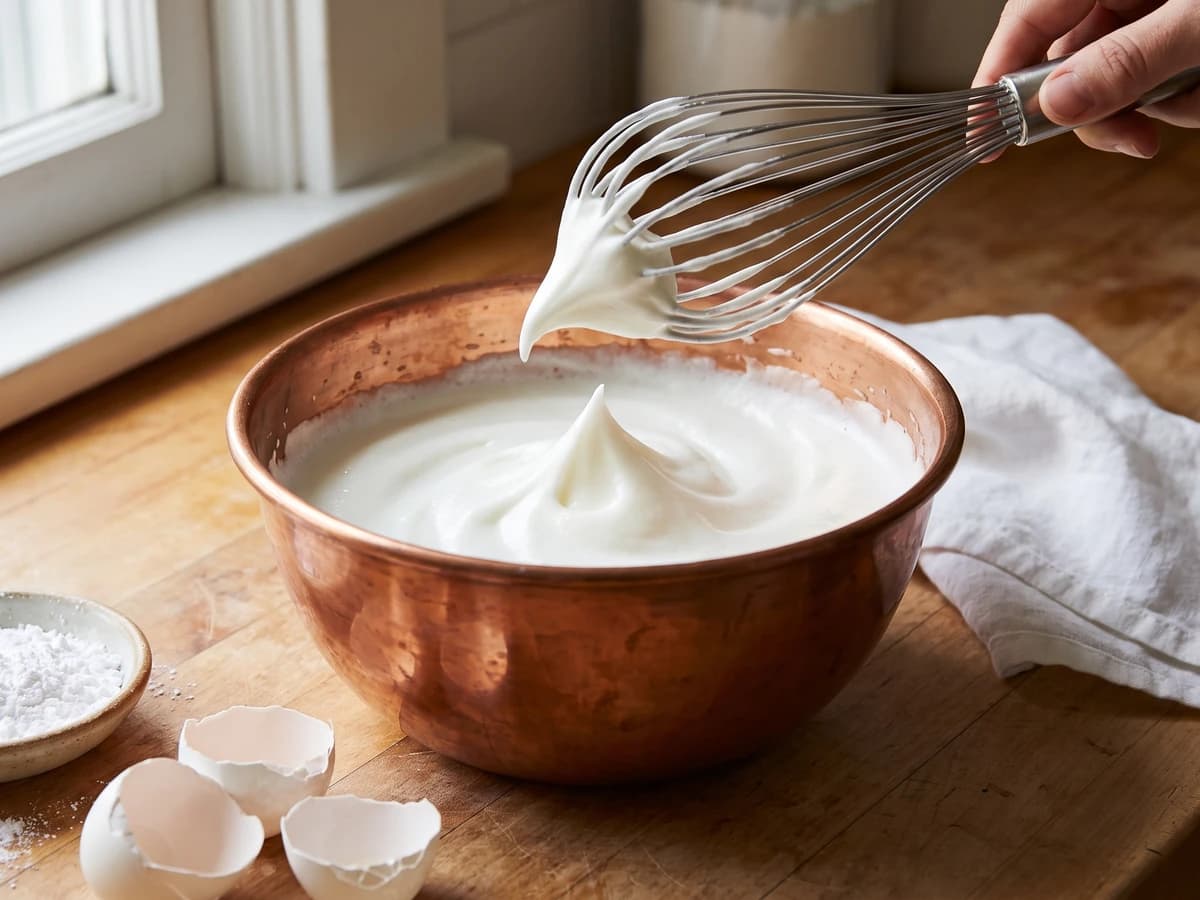
Four whites, one spotless bowl, and a patient change of speed: whisk gently until loosened, then briskly to glossy stiffness, with powdered sugar waiting if the foam begins to granulate.