
Chef Juliette
Various Almond Preparations
Five almond preparations, one discipline: remove the skins cleanly, dry every kernel through, then cut, toast, or cloak it in pale caramel without letting its fragrant oils escape.
A cooking platform built around craft, culture, and the stories behind what we eat.

Created by Chef Juliette
Based on No. 2361, Dumpling and Pudding Pastes, from Le Guide Culinaire (1907) by Auguste Escoffier
Dry beef suet chopped to pinpoints, drawn gradually into flour, then massed without kneading: this simple pâte is the tender foundation for the canon’s dumplings and basin puddings.
Pâtes à dumplings et à puddings (dumpling and pudding pastes) teach one discipline: mass the paste, never knead it. Fine pieces of dry beef suet must stay distinct in the flour so they melt during later cooking and leave tenderness behind. Work the flour into elasticity and the dumplings or pudding turn heavy. The word carries the technique, and here the technique is restraint.
The original assumed a broad mixing-board, a naturally cool pastry room, and more than two pounds of paste ready for service. This version halves every amount to make about 490 grams, enough for four at home, while a wide bowl replaces the board and the refrigerator supplies the cool corner. What changed is the scale and the vessel, both brigade scaffolding. The proportions, sequence, fine chopping, and refusal to knead remain because they are the dish.
The finished pâte should look pale and matte, with tiny white flecks of suet held throughout rather than smeared into the flour. If warmth softens the fat, stop and chill everything; ça se rattrape. The final gathering decides the preparation: press only until the paste holds together, then take your hands away.
Pâtes à dumplings et à puddings belong first to the British table, particularly the boiled dumplings and basin-cooked suet puddings of England, which the French classical repertoire adopted under their English names. Grand kitchens codified the household method into a measured foundation for sweet puddings and savory dumplings, using dry beef suet because its firm particles melt during cooking and leave a tender structure. It is often mistaken for ordinary pastry dough, but kneading is precisely what the formula forbids.
Quantity
1¼ cups loosely packed (295 ml / 142 g)
thoroughly chilled; skin and connective tissue removed, then chopped as finely as possible
Quantity
1⅞ cups (445 ml / 227 g)
sifted
Quantity
1¼ teaspoons (6 ml / 7 g)
Quantity
1 tablespoon plus 2 teaspoons (25 ml / 21 g)
Quantity
6 tablespoons plus 1 teaspoon (95 ml / 95 g)
| Ingredient | Quantity |
|---|---|
| very dry beef suetthoroughly chilled; skin and connective tissue removed, then chopped as finely as possible | 1¼ cups loosely packed (295 ml / 142 g) |
| plain floursifted | 1⅞ cups (445 ml / 227 g) |
| fine salt | 1¼ teaspoons (6 ml / 7 g) |
| granulated sugar | 1 tablespoon plus 2 teaspoons (25 ml / 21 g) |
| cool water | 6 tablespoons plus 1 teaspoon (95 ml / 95 g) |
Break open the chilled suet and carefully pull away every strip of skin, membrane, and connective tissue. Weigh 142 grams of cleaned fat, slice it thinly, cut the slices into narrow strips, then chop repeatedly until the pieces are no larger than grains of rice and most are finer. Scrape the knife and turn the pile as you work. If the suet softens or begins to smear, spread it on a plate and chill it for ten minutes before continuing; cold fat chops cleanly.
Sift the flour into a wide mixing bowl and push it outward to form a deep hollow in the centre. Put the salt, sugar, cool water, and finely chopped suet into that hollow. A bowl is the honest home equivalent of the original mixing-board: it contains this smaller quantity without changing the order in which the ingredients meet.
Stir the ingredients in the centre with two fingers or a sturdy fork, then draw flour from the inner wall of the hollow a little at a time. Turn the bowl as you work so the liquid takes up the flour gradually and the suet stays evenly distributed. Stop stirring when no free water remains and the mixture forms moist clumps with some loose flour around them. Do not beat or stretch it.
Use a bench scraper to bring the clumps and loose flour together. Press down once with the heel of your hand, fold the loose edges inward, then press again only as needed until the pâte holds as one rough mass. This is masser, gathering by pressure, not kneading. If dry flour refuses to join, cover the bowl for five minutes so the measured water can travel through the flour, then press once more. If the surface turns greasy, chill the mixture for fifteen minutes before gathering it. Ça se rattrape.
Shape the pâte into a thick, flat rectangle without smoothing away its visible flecks of suet. Wrap it closely and chill for at least thirty minutes. The rest distributes the moisture and relaxes the little gluten you have formed, leaving a paste that bends without crumbling but never feels springy. Use it cold according to the finished dumpling or pudding preparation; this entry makes the foundation only, so shaping and cooking belong to the dish receiving it.
1 serving (about 123g)
Culinary guides, cultural storytelling, and the editorial depth that makes cooking meaningful.
Discover Culinary ExplorerChef Juliette
Five almond preparations, one discipline: remove the skins cleanly, dry every kernel through, then cut, toast, or cloak it in pale caramel without letting its fragrant oils escape.

Chef Juliette
A pastry pantry lesson in one tray: filberts warmed only until their red skins release, rubbed clean, cooled, and chopped into a fragrant mise-en-place for cakes, creams, pralines, and petits fours.

Chef Juliette
The smallest pâtisserie discipline decides whether a cake leaves its mould intact: clarified butter in every corner, followed by the lightest veil of dry flour or fécule.
Chef Juliette
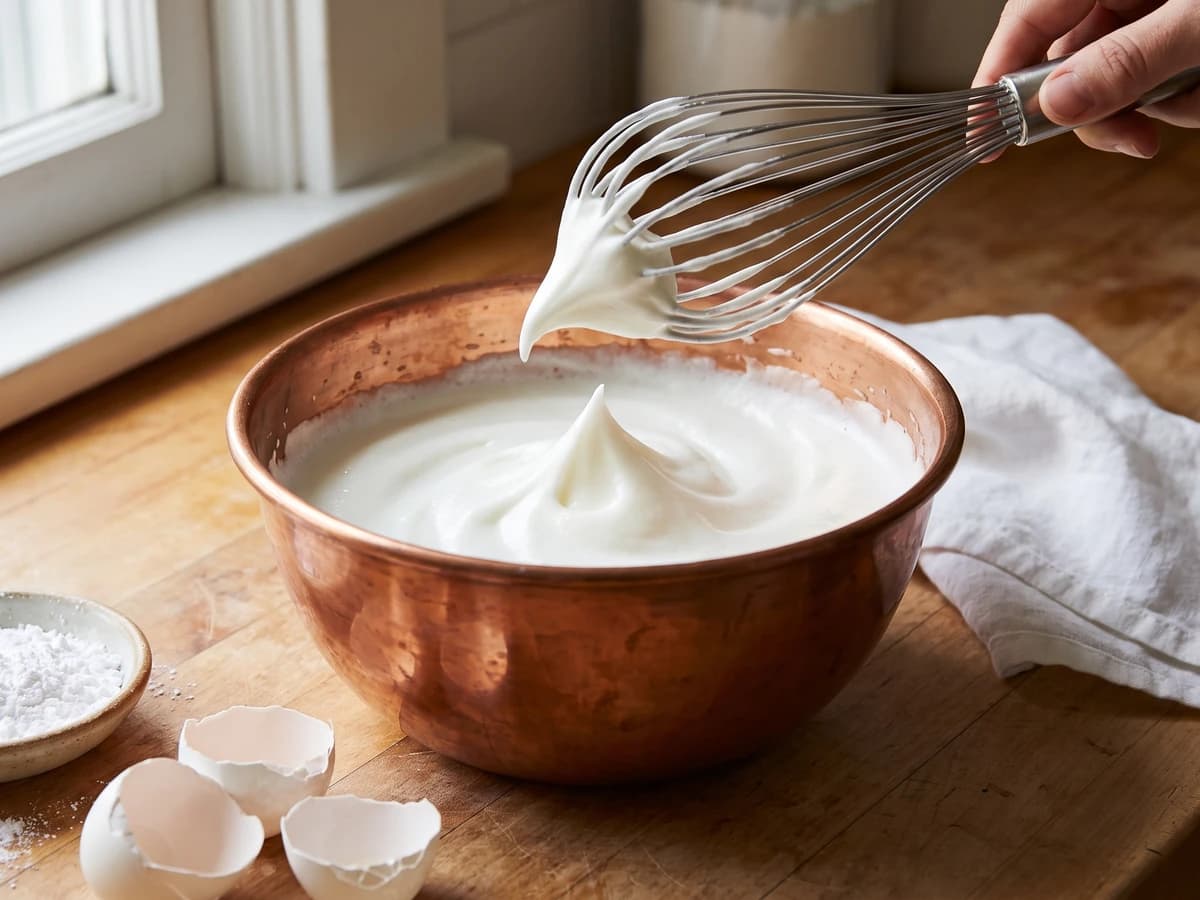
Four whites, one spotless bowl, and a patient change of speed: whisk gently until loosened, then briskly to glossy stiffness, with powdered sugar waiting if the foam begins to granulate.