
Chef Juliette
Various Almond Preparations
Five almond preparations, one discipline: remove the skins cleanly, dry every kernel through, then cut, toast, or cloak it in pale caramel without letting its fragrant oils escape.
A cooking platform built around craft, culture, and the stories behind what we eat.

Created by Chef Juliette
Based on No. 2348, Coloured Sugar Grains, from Le Guide Culinaire (1907) by Auguste Escoffier
Plain sugar, one measured drop of vegetable colour, and gentle drying make even, free-flowing grains that keep beautifully and give petits fours, biscuits, and confections a clean flash of colour.
Grains de sucre colorés (coloured sugar grains) teach a small but useful law of confectionery: colour must cling to the crystals without dissolving them. The one true thing is this: begin with one drop of liquid colour per tablespoonful of sugar. Too much moisture makes paste, while careful rubbing leaves every grain evenly tinted and separate.
The old workroom assumed a moderately warm drying-box standing ready. A home kitchen needs only a parchment-lined tray and an oven warmed gently, then switched off. This half-cup batch keeps the original proportion while giving one cook enough sugar for several cakes or trays of petits fours. One cook, one stove, one evening.
The dedicated drying-box is workroom scaffolding and can go. The measured colouring, rubbing by hand, and complete drying before storage are the preparation itself, so they stay. Rub until no white streak or dark bead remains before the sugar meets the warmth. That is the step that decides it.
Grains de sucre colorés belong to the French pâtisserie and confiserie workroom, with Parisian confectioners using tinted crystals as a practical finish for petits fours, biscuits, and moulded sweets. The preparation passed easily into home baking because it required no sugar boiling, only an even hand and dry storage. The drying-box was not ceremony: it removed the slight moisture carried by the colouring, allowing the finished grains to remain separate rather than hardening into a lump.
Quantity
1/2 cup (120 ml / 100 g)
Quantity
8 drops (about 0.4 ml / 0.4 g)
use one colour or divide among several colours
| Ingredient | Quantity |
|---|---|
| regular granulated sugar | 1/2 cup (120 ml / 100 g) |
| liquid vegetable food colouringuse one colour or divide among several colours | 8 drops (about 0.4 ml / 0.4 g) |
Heat the oven to 170°F (75°C), then switch it off and keep the door closed while you colour the sugar. Line a rimmed sheet pan with clean, dry parchment. This gentle retained warmth is the home equivalent of the drying-box, and it is quite enough; the sugar needs drying, not cooking.
Divide the sugar into four equal mounds of 2 tablespoons (30 ml / 25 g) each, using separate sheets of parchment or small dry bowls if you want several colours. Add 2 drops of liquid vegetable colouring to each mound, preserving the original proportion of one drop per tablespoonful. For one colour, work in these small batches and combine them after drying; smaller portions colour more evenly.
With impeccably clean, dry fingers, lift and rub each portion of sugar between your fingertips and palm until the colour reaches every crystal. Keep rubbing until there are no white streaks or dark wet beads. If a drop forms one stubborn dark spot, pinch that spot into a spoonful of the surrounding sugar before working it back through the whole portion. If small clumps appear, crush them between your fingers and continue. Ça se rattrape.
Spread each shade over the parchment in a thin, separate patch and place the tray in the switched-off warm oven. Leave the door slightly ajar and dry for 15 to 20 minutes, stirring and breaking up the sugar once halfway through. The grains are ready when they feel loose and dry rather than cool and tacky.
Let the sugar cool completely on the tray for at least 10 minutes. Pinch a little between dry fingers; it should fall apart at once. If it cakes together, return it to a freshly warmed, switched-off oven for another 10 minutes. Once thoroughly dry and at room temperature, funnel each colour into its own well-closed box or airtight jar. Never seal warm sugar, because trapped moisture undoes the drying.
1 serving (about 100g)
Culinary guides, cultural storytelling, and the editorial depth that makes cooking meaningful.
Discover Culinary ExplorerChef Juliette
Five almond preparations, one discipline: remove the skins cleanly, dry every kernel through, then cut, toast, or cloak it in pale caramel without letting its fragrant oils escape.

Chef Juliette
A pastry pantry lesson in one tray: filberts warmed only until their red skins release, rubbed clean, cooled, and chopped into a fragrant mise-en-place for cakes, creams, pralines, and petits fours.

Chef Juliette
The smallest pâtisserie discipline decides whether a cake leaves its mould intact: clarified butter in every corner, followed by the lightest veil of dry flour or fécule.
Chef Juliette
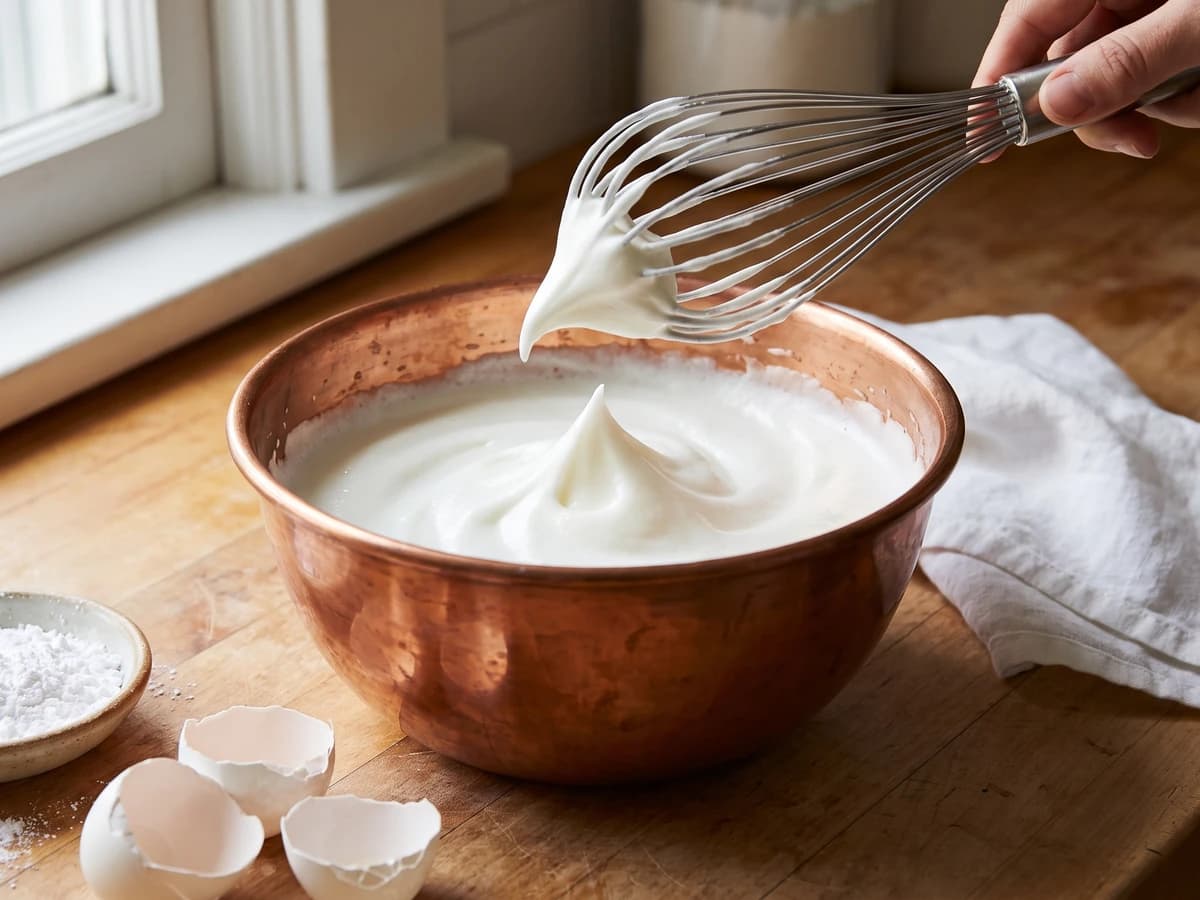
Four whites, one spotless bowl, and a patient change of speed: whisk gently until loosened, then briskly to glossy stiffness, with powdered sugar waiting if the foam begins to granulate.