
Chef Juliette
Various Almond Preparations
Five almond preparations, one discipline: remove the skins cleanly, dry every kernel through, then cut, toast, or cloak it in pale caramel without letting its fragrant oils escape.
A cooking platform built around craft, culture, and the stories behind what we eat.

Created by Chef Juliette
Based on No. 2343, Vegetable Colouring Matters, from Le Guide Culinaire (1907) by Auguste Escoffier
Three pastry colours, one disciplined hand: carmine, spinach green, and yellow kept as clean stocks, then blended drop by drop until the confection hints at fruit, leaf, or gold without becoming a paint box.
Matières colorantes végétales (vegetable colouring matters) teach restraint. The one true thing to know before touching a pan is that colour in the bottle is not colour in the confection. Test one drop in the actual fondant, syrup, icing, or sugar mixture, then decide. A well-coloured sweet suggests apricot, rose, leaf, or gold without announcing the bottle that supplied it.
The source assumes a pastry kitchen with carmine, liquid spinach green, and yellow always on its shelf, plus a practiced hand capable of blending the tones between them. Your honest equivalent is one small food-grade bottle of each and three clean droppers. The entry explicitly permits bought colours, so there is no virtue in extracting them afresh here. That work is supply-room scaffolding; clean storage, dropwise blending, and testing in the finished base are the preparation itself.
The quantities have been reduced to three small home bottles because a brigade stock would age before one cook could use it. Keep the primary colours separate and mix only what tonight's batch requires. Before any colour reaches the full confection, test a single drop in a spoonful of the real base. That is the step that matters.
Les matières colorantes belong to the laboratoire of French pâtisserie, especially the sugar and confectionery bench, where carmine, spinach green, and yellow formed a working palette for fondants, petits fours, candied fruits, and decorative sugar. They passed into home practice through the same trade the source permits: prepared colours bought from a specialist, then blended by the pastry cook rather than extracted for every batch. The collective label is imprecise, since carmine comes from cochineal insects rather than a vegetable, while spinach green denotes chlorophyll-rich colouring.
Quantity
1 tablespoon (15 ml / about 15 g)
Quantity
1 tablespoon (15 ml / about 15 g)
chlorophyll-based
Quantity
1 tablespoon (15 ml / about 15 g)
| Ingredient | Quantity |
|---|---|
| commercial food-grade liquid carmine colouring | 1 tablespoon (15 ml / about 15 g) |
| commercial food-grade liquid spinach-green colouringchlorophyll-based | 1 tablespoon (15 ml / about 15 g) |
| commercial food-grade liquid yellow colouring | 1 tablespoon (15 ml / about 15 g) |
Choose food-grade liquid carmine, spinach green, and yellow, preferably from one maker so their strength and formulation behave alike. Keep each in its original labeled bottle if it dispenses clean drops; otherwise transfer it to a dedicated food-safe dropper bottle and copy the ingredient and allergen information onto the new label. These three separate colours are the stock. Never pour one into another.
Set a small spoonful of the actual fondant, icing, syrup, or confection base in a white saucer and mix in one drop of a single colour. Judge it only after the colour is completely dispersed. A concentrated bottle tells you almost nothing about the finished tone, while the fat, sugar, acidity, and natural colour of the confection tell you everything. Repeat with clean utensils for the other two stocks.
Blend only the few drops required in separate white wells. For apricot or orange, begin with two drops of yellow and one of carmine. For a young leaf green, begin with two drops of yellow and one of spinach green. For olive or a quiet brown, let a trace of carmine temper the green, then warm it with yellow. These are starting points, not fixed ratios, because commercial strengths vary. Add the stronger colour last and one drop at a time; the aim is a tone, not a paint box.
Add the blended colour to the full confection one drop at a time, mixing completely and pausing before the next. Where the preparation permits, colour near the finish and away from prolonged heat, especially with spinach green, which can turn olive under heat or acid. If the colour becomes too strong, don't add water; divide the mixture and rebuild it with uncoloured base, because water can spoil the structure of fondant or boiled sugar. If a trial blend turns muddy, stop and begin again with three clean drops. Ça se rattrape.
Close the stock bottles immediately and keep them in a cool, dark cupboard according to their labels. Use a clean, dry dropper every time and never return a mixed colour to a stock bottle. Label any retained blend with its contents and use it promptly; if its smell changes, mould appears, or separation will not remix, discard it. The standing stocks are the make-ahead work, while intermediate tones are best mixed for the confection in front of you.
1 serving (about 45g)
Culinary guides, cultural storytelling, and the editorial depth that makes cooking meaningful.
Discover Culinary ExplorerChef Juliette
Five almond preparations, one discipline: remove the skins cleanly, dry every kernel through, then cut, toast, or cloak it in pale caramel without letting its fragrant oils escape.

Chef Juliette
A pastry pantry lesson in one tray: filberts warmed only until their red skins release, rubbed clean, cooled, and chopped into a fragrant mise-en-place for cakes, creams, pralines, and petits fours.

Chef Juliette
The smallest pâtisserie discipline decides whether a cake leaves its mould intact: clarified butter in every corner, followed by the lightest veil of dry flour or fécule.
Chef Juliette
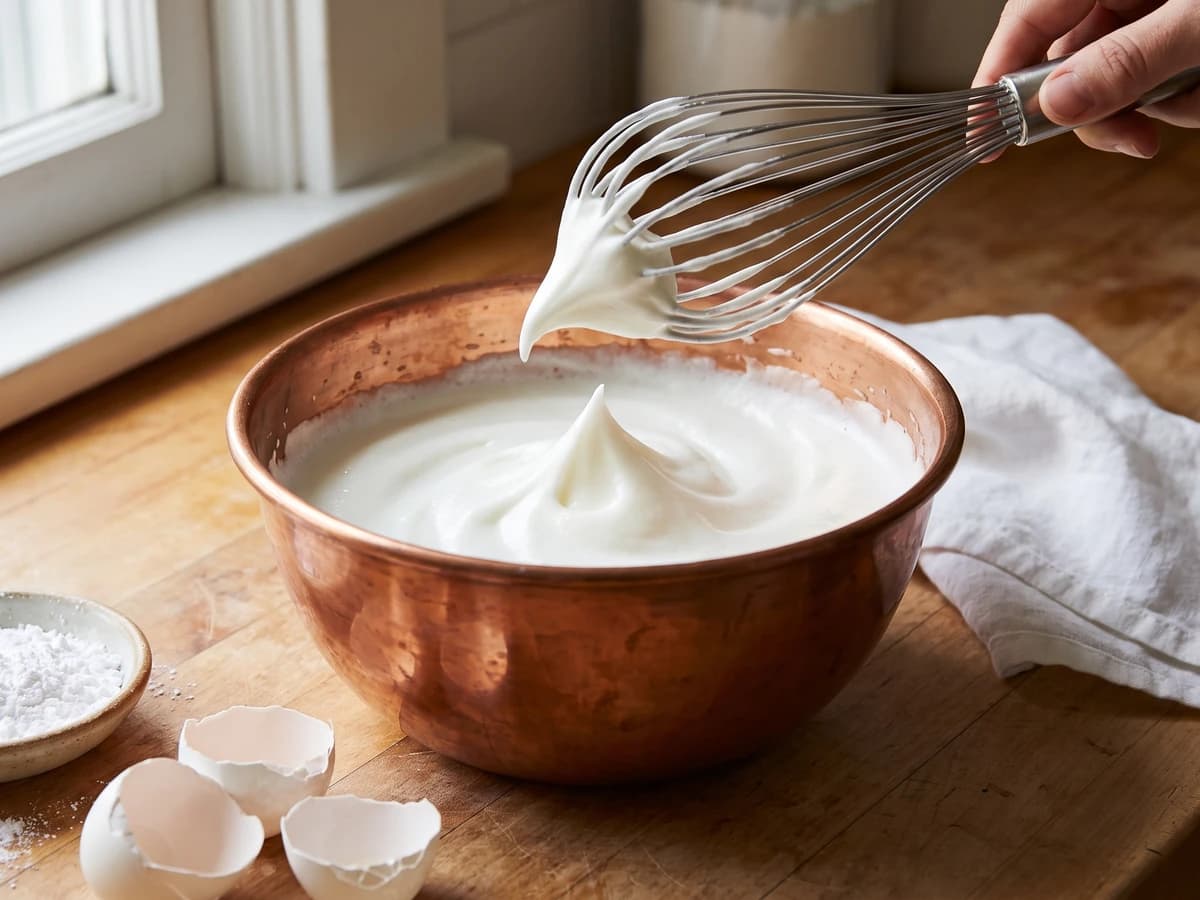
Four whites, one spotless bowl, and a patient change of speed: whisk gently until loosened, then briskly to glossy stiffness, with powdered sugar waiting if the foam begins to granulate.