
Chef Takumi
Agar Jelly with Anko and Fruit (あんみつ, Anmitsu)
Anmitsu looks like a tray of small tasks, but the work is calm: dissolve the kanten fully, chill the pieces clean, then let fruit, anko, and kuromitsu do the speaking.
A cooking platform built around craft, culture, and the stories behind what we eat.

Created by
Yuzu does the work here: winter citrus juice, a little sugar, and water frozen into fine ice that melts cleanly, with the fragrance left bright and nothing hidden.
Yuzu belongs to winter. When the fruit is at its prime, the peel smells floral before the knife even breaks the skin, and the juice carries a sharpness that lemon cannot quite imitate. This sherbet asks for very little: juice, sugar, water, and enough patience to freeze it properly.
The one detail that decides it is the syrup. Sugar is not only sweetness here, it's structure. Too little and the sherbet freezes hard as a doorstep, a useful object only if you dislike your spoon. Enough sugar keeps the ice fine and scoopable, so the yuzu melts clean on the tongue instead of cracking into frost.
We serve a cold sweet like this after a meal when the palate wants clearing, not decoration. Strain the juice so the texture stays clean, add a little zest only if the fruit is fresh and unblemished, and leave the bowl room. The fragrance is the dish. Don't crowd it.
Yuzu has been cultivated in Japan since at least the Nara period, after arriving from the Asian continent through China. Kochi Prefecture became especially known for yuzu production in the twentieth century, supplying juice and peel for ponzu, winter sweets, and seasonal preparations. The custom of using yuzu in winter is also seen in tōji, the winter solstice, when whole yuzu are floated in bathwater for their fragrance.
Quantity
1/2 cup
strained
Quantity
1 tablespoon
finely grated
Quantity
1/2 cup
Quantity
1 cup
Quantity
1 small pinch
| Ingredient | Quantity |
|---|---|
| fresh yuzu juicestrained | 1/2 cup |
| yuzu zest (optional)finely grated | 1 tablespoon |
| granulated sugar | 1/2 cup |
| water | 1 cup |
| sea salt | 1 small pinch |
Combine the sugar, water, and salt in a small saucepan. Warm over medium heat just until the sugar dissolves, stirring once or twice. Don't boil it hard. You only need a clear syrup, and boiling away water would make the finished sherbet too sweet and dense.
Pour the syrup into a bowl and let it cool to room temperature, then chill it until cold. Add yuzu juice to hot syrup and the fragrance dulls. Yuzu's aroma is quick to leave, so we protect it by mixing cold with cold.
Stir the strained yuzu juice into the cold syrup. Add the zest only if the fruit is fresh, clean, and unwaxed, because the peel carries both the perfume and any bitterness. Taste it now. It should be brighter and sweeter than you want the final sherbet, because freezing mutes both sweetness and acidity.
Pour the mixture into a shallow metal tray and freeze for 45 minutes. Scrape and stir the icy edges into the center with a fork, then return it to the freezer. Repeat every 30 minutes, three or four times, until the crystals are fine and the mixture holds softly together. Stirring breaks large ice sheets before they become stubborn.
Cover and freeze until firm, about 2 more hours. Before serving, let the sherbet sit at room temperature for 5 minutes, just long enough for a spoon to pass through cleanly. Scoop small portions into chilled bowls and finish with one thin strip of yuzu peel if you like.
1 serving (about 115g)
Culinary guides, cultural storytelling, and the editorial depth that makes cooking meaningful.
Discover Culinary ExplorerChef Takumi
Anmitsu looks like a tray of small tasks, but the work is calm: dissolve the kanten fully, chill the pieces clean, then let fruit, anko, and kuromitsu do the speaking.

Chef Takumi
A cool square of almond-scented milk, set softly and served with mikan in thin syrup, is dinner-party food without theater. The only stern demand is restraint with the fragrance.

Chef Takumi
Azuki bar asks for patience twice: once while the beans soften, and once while the frozen bar yields. That hardness is not a flaw. It is the character of the thing.
Chef Takumi
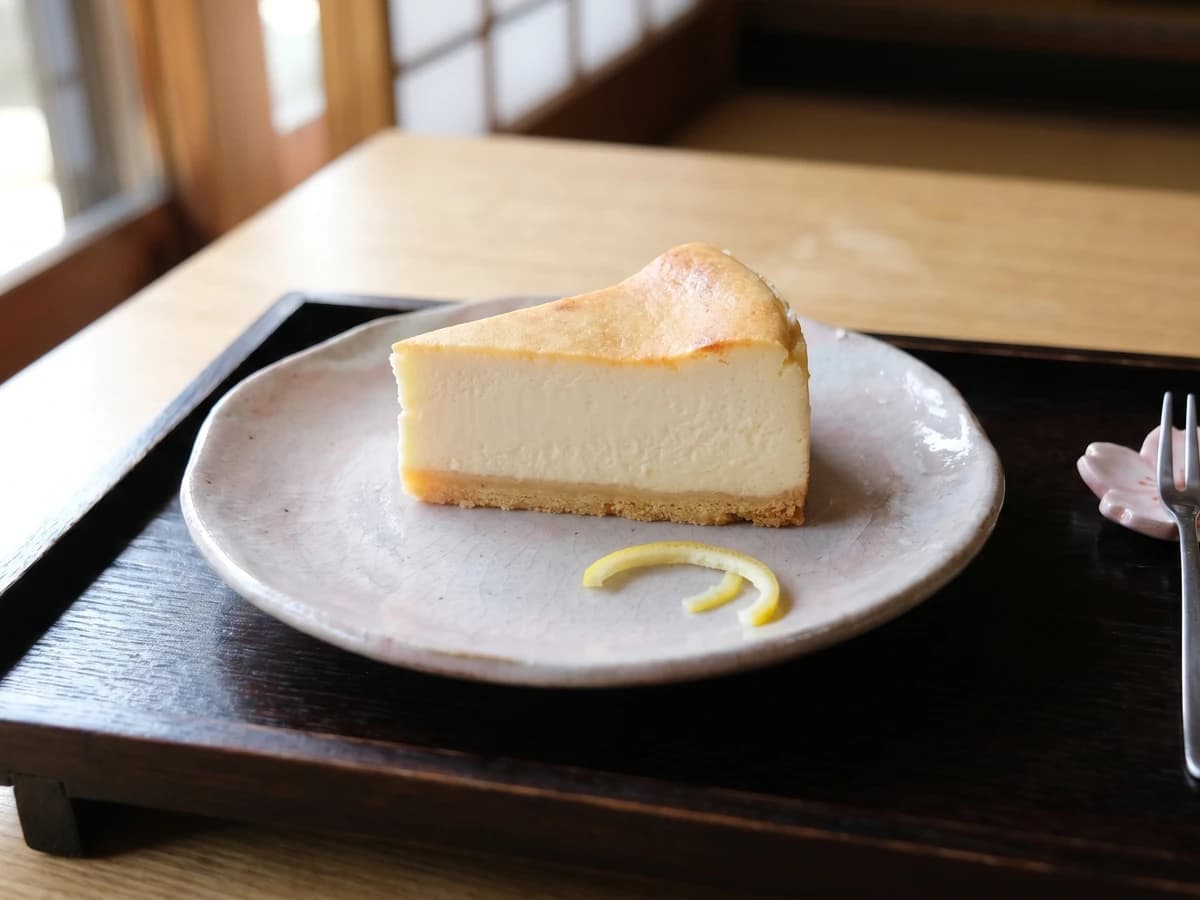
A Japanese baked cheesecake is not trying to float away. It is dense, smooth, and quietly tart, with a clean slice doing the work of decoration.