Chef Takumi
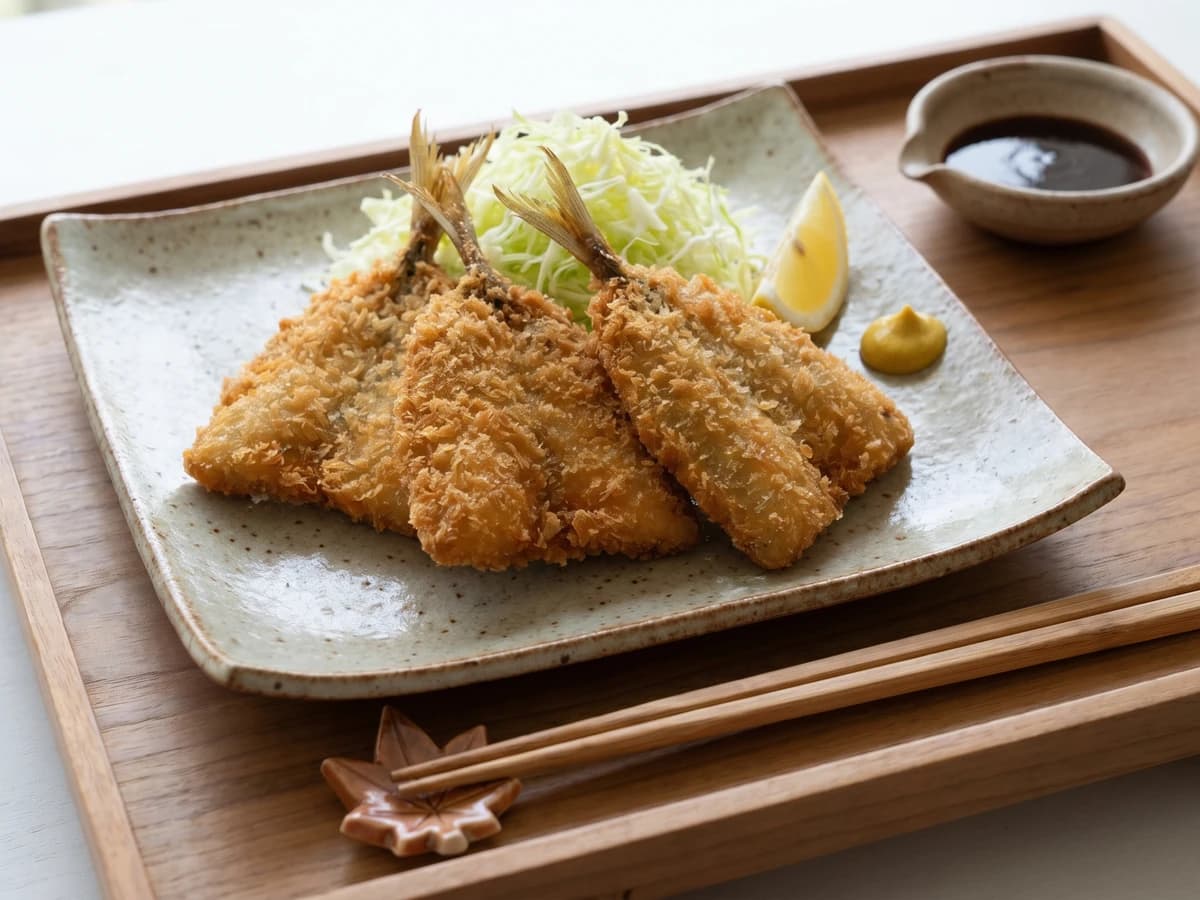
Aji Fry (アジフライ, panko-fried horse mackerel)
Aji fry is weeknight fish with no mystery: fresh horse mackerel opened cleanly, breaded lightly, and fried until the panko crackles while the flesh stays sweet.
A cooking platform built around craft, culture, and the stories behind what we eat.
Created by
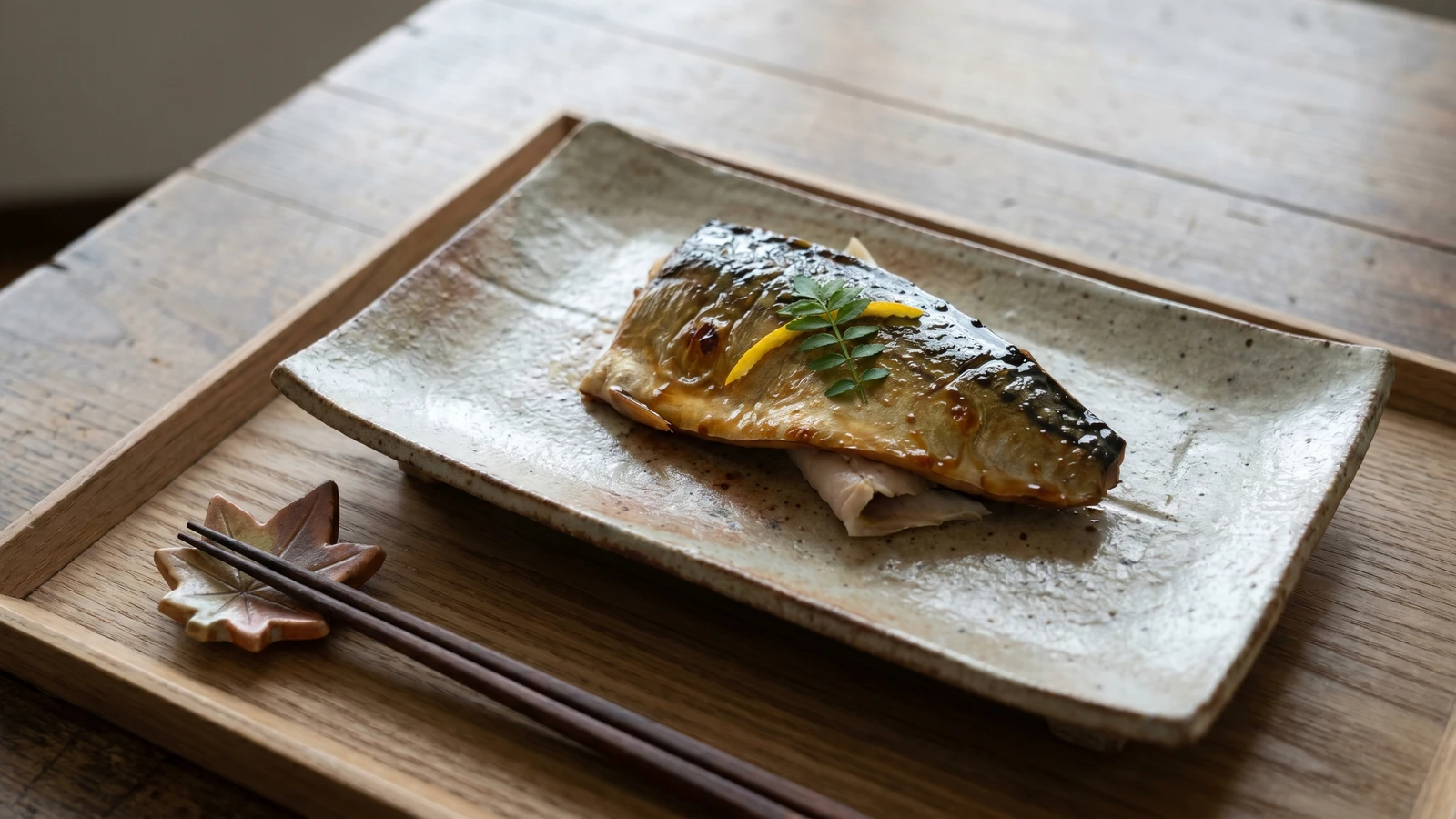
Sawara is a spring fish with soft flesh and a clean sweetness. Give it two days in Yūan tare, then grill it gently until the surface shines.
Sawara is called a spring fish right in its character: 鰆, fish beside spring. That isn't poetry pretending to be cooking. When sawara is at its prime, the flesh is pale, moist, and gentle enough to take seasoning without being swallowed by it. This is why Yūanyaki suits it so well.
The dish looks like ceremony, but the work is simple. Mix soy sauce, mirin, and sake in equal parts, add sliced yuzu, and let the fish rest in that tare. The two days matter because sawara is thick and mild. A short dip perfumes only the surface, while a patient soak seasons the flesh evenly and firms it just enough for the grill. Too long, though, and the soy begins to make the fish stern. We are seasoning, not curing a museum specimen.
The one detail that decides it is the grill. Wipe the marinade from the fish before cooking, then brush it back on in thin coats near the end. If the wet tare goes on too early, the sugar in the mirin burns before the fish is cooked. If it goes on late and lightly, it becomes a citrus-scented sheen. Nothing hidden, nothing heavy. Rice, soup, one vegetable dish, and this fish are enough for a composed meal.
Yūanyaki is generally linked to Kitamura Yūan, an Edo-period tea practitioner from Kyoto who is said to have favored a marinade of soy sauce, sake, mirin, and citrus. The method became part of the broader family of yaki-zakana, grilled fish dishes, especially for seasonal white-fleshed fish. Sawara has long been prized around western Japan, including the Seto Inland Sea, where its spring arrival gave the fish both its name and its place on the seasonal table.
Quantity
4 fillets (100 to 120g each)
Quantity
1 teaspoon
Quantity
1/2 cup
Quantity
1/2 cup
Quantity
1/2 cup
Quantity
1
thinly sliced, seeds removed
Quantity
a few thin strips
| Ingredient | Quantity |
|---|---|
| sawara (Japanese Spanish mackerel) fillets | 4 fillets (100 to 120g each) |
| fine sea salt | 1 teaspoon |
| shōyu (Japanese soy sauce) | 1/2 cup |
| mirin | 1/2 cup |
| sake | 1/2 cup |
| yuzuthinly sliced, seeds removed | 1 |
| yuzu peel (optional) | a few thin strips |
Pat the sawara dry and sprinkle both sides lightly with the salt. Rest it on a tray for 20 minutes, then wipe away the moisture that beads on the surface. This is not to make the fish salty. It draws out fishy surface moisture and tightens the flesh so the marinade enters cleanly.
Stir together the shōyu, mirin, and sake in equal parts until the mixture is even. Add the sliced yuzu. The soy seasons, the mirin gives gloss and quiet sweetness, and the sake keeps the finish lighter than soy alone. The yuzu perfumes the tare without turning it sharp.
Lay the fish in a shallow nonreactive container or a zip-top bag and pour in the tare with the yuzu slices. Press out excess air, cover, and refrigerate for 48 hours, turning the fish once or twice. The long rest seasons the thick fillets evenly, but keep them cold and submerged so the flavor stays clean.
Lift the fish from the tare and wipe it nearly dry. Strain and reserve a little marinade for brushing, then discard the rest. Let the fillets sit at cool room temperature for 15 minutes while you heat the grill or broiler. Wiping matters because wet mirin burns quickly; a dry surface cooks first, then takes on gloss.
Oil the grill grate or line a broiler pan with foil. Grill skin-side first over medium heat, or broil 5 to 6 inches from the heat, until the edges turn opaque and the surface begins to color. Turn carefully and cook until the flesh flakes in broad, moist layers, about 8 to 12 minutes total depending on thickness.
During the last 2 minutes, brush on a thin coat of the reserved tare, let it set, then brush once more. Keep the coats thin. You want a soy-dark lacquer-like sheen with the scent of yuzu, not a blackened sugar crust. Serve with a strip of fresh yuzu peel.
1 serving (about 115g)
Culinary guides, cultural storytelling, and the editorial depth that makes cooking meaningful.
Discover Culinary ExplorerChef Takumi
Aji fry is weeknight fish with no mystery: fresh horse mackerel opened cleanly, breaded lightly, and fried until the panko crackles while the flesh stays sweet.
Chef Takumi
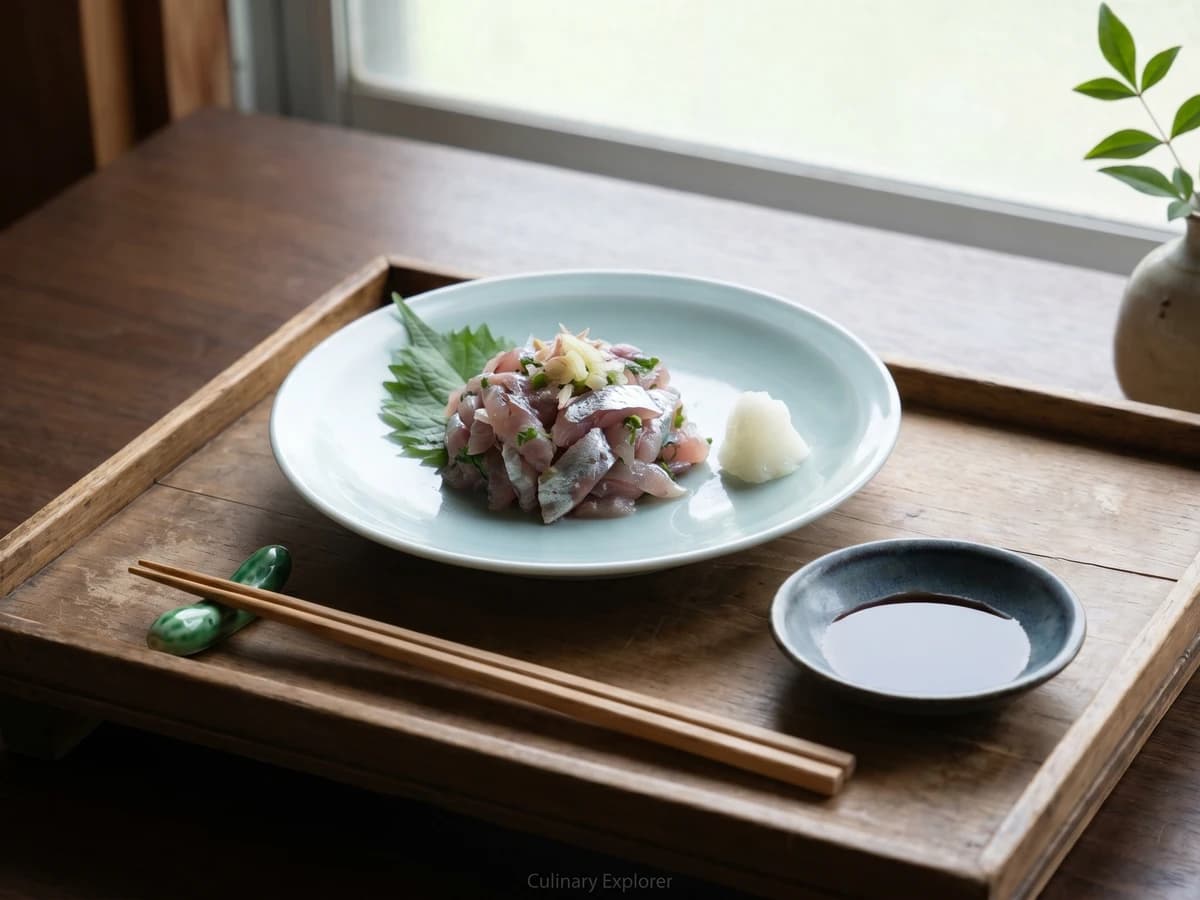
Summer horse mackerel, chopped just enough to catch ginger and scallion, becomes a cool, clean main dish with rice. The secret is fresh fish and a knife that does not bruise it.

Chef Takumi
Akashi-yaki is not sauced takoyaki. It is egg-rich batter, tender octopus, and clear dashi, cooked pale and soft so each ball can be dipped like a small custard dumpling.
Chef Takumi
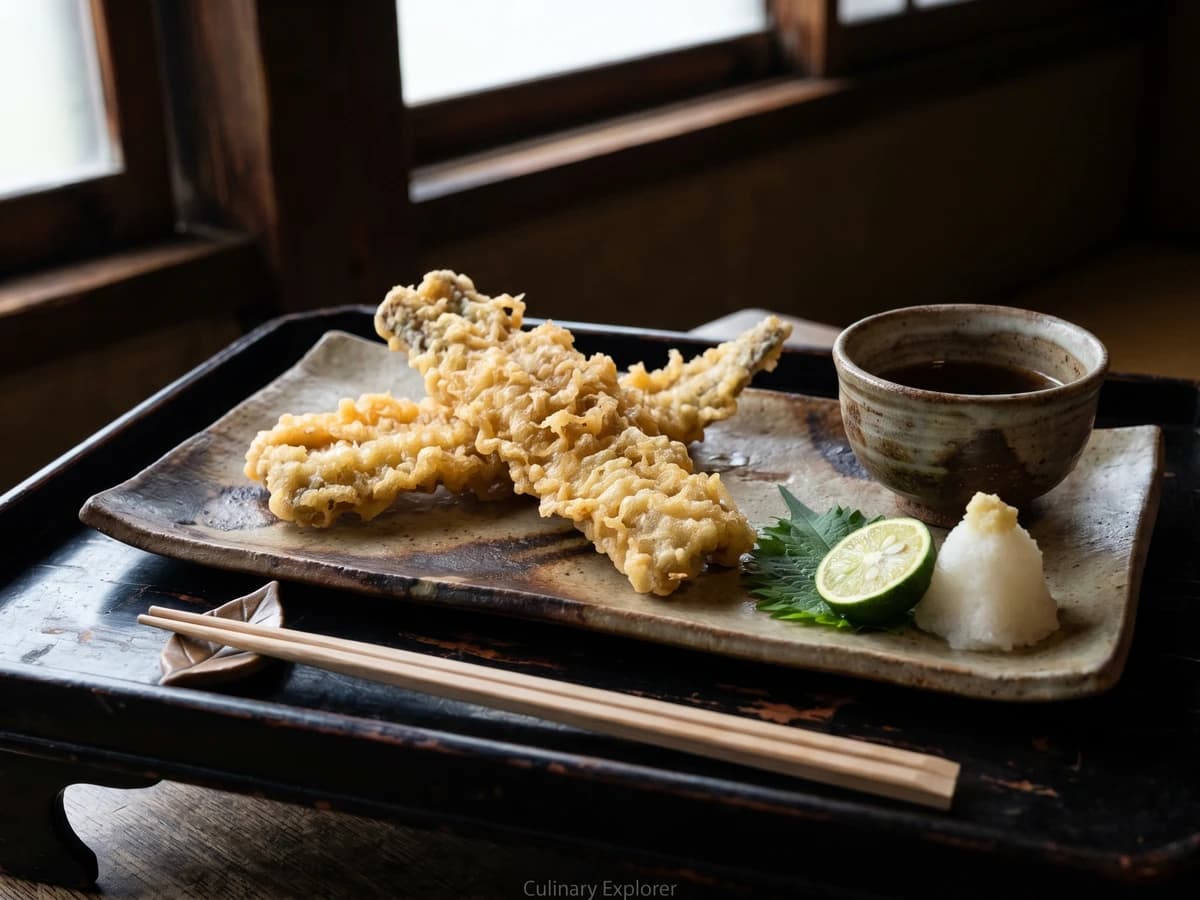
A whole anago looks like a test of nerve. It is mostly good sourcing, a dry skin, cold batter, and oil hot enough to leave the eel sweet under its lace.