Chef Takumi
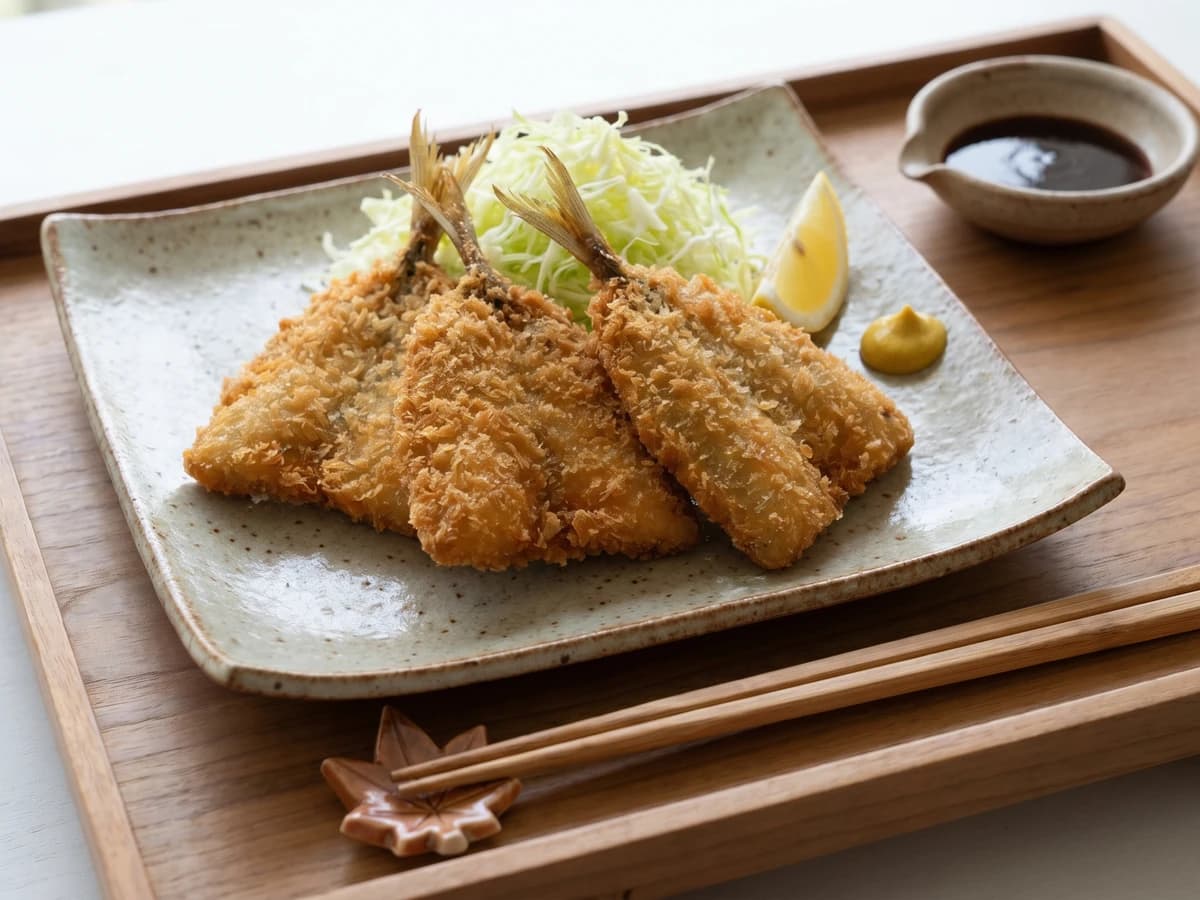
Aji Fry (アジフライ, panko-fried horse mackerel)
Aji fry is weeknight fish with no mystery: fresh horse mackerel opened cleanly, breaded lightly, and fried until the panko crackles while the flesh stays sweet.
A cooking platform built around craft, culture, and the stories behind what we eat.

Created by
Yokote yakisoba is weeknight food with one local insistence: straight noodles, glossy sweet sauce, a soft egg on top, and red fukujinzuke pickle beside it.
The egg tells you this is Yokote. Not a sprinkle, not a clever finish, but a soft-yolk fried egg laid over glossy noodles so you can break it at the table. The yolk runs into the sauce and rounds its sweetness, which is why we don't treat it as decoration. It is part of the seasoning.
Yakisoba can make people nervous because it happens quickly in a pan. This one is kinder than it looks. The first secret is not speed, it's order: brown the pork, soften the cabbage, warm the straight noodles with a little dashi, then sauce them only long enough to shine. Sauce too early and the noodles go dull and sticky. Sauce at the end and they stay springy, with nothing hidden under heaviness.
Yokote's version asks for straight, thick noodles rather than the curly steamed noodles many people know. Use them if you can find them. If not, fresh chūka-men, the wheat noodles used for ramen, are the sensible stand-in, rinsed briefly and loosened before they touch the pan. The dish belongs to an everyday table, a comfort bowl from Akita made plain enough for a tired evening and particular enough to be honmono. Put the fukujinzuke on the side. Its sweet pickle snap keeps the whole plate awake.
Yokote yakisoba developed in Yokote, Akita Prefecture, in the years after World War II as an inexpensive local snack, and by the 1950s its straight noodles, sweet sauce, fried egg, and fukujinzuke had become its recognizable form. The dish is maintained locally by the Yokote Yakisoba Norenkai, a group that promotes standards among participating shops. It became nationally known after winning the gold prize at the B-1 Grand Prix in 2009, a competition devoted to regional everyday dishes.
Quantity
2 portions (about 300g total)
Quantity
120g
Quantity
2 cups
cut into 1-inch pieces
Quantity
1/2 small
thinly sliced
Quantity
2 tablespoons
divided
Quantity
1/4 cup
Quantity
3 tablespoons
Quantity
1 tablespoon
Quantity
1 tablespoon
Quantity
1 teaspoon
Quantity
2
Quantity
1/3 cup
for serving
Quantity
a pinch
for finishing
| Ingredient | Quantity |
|---|---|
| fresh straight yakisoba noodles or fresh chuka-men | 2 portions (about 300g total) |
| ground pork | 120g |
| cabbagecut into 1-inch pieces | 2 cups |
| onionthinly sliced | 1/2 small |
| neutral oildivided | 2 tablespoons |
| dashi | 1/4 cup |
| Worcestershire-style chuno sauce | 3 tablespoons |
| soy sauce | 1 tablespoon |
| mirin | 1 tablespoon |
| sugar | 1 teaspoon |
| large eggs | 2 |
| fukujinzuke picklefor serving | 1/3 cup |
| aonori (optional)for finishing | a pinch |
Stir together the chuno sauce, soy sauce, mirin, sugar, and dashi. Taste it now. It should be sweet-salty and a little stronger than you want the finished noodles to be, because the cabbage and egg will soften it.
If the noodles are tight or starchy, rinse them briefly under warm water and drain well. You are separating the strands, not washing away their character. Loose noodles meet the pan evenly and take the sauce without tearing.
Heat 1 tablespoon of oil in a wide frying pan or teppan over medium-high heat. Add the ground pork and spread it out so it browns before it steams in its own juices. Cook until the edges smell savory and the pink is gone.
Add the onion and cabbage and stir-fry until the cabbage turns glossy and bends at the edges, about 2 minutes. Keep a little crunch. The vegetables should sweeten the noodles, not disappear into them.
Add the noodles and toss them through the pork and cabbage. Pour in 2 tablespoons of the mixed sauce and let the noodles warm and loosen, using chopsticks or tongs to lift rather than mash. Lifting keeps the strands whole.
Pour in the remaining sauce and toss for 1 to 2 minutes, just until the noodles are evenly coated and glossy. Stop before the pan turns dry. Yokote yakisoba should look lacquered, not scorched.
In a separate small pan, heat the remaining 1 tablespoon oil over medium heat. Crack in the eggs and fry until the whites are set and the yolks are still soft. The yolk is meant to break into the noodles, so don't cook it hard unless you must.
Mound the noodles on two plates with a little height, set one egg on each, and spoon fukujinzuke alongside. Finish with a small pinch of aonori if you like. Eat by breaking the yolk through the top first, then taking a little pickle with every few bites.
1 serving (about 410g)
Culinary guides, cultural storytelling, and the editorial depth that makes cooking meaningful.
Discover Culinary ExplorerChef Takumi
Aji fry is weeknight fish with no mystery: fresh horse mackerel opened cleanly, breaded lightly, and fried until the panko crackles while the flesh stays sweet.
Chef Takumi
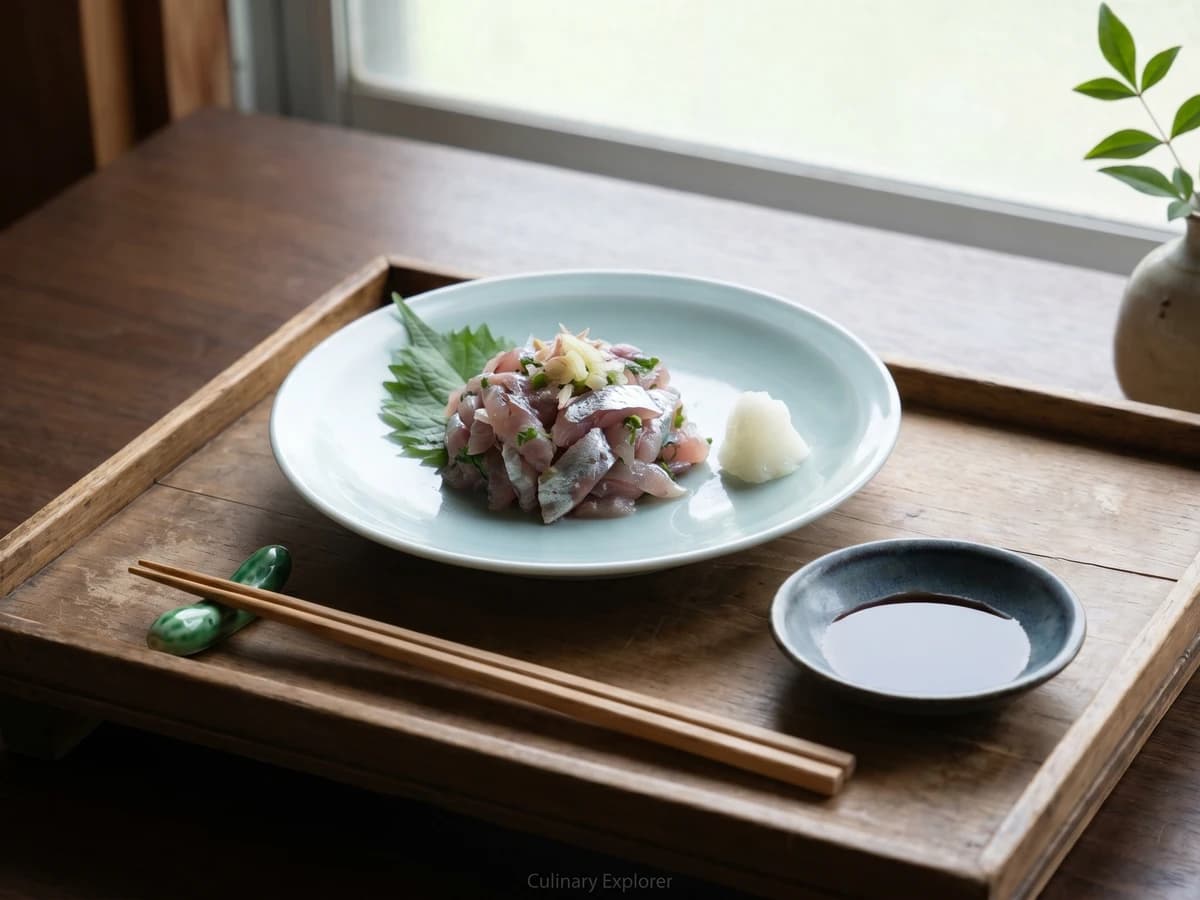
Summer horse mackerel, chopped just enough to catch ginger and scallion, becomes a cool, clean main dish with rice. The secret is fresh fish and a knife that does not bruise it.

Chef Takumi
Akashi-yaki is not sauced takoyaki. It is egg-rich batter, tender octopus, and clear dashi, cooked pale and soft so each ball can be dipped like a small custard dumpling.
Chef Takumi
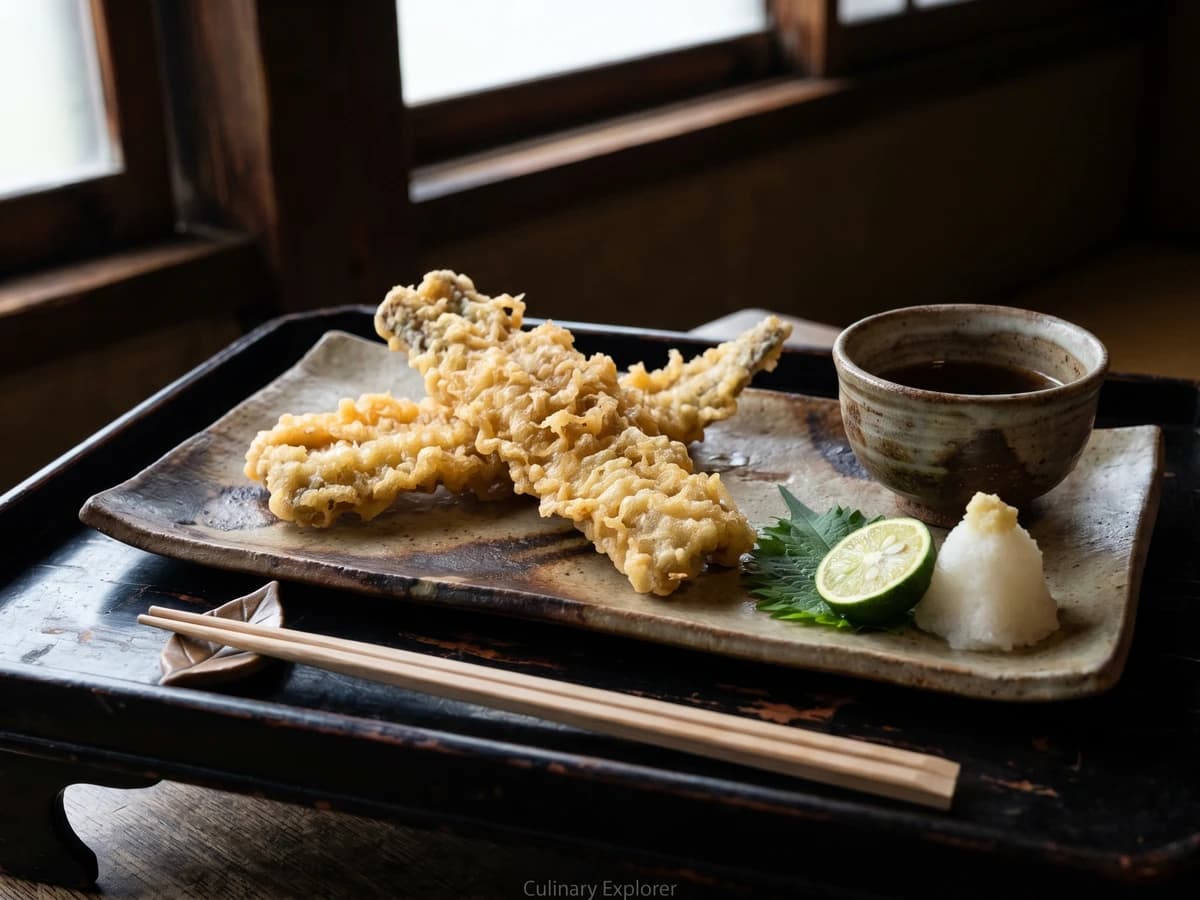
A whole anago looks like a test of nerve. It is mostly good sourcing, a dry skin, cold batter, and oil hot enough to leave the eel sweet under its lace.