
Chef Dean
Samosas with Mint Chutney
Shatteringly crisp pastry wrapped around warmly spiced potatoes and sweet peas, served alongside a bright, herbaceous mint chutney that cuts through the richness with electric green freshness.
A cooking platform built around craft, culture, and the stories behind what we eat.
Created by
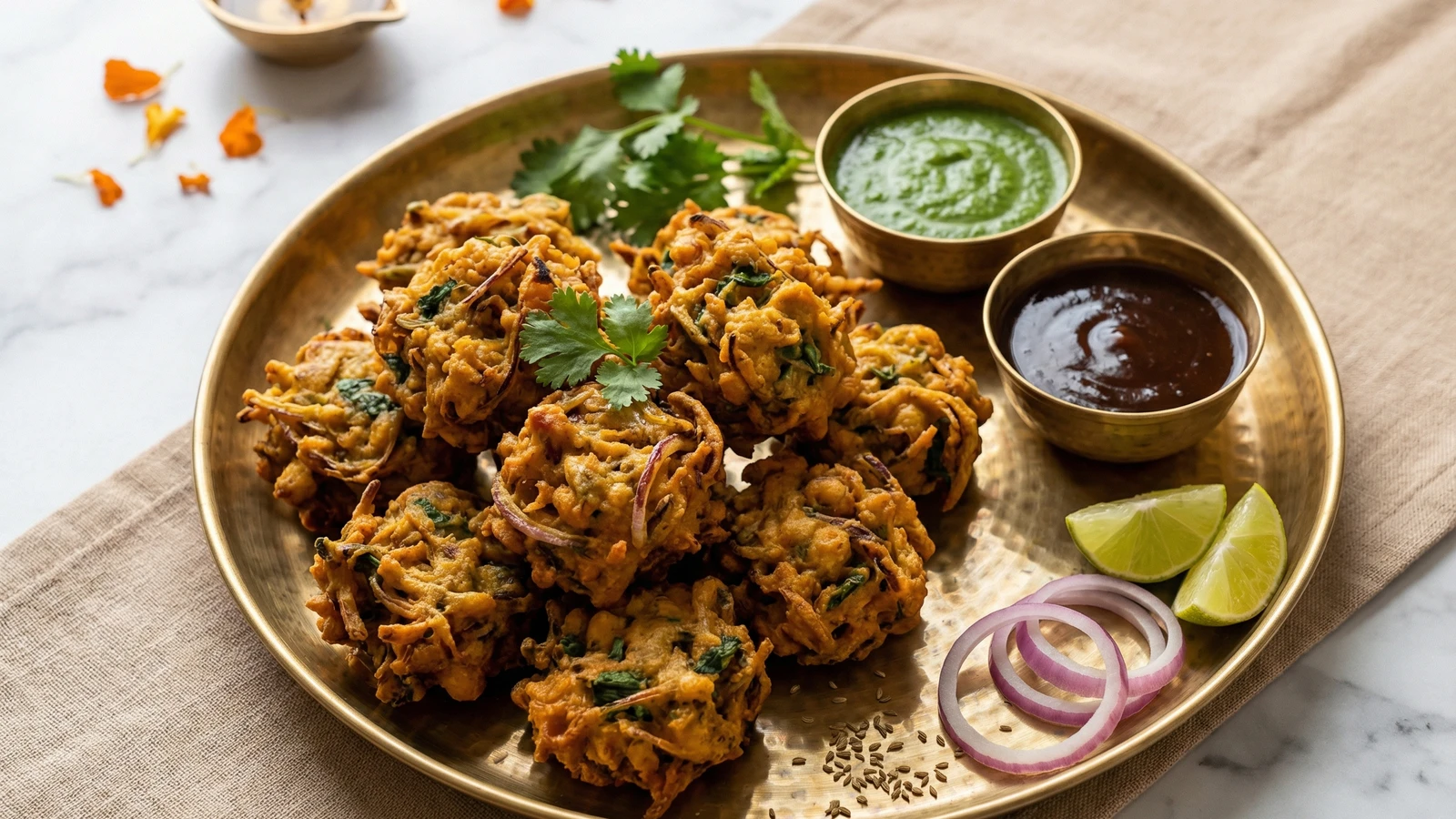
Golden, shatteringly crisp fritters bursting with onion, spinach, and warm spices, wrapped in a seasoned chickpea batter that fries to an honest crunch. This is celebration food meant for sharing.
Every cuisine has its fritter. The Italians have their zucchini blossoms. The Japanese, tempura. The American South, hush puppies. But for sheer aromatic complexity and textural satisfaction, I've yet to encounter anything that rivals a properly made pakora. These Indian fritters represent centuries of culinary wisdom, and they deserve your full attention.
During Diwali, the Festival of Lights, pakoras appear on tables across India and in Indian homes around the world. They're the sound of celebration itself: that insistent sizzle of batter hitting hot oil, the crackle when you bite through. Families gather in kitchens, frying batch after batch while guests arrive. The aroma of cumin and ajwain announces the feast before anyone sees the table.
The secret to great pakoras lives in three places: the batter's consistency, the oil's temperature, and the courage to season boldly. Your chickpea flour mixture should coat vegetables like heavy cream clings to a spoon. Your oil must maintain steady heat. And your spices should make you think twice before adding more, then add them anyway. Timidity has no place here.
I've adapted this recipe for American home cooks preparing for gatherings. The batter holds beautifully for several hours. The vegetables can be prepped in advance. And with the right technique, you'll produce pakoras as crisp and golden as any from a street vendor in Mumbai.
Quantity
2 cups
Quantity
1/4 cup
Quantity
1 teaspoon
Quantity
1 teaspoon
Quantity
1 teaspoon
Quantity
1 teaspoon
Quantity
1/2 teaspoon
Quantity
1/2 teaspoon
Quantity
1/2 teaspoon
Quantity
1/4 teaspoon
Quantity
3/4 to 1 cup
Quantity
2 medium
halved and thinly sliced
Quantity
2 cups
roughly chopped
Quantity
1 medium
peeled and grated
Quantity
2
seeded and minced
Quantity
1/4 cup
chopped
Quantity
1 tablespoon
grated
Quantity
about 4 cups
Quantity
for finishing
| Ingredient | Quantity |
|---|---|
| chickpea flour (besan) | 2 cups |
| rice flour | 1/4 cup |
| baking powder | 1 teaspoon |
| fine sea salt | 1 teaspoon |
| ground cumin | 1 teaspoon |
| ground coriander | 1 teaspoon |
| ground turmeric | 1/2 teaspoon |
| cayenne pepper | 1/2 teaspoon |
| ajwain seeds (carom seeds) | 1/2 teaspoon |
| garam masala | 1/4 teaspoon |
| cold water | 3/4 to 1 cup |
| yellow onionshalved and thinly sliced | 2 medium |
| fresh spinachroughly chopped | 2 cups |
| russet potatopeeled and grated | 1 medium |
| serrano peppersseeded and minced | 2 |
| fresh cilantrochopped | 1/4 cup |
| fresh gingergrated | 1 tablespoon |
| vegetable oil for frying | about 4 cups |
| flaky sea salt (optional) | for finishing |
Whisk together the chickpea flour, rice flour, baking powder, salt, cumin, coriander, turmeric, cayenne, ajwain, and garam masala in a large bowl. The rice flour is your secret weapon here. It creates additional crispness that chickpea flour alone cannot achieve. Make sure no lumps remain. The spices should distribute evenly throughout, turning the flour a pale gold with flecks of green and rust.
Add the cold water gradually, starting with three-quarters cup. Whisk until smooth. The consistency you're after resembles thick pancake batter or heavy cream. It should coat the back of a spoon and fall in a lazy ribbon when you lift the whisk. Too thin and your coating will be anemic. Too thick and the vegetables won't cook through before the exterior burns. Add more water by the tablespoon if needed.
Squeeze the grated potato firmly in a clean kitchen towel to extract as much moisture as possible. Water is the enemy of crisp frying. In a separate bowl, combine the sliced onions, chopped spinach, squeezed potato, minced serranos, cilantro, and ginger. Toss with your hands to distribute everything evenly. The onions should separate into individual strands, not clumps.
Add the vegetable mixture to the batter. Fold together with a spatula or your hands until every strand and leaf wears a coat of spiced batter. The mixture should look shaggy and abundant, more vegetable than batter. This isn't a smooth dumpling situation. You want each pakora to be an irregular tangle of coated vegetables that will fry into a lacy, craggy exterior.
Pour oil into a heavy-bottomed Dutch oven or deep skillet to a depth of three inches. Heat over medium-high until it reaches 350°F on a deep-fry thermometer. This temperature is non-negotiable. Too cool and your pakoras absorb oil, becoming greasy and leaden. Too hot and the exterior chars while the interior stays raw. The oil should shimmer and a small drop of batter should sizzle immediately, rising to the surface within seconds.
Working in batches of five or six, use a tablespoon or small ice cream scoop to drop mounds of the vegetable mixture into the hot oil. Don't crowd the pot. Overcrowding drops the oil temperature and creates soggy pakoras. Fry for three to four minutes, turning once or twice with a slotted spoon, until deep golden brown on all sides. Listen for the sizzle to change from aggressive to steady. That's when you know they're nearly done.
Transfer finished pakoras to a wire rack set over a sheet pan. Not paper towels. Paper towels trap steam against the bottom and destroy the crispness you just worked to create. Hit them immediately with a pinch of flaky sea salt while the surface is still tacky enough to hold it. Continue frying in batches, allowing the oil to return to 350°F between rounds.
For gatherings, keep finished pakoras warm in a 200°F oven on a rack-lined sheet pan while you fry the remaining batches. They'll hold for 20 to 30 minutes without losing their crunch. Serve hot with bowls of mint chutney and tamarind chutney for dipping. Arrange them on a large platter and watch them disappear. Tradition holds that pakoras taste best eaten standing in the kitchen, stolen directly from the draining rack. I've found no evidence to contradict this.
1 serving (about 65g)
Culinary guides, cultural storytelling, and the editorial depth that makes cooking meaningful.
Discover Culinary ExplorerChef Dean
Shatteringly crisp pastry wrapped around warmly spiced potatoes and sweet peas, served alongside a bright, herbaceous mint chutney that cuts through the richness with electric green freshness.

Chef Juliette
Tiny éperlans, lightly floured and fried until their tails stand crisp, arrive in a generous heap on a napkin with fried parsley and grooved lemon, a weeknight lesson in heat and restraint.

Chef Juliette
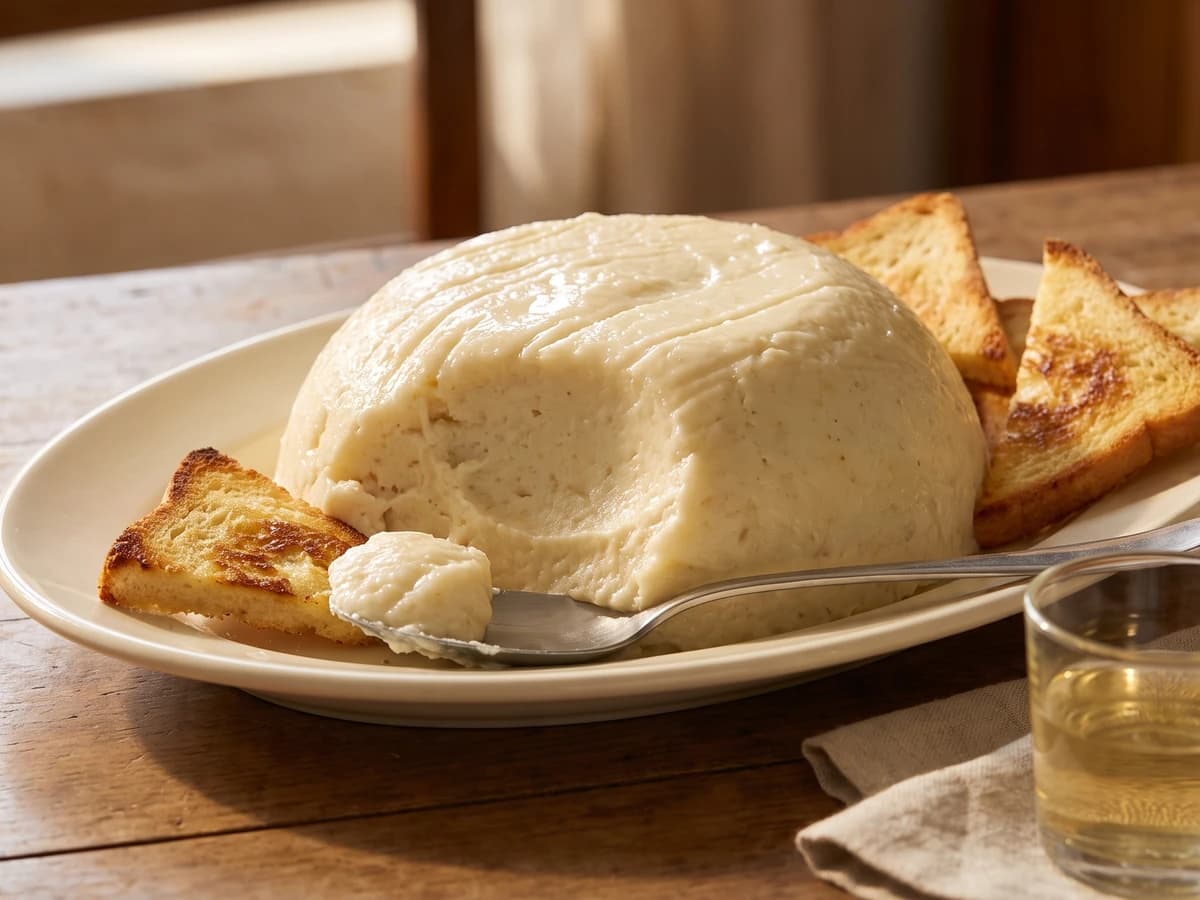
Brandade de Morue turns salt cod, warm olive oil, and milk into a pale, silky emulsion: keep everything warm and add the oil slowly, then crown the generous dome with butter-fried bread.
Chef Juliette
Salt cod worked warm with cream, one patient spoonful at a time, until the rough flakes become a glossy Nîmes paste, domed generously and ringed with butter-fried croutons for the table.