Chef Takumi
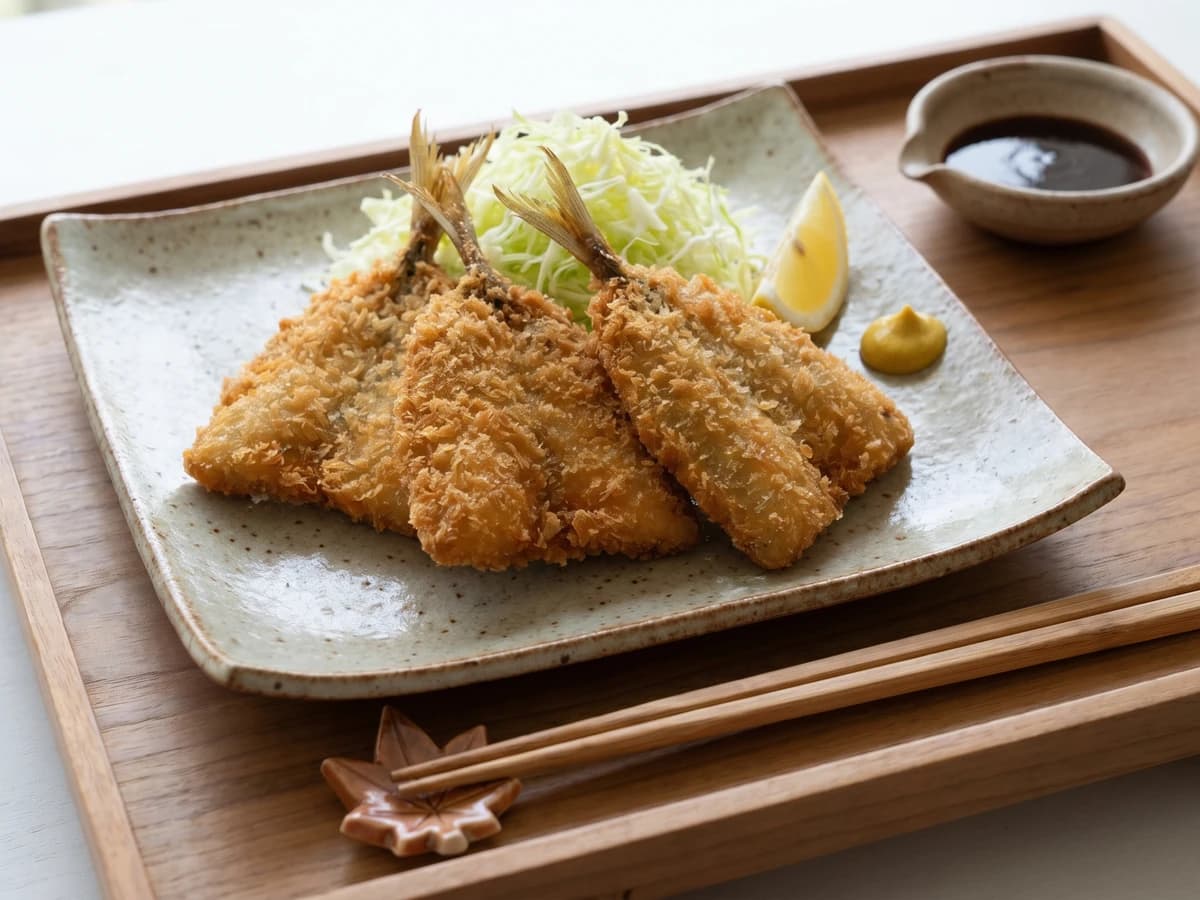
Aji Fry (アジフライ, panko-fried horse mackerel)
Aji fry is weeknight fish with no mystery: fresh horse mackerel opened cleanly, breaded lightly, and fried until the panko crackles while the flesh stays sweet.
A cooking platform built around craft, culture, and the stories behind what we eat.

Created by
Unajū looks formal because the box is formal. The work itself is simple: good eel, patient glaze, hot rice, and the nerve to stop before the tare turns heavy.
Unajū can look like ceremony trapped in lacquer: the red-black box, the shine of the eel, the price that makes people lower their voices. Don't let the box bully you. The cooking asks for only three honest things: eel worth grilling, hot rice, and tare reduced until it coats without smothering.
The one detail that decides the dish is the glaze. Brush the tare on in thin layers, then let the grill tighten each layer before the next one goes on. Too little and the eel tastes plain. Too much and the sugar scorches, the sauce turns sticky, and you've buried the fish under sweetness. We want lacquer, not syrup. There is a difference, and your nose will tell you before your pride does.
Sourcing comes first here. Buy freshwater eel, unagi, already cleaned and butterflied by someone who knows the work; raw eel blood is harmful, so this is not the fish for heroic home butchery. If fresh eel is out of reach, a good frozen kabayaki from a Japanese market is a sensible stand-in. Warm it carefully and refresh it with your own tare. That is still the dish's spirit. Another fish under eel sauce is not.
Eel has a funny season story. Wild eel grows rich toward the cold months, yet unajū belongs to high summer by custom, especially Doyō-no-Ushi no Hi, when people eat eel for strength against the heat. Both truths can sit in the same box. Rice below, eel in the middle, rice again, eel shining on top. Leave it room, close the lid for a minute, and let the fragrance gather.
Kabayaki eel over rice became an urban specialty in Edo, and the lacquered jūbako box gave unajū a more formal bearing than unadon, the bowl version. The summer custom of eating eel on Doyō-no-Ushi no Hi is commonly linked to the Edo-period scholar Hiraga Gennai, who is said to have helped an eel seller advertise the dish on the Ox Day, though the story survives more as culinary folklore than firm record. Regional style still divides Japan: Kantō cooks usually split eel from the back, grill, steam, then glaze, while Kansai cooks often split from the belly and grill more directly.
Quantity
2 fillets (about 250-300g total)
cleaned, butterflied, skin on
Quantity
2 fillets
Quantity
1 1/2 rice-cooker cups (about 225g)
Quantity
to the 1 1/2-cup rice-cooker mark, or 300ml
Quantity
1/2 cup
Quantity
1/2 cup
Quantity
1/4 cup
Quantity
3 tablespoons
preferably zarame or light brown sugar
Quantity
as available
cleaned, rinsed, and patted dry
Quantity
1 teaspoon
for the grill grate or foil
Quantity
for serving
| Ingredient | Quantity |
|---|---|
| freshwater eel fillets (unagi)cleaned, butterflied, skin on | 2 fillets (about 250-300g total) |
| prepared unagi kabayaki fillets (optional) | 2 fillets |
| Japanese short-grain rice | 1 1/2 rice-cooker cups (about 225g) |
| water | to the 1 1/2-cup rice-cooker mark, or 300ml |
| koikuchi shōyu (dark Japanese soy sauce) | 1/2 cup |
| mirin | 1/2 cup |
| sake | 1/4 cup |
| sugarpreferably zarame or light brown sugar | 3 tablespoons |
| eel bones and head (optional)cleaned, rinsed, and patted dry | as available |
| neutral oilfor the grill grate or foil | 1 teaspoon |
| powdered sanshō (optional) | for serving |
Rinse the short-grain rice in several changes of water, swishing with your fingers, until the water turns almost clear. Drain it well and let it sit for 20 minutes before cooking. Washing removes loose surface starch so the grains cook cleanly, and the short rest lets moisture settle into the center instead of leaving the outside soft and the middle firm.
Cook the rice with the measured water in a rice cooker, or bring it to a boil in a heavy covered pot, lower the heat, cook 12 minutes, then rest off the heat for 10 minutes without lifting the lid. That rest is not politeness for the pot. It lets the steam finish the grains evenly, which matters because unajū needs rice that can hold tare without collapsing.
If you have eel bones and head, brown them under the broiler or over a grill until the edges color and smell roasted, 4 to 6 minutes. Put the shōyu, mirin, sake, sugar, and browned bones in a small saucepan. Simmer gently until glossy and reduced to about 2/3 cup, 15 to 20 minutes, then strain. The bones give depth, the alcohol softens and cooks away, and the reduction turns a thin seasoning into a glaze that clings.
Pat the cleaned eel dry and cut each fillet into pieces that fit your lacquered box. Do not rinse the flesh under running water now; water dulls the surface and makes browning harder. If you're using prepared kabayaki, thaw it overnight in the refrigerator and go to the final glazing step.
Heat a charcoal grill, gas grill, or broiler to medium-high and lightly oil the grate or foil. Grill the eel plain first, skin-side down, until the skin tightens and small beads of fat appear, then turn and cook the flesh side until lightly colored. This first grilling firms the eel and wakes up the fat before any sugar touches the heat.
Set the plain-grilled eel in a steamer, skin-side down, and steam gently for 8 to 10 minutes, until the fillets feel supple when lifted. This is the Kantō way: grill, steam, then glaze. The steaming renders fat and softens the flesh, so the final grill can focus on shine and aroma instead of forcing the eel to cook through under a sugary sauce.
Return the eel to the grill or broiler. Brush a thin layer of tare over the flesh, cook 1 to 2 minutes until glossy, then brush again. Repeat three or four times, turning once if needed, until the surface is soy-dark and lacquer-like with a few browned edges. Thin coats build flavor cleanly. Thick coats burn, and burnt sugar is a loud seasoning.
Spoon a shallow layer of hot rice into each lacquered jūbako, then brush or drizzle lightly with tare. Lay one smaller piece of eel over the rice, add a second layer of rice, season that rice lightly, and place the best glazed eel piece on top. This middle piece, naka-ire, makes the box feel generous without piling food high. The rice should be seasoned, not soaked.
Close the lid for one minute before serving. The brief rest lets the fragrance of hot rice, eel fat, and tare gather inside the box. Offer powdered sanshō at the table and use it lightly after the first bite; its citrusy bite cuts the richness without covering the eel.
1 serving (about 490g)
Culinary guides, cultural storytelling, and the editorial depth that makes cooking meaningful.
Discover Culinary ExplorerChef Takumi
Aji fry is weeknight fish with no mystery: fresh horse mackerel opened cleanly, breaded lightly, and fried until the panko crackles while the flesh stays sweet.
Chef Takumi
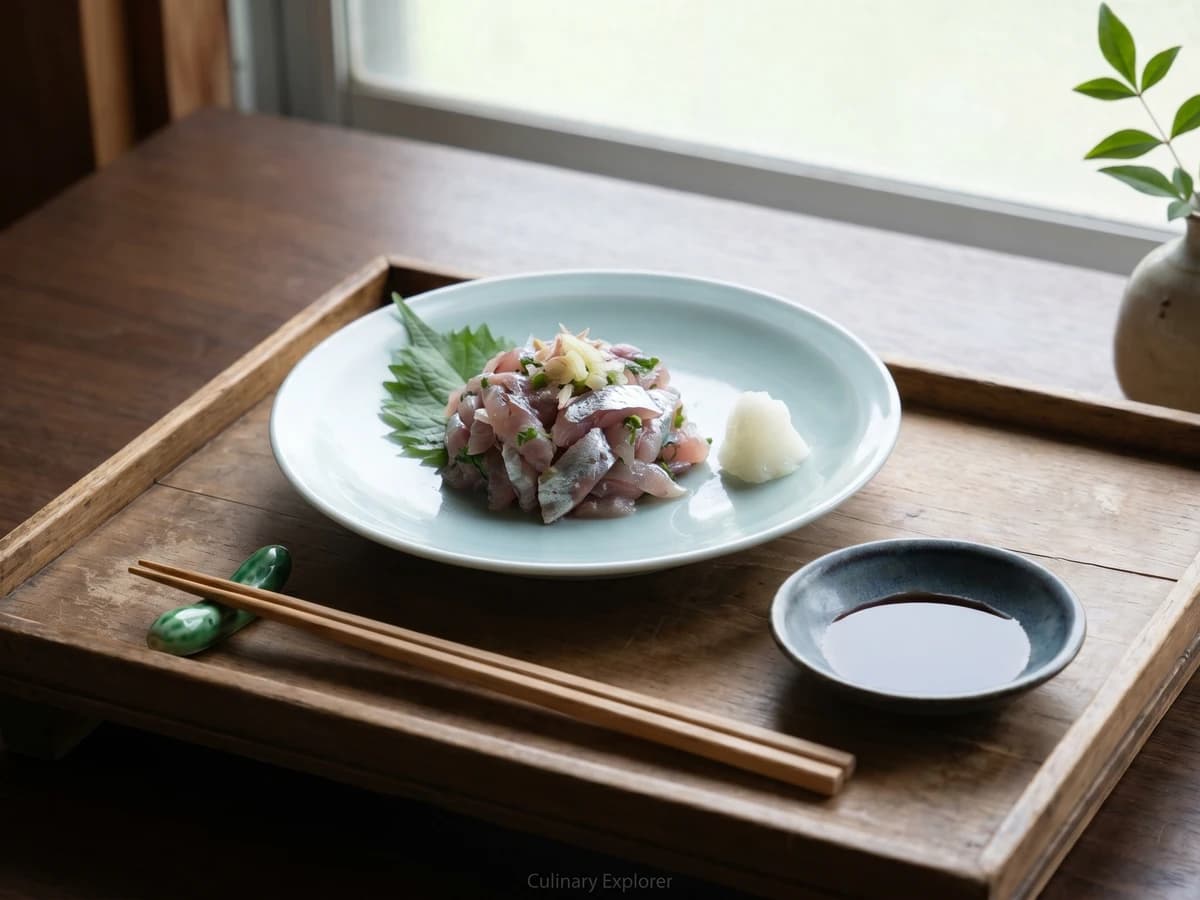
Summer horse mackerel, chopped just enough to catch ginger and scallion, becomes a cool, clean main dish with rice. The secret is fresh fish and a knife that does not bruise it.

Chef Takumi
Akashi-yaki is not sauced takoyaki. It is egg-rich batter, tender octopus, and clear dashi, cooked pale and soft so each ball can be dipped like a small custard dumpling.
Chef Takumi
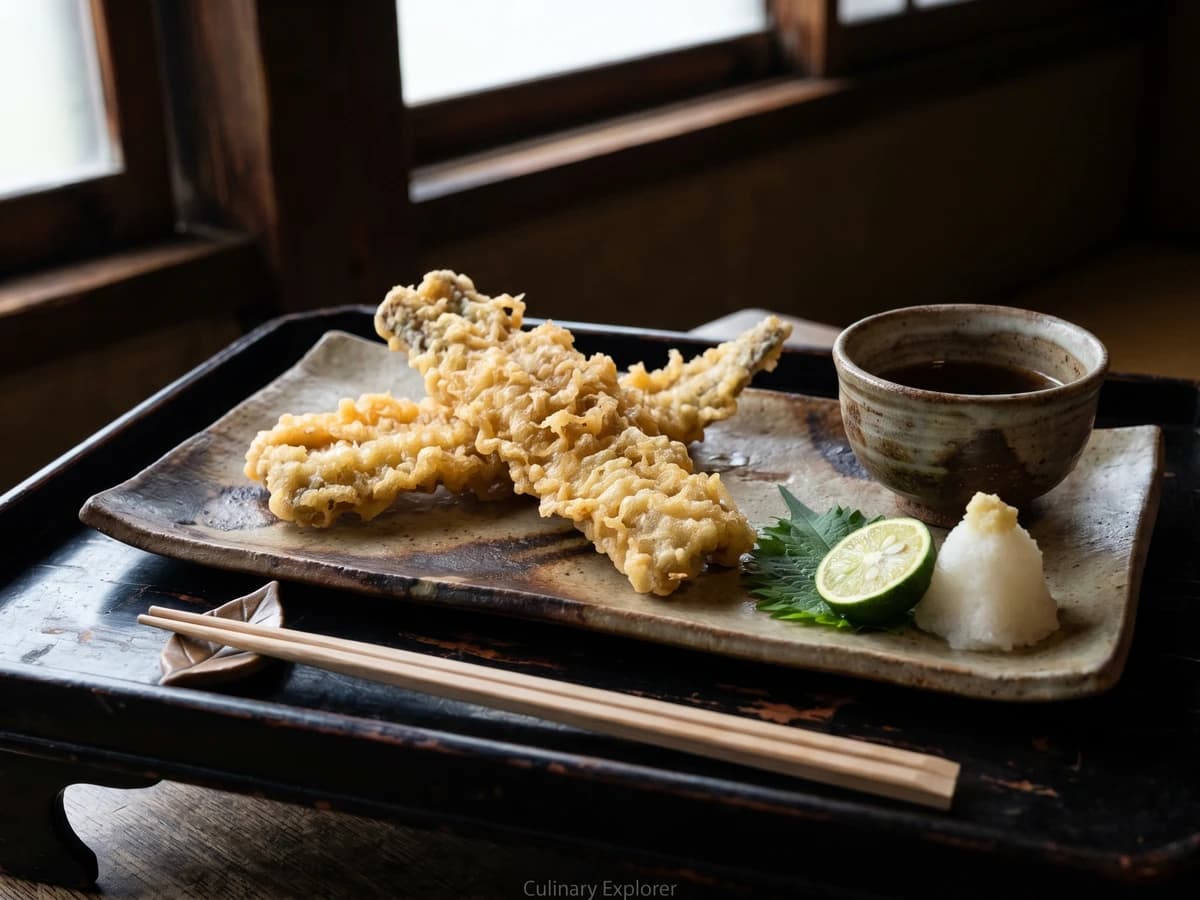
A whole anago looks like a test of nerve. It is mostly good sourcing, a dry skin, cold batter, and oil hot enough to leave the eel sweet under its lace.